The Last Act of Duty: A Monarch's Perseverance
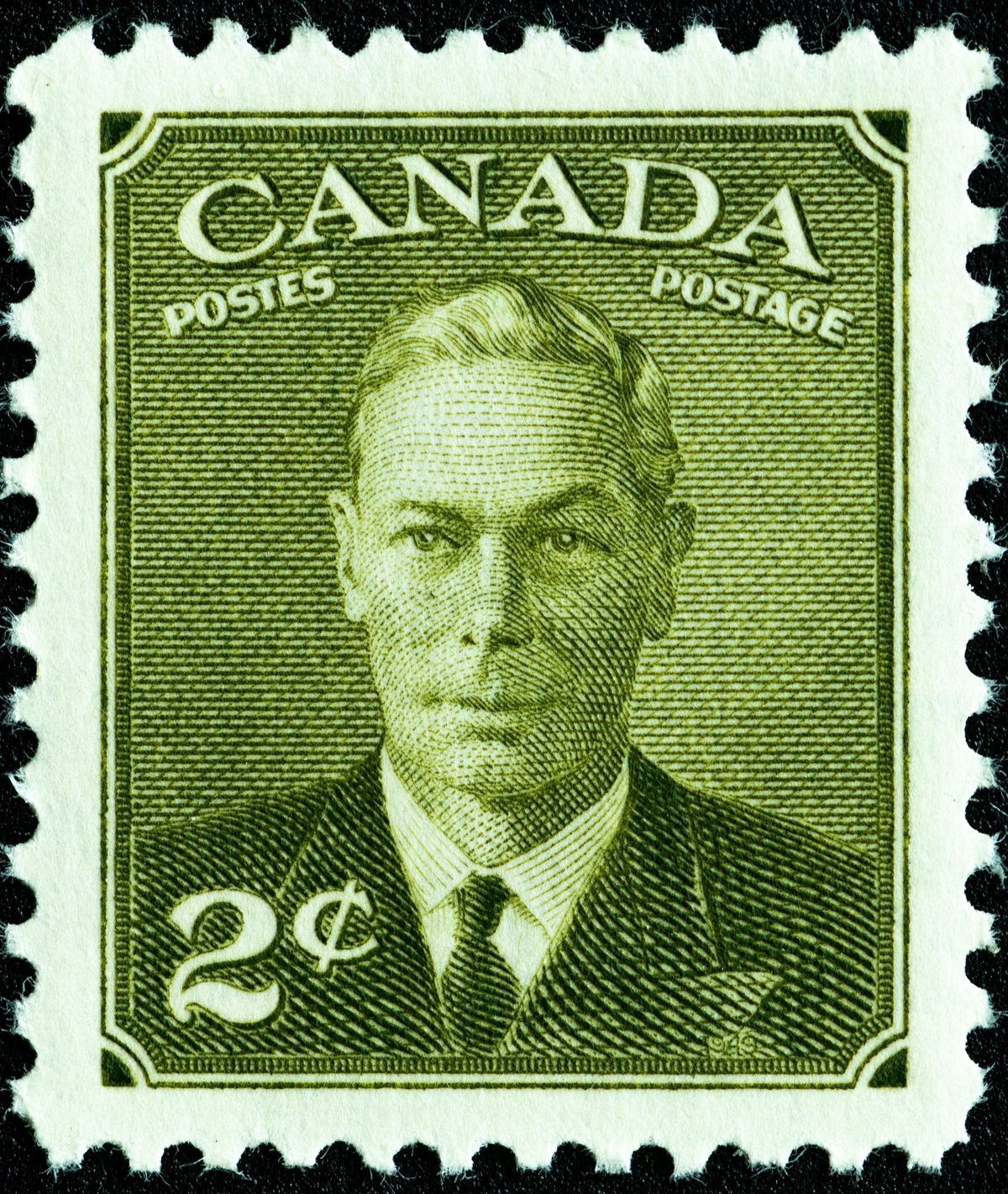
As the bitter chill of January 1952 enveloped England, an unshakable figure held court at Buckingham Palace. King George VI, whose reign had been defined by fortitude and resilience, faced his most personal battle yet — against an unforgiving illness that left his body weakened and his hands, once steady, quivering with tremors. And yet, with remarkable resolve, this devoted king continued to fulfill his monarchical duties, signing state papers each day, his distinctive signature the symbol of a steadfast life pledged to duty.
A King of Courage: George VI's Reign
Born Albert Frederick Arthur George, King George VI assumed the throne under the most trying of circumstances. In 1936, following the abdication of his brother, Edward VIII, the shy and reserved Duke of York was thrust into the role of the British sovereign. With the world teetering on the brink of war, his reign saw the country through the harrowing years of World War II, earning him the deep affection and respect of his subjects. Despite his personal struggles, such as a prominent stammer that he overcame with immense determination, George VI emerged as a symbol of stoic resolve.
By 1952, however, the strain of years of service had taken its toll on his health. Plagued with a circulation disease, King George's condition worsened markedly, leading to an operation to remove part of his lung in September 1951. Undaunted, he persisted in his royal duties, epitomizing the regal principle of duty first — a hallmark of his life and reign.
The Monarchy in Motion: The Purpose Behind Every Signature
Despite his deteriorating health, each day began as it had for years — with the routine of reviewing and signing state papers, a ritual essential to the functioning of the British government. Within the majestic walls of Buckingham Palace, his private office remained alive with activity, the silent witnesses to history being made in every pen stroke. The king's signatures, though increasingly frail and shaky, marked his unwavering commitment to his constitutional role. It was the very essence of his monarchy, ensuring stability and continuity at the heart of the nation.
The royal court supported him in silence, respecting the privacy of their sovereign while understanding the gravity of his devotion. Sir Alan Lascelles, his private secretary, recalled years later that the king's signatures from those last weeks were barely legible, yet the determination behind them was unmistakable. Each shaky scrawl was a testament to his enduring love for his country and his unyielding dedication to the monarchy.
The King at Home: Life Within the Palaces
Inside the royal household, King George VI was not only a monarch but also a husband and father. The support and presence of his family provided solace amidst his demanding role. His beloved wife, Queen Elizabeth, stood by him as a pillar of strength, and together they maintained a sense of normalcy for their daughters, Princess Elizabeth and Princess Margaret. The warmth and happiness within the family were sources of great comfort during this difficult period, reinforcing the king’s resolution to fulfill his duties.
The atmosphere in the palace, while focused on the king’s health, remained one of quiet dignity and respect. The courtiers and staff carried out their responsibilities with decorum and efficiency, ensuring the continued function of the palace and its role in state affairs. The elaborately decorated rooms of Buckingham Palace provided the setting for both the solemnity and splendor of royal life, underpinning the king’s resolve with a sense of timeless tradition.
A Legacy of Fortitude: Honoring King George VI
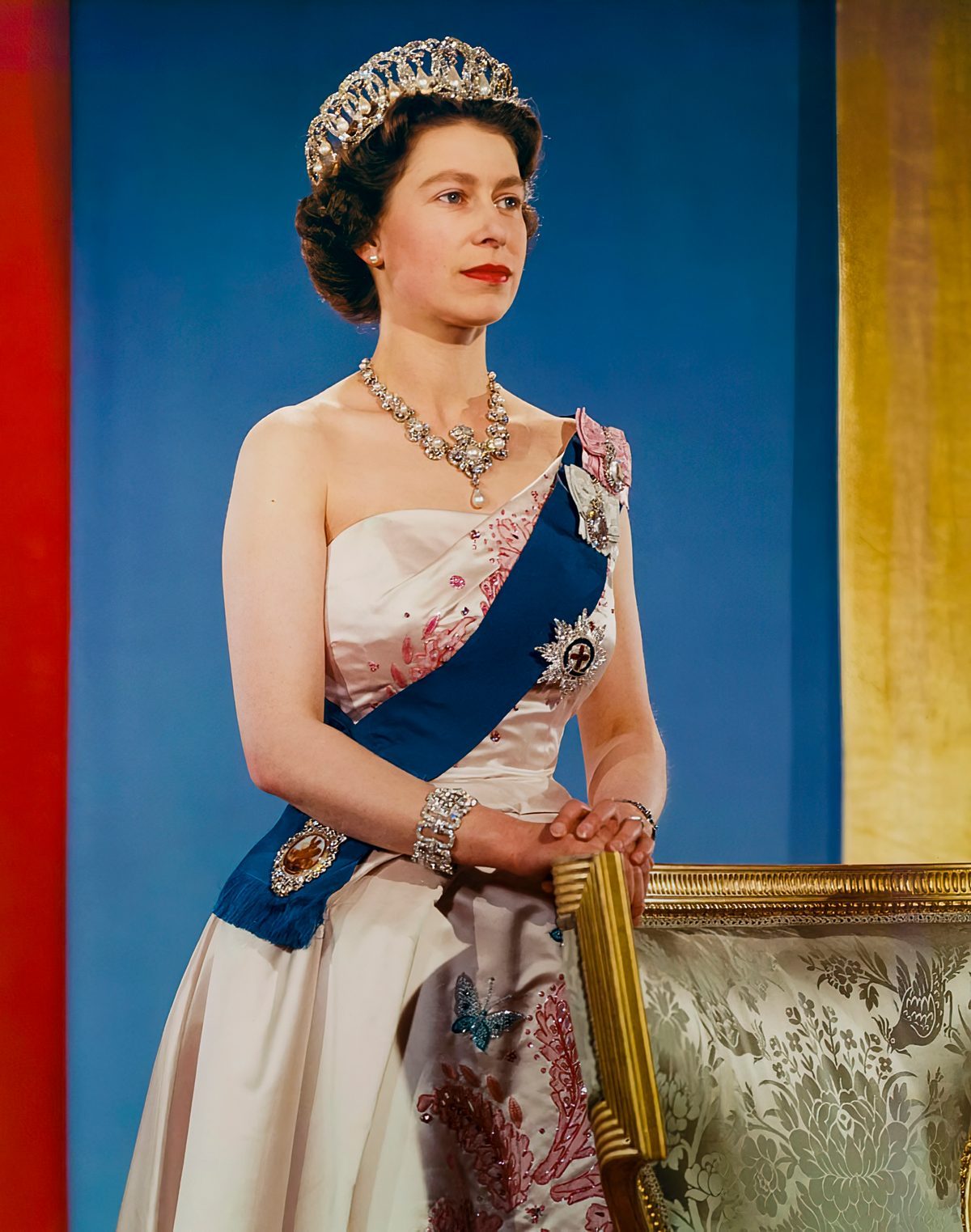
King George VI passed away peacefully in his sleep on February 6, 1952, marking the end of an era defined by resilience and quiet heroism. Upon his death, the world reflected on the reign of a monarch who had faced extraordinary challenges with dignity and resolve. His legacy lived on through his eldest daughter, Elizabeth, who ascended the throne as Queen Elizabeth II, embodying the values and principles her father held so dear.
In contemporary times, George VI's commitment to duty, even in the face of overwhelming personal adversity, inspires continued admiration. His life serves as a poignant reminder of the dedication and sacrifice inherent to the monarchy, a beacon of continuity and stability through the ages. Just as he stood firm amidst the trials of his era, so too does the British monarchy remain steadfast today, a testament to the values and traditions that King George VI so passionately upheld.
In the memory of His Majesty King George VI, we find a story of unwavering dedication and an indomitable spirit that continues to inspire and resonate through the corridors of royal history, and indeed, into the present day. As we reflect on his life, we are invited to appreciate the enduring impact of steadfast service — a legacy that persists in the heart of the British monarchy, lighting the path forward with its timeless glow.
📷 Photo: Hayden Soloviev. CC BY 4.0 via Wikimedia Commons.