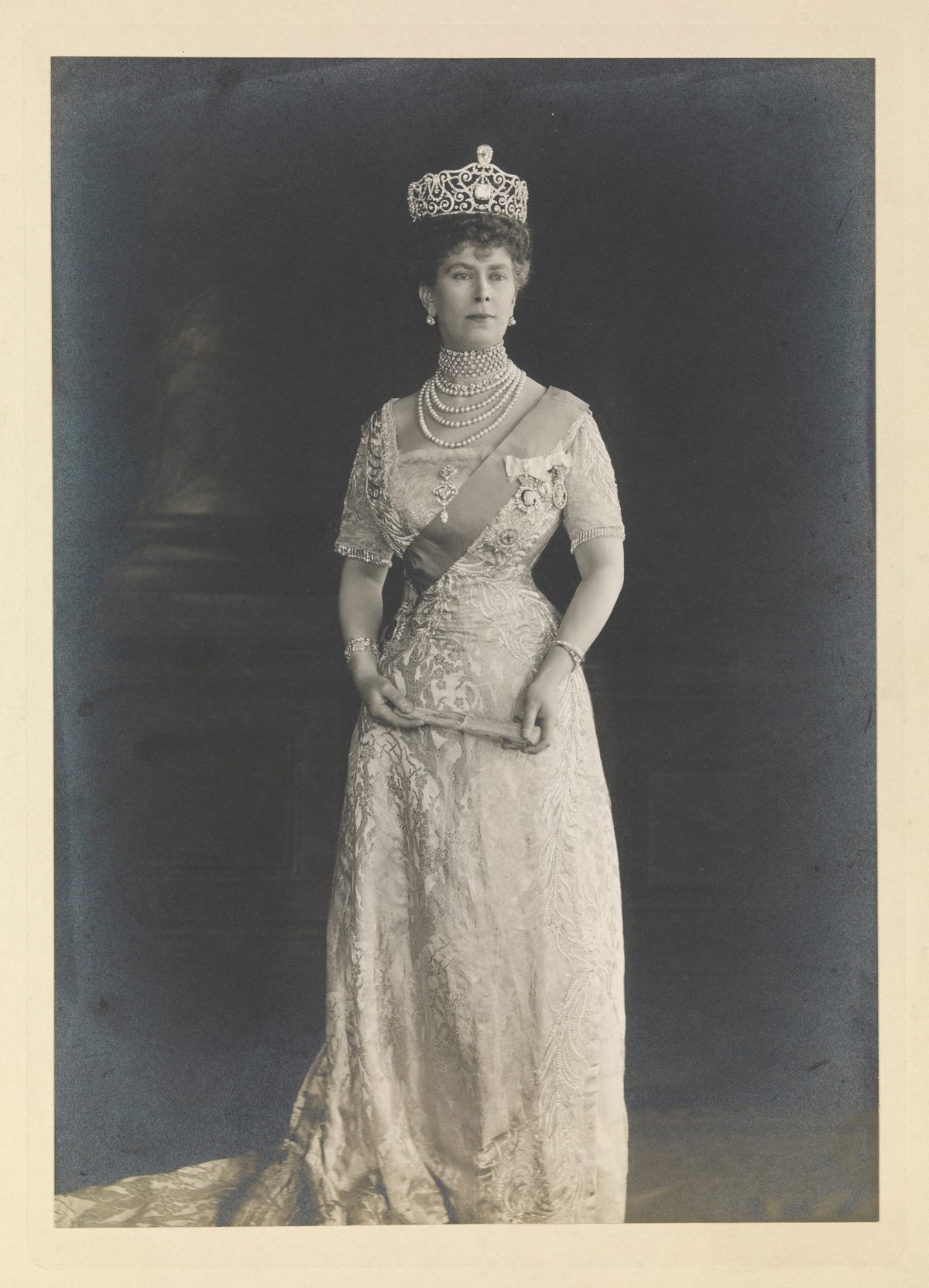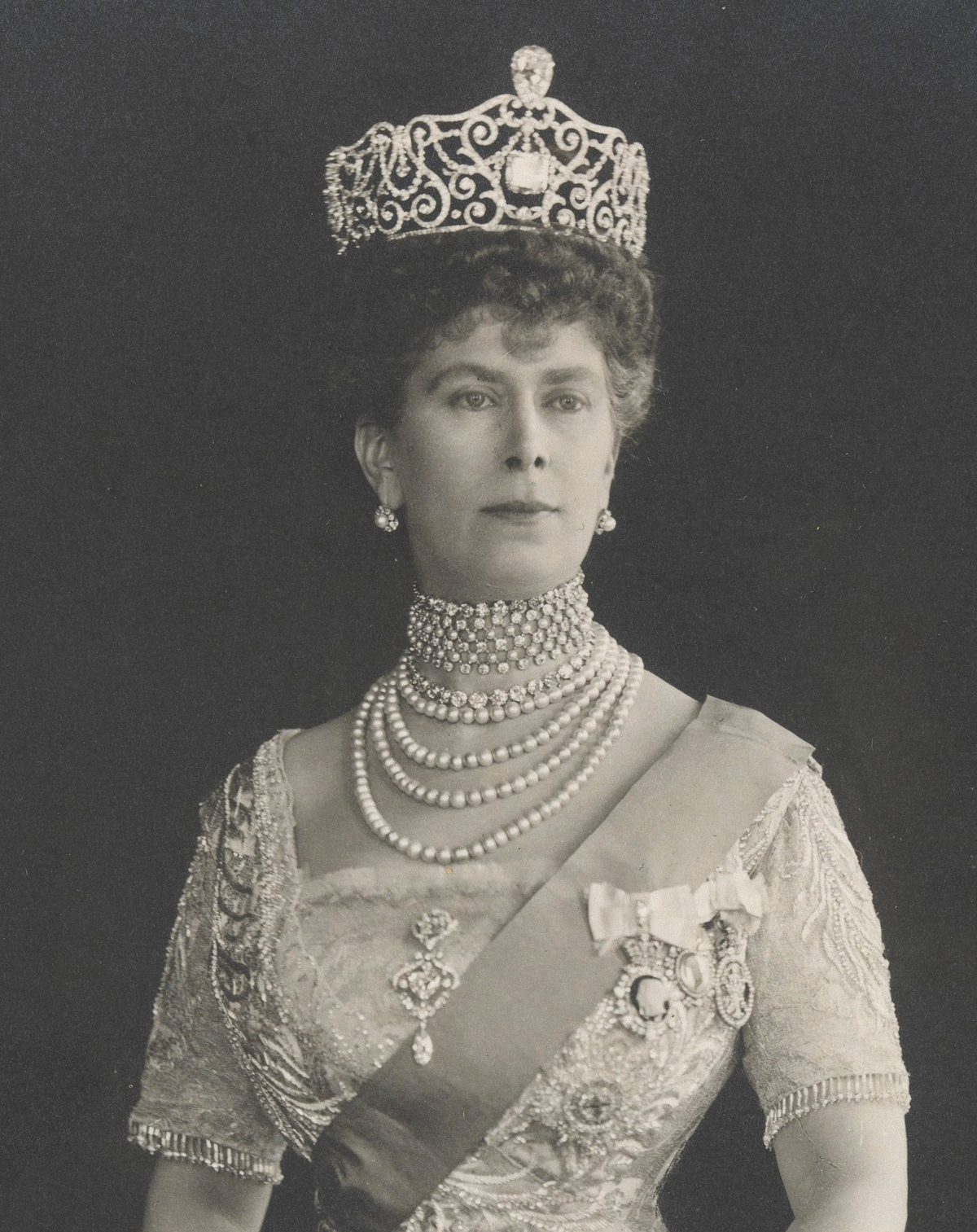
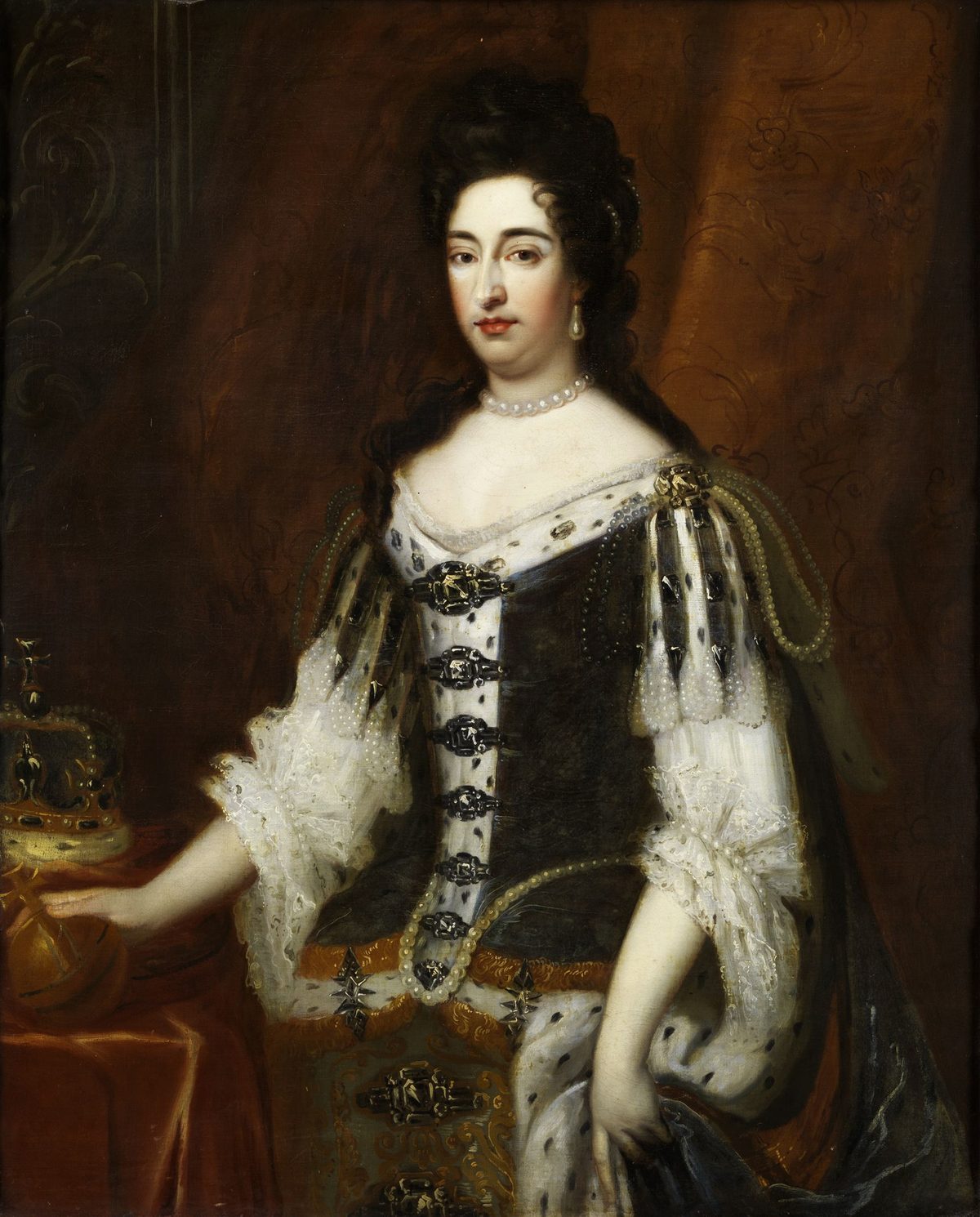
In the gilded sanctuary of Westminster Abbey on that fateful May morning in 1937, the air was thick with anticipation and a tradition nearly a millennium old. The solemnity of a coronation once again set the stage for the House of Windsor. Yet this spectacle was different—not merely an ascension to the throne, but a testament to resilience amid tumultuous tides. All eyes were drawn to the towering presence of Queen Mary, sitting silently in perfect composure as her son, George VI, prepared to be crowned. As the ceremony progressed, however, those few poised enough to glance her way noticed the trembling of her hands, gripping the royal program with a palpable tension that echoed the quiet strength she had shown for decades.
A Matriarch in the Midst of History
Queen Mary, born Princess Victoria Mary of Teck, had spent much of her life as a stalwart pillar of the British monarchy. Her own entry into royal duties began through an engagement to Prince Albert Victor, Duke of Clarence—eldest son of the then Prince of Wales. Fate, however, saw her marry the future George V, assuming the role of Queen Consort with unyielding devotion. Her reign alongside King George V positioned her not just as a queen, but as the embodiment of continuity amidst the seismic shifts of the early 20th-century, from the Great War to the dawn of modernity.
That morning in May, however, brought with it a personal trial anew—one that was both a culmination and a beginning. She had, after all, witnessed more than one ascension: the heartbreaking death of George V, and the tumultuous abdication of King Edward VIII, her son, which had thrust the reluctant George VI into the role. This day did not just mark a coronation; it encapsulated Queen Mary's lifelong journey of loyalty and endurance.
The Heavy Mantle of Kingship
For George VI, the path to kingship was fraught with reluctance and challenge. Unlike his brother, whose abdication had sent ripples through the very fabric of British society, George VI, or 'Bertie' as he was affectionately called, was a reserved figure—a stark contrast to the ebullient Edward. Deep within the traditions of the monarchy, no one understood better than Queen Mary the potential toll this unexpected kingship would take on her son.
The ceremony itself was a dazzling, meticulously organized procession, steeped in royal tradition and regalia: golden carriage journeys, azure robes, and the weighty presence of the Crown Jewels. The Abbey was resplendent with dignitaries and representatives from around the world, witnessing not just a moment of personal sacrifice but a symbolic act of stability for a nation seeking assurance after the abdication crisis. Yet amid the grandeur, those who observed Queen Mary saw her fractured moment, that brief betrayal of emotion as her hands trembled—not out of weakness, but out of deep maternal empathy and an understanding of the burdens now thrust upon her son's shoulders.
A Private Strength in a Public Role
Those few moments of vulnerability only highlighted the strength Queen Mary showed throughout her life. Her stoicism rooted in the belief of duty above all else served as the backbone for her family during times of both triumph and turmoil. Her unwavering public persona belied the personal sacrifices and the subtle navigation required at the highest tiers of royalty.
For Queen Mary, the act of watching George VI's crowning was more than a solemn observance; it was a poignant reflection on her life's work—the nurturing of a dynasty sworn to uphold the nation’s spirit, even in the wake of profound personal sacrifice. Her graceful presence amidst the dramatic tape of history gave a personal touch to the often impersonal view of monarchy.
A Legacy of Sacrifice
As the magnificent sound of trumpets heralded the coronation's conclusion, it was clear that George VI's reign was to be one of resilience. His challenges were immense, not just as a monarch but as a figure of confidence for a nation poised on the brink of another world conflict. Yet, in those moments, with his mother's legacy behind him, he inherited not just a crown, but the silent teachings of fortitude Queen Mary had exemplified throughout her life.
Queen Mary's quiet devotion resonated far beyond her personal grief and maternal concern. It reverberated as an enduring testament to the monarchy's role in an ever-evolving global landscape—a guardian of tradition, yet a living emblem of continuity and hope. Her incredible composure, even when frayed at the edges by the weighty emotion of the day, showcased the human element within the enigmatic world of royalty. The trembling hands of Queen Mary symbolized much more than emotions held at bay; they were a testament to the enduring strength found in gentle perseverance.
The Enduring Echo of Heritage
Queen Mary's legacy, much like the Abbey stones that bore silent witness to her son's coronation, remains steadfast and enduring. She represented quiet dignity and responsibility, performed often without accolade or notice, yet forming the very backbone of the modern British monarchy. Her life was a moving testament to commitment—not just to duty but to family, to her beloved country, and to the continuation of legacy through service.
As we sit on the precipice of modern realms with shifting views on monarchy, Queen Mary's serene resolve reminds us of the enduring chords that run through royal history—commitment, duty, and personal sacrifice. Her poised image on that significant day in 1937 epitomizes the royal tenet that while the faces may change, the spirit of dedication remains immutable. The trembling hands on that day spoke of the eternal human element that ties us all to history and to each other, persevering through the ages as part of the unbroken thread of the royal narrative.
📷 Photo: After Godfrey Kneller. Public domain via Wikimedia Commons.