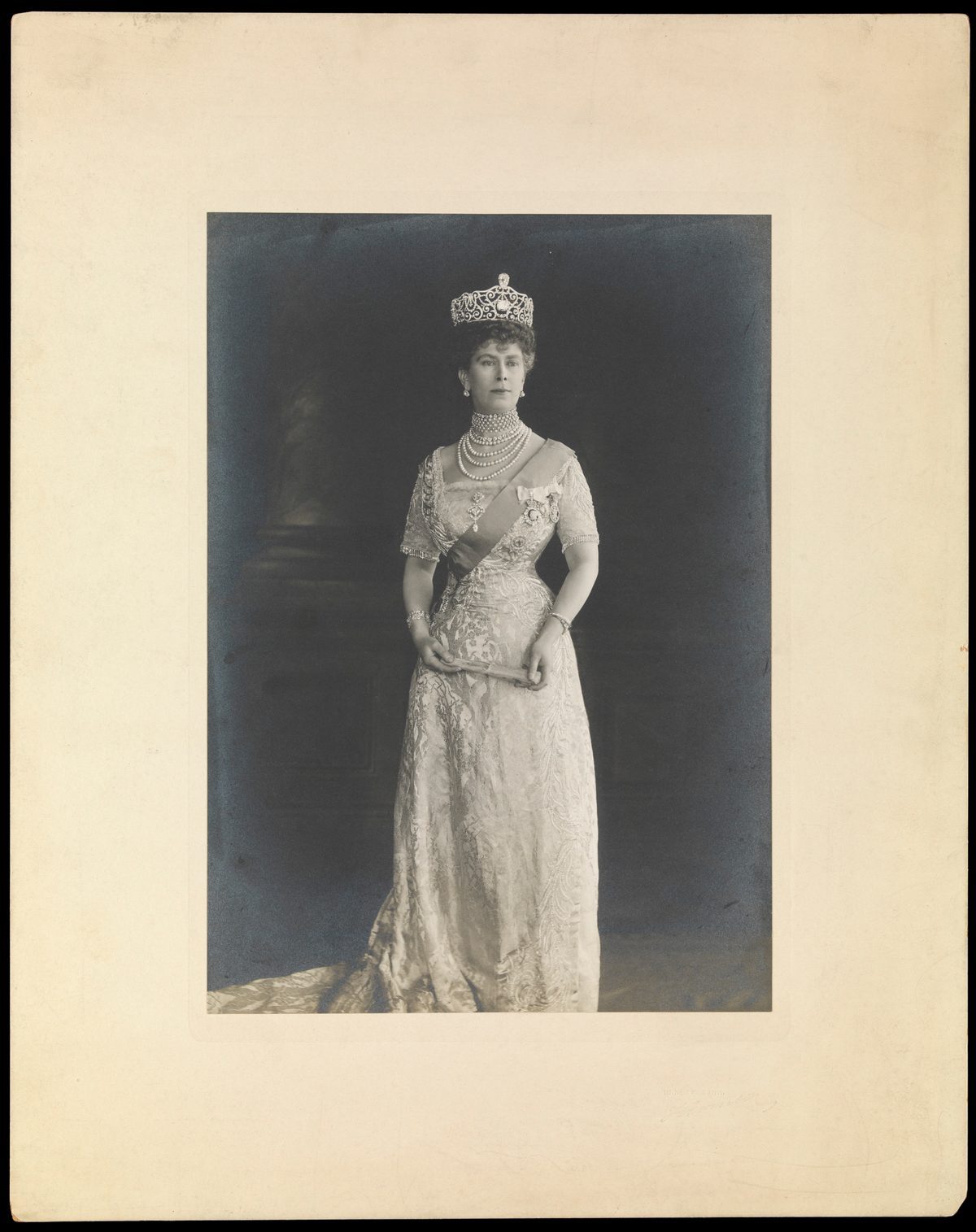
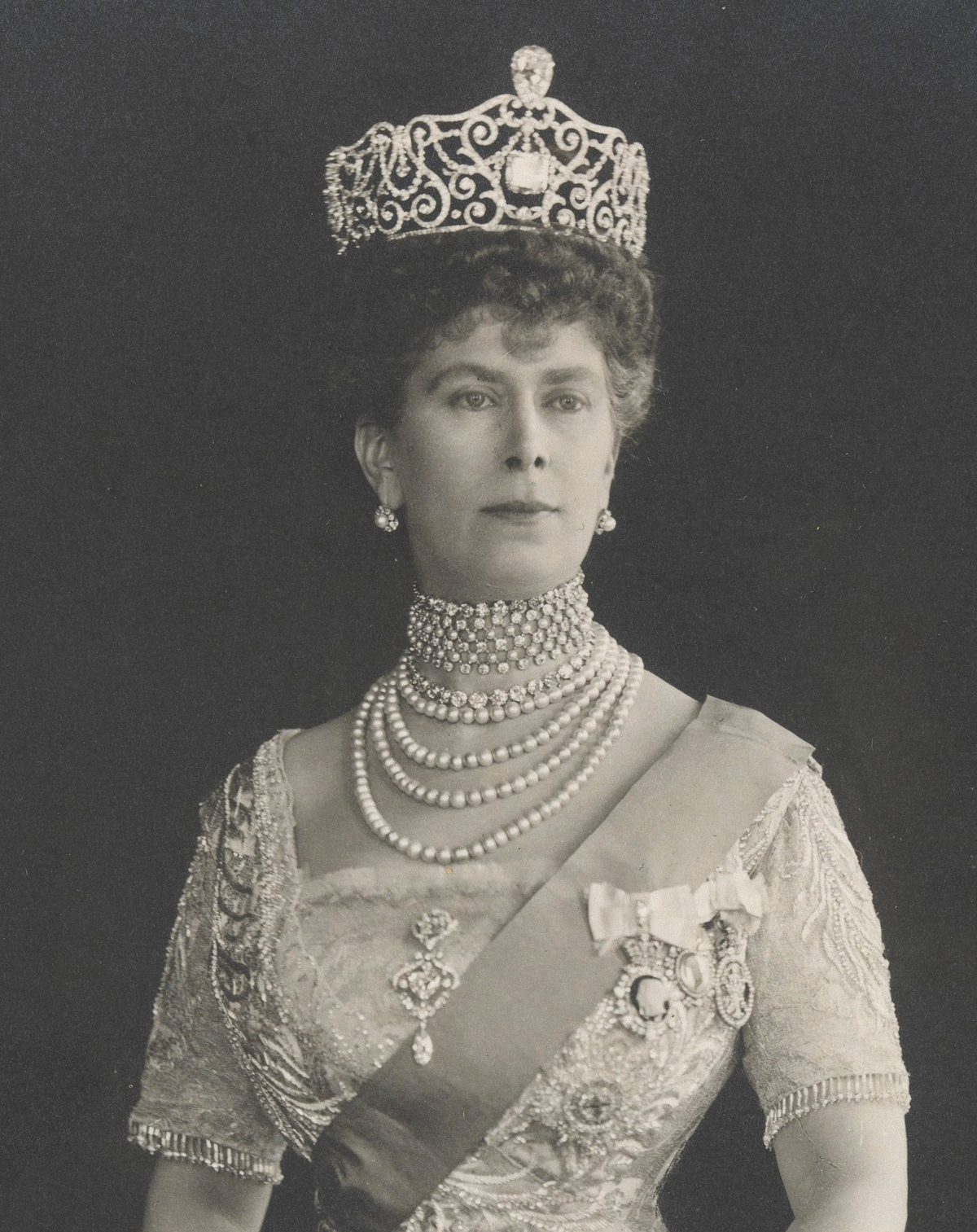
In the piercing cold of the winter of 1916, beneath the mighty shadows of Buckingham Palace, a letter found its way to Queen Mary's grand desk. Out of thousands of missives received daily from her subjects, this one, penned with anxious sincerity by a young war bride, captured the queen's attention and steeled her resolve. It was an era where the trenches of the Somme had become a symbol of both sacrifice and sorrow. This particular letter was not just a request; it was a cry for help—one that would reveal the quiet, untold benevolence of Queen Mary during a time of profound darkness.
The Letter That Moved the Queen
In the flush of early afternoon, amidst the formalities and duties of her daily routine at the palace, Queen Mary received a simple yet poignant appeal from a woman unnamed to history. Her husband had returned from the battle-scarred fields of the Somme, where he had served with gallantry and where he had paid a devastating price, losing both of his hands. The young wife’s plea was neither for herself nor for money, but for guidance. How could she dress him, care for him, and ensure his dignity on a daily basis?
Queen Mary, despite her position and the imposing specter of the monarchy, was known for her personal warmth and sense of duty towards the British soldiers and their families. She was acutely aware of the burdens borne by those who remained at home, as well as the scars, both visible and invisible, carried by those who returned.
Queen Mary's Compassionate Response
While some tasks were easily delegated, this situation begged for a deeply personal touch. The queen set about writing a return letter herself, her practiced hand inscribing words of reassurance and intent. Aware of the profound impact of war on the home front, she expressed her sincere empathy and made clear her wish to provide assistance beyond words.
"It was at this moment that the queen's humble yet impactful generosity was truly felt," a contemporary royal historian notes. "Her actions were motivated not by duty alone, but by a heartfelt connection to her people."
To truly address the plea that had reached her heart, Queen Mary did the unexpected. She chose to send her own lady’s maid, a woman well-versed in the art of personal care and discretion, to the young bride's home. This quiet gesture went unpublicized, an echo of a queen's resolve to remain privately impactful amidst the turbulent public affairs of war.
The Role of the Royal Household
The royal household of Queen Mary was not merely a bastion of tradition but a place of understanding and innovation. The queen's commitment to the war effort was evident not just in her public appearances or the war ducks and funds she established but in her personal dealings with those who served.
Queen Mary's decision to dispatch her handmaid demonstrates the often unseen workings of her court. Ethel Parsons, who served in the queen's intimate circle, was entrusted not just with the task of helping the family practically, but with implementing a plan that carried the dignity and compassion of the crown itself. Under Parsons' discreet guidance, the young bride was shown new ways to adjust and tailor clothing to accommodate her husband's needs, transforming daily routines into acts of love and resilience.
A Lasting Impact from a Quiet Act
Although this remarkable act of kindness was never meant for the newspapers or historical records, its legacy enriches the tapestry of quiet yet powerful royal interventions. It speaks to the human touch that Queen Mary, despite the vastness of her responsibilities, endeavored to maintain—a palpable reflection of her understanding of personal sacrifice during wartime.
Through such stories, we glimpse the monarchy's human side, one that extended beyond grand state decisions to include the nuanced gestures that quietly, yet deeply, touched individual lives.
Reflections on Royalty and Resilience
Today's world continues to grapple with its own forms of turmoil and uncertainty. The royals, now as much as ever, remain symbolic pillars of continuity and unity. Stories like that of Queen Mary's quiet intervention during the Great War remind us of the power of personal compassion and commitment, even from the heart of the monarchy.
Within an era defined by its resilience, Queen Mary’s empathy reminds us that true strength often lies in the momentous impact of silent generosity, a lesson as resonant then as it is today. By acknowledging the past's quiet acts of kindness, we can envision a future where tradition and humanity intertwine to offer hope and solace in times of need.
📷 Photo: John Thomson. CC BY 4.0 via Wikimedia Commons.