When King George V died at Sandringham in January 1936, those present noted something remarkable about Queen Mary. In the hours before his death, she dressed with characteristic precision — composed, immaculate, unbreakable. The woman who had built her life around duty wore her grief the same way she wore everything else: with steel beneath the silk. The gown she chose for this heart-wrenching moment was symbolic not only of her personal strength and devotion but also of the role she played within the British monarchy — a steadfast anchor amidst uncharted waters.
An Era of Transition and Turmoil
To truly understand the significance of Queen Mary's choices on that fateful January day in 1936, we must first consider the political and social tapestry of a Britain poised on the brink of World War II. The nation was in a state of palpable tension. The global economic depression had not spared the British Isles, and the abdication crisis was looming on the horizon with the impending reign of Edward VIII. Amidst this, the royal family was seen as a source of stability and continuity for the people, and Queen Mary was exemplary in embodying these ideals.
Queen Mary, known for her dedication to duty, was born into the complex web of European royalty. As the consort to King George V, she navigated the shifting sands of the early 20th century with grace and poise. Her marriage to George in 1893 had signaled the start of a formidable partnership in which each supported the other through times of both national celebration and personal despair. During the Great War, her unwavering commitment to her royal duties and her empathetic engagement with the people solidified her status as an enduring figure of the British monarchy.
The Fabric of Duty: A Gown with a Message
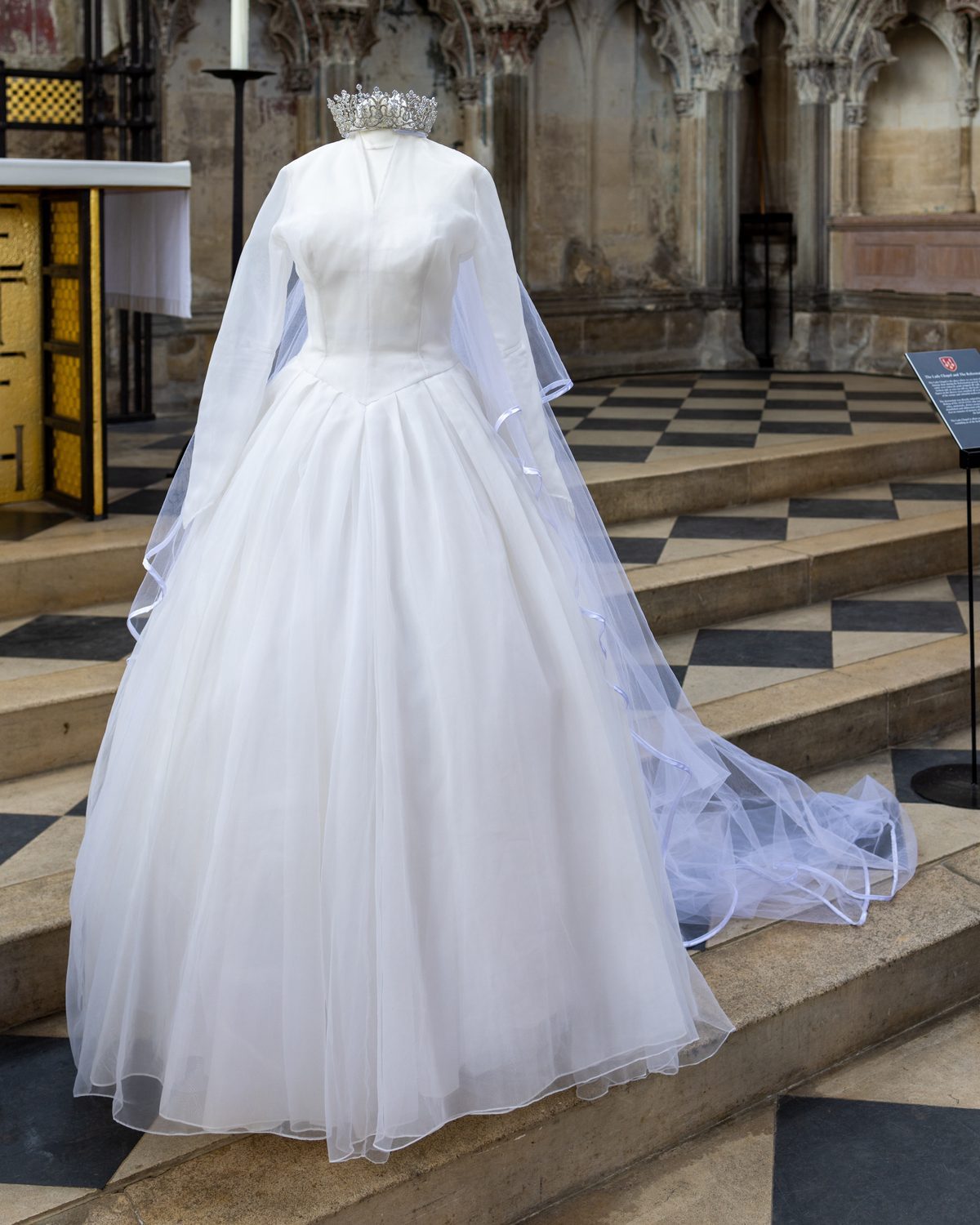
As King George V lay dying, Queen Mary selected a gown of black silk — a deeply considered choice reflecting both mourning and resolve. Black had always been the traditional color of mourning, yet there was nothing somber in the way it was worn. Instead, it exuded a dignified resilience, a visual statement of her inner fortitude. It was not just the loss of her husband she represented but a farewell to an era and a commitment to shepherd the future.
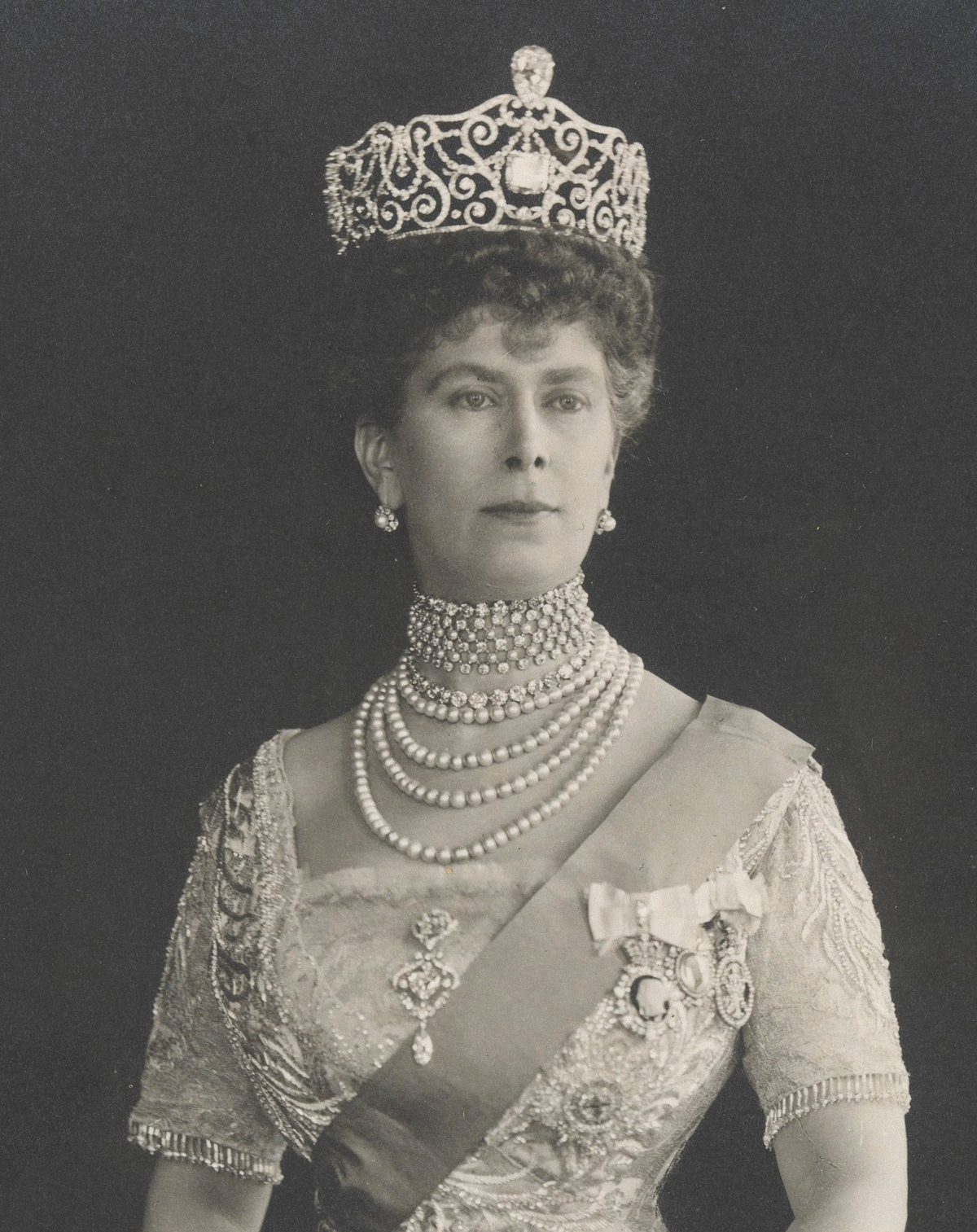
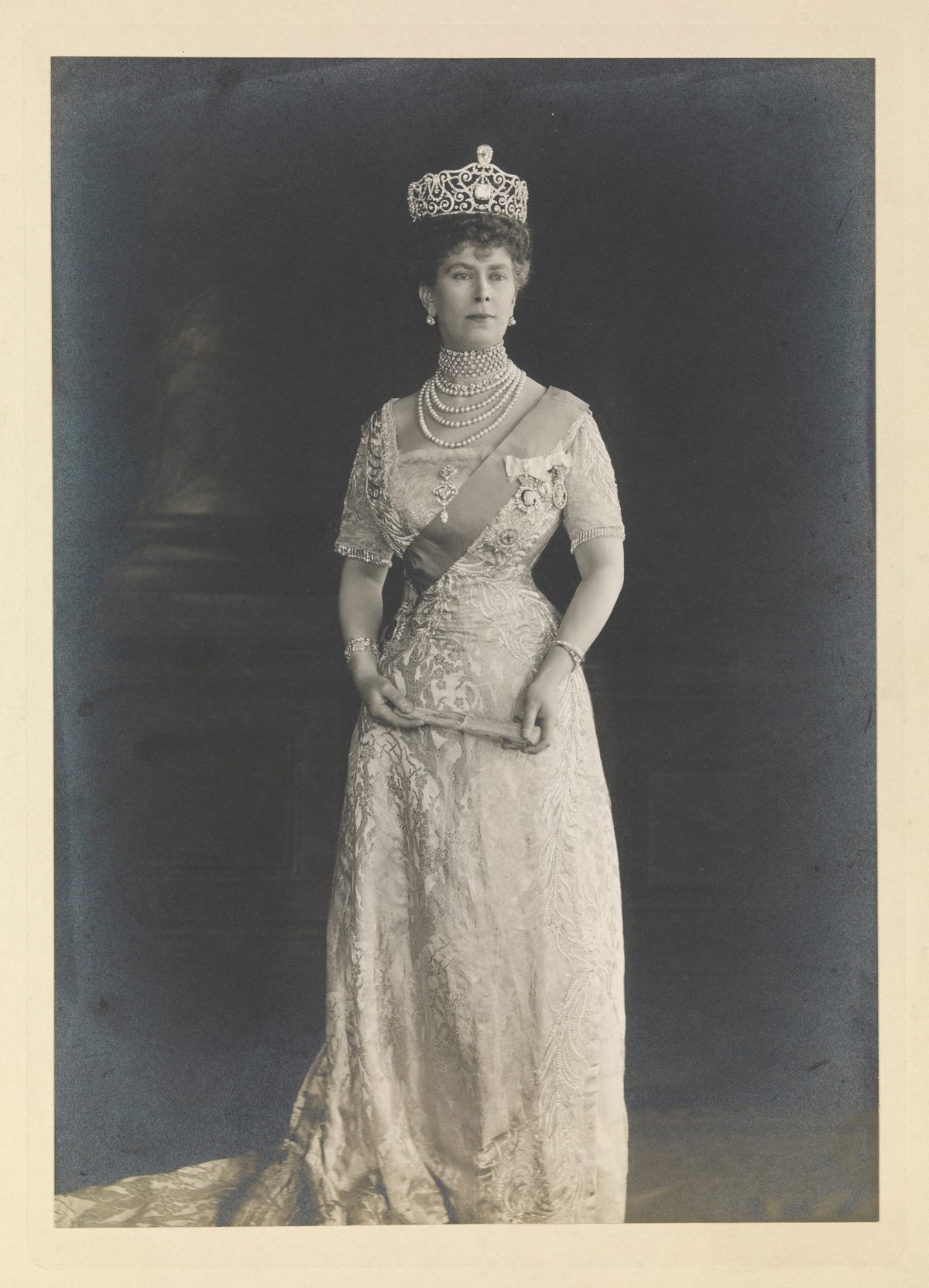
Every detail of her appearance was impeccable, from the flawless tailoring of her dress to the precisely arrayed jewels. Her personal collection of jewelry was more than mere adornment; it was a testament to her life's experiences and her stature within the monarchy. On this occasion, she chose pieces that had been gifts from George, each item carrying stories of their shared history, their trials, and triumphs.
The diamonds she wore caught the light and drew the gaze, an unspoken acknowledgment of the tears that would not fall. The pearls, stark against the black silk, were ancient symbols of wisdom and purity, crafted by nature through adversity, much as Queen Mary herself stood resilient amid upheaval. Her ensemble that day exemplified her belief that one’s appearance could, and should, reflect one's inner strength, dignity, and duty.
Queen Mary: A Steady Influence in a Changing World
Mary of Teck, Queen Mary, was renowned not only for her sartorial elegance but also for her rigorous sense of duty and conviction. She represented the matronly stability of the Crown, managing the delicate balance between the demands of royal life and personal affections. Her devotion to the monarchy was unwavering, not just as Queen Consort but also as Queen Mother, particularly as the British monarchy faced significant challenges in the years following her husband’s death.
With King Edward VIII's subsequent abdication, Queen Mary's ability to maintain composure and serve as a pillar of support was paramount. Her unfailing ability to uphold her responsibilities and to act as the steadying influence for her children, especially during the tumultuous abdication crisis, reflected in part the grandeur and gravitas she attached to her every apparel choice, including the gown worn on that poignant January day.
This gown, like her public persona, was far more than a mere garment. It was a message to her family and to the nation that no matter the personal pain and sorrow she endured, the monarchy stood ready to face the future with courage and continuity. She set an example for her children and grandchildren, imparting a legacy of resilience and dedication that continues to resonate within the realms of British royalty.
The Legacy of a Royal Trailblazer
Queen Mary's life and the choices she made during critical moments echo through the corridors of time. Her profound ability to present herself as the embodiment of royal duty has been an influential guidepost for subsequent generations. This legacy of combining personal elegance with a powerful sense of duty is still evident in the way today’s royals engage with the public and carry out their roles.
The gown Queen Mary wore not only marked the closing of an era but also illustrated a timelessness in regal grace and responsibility. In standing steadfast and stalwart against the shadows of graver circumstances, her allegorical attire offered the British public a glimpse of hope — the reassurance that despite personal losses and turbulent changes, certain things remained immovable.
In a world filled with uncertainty, Queen Mary’s approach serves as an enduring reminder of the strength of character and honor that defines true leadership. Her style was not simply about fashion; it was about legacy and a royal commitment to love and serve beyond self. In remembering Queen Mary, one cannot help but ponder how accents of her composure and grace linger in the fabric of today's monarchy, urging modern royals to weave the same enduring story of duty and perseverance.
📷 Photo: John Thomson. CC BY 4.0 via Wikimedia Commons.