The morning of March 15, 1965, dawned grey and drizzling over Buckingham Palace, matching the sombre mood that protocol demanded. Queen Elizabeth II was scheduled to depart for a crucial Commonwealth visit to Jamaica, but royal mourning customs dictated she wear black—a distant relative had passed away just days before. Yet when Her Majesty's trusted dresser, Bobo MacDonald, laid out the prescribed dark ensemble, something unprecedented happened. The usually protocol-conscious Queen, then just 38 years old, took one look at the mourning attire and quietly but firmly said no.
What happened next would send ripples through the rigid world of royal protocol and mark a pivotal moment in the evolution of modern royal fashion. This wasn't merely about clothing—it was about a young monarch finding her voice and reshaping centuries-old traditions to serve the Crown's greater purpose.
The Weight of Royal Mourning Protocol
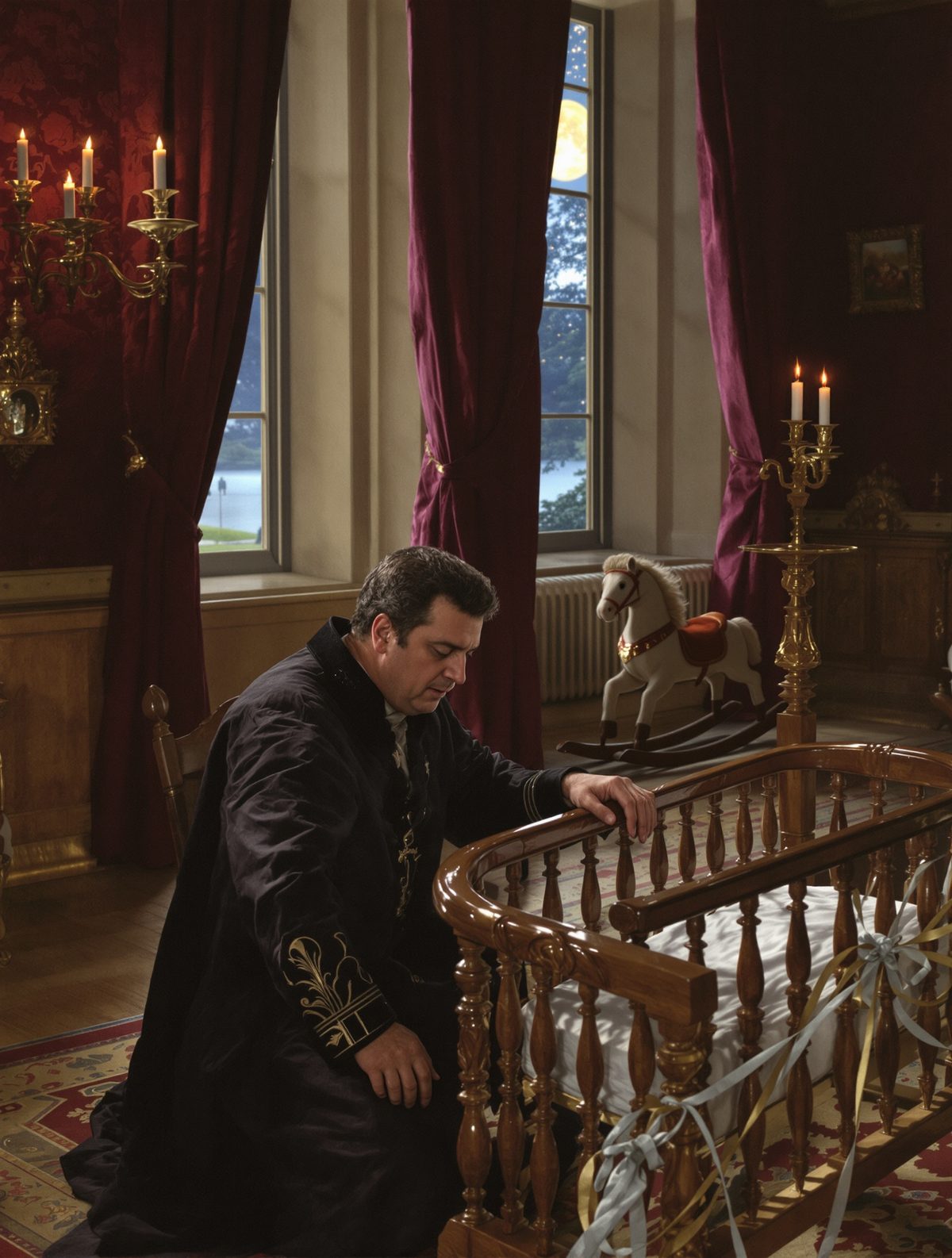
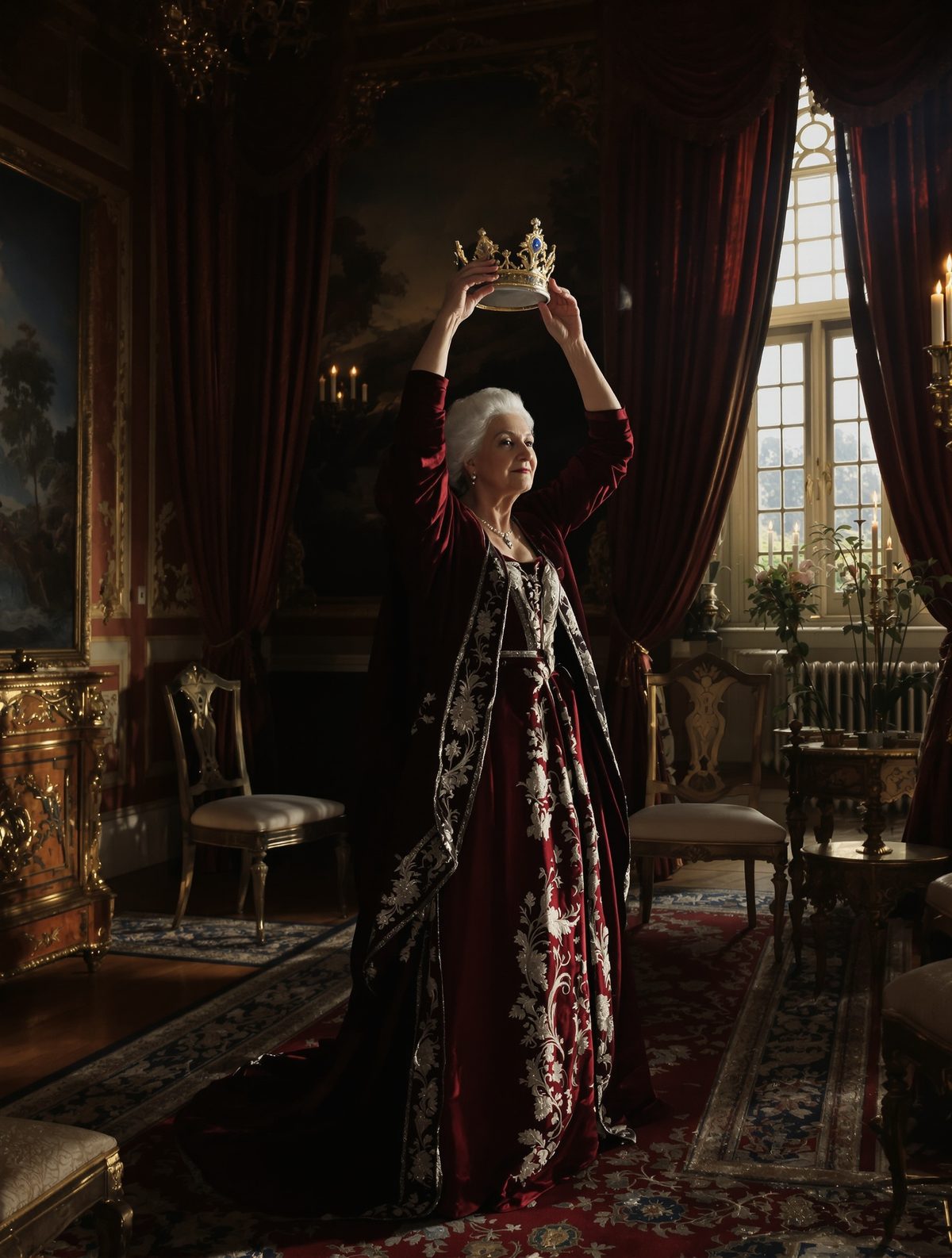
To understand the magnitude of the Queen's decision, one must appreciate the intricate web of mourning customs that had governed the British Royal Family for generations. Royal mourning protocol in the 1960s was still heavily influenced by the elaborate system established during Queen Victoria's reign, when grief became almost a performance art requiring specific attire, timeframes, and public displays of sorrow.
For members of the Royal Family, mourning dress wasn't simply about showing respect—it was a constitutional requirement that affected every public appearance. Even for distant relatives, the rules were unforgiving. Black clothing, minimal jewellery, and subdued demeanour were mandatory for prescribed periods, regardless of other duties or commitments. The system had survived two world wars and the tumultuous abdication crisis, remaining largely unchanged as Elizabeth II ascended to the throne in 1952.
Bobo MacDonald, the Queen's devoted dresser and childhood nanny, knew these rules better than anyone. Having served the Royal Family for decades, she understood that defying mourning protocol wasn't simply breaking tradition—it risked causing a constitutional crisis and potentially damaging relationships with other Commonwealth realms who expected their Queen to observe proper customs.
A Splash of Sunshine: The Yellow Decision
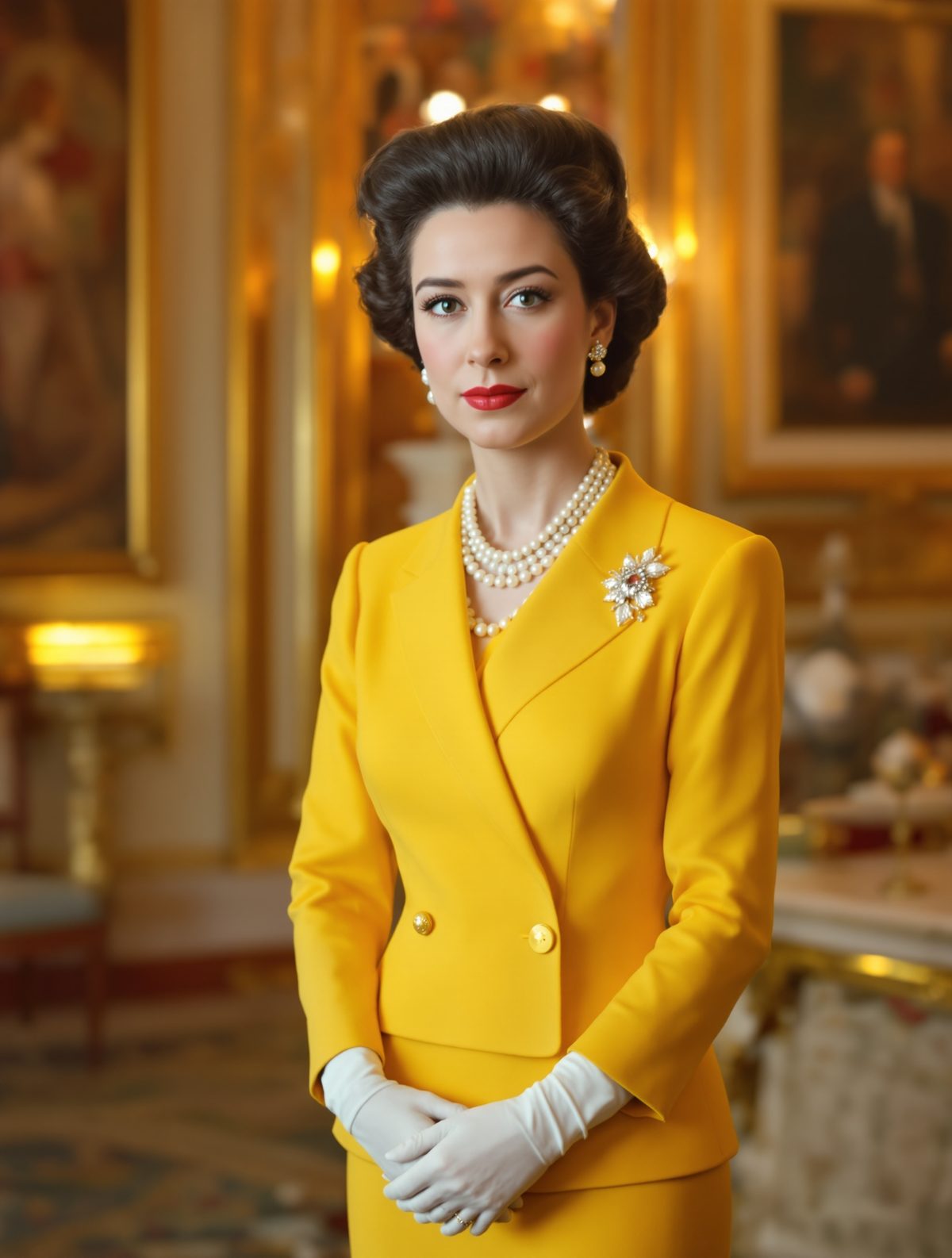
Instead of the sombre black ensemble laid out for her, Queen Elizabeth II chose a striking canary yellow coat dress—a bold, cheerful colour that seemed almost defiant against the grey London morning. The choice wasn't impulsive or rebellious in the way we might understand it today. Rather, it represented a carefully considered decision by a monarch who was beginning to understand the true power of visual communication in the modern age.
The reasoning behind this dramatic choice revealed the Queen's evolving understanding of her role. Jamaica, still a relatively new member of the Commonwealth following its independence in 1962, was experiencing political tensions and economic challenges. The visit was crucial for maintaining strong ties between Britain and one of its most important Caribbean partners. Elizabeth II recognised that arriving in mourning attire would send entirely the wrong message to a nation that needed to see their Head of State as vibrant, optimistic, and fully committed to their relationship.
The yellow dress—designed by one of the Queen's favourite couturiers of the era—featured clean lines and a modern silhouette that perfectly captured the optimistic spirit of the mid-1960s. Paired with a matching hat adorned with a simple brooch and white gloves, the ensemble struck the perfect balance between regal authority and approachable warmth.
Palace Panic and Protocol Chaos
The Queen's decision sent shockwaves through the Palace hierarchy. Private secretaries huddled in urgent conferences, trying to determine whether the breach of protocol required official explanation or could simply be overlooked. The Lord Chamberlain's office, responsible for maintaining royal traditions, found themselves in uncharted territory.
What made the situation particularly complex was that no precedent existed for such a deliberate deviation from mourning protocol. Previous monarchs had occasionally been forced by circumstances to modify their adherence to such customs, but never had a sovereign so clearly chosen duty to the Commonwealth over traditional court expectations.
Behind palace doors, reactions were mixed. Older courtiers, steeped in Victorian traditions, viewed the decision with barely concealed horror. How could centuries of established protocol be cast aside for the sake of appearances? Younger members of the royal household, however, recognised the shrewd political instincts behind the Queen's choice. They understood that she was adapting the monarchy for a modern, televised age where every appearance would be scrutinised and interpreted by millions.
The press, initially caught off guard, quickly recognised the significance of the moment. Royal correspondents noted that this marked a new chapter in how the Queen approached her duties—prioritising the monarchy's effectiveness over rigid adherence to outdated customs.
Jamaica's Golden Welcome
When Queen Elizabeth II stepped off the royal aircraft in Kingston, Jamaica, the wisdom of her choice became immediately apparent. The bright yellow ensemble seemed to capture and reflect the Caribbean sunshine, creating an instant visual connection between the monarch and her surroundings. Local newspapers described her appearance as "radiant" and "perfectly suited to the joy of the occasion."
The visit proved to be one of the most successful of the Queen's early reign. Rather than the subdued, formal affair that mourning attire would have created, her vibrant appearance set the tone for warm, genuine interactions with Jamaican officials and citizens. The yellow dress became symbolic of a new approach to royal visits—one that prioritised connection and engagement over rigid protocol observance.
Jamaican Prime Minister Sir Alexander Bustamante later commented that the Queen's appearance demonstrated her genuine commitment to the Commonwealth realms, showing that she viewed her role as their Head of State as equally important to her position as Britain's monarch. The visual message was clear: this wasn't a duty reluctantly performed, but a relationship genuinely valued.
Legacy of a Yellow Revolution
The 1965 yellow dress incident marked a turning point in royal fashion philosophy that continues to influence the monarchy today. It established the principle that the Crown's broader duties could, when necessary, take precedence over court traditions—a concept that would prove invaluable as the Royal Family navigated the rapidly changing social landscape of the later 20th century.
This moment of quiet rebellion helped establish Queen Elizabeth II's reputation as a monarch capable of adapting tradition to serve the Crown's greater purpose. It demonstrated that beneath the careful protocol and centuries-old customs lay a sharp political intelligence and an instinctive understanding of the monarchy's evolving role in a modern, interconnected world.
The decision also influenced how subsequent generations of royals would approach fashion choices. We can trace a direct line from the Queen's 1965 yellow dress to the vibrant, culturally sensitive wardrobe choices made by today's working royals during overseas visits. The principle that royal attire should serve diplomatic and constitutional purposes, rather than merely satisfy traditional expectations, became a cornerstone of modern royal presentation.
Looking back, that grey London morning in 1965 witnessed more than just a fashion choice—it marked the moment when a young Queen chose to trust her instincts over inherited customs, forever changing how the monarchy would present itself to the world. In choosing sunshine over shadows, Elizabeth II didn't just defy protocol; she redefined it, proving that sometimes the most profound acts of leadership come dressed in the brightest colours.