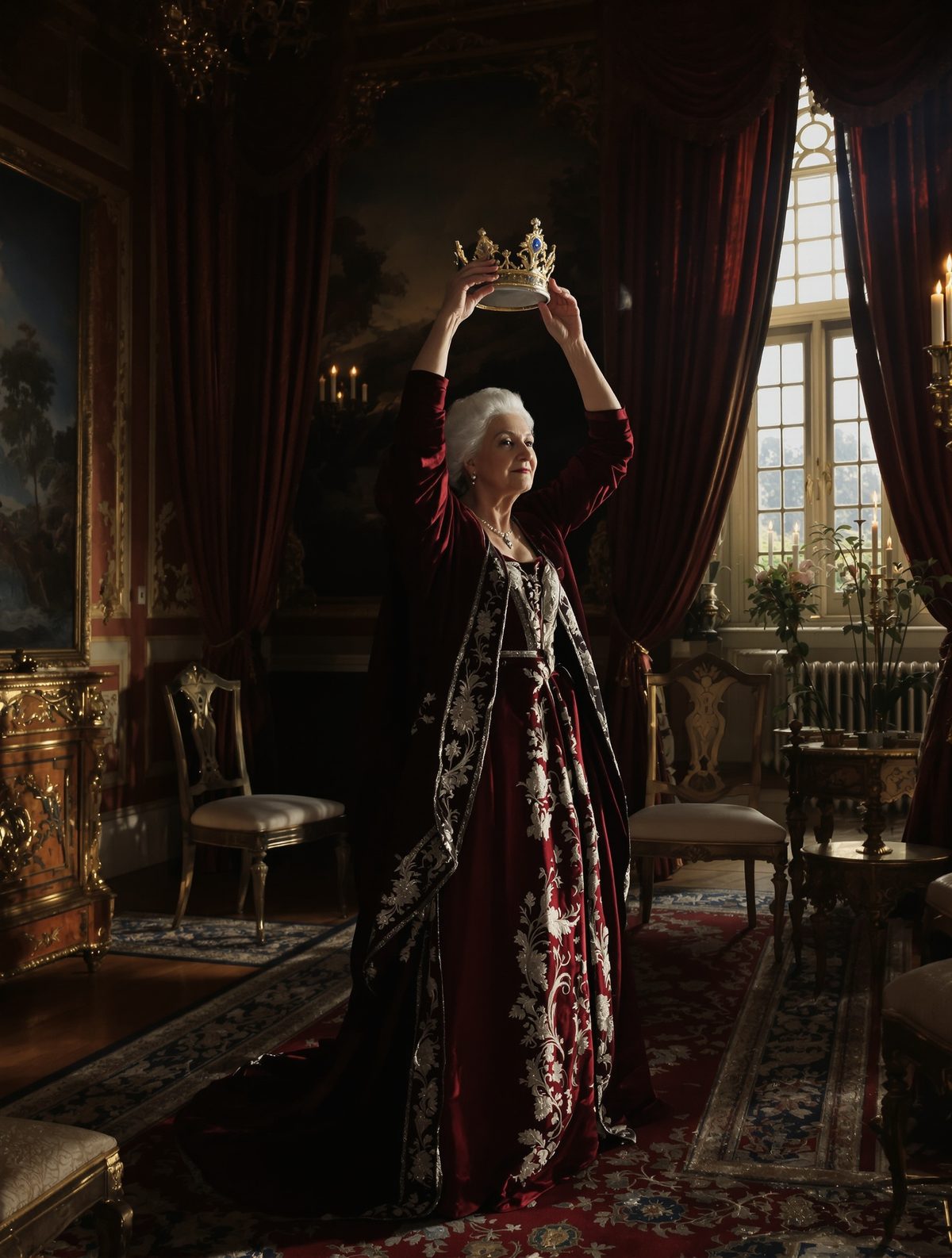
Picture this: the grand corridors of Kensington Palace, shrouded in darkness save for the flickering light of a single candle. While the world sleeps, an 80-year-old woman rises from her bed, dons an imaginary crown, and begins to rehearse the most sacred ceremony in British monarchy. Night after night throughout 1821, Princess Sophia—fifth daughter of King George III—performed elaborate coronation rituals in the solitude of her chamber, perfecting curtseys that would never grace Westminster Abbey and practicing speeches that no subject would ever hear.
This wasn't the behaviour of a woman losing her faculties to old age. This was the desperate dream of a forgotten princess who had spent eight decades watching from the sidelines as her brothers ascended to thrones while she remained invisible, despite being every bit as royal as they were.
The Forgotten Daughter of Mad King George
Princess Sophia Matilda was born in 1777, the twelfth child and fifth daughter of King George III and Queen Charlotte. In an era when royal daughters were considered little more than political pawns for advantageous marriages, Sophia's fate was sealed from birth. While her brothers—future kings George IV and William IV among them—received extensive education in statecraft and military affairs, Sophia and her sisters were confined to what courtiers euphemistically called "domestic accomplishments."
The princess spent her formative years under the iron rule of her governess, learning languages, music, and needlework, but always aware that her primary purpose was to secure a beneficial marriage alliance. Yet unlike many of her contemporaries, Sophia possessed a sharp intellect and keen interest in politics that would never be formally acknowledged or utilized.
Royal protocol of the Georgian era was particularly cruel to unmarried daughters. As Sophia aged past the typical marriage years without securing a suitable husband—partly due to her father's restrictive approach to his daughters' marriages—she found herself in an increasingly precarious position. She was too royal to fade into obscurity, yet too female to wield any real power.
A Life Spent in Royal Shadows
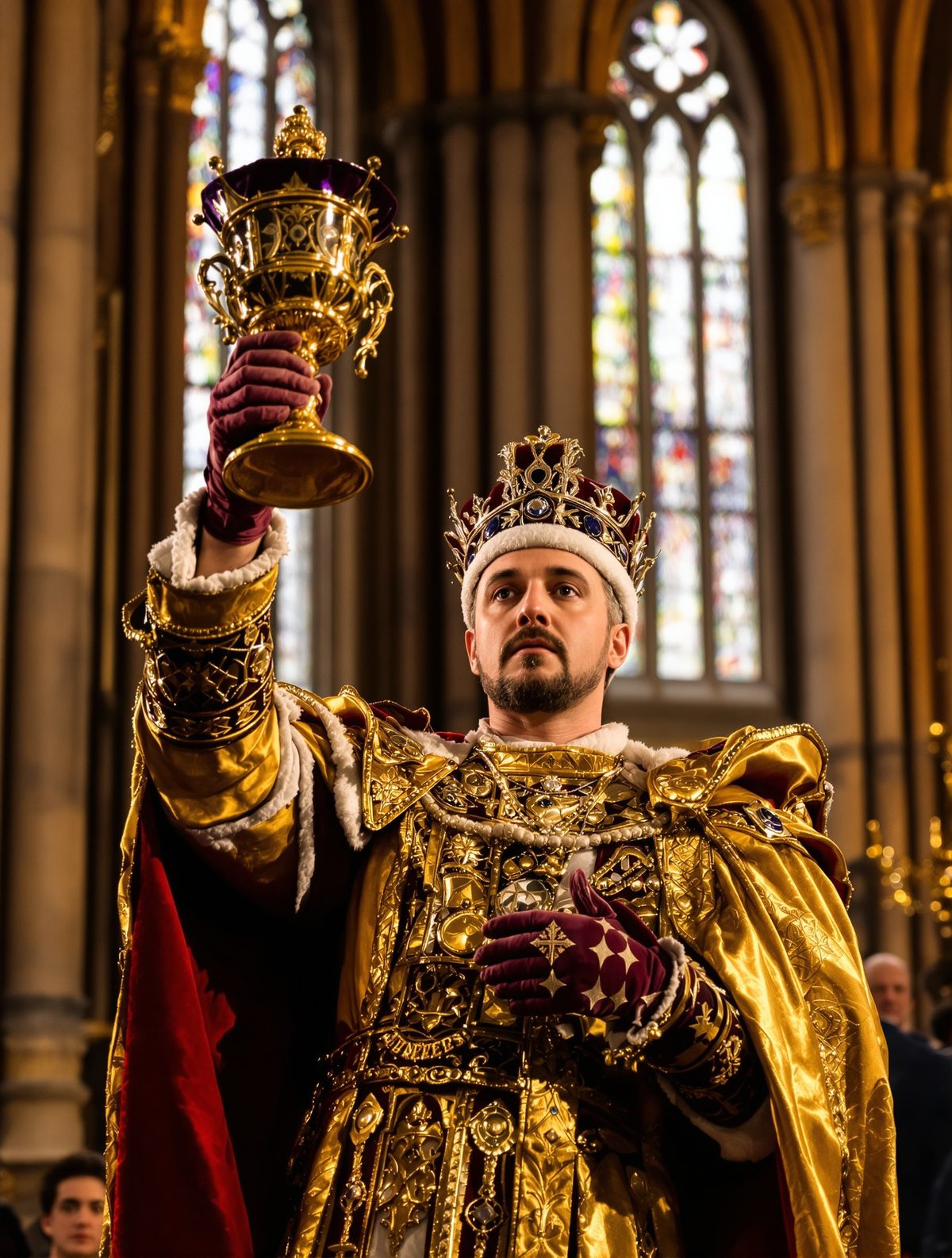
By 1821, Princess Sophia had witnessed a remarkable series of royal transitions that must have felt like salt in her wounds. Her eldest brother had finally become King George IV after serving as Prince Regent during their father's periods of mental illness. The coronation ceremony at Westminster Abbey that July was one of the most lavish and expensive in British history, costing the equivalent of millions in today's currency.
Sophia attended the ceremony, of course, but as a mere spectator in the congregation. Despite her royal blood being identical to her brother's, despite her decades of observing court politics and protocol, she was relegated to watching from the sidelines as he was anointed with holy oil and crowned with St. Edward's Crown.
Contemporary accounts suggest that Sophia was deeply affected by the ceremony. Palace servants noted changes in her routine shortly afterward, including requests for additional candles in her chambers and instructions not to be disturbed during late evening hours. What they didn't realize was that the princess had begun her own private ritual.
The tragedy of Princess Sophia's situation was emblematic of countless royal women throughout history—born to privilege but denied agency, educated enough to understand power but forbidden from exercising it.
The Midnight Coronations Begin
Historical records from Kensington Palace, including servants' journals and household accounts, provide tantalizing glimpses into Princess Sophia's nocturnal activities during the months following her brother's coronation. While we cannot know every detail of her private ceremonies, the evidence suggests a woman consumed by dreams of the recognition that would never come.
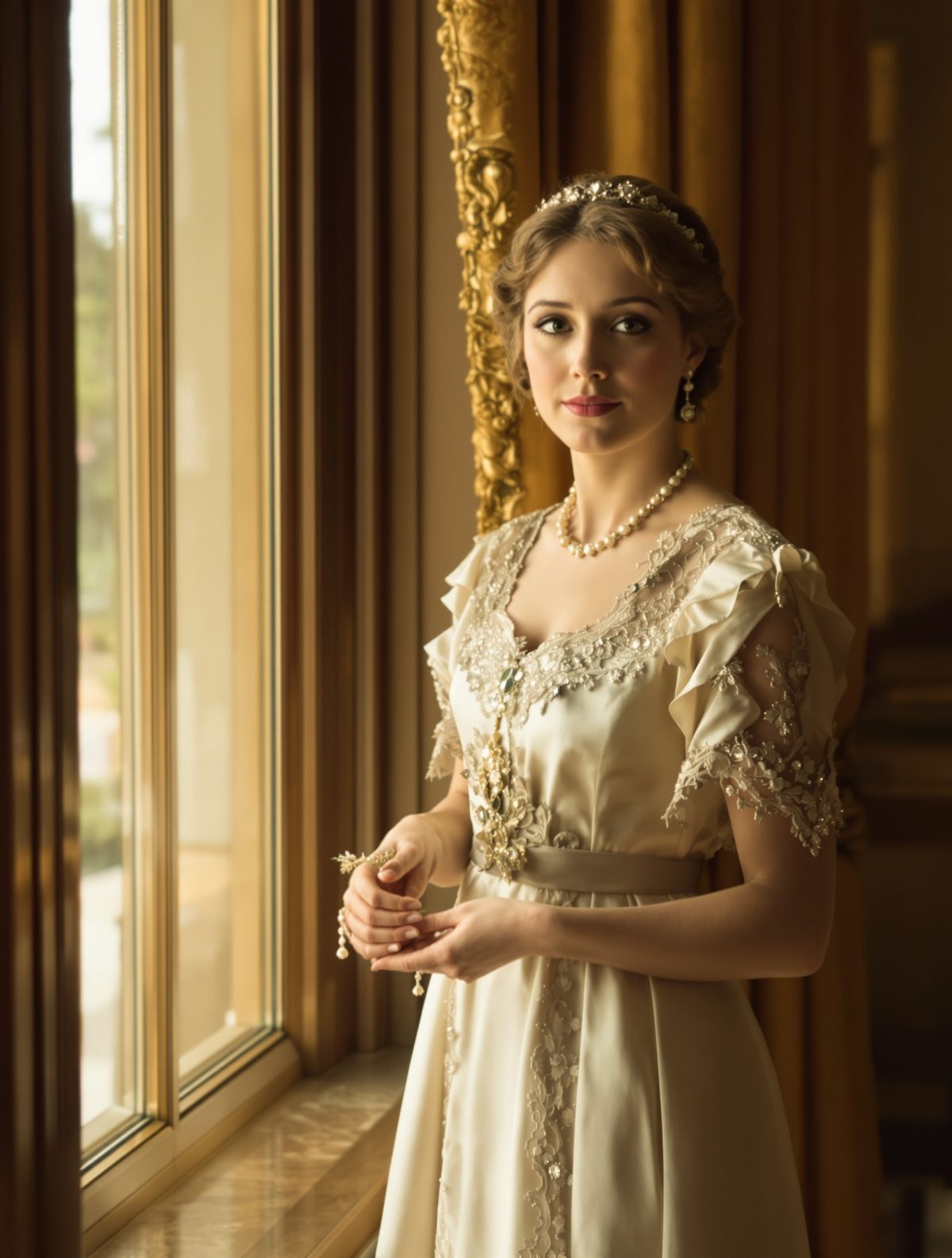
Each night, Sophia would dismiss her lady's maid earlier than usual, claiming fatigue. Once alone, she would light additional candles around her chamber, transforming the space into her own version of Westminster Abbey. Using a hand mirror as a makeshift orb and a jeweled hairpiece as a crown, she would perform what appeared to be elaborate coronation rehearsals.
The princess practiced the complex series of curtseys, bows, and processional movements that she had memorized from countless royal ceremonies. She would hold imaginary conversations with archbishops, practice receiving the crown with appropriate gravity, and even rehearse coronation oaths adapted for a queen regnant rather than a king.
These weren't the fantasies of a delusional woman, but rather the methodical preparations of someone who had studied monarchy her entire life. Sophia understood royal protocol better than most courtiers, having been raised within its strictures and observed its evolution across decades of Georgian court life.
Dreams of a Throne That Would Never Be
What drove an octogenarian princess to spend months rehearsing for a coronation that could never happen? The answer lies in understanding both the personal psychology of Princess Sophia and the broader context of royal succession in the 1820s.
King George IV was deeply unpopular and had no legitimate heir. His brothers, next in line to the throne, were aging and their own succession prospects uncertain. In the deepest chambers of her heart, Sophia may have harbored hopes that some extraordinary circumstance might elevate her to a position of real authority. Perhaps she dreamed of serving as regent for a young heir, or even of unprecedented changes to succession laws.
More likely, her midnight coronations represented something deeper: a profound need to experience, even in fantasy, the recognition and ceremony that had been denied to her throughout her life. After eight decades of being overlooked, dismissed, and marginalized despite her royal birth, these private rituals allowed her to inhabit, however briefly, the role she believed her bloodline and intelligence merited.
Palace records indicate that Princess Sophia's health began to decline in late 1821, around the time her nocturnal activities reportedly ceased. She would live another seven years, but never again would servants report the sound of footsteps and whispered oaths echoing from her chambers in the dead of night.
The Enduring Power of Royal Dreams
Princess Sophia died in 1848 at the remarkable age of 70, having lived to see her niece Victoria ascend to the throne as a young queen regnant. One can only imagine her feelings watching another woman—albeit from the next generation—achieve the kind of royal authority that had been unthinkable for daughters of George III.
Her story resonates today as we witness the continuing evolution of royal roles and gender expectations within the monarchy. The Succession to the Crown Act 2013, which ended male primogeniture and gave daughters equal inheritance rights as sons, would have been revolutionary to Princess Sophia. She lived in an era when royal blood alone wasn't enough—gender determined everything.
Those midnight coronation rehearsals at Kensington Palace represent more than one woman's private fantasy. They illuminate the dreams and frustrations of countless individuals throughout history who possessed the capability and desire for leadership but were denied opportunity by the circumstances of their birth and the limitations of their era. In her solitary ceremonies, Princess Sophia wasn't just practicing curtseys—she was asserting her own royal worthiness in the only way available to her.
Today, as we watch royal women take on increasingly prominent roles in public life, we might remember the forgotten princess who once crowned herself in the darkness, dreaming of recognition that would only come to future generations.