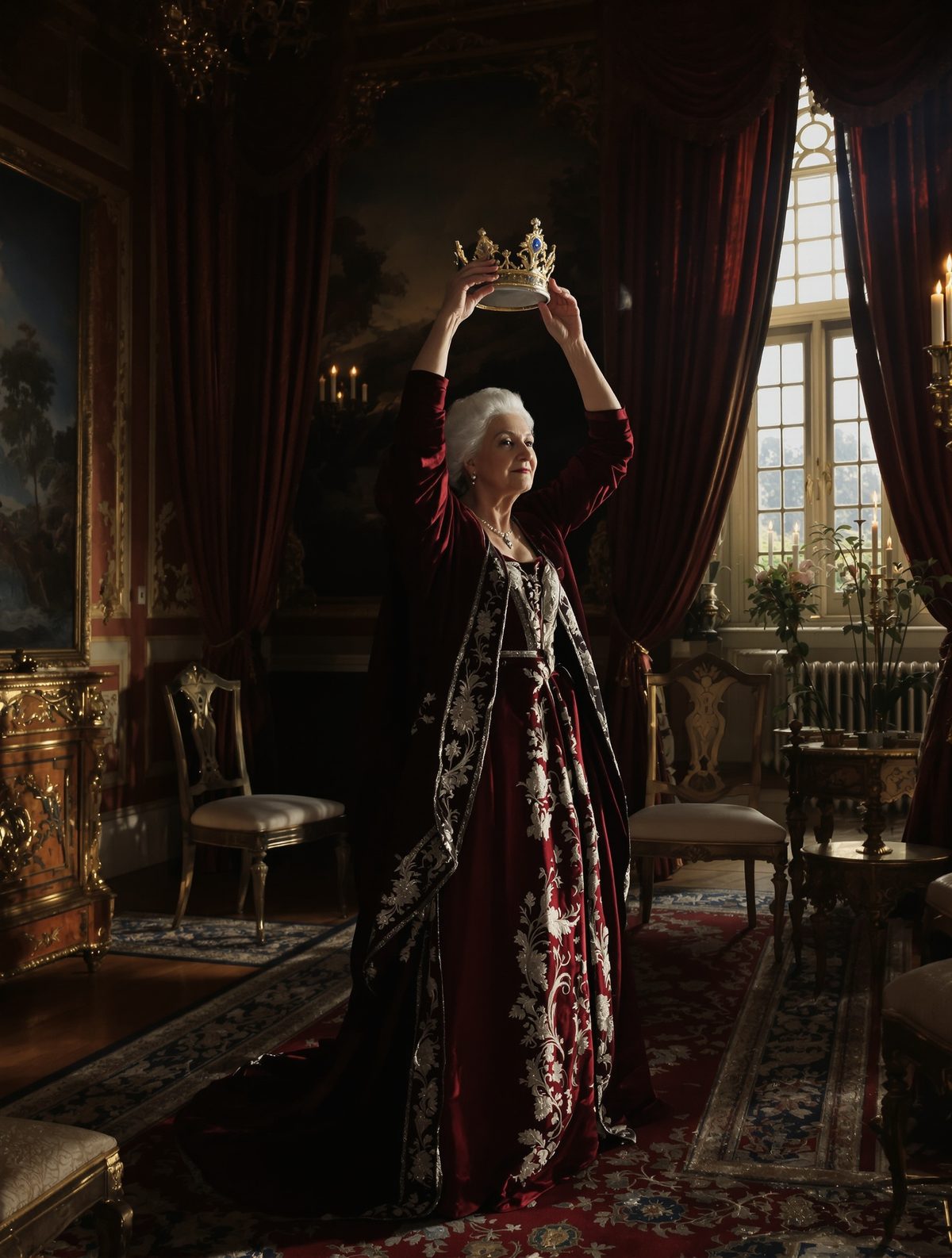
In the shadowed corridors of Windsor Castle during the 1820s, royal servants would whisper among themselves about their monarch's most private sorrow. Night after night, they discovered King George IV—a man known for his extravagant parties, lavish spending, and theatrical personality—engaged in a ritual so heartbreaking that even the most stoic members of his household found themselves moved to tears. The flamboyant king who had scandalized society with his excesses was, in the quiet hours past midnight, simply a grieving father who could not let go.
The Daughter Who Should Have Been Queen
To understand the depth of George IV's midnight vigils, one must first grasp the magnitude of what Britain lost when Princess Charlotte Augusta died in November 1817. At just 21 years old, Charlotte represented everything the monarchy desperately needed: she was beloved by the public, possessed a keen intelligence, and embodied the hope of a more modern, accessible royal family. Unlike her often-detested father, Charlotte had captured the nation's heart with her spirited personality and genuine warmth.
The princess had married Prince Leopold of Saxe-Coburg-Saalfeld in May 1816, a love match that delighted the British public. When news broke that she was expecting her first child, the entire kingdom celebrated. Here was the future of the monarchy growing within the womb of their cherished princess. The child would be second in line to the throne, and Charlotte herself would one day rule as queen.
But fate had other plans. After a grueling 50-hour labor, Charlotte delivered a stillborn son on November 5, 1817. The princess, weakened beyond recovery, died just hours later. In one devastating night, Britain lost both its future queen and the heir who would have secured the succession for generations to come.
A Kingdom in Mourning
The public response to Charlotte's death was unprecedented in its intensity. Shops closed their doors, church bells tolled across the land, and ordinary citizens wept openly in the streets. The Times captured the national mood, describing how "the very foundations of the social fabric seemed to tremble." It wasn't merely the loss of a royal—it was the death of hope itself.
For George IV, then still Prince Regent, the blow was both personal and dynastic. Despite their often turbulent relationship, he had genuinely loved his spirited daughter. Charlotte had been one of the few people who could stand up to his mercurial temperament, and her quick wit had both exasperated and delighted him. More crucially, she had represented his legacy, the continuation of his line, and the promise that the House of Hanover would continue through his bloodline.
The princess was laid to rest at St. George's Chapel, Windsor, in a ceremony that saw the future King William IV collapse from grief and the Duke of York weep uncontrollably. But even as the public mourning period ended, George's private anguish had only just begun.
The Secret Midnight Ritual
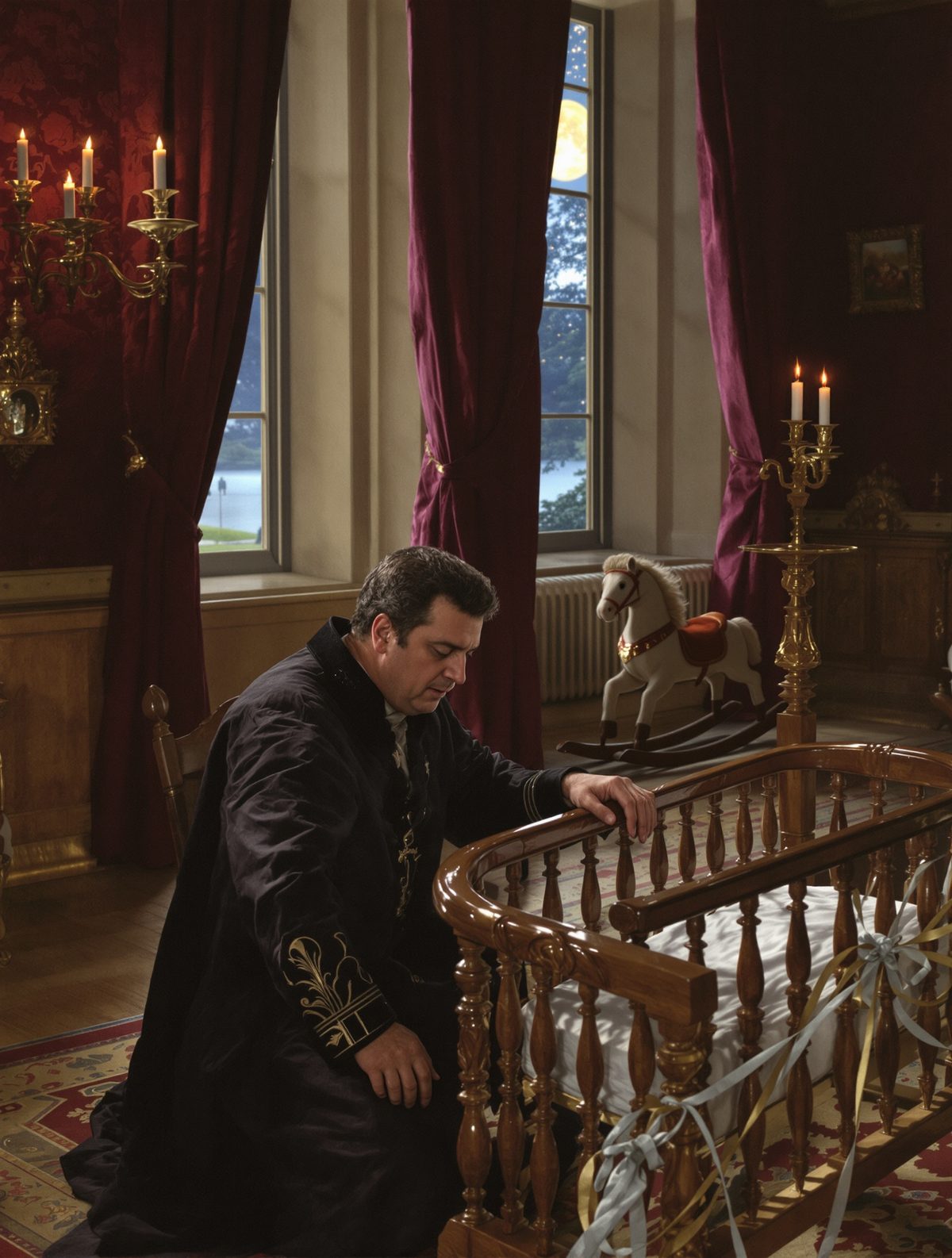
It was several months after Charlotte's death that the Windsor Castle servants first discovered their king's nocturnal wanderings. According to accounts passed down through royal household records and servant memoirs, George IV would slip from his chambers well past midnight, making his way through the castle's maze of corridors to reach what had been prepared as a nursery for Charlotte's expected child.
The room had been lovingly arranged in anticipation of the royal birth—a ornate cradle crafted from the finest materials, silk hangings in royal blue and gold, and toys befitting a future heir to the throne. After the tragedy, the household staff had expected orders to dismantle the nursery, but those orders never came. Instead, George insisted the room remain exactly as it had been prepared.
The servants' discoveries painted a picture of profound paternal grief. They would find the King seated beside the empty cradle, sometimes with tears streaming down his face, other times simply staring into the ornate bassinet as if he could will his grandchild into existence through sheer force of longing. The man who had built the extraordinary Royal Pavilion at Brighton and collected art worth fortunes was reduced to clutching a small blanket intended for a baby who never drew breath.
What moved the servants most deeply were reports that the King would speak softly to the empty cradle, sharing stories and gentle words as if comforting the child who should have been there. These weren't the dramatic pronouncements of a theatrical monarch, but the tender murmurings of a grandfather who would never have the chance to spoil his heir, never see Charlotte's eyes reflected in her child's face, never witness the continuation of his family line.
The Weight of Royal Grief
The King's midnight vigils continued for years, creating an atmosphere of melancholy that permeated Windsor Castle. Servants would arrange their duties to avoid disturbing these private moments, and a kind of protective conspiracy developed among the household staff. They understood that their often difficult and demanding monarch was, in these quiet hours, simply a broken-hearted father and grandfather.
The ritual took on particular poignancy given George IV's own complicated relationship with parenthood and family. His disastrous marriage to Caroline of Brunswick had been a public spectacle of mutual loathing, and Charlotte had often found herself caught between her warring parents. Now, with Charlotte gone and no legitimate heir to follow, George faced the reality that his branch of the family tree would end with him.
The empty nursery became a shrine not just to Charlotte and her stillborn son, but to all the might-have-beens that haunted the King. What kind of ruler would Charlotte have been? Would her child have grown up to modernize the monarchy in ways that George himself never could? These questions seemed to torment him during those midnight hours when the weight of crown and grief pressed down with equal measure.
A Legacy of Love Beyond Death
George IV's secret ritual reveals something profound about the nature of royal humanity that often gets lost in the pageantry and politics of monarchy. Here was a man who could command armies and shape nations, yet was powerless against the most fundamental of human experiences: the death of a beloved child. His midnight visits to that empty nursery strip away the layers of royal protocol and reveal a universal truth about grief and love.
The King's vigils continued until his own death in 1830, when the throne passed to his brother William IV—a succession that might never have been necessary had Charlotte lived. The nursery at Windsor was finally dismantled, but the memory of those midnight hours lingered in the castle's collective memory, a reminder that even kings are, at their core, simply human beings capable of profound love and devastating loss.
Today, as we witness the current Royal Family navigating their own share of joy and sorrow, George IV's midnight ritual offers a poignant reminder that the emotions that move us—parental love, grief, hope, and heartbreak—transcend both time and title. In those quiet moments beside an empty cradle, a king became simply a man, and perhaps that transformation was the most royal thing about him of all.