In the tumultuous wake of the Falklands War, as the British nation struggled to process loss and victory, some bereaved families received a deeply touching and unexpected gesture of empathy from the heart of the monarchy. Official condolences from the state were expected, but deeply personal and handwritten notes from Her Majesty Queen Elizabeth II herself were not.
A Monarch's Unseen Duty
In 1982, the United Kingdom experienced one of its most poignant military endeavors since World War II. The conflict over the Falklands Islands was brief yet brutal, leaving several British families to mourn the loss of their beloved sons, husbands, and fathers. While the nation grieved collectively, it was within private moments that Queen Elizabeth II, the stoic face of the British Empire, found an opportunity to connect on a profoundly personal level. Her handwritten condolence notes sent to the families of the soldiers who sacrificed their lives were not merely a matter of royal duty; they were a testament to her deep compassion and commitment to her people.
Beyond the grandeur of court life and stately affairs, the Queen possessed a delicate understanding of personal loss — a knowledge, no doubt, shaped by her own experiences during World War II. It was amidst this historical backdrop that the empathetic nature of Her Majesty was revealed. She chose to communicate heartfelt sorrow through the age-old tradition of a letter, a gesture that might have seemed small but carried immense weight in the hands of the recipients.
More than Just Ink and Paper
Why did a simple handwritten note resonate so powerfully? In a society increasingly moving towards electronic communication, the act of writing by hand is deeply personal. When the Queen personally crafted words for each grieving family, it demonstrated not just protocol, but genuine empathy. It was revealed that one particular widow was deeply moved not simply by the note itself, but by the fact that Queen Elizabeth II had taken the time to write her name in full, underscoring the personal attention given to this act of condolence.
"This was just one singular moment where a figure often seen from afar stepped into the intimate convictions of grief," said a close family friend of one of the fallen soldiers.
The royal family's role is often perceived as one of ceremonial representation, yet moments like these forged a bond that was more heart than ribbon. Through these handwritten notes, the Queen transformed the aloof grandeur of monarchy into a quiet force of healing and unity.
Royal Empathy: A Family Tradition
The British monarchy has a long history of making heartfelt gestures during times of national crisis, dating back centuries. When the country was ravaged by the Great Fire of London in 1666, King Charles II reportedly walked among his subjects to console and offer support. Following his example, Queen Elizabeth II modeled a more modern form of empathy, maintaining an active interest in the welfare of her subjects throughout her reign.
This humanity extends not just to formal occasions of national importance but seeps into quieter efforts, such as the Queen's participation in charitable causes and her interest in the lives of ordinary people. Her ability to empathize and offer heartfelt gestures of support formed a sustaining backbone that held the monarchy relevant through changing times.
A Living Legacy of Compassion
It is within the realm of these personal actions that the legacy of Queen Elizabeth II continues to be celebrated. While her royal duties often placed her in illustrious settings, her heart-centered actions like writing personal letters transform her from a symbol of state into an emblem of heartfelt connection. Such gestures offer a stark reminder that in our quest for progress and development, empathy and humanity must hold steadfast as guiding principles.
This handwritten note, along with countless others that followed, left an indelible mark. As the current day Royal Family continues to carry the torch, they do so knowing the enduring values established by Queen Elizabeth II's steadfast empathy. Through such individual yet deeply connected acts of kindness, the monarch has crafted enduring ties that know no boundaries of time or status. This history of empathy and grace means Queen Elizabeth II's reign will forever be remembered as one not just of majesty, but of significant human warmth.
Whether through grand gestures or simple acknowledgments of individual losses, it remains clear that the monarchy's strength is not born from its ceremonious display, but rather from profound, personal interactions such as those expressed through a handwritten note to a soldier's grieving family. A legacy, indeed, that shines brighter than polished silver and stretches across generations.
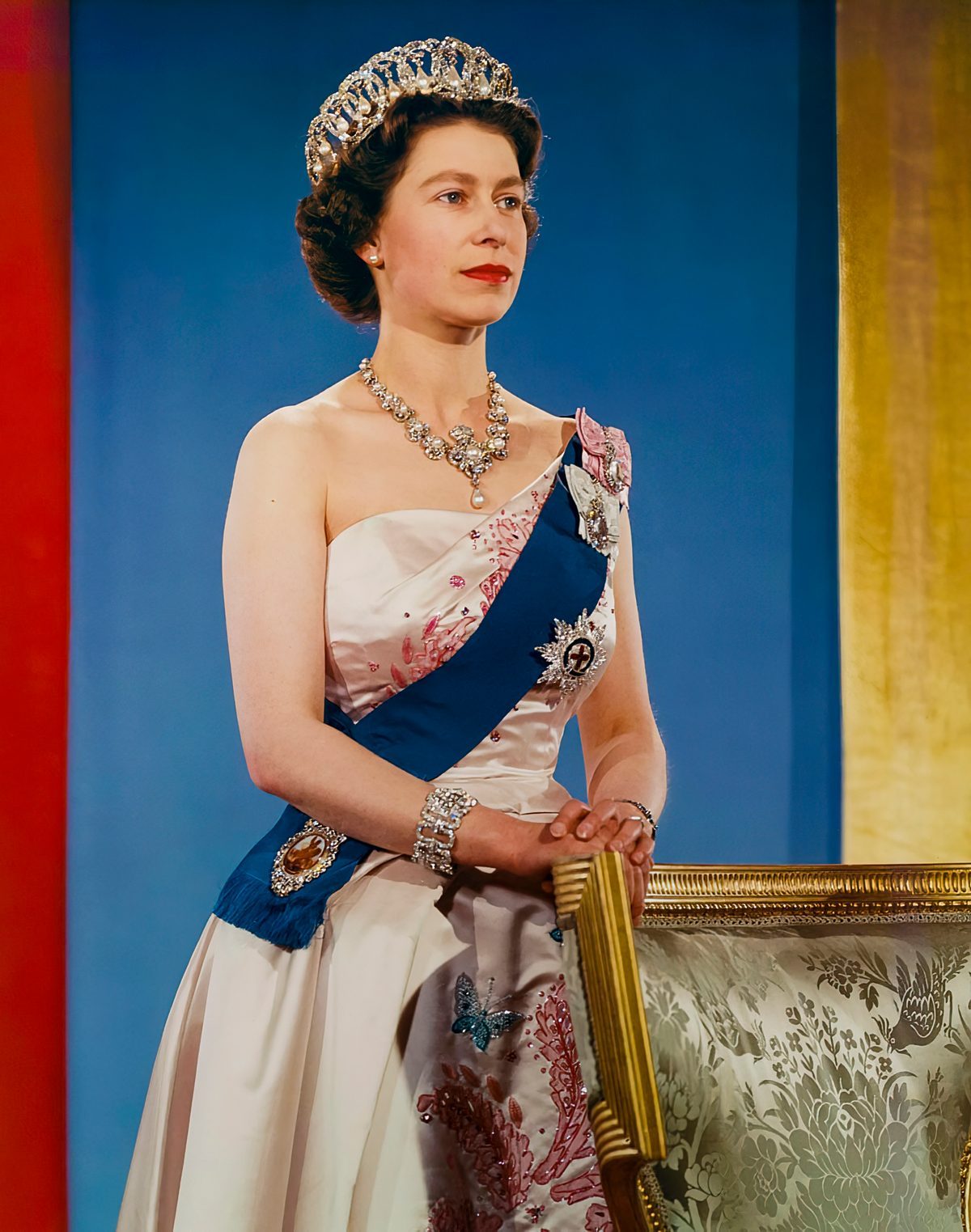
📷 Photo: Donald McKague. Public domain via Wikimedia Commons.