
A Royal Wedding in a Time of Rationing
In the austere years following World War II, Britons lived in a landscape shaped by shortages. Food, fuel, and most notably, fabric, remained tightly rationed. Against this backdrop stepped a young Princess Elizabeth, preparing for one of the most anticipated royal events of the decade: her wedding to Lieutenant Philip Mountbatten. The year was 1947, and while Britain was still recovering from the ravages of war, an air of excitement and hope surrounded the impending royal nuptials. Yet, unknown to many, Elizabeth's wedding dress would carry with it an unnoticed wartime legacy—a sartorial secret woven into its luxurious folds.
The People’s Coupons and a Rising Star
Despite her royal status, Princess Elizabeth was no stranger to the realities of wartime life. Fabric was a luxury, and like every other woman in Britain, Elizabeth had to collect ration coupons to secure the material she needed. Her diligence touched the hearts of a weary nation eager to participate in a joyous occasion. In an extraordinary display of public affection, ordinary Britons mailed their own precious coupons to Buckingham Palace, each envelope a testament to their admiration for the future queen.
Although these kind gestures warmed the young princess's heart, palace protocol dictated that she could not use the donated coupons. Nevertheless, the kindness displayed by her future subjects evidently left an indelible mark on the young Elizabeth, reinforcing the connection between the monarchy and the public even before she ascended to the throne. Demonstrating the house of Windsor’s characteristic adaptability, the palace handled this wellspring of generosity gracefully, ensuring all returned coupons reached their senders with heartfelt explanations.
The Gentleman Behind the Gown
The man tasked with bringing Princess Elizabeth’s wedding vision to life was Norman Hartnell, a favored designer among royals, known for his ability to imbue traditional designs with modern flair. Elizabeth’s dress would become a masterpiece symbolizing renewal and optimism. Hartnell’s creation was not only a piece of exquisite craftsmanship; it was a work of emotional resonance influenced by the socio-political climate of the time.
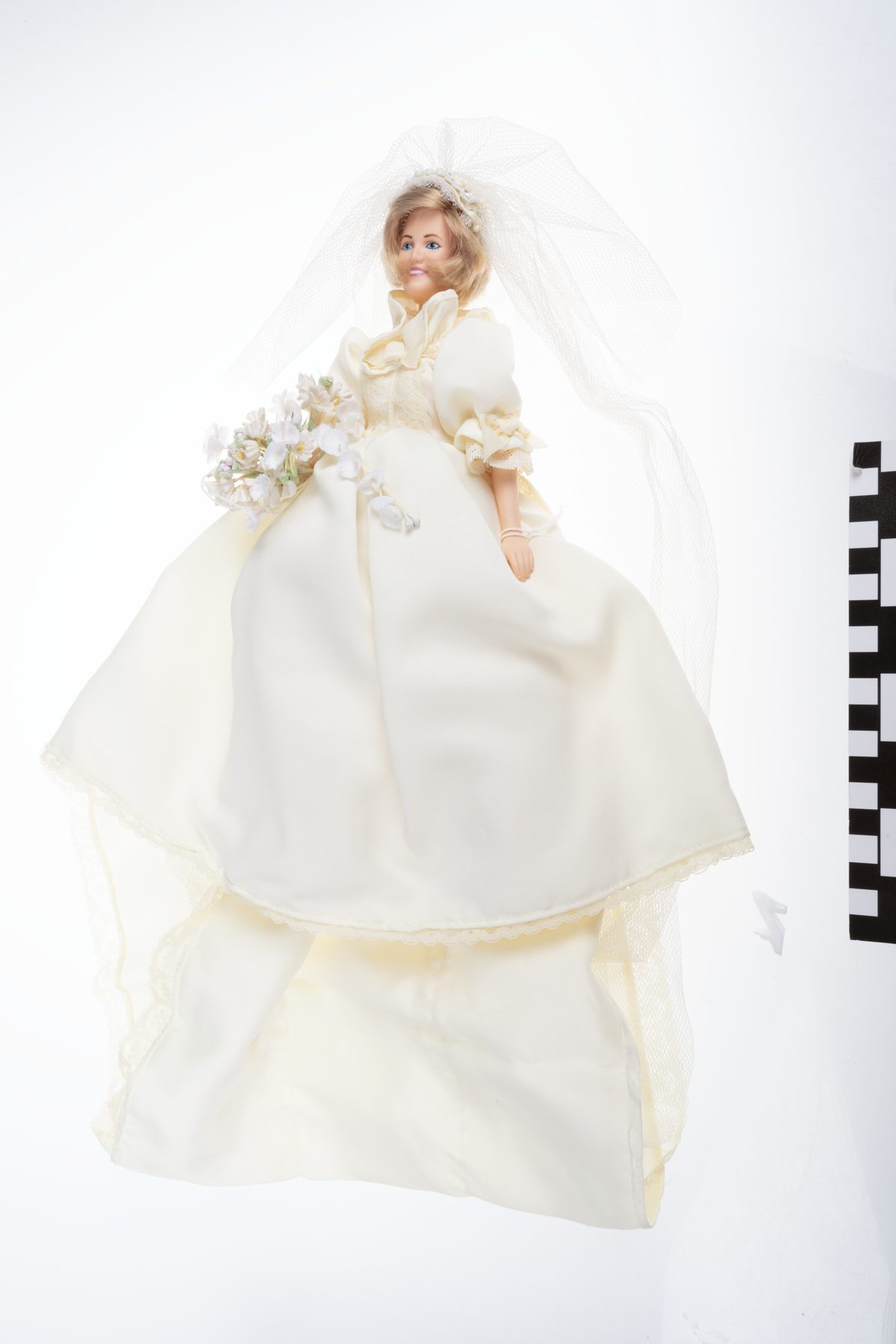
Hartnell's design was inspired by Botticelli's famous painting Primavera, intending to capture the rebirth and renewal that post-war Britain so desperately craved. The dress featured ivory silk satin detailed with stunning flower motifs, which were carefully embroidered with pearls and crystals. The luxurious fabric, slight sheen, and intricate detailing turned the garment into a wedding dress befitting a future queen, subtly speaking to the resilience of a nation rising from the shadows of war.
A Day That United a Nation
As the morning of November 20, 1947, dawned, a wave of excitement rippled through a nation eager to celebrate. From Westminster Abbey to the furthest reaches of the Commonwealth, people gathered around radios, newspapers, and whatever means available to them, each individual eager to catch a glimpse of the princess stepping into her new life.
The event was not only a spectacle but also a poignant reminder of enduring human connections. Moreover, Elizabeth's wedding day was a brilliant metaphor for a country's resilience, fostering a renewed sense of unity and hope for a brighter future. The ceremony was broadcast to 200 million radio listeners worldwide, a shared experience that transcended borders, reinforcing that the British royal family was indeed a symbol of continuity and within reach of its people.
Enduring Impact and Modern Connections
While the war has faded into the annals of history, the story of Queen Elizabeth II's wedding dress resonates to this day, emblematic of an era and the unassailable bond between the crown and its subjects. This act of collective generosity left an enduring imprint on Elizabeth’s reign, characterized by respect, unity, and forward-thinking benevolence.
Through decades, despite her extraordinary life and responsibilities, the late queen remained tethered to her people through such shared experiences. In these challenging contemporary times, the humanity enveloped in royal events reminds us of the connective tissue that binds societies, inspiring new generations to envision a legacy of resilience and unity.
As we reflect upon this remarkable moment in royal history, let us remember that compassion, when wielded collectively, weaves a tapestry that transcends time, leaving an indelible impression akin to the one sewn into the fabric of Queen Elizabeth II's wedding dress. It's an elegant reminder of how small acts of kindness can make a meaningful difference, forging bonds between monarchies and their people that stand the test of time.
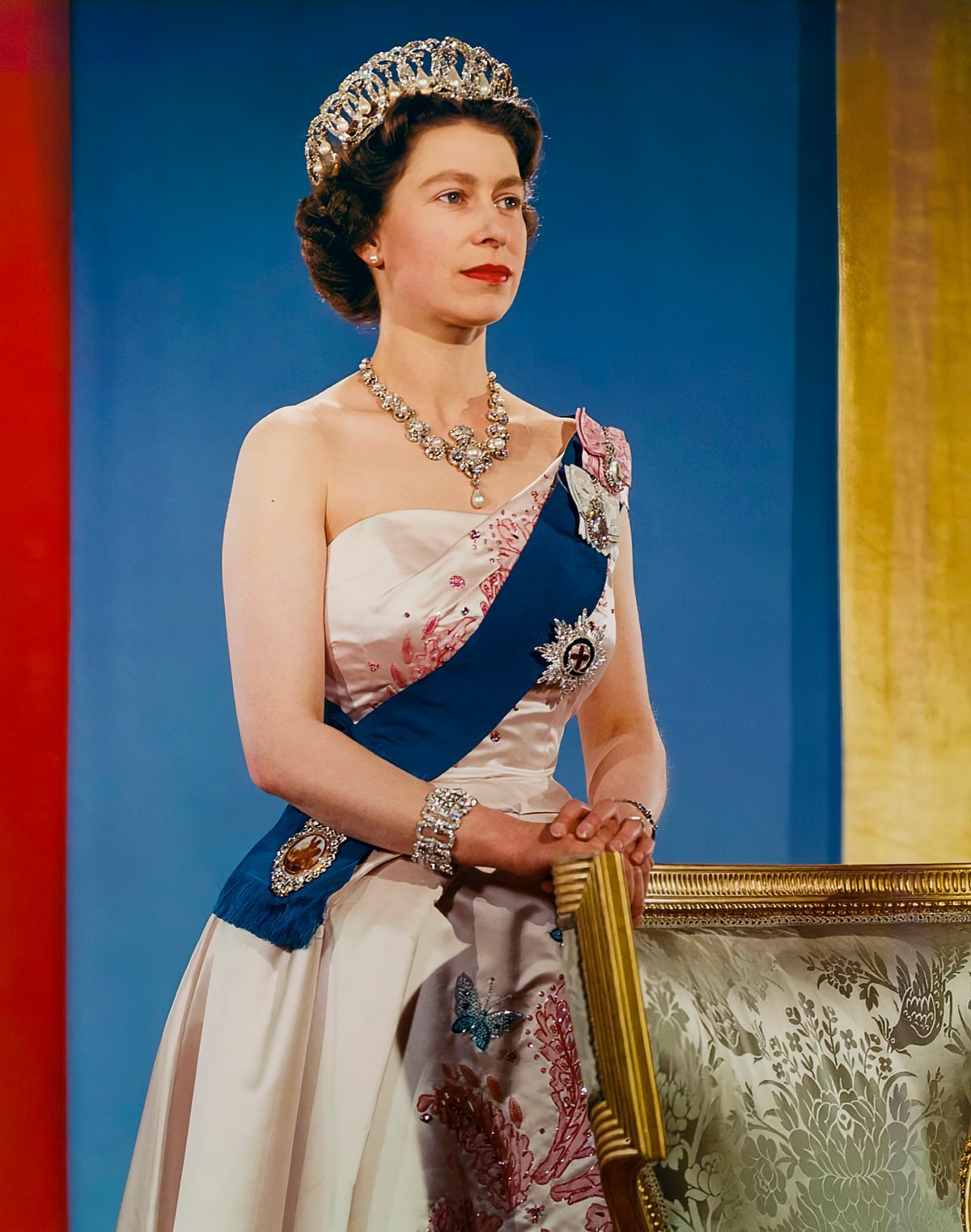
📷 Photo: Donald McKague. Public domain via Wikimedia Commons.