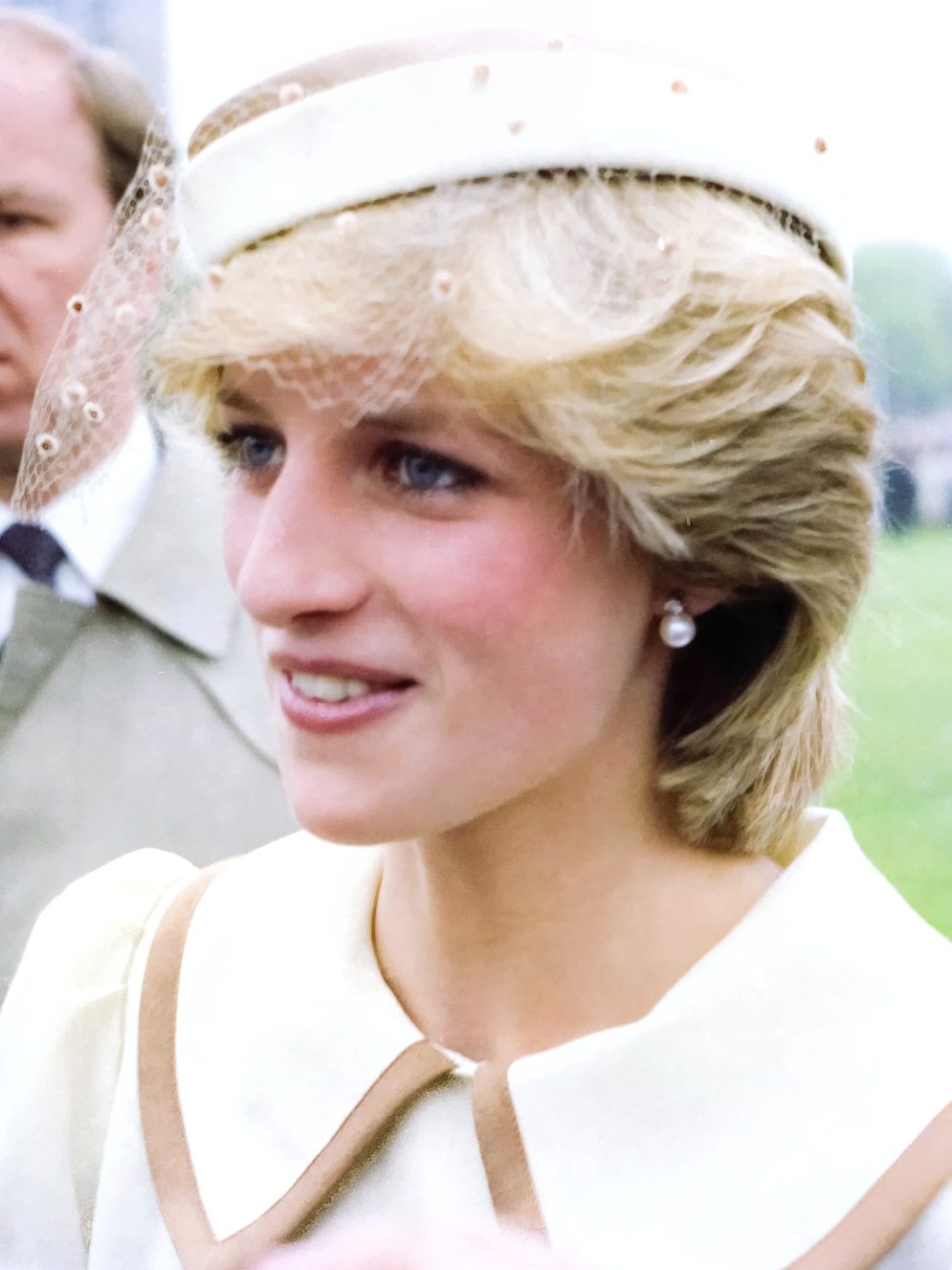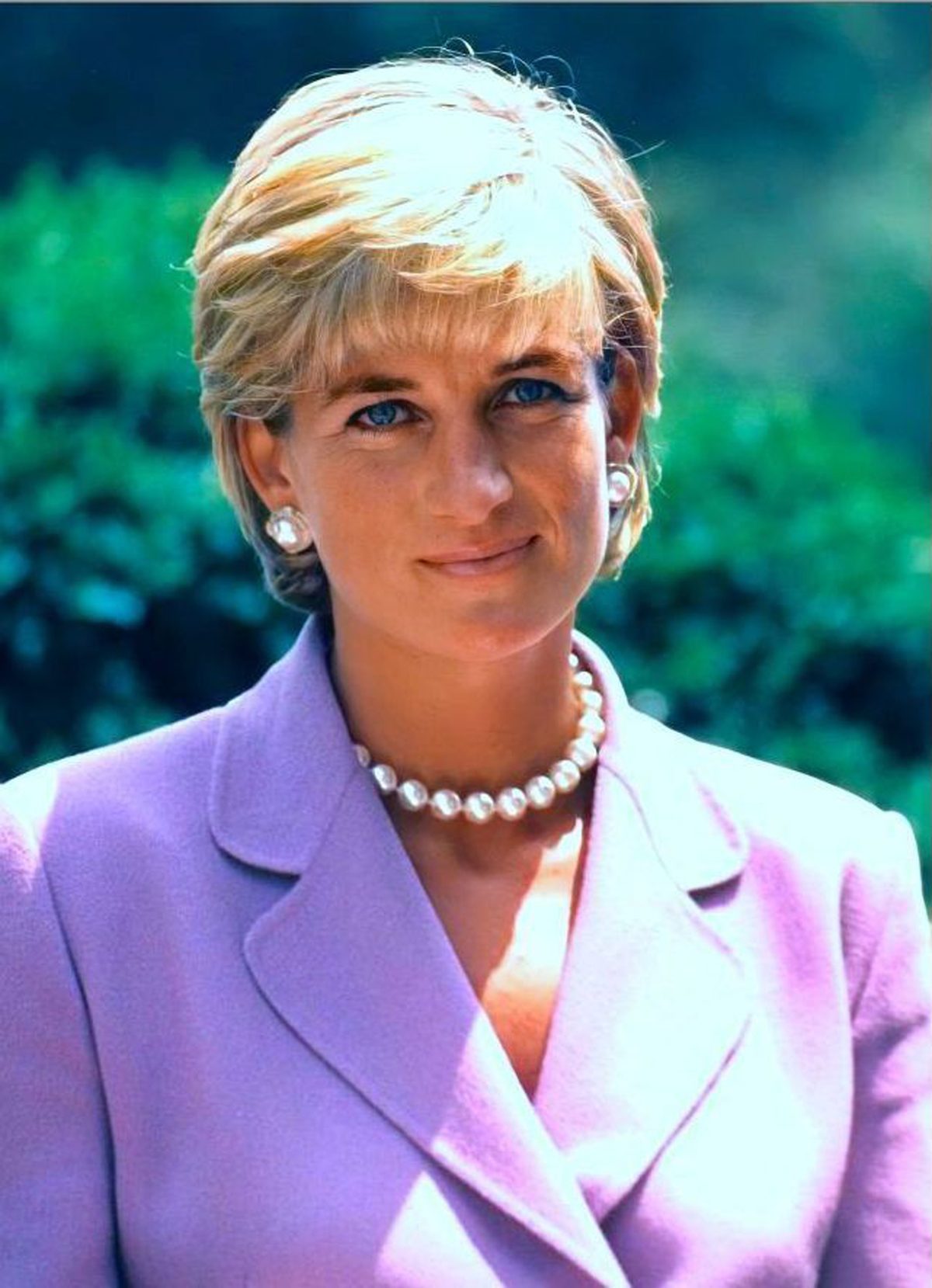
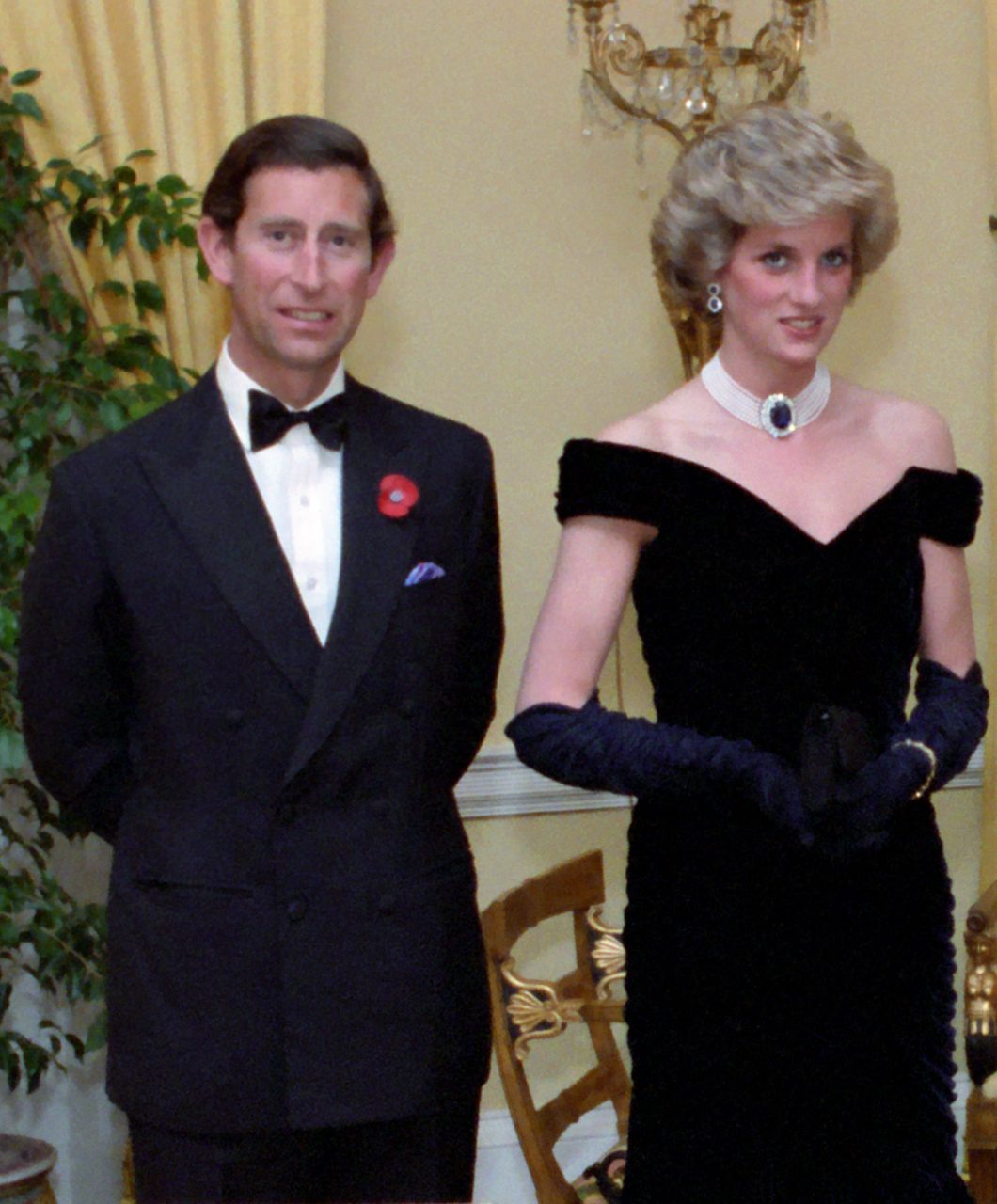
In a world governed by unstated hierarchies, where the grandeur of royal visits often overshadowed their purpose, one woman chose to break the mold. Princess Diana, with her innate sense of compassion and empathy, dared to cast aside the solemnity of protocol and embraced a simple act of kneeling—a gesture that left an indelible mark on the hearts of many.
The Moment That Defined a Princess
Royal protocols have long been a cornerstone of British monarchy. These unwritten rules dictated how a member of the royal family should behave during public visits: stand tall, greet with a poised handshake, and move steadily through the crowd. To follow these protocols was to uphold the dignity and distinction of the royal presence. Yet, during the 1980s and 1990s, Princess Diana of Wales chose to view these guidelines with the eyes of empathy rather than tradition.
Time and again, Diana demonstrated her disregard for distance in favor of connection. In hospital wards across the globe, she was seen not as a regal figure at a distance, but as a compassionate guardian of hope, bowing down to the children who battled illness, sorrows, and fears. With knees on the cold linoleum floors, Diana transformed royal visits into personal interactions. Her approach allowed sick children to momentarily forget the pain of their illnesses and, instead, feel truly seen by a princess who knelt to be at their eye level.
A Gesture Rooted in Humanity
The sight of a royal figure kneeling for anyone other than a fellow royal or perhaps a world leader was almost unheard of before Diana. Yet for her, greeting a child from their perspective was never meant to be symbolic; it was authentic and genuine. Perhaps it was their shared vulnerability that drew her closer to them. Diana, known widely as the "People's Princess," found solace and purpose in these connections. She preferred to rely on human touch and eye contact, bypassing the stiffness that often hovered over royal interactions.
Inside the sterile walls of hospitals and orphanages, Diana's empathy was on full display. Whether she was with children suffering from AIDS, cancer, or other life-altering conditions, Diana brought with her not just the attention of the media, but a warmth that could eclipse the coldest of wards. It was a powerful visual contradiction: a glamourous figure in designer wear kneeling on a hospital floor simply to be present with a child. Yet for Diana, it was more than a photo op; it was a moment of true connection.
Rewriting Royal Interaction
In the grandeur of palaces, the humility of Princess Diana's actions often contrasted with the magnitude of the institution she represented. Even at a young age, as she navigated the intricacies of royal life, including her marriage to Prince Charles, Diana had the unique ability to connect deeply with those she encountered. Her experiences informed her perspective on her role as a royal—and most importantly, as a mother. Diana's warmth and ability to relate to people from all walks of life were virtues that helped redefine what it meant to be royal.
Previously, royal visits were seen as formal affairs — a parade of professionalism rather than personal compassion. However, Princess Diana's inclination to kneel and speak to children at eye level paved the way for a more personable and accessible royal presence. These gestures inspired others within the royal family—and those around the world—to adopt similar approaches to public life. Today, this warmth and approachability continue to be emulated by her sons, Prince William and Prince Harry, in their own charitable endeavors.
The Legacy of Compassion
Princess Diana redefined the possibilities of royal responsibilities. Her heartfelt interactions became central to her lasting legacy, blazing a trail for modern-day royals who balance tradition with empathy. Diana's willingness to set protocol aside for meaningful interactions demonstrated that sometimes the simplest gestures hold the most profound impact. Her legacy of kneeling demonstrated the power of humility within the grandiosity of royalty, weaving a narrative of compassion into the very fabric of royal duties.
Even decades later, the image of Diana on her knees in front of a child remains emblematic of her enduring influence. It speaks to the heart of what it means to use one's influence for greater compassion and understanding. While Diana's time may have been tragically short, the compassion she championed continues to pulse through the royal family and beyond. Her memory is safeguarded in the whispers of gratitude from those she touched, both young and old.
In many ways, Diana's ability to transcend the boundaries of royal rigidity and embrace vulnerability continues to inspire. As we reflect on her legacy today, we are reminded that the heart of the monarchy is found not just in the pomp and circumstance, but also in those quiet, profound moments of human connection—where a princess could kneel to make everyone feel royally seen.
📷 Photo: Series: Reagan White House Photographs, 1/20/1981 - 1/20/1989 Collection: White House Photographic Collection, 1/20/1981 - 1/20/1989. Public domain via Wikimedia Commons.