Queen Victoria: A Monarch and a Mother
Queen Victoria, a figure of imposing dignity and strength, was known for her resolute command over the British Empire. However, behind closed palace doors, she was more than a sovereign; she was a woman of depth, passion, and remarkable maternal instinct. In the 1880s, during a time of delicate political upheaval and personal turbulence, these qualities collided in a letter that offers a rare glimpse into the unyielding will of a queen who felt deeply and spoke her mind fearlessly.
This particular correspondence, directed at her Prime Minister, William Ewart Gladstone, unfurls the dramatic intersection of personal emotion and public duty. Our story takes a turn in 1882, when Victoria, driven by concern as a mother, penned a letter so blisteringly personal that her secretary hesitated to dispatch it. Nevertheless, in an act emblematic of her reign, the Queen insisted it reach its destination.
The Context: A Queen's Concerns
The relationship between Queen Victoria and William Gladstone was complex, oscillating between mutual respect and evident frustration. Gladstone, known for his liberal policies and rigorous approach to governance, often found himself at odds with the Queen's more conservative outlook. This particular episode in their interaction was spurred by concerns for her son, the Prince of Wales, Albert Edward—or Bertie, as he was affectionately known within the family.
During the early 1880s, the Prince of Wales was embroiled in a scandal that revolved around his associations and social escapades, threatening the monarchy's image. Such incidences were not uncommon in Bertie's youth, but they seemed increasingly to test the patience of his devoted mother. She feared that the whispers in society might imperil not only her son's reputation but also the steady legacy of the monarchy she so fiercely guarded.
A Letter Infused with Fury
It is in this milieu that Victoria drafted her fiery letter. The Queen was convinced that decisive intervention was necessary—particularly from her Prime Minister, whose duty she believed included the defense and promulgation of royal dignity alongside national matters. Her words were not just a sovereign's directive but a mother's impassioned plea.
“Mr. Gladstone,” she is recorded to have admonished, imploring for immediate action and discretion to prevent any further embarrassment. This was not mere political intrigue, but a visceral human response—a protective mantle over her beleaguered child.
Such directness was unusual and, from her secretary's perspective, imprudent. Yet, for Queen Victoria, there was no room for delay or decorum when it came to her children's welfare. The Secretary’s reluctance stemmed from the raw severity of the language, which promised to stir rather than soothe political waters—or perhaps, from trepidation over the ripple effect it might cause across the British political sphere.
Inside the Royal Court
Even in the intimate corridors of Buckingham Palace and Windsor Castle, there were few who could challenge Victoria's resolve. Her court, from high-ranking officials to personal attendants, knew well the potent mix of duty and intensity that defined her reign. Queen Victoria's striking ability to navigate the turbulence of both public responsibilities and personal sentiments was profound.
The Queen's relationship with her children was intrinsically interwoven with her responsibilities as monarch. Known to be a stringent mother, Victoria's high expectations often saw her children carrying the weight of the crown's reputation heavily on their shoulders. But beneath the rigidity was a profound affection and an unwavering dedication to their well-being, encapsulated by moments like these, where the "Grandmother of Europe" penned with fiery care.
Legacy of the Monarch's Humanity
In the annals of history, Victoria's indignant letter serves as a testament to her humanity—a rare documentation of royal vulnerability transcending the veils of monarchy. Speaking candidly from the heart, the letter navigated its way into the political arena with unmistakable impact, a proof of her determination to shield her kin. Such actions remind us that even the most storied crown rests upon human shoulders.
Royal history often reverberates far beyond its immediate context. In modern recollections, Queen Victoria is heralded not only for the vast empire she ruled over but for the personal stories that underline her reign's vast tapestry. Her letter to Gladstone invites us to see the monarchy as a living entity—an enduring symbol of tradition framed within human emotion and experience.
Victoria's legacy, layered with tales of thoughtful governance and instances of heartfelt candidness, continues to captivate and inspire. This moment from the 1880s, where a mother's fiery pen held sway over political landscapes, reinforces the intimate connection between the royal families of today and their storied heritage. Whether in public spectacle or private diligence, the monarchy's timeless allure lies within the nobility of its humanity—a reminder that, at its heartfelt best, the throne is not merely a seat of power but a seat of love.
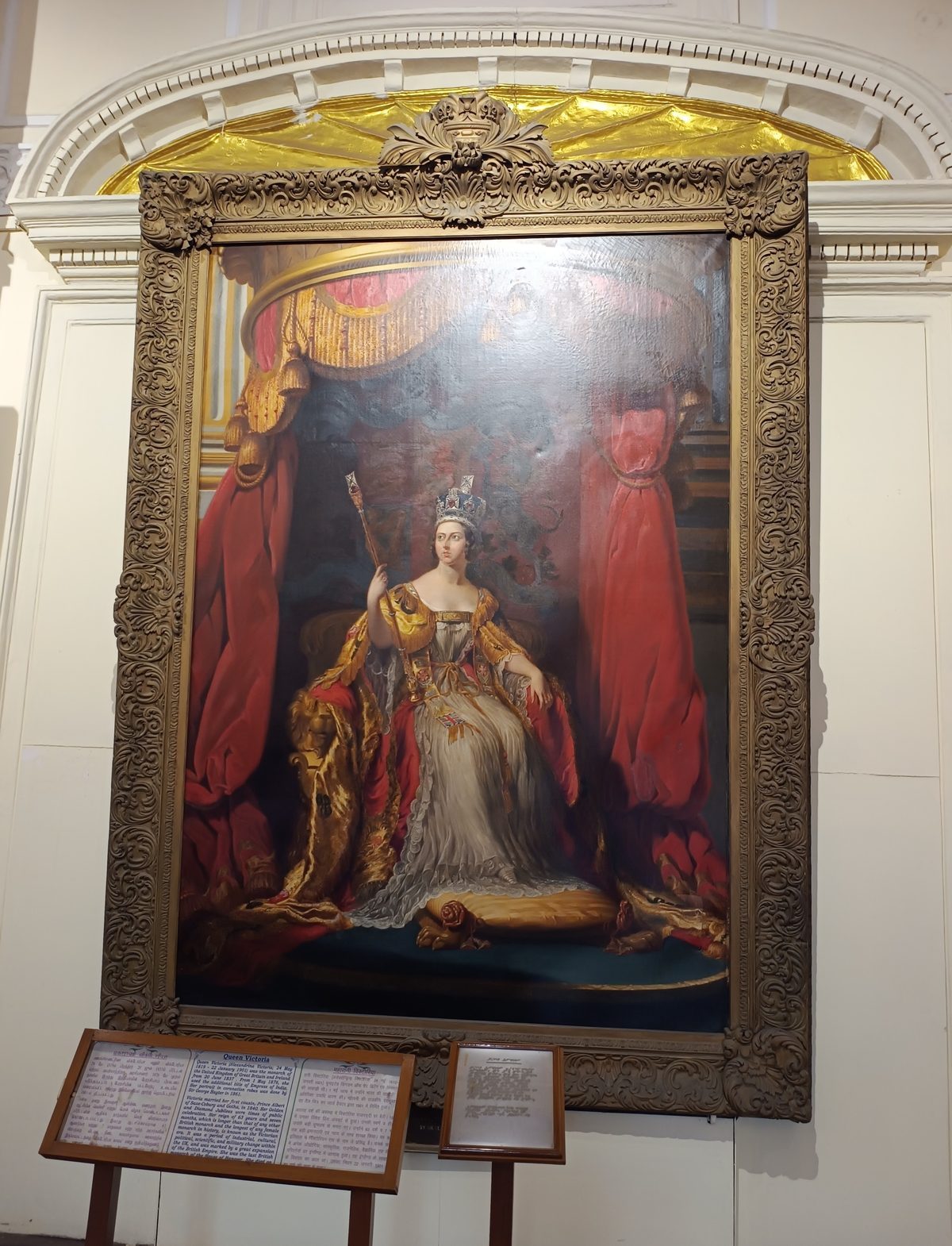
📷 Photo: N. Vivekananthamoorthy. CC BY 4.0 via Wikimedia Commons.