Behind the elaborate ruffs and glittering jewels of Elizabeth I's court lay a shocking secret that made foreign diplomats recoil in horror. The Virgin Queen, who commanded the seas and defeated the Spanish Armada, harboured a weakness so powerful it left permanent, visible marks on her person. Her love affair with sugar—specifically the elaborate sweetmeats that graced her tables daily—created a spectacle that both fascinated and appalled those who witnessed it firsthand.
The Sweet Revolution in Tudor England
When Elizabeth ascended the throne in 1558, sugar was transforming from a rare medicinal spice into the ultimate luxury commodity. Unlike her predecessors who savoured honey-based confections, Elizabeth ruled during sugar's golden age. Venetian merchants and Portuguese traders brought crystalline white sugar from distant colonies, making it more accessible to the English court than ever before.
The royal kitchens at Greenwich, Whitehall, and Hampton Court buzzed with activity as confectioners crafted increasingly elaborate sweetmeats—intricate sugar sculptures, candied fruits, and marzipan masterpieces that served as both dessert and entertainment. These weren't simple sweets; they were edible works of art. Sugar paste was moulded into miniature castles, heraldic beasts, and even playing cards that guests could admire before devouring.
For Elizabeth, these confections represented more than mere indulgence. Sugar symbolised England's growing maritime power and international trade connections. Every bite demonstrated her kingdom's prosperity and reach across the globe. The Queen's enthusiasm for sweetmeats became legendary among courtiers, who quickly learned that offering Her Majesty a particularly exquisite sugar creation was one path to royal favour.
A Royal Addiction Takes Hold
What began as courtly pleasure evolved into something far more concerning. Elizabeth's daily routine invariably included multiple servings of sweetmeats between meals. Contemporary accounts describe her snacking on sugar plums during Privy Council meetings and keeping dishes of candied violets within arm's reach during audiences.
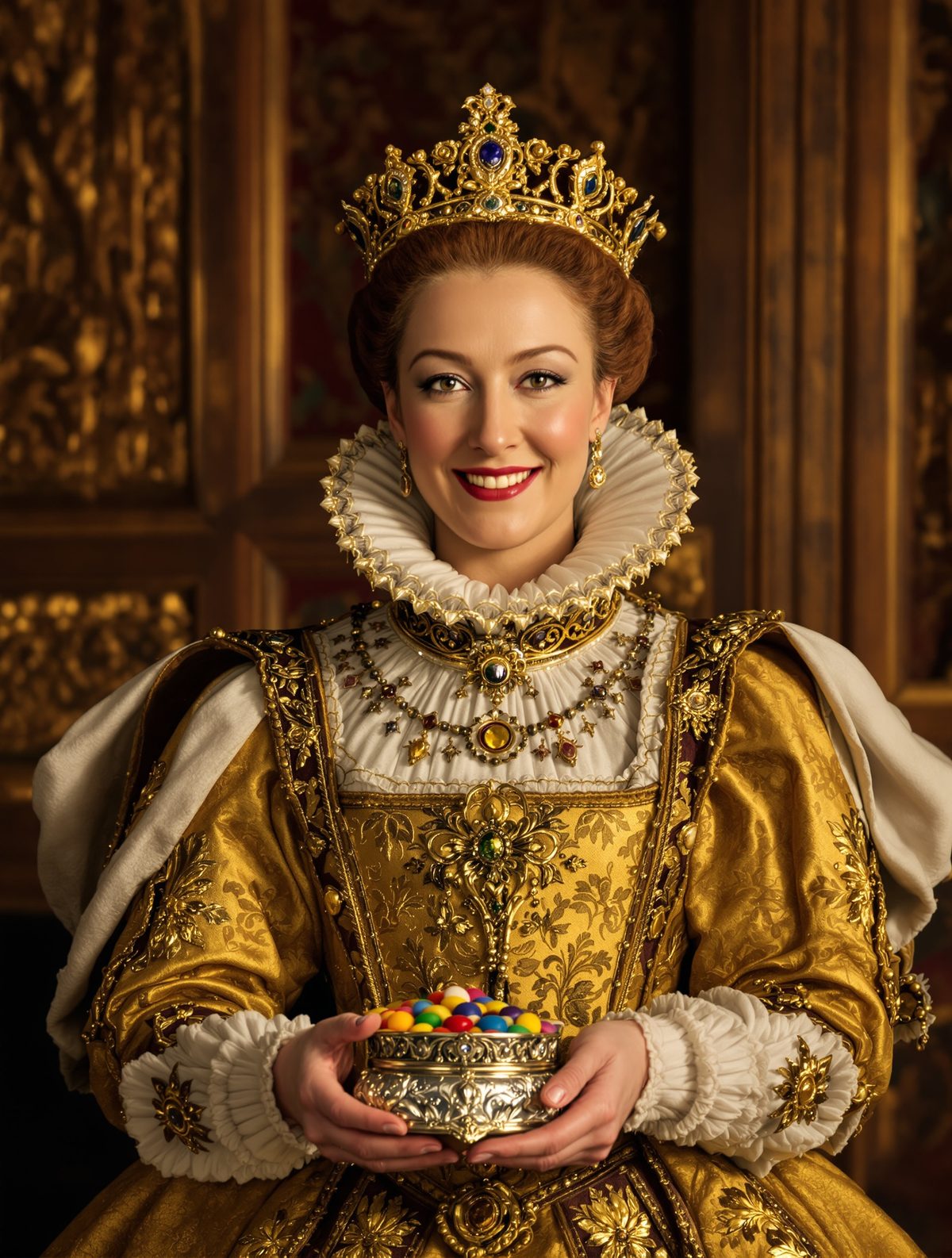
The Queen's ladies-in-waiting grew accustomed to her Majesty's requests for "something sweet" at all hours. Even during formal state occasions, Elizabeth would discretely nibble on marzipan figures or sugar-coated almonds. Her portable sweet boxes, crafted by the finest London goldsmiths, accompanied her on every royal progress through the countryside.
Dr. Rodrigo Lopez, one of the Queen's physicians, reportedly expressed concern about her consumption levels as early as the 1570s. However, Elizabeth dismissed such worries with characteristic imperious humour, declaring that queens were made of sterner stuff than ordinary mortals. Her devotion to sweetmeats seemed to intensify with age, perhaps offering comfort during the lonelier years of her reign.
The Horrifying Transformation
By the 1590s, the devastating effects of Elizabeth's sugar obsession became impossible to hide. Foreign ambassadors wrote detailed—and shocked—reports to their home courts describing the Queen's dramatically altered appearance. The German visitor Paul Hentzner noted with barely concealed dismay that Her Majesty's teeth had turned completely black, a stark contrast to the pearl-white complexion she maintained through careful cosmetics.
French ambassador André Hurault observed that Elizabeth had taken to speaking with her mouth barely open, apparently conscious of her transformed smile. When she did laugh—which remained frequent, as the Queen retained her legendary wit—courtiers reported that visiting dignitaries would visibly start at the sight of her darkened teeth.
The decay wasn't merely cosmetic. Contemporary accounts suggest Elizabeth suffered considerable dental pain, which may explain her increasingly volatile moods during this period. Some historians theorise that her famous rages against courtiers who displeased her were exacerbated by constant discomfort from her deteriorating teeth.
Most alarming of all, several of her physicians warned that the sugar consumption was affecting her overall health. Reports from the period mention periods of weakness and digestive troubles that court doctors directly attributed to her sweetmeat habit. Yet Elizabeth remained defiant, viewing any attempt to limit her sugar intake as an unacceptable constraint on royal prerogative.
Court Diplomacy and Royal Vanity
The Queen's blackened teeth created unexpected diplomatic challenges. Foreign ambassadors, accustomed to formal court protocols, struggled to maintain composure during audiences. Some requested preliminary meetings with English courtiers to prepare themselves for the shock of Elizabeth's appearance.
Elizabeth, ever shrewd about her image, developed elaborate strategies to minimise the visual impact. Court painters were instructed to depict her with closed lips in all official portraits from this period. The famous Rainbow Portrait and other late works show the Queen with a mysterious, tight-lipped smile that concealed her dental troubles while maintaining her regal mystique.
Her ladies-in-waiting became expert at positioning themselves and adjusting lighting to flatter their mistress during formal occasions. The Queen's legendary vanity—she owned over 2,000 dresses and spent fortunes on cosmetics—extended to creative solutions for her sweetmeat-induced challenges.
Despite the obvious problems, Elizabeth refused all suggestions to moderate her sugar consumption. When Dr. Lopez dared to suggest limiting sweetmeats to special occasions only, the Queen reportedly declared that she would rather lose ten years of life than sacrifice her daily pleasures. Her determination to continue this dangerous habit spoke to both her strong will and the genuinely addictive nature of sugar.
The Ultimate Price of Royal Pleasure
Elizabeth's sweetmeat obsession offers a fascinating glimpse into the human side of one of England's greatest monarchs. Here was a woman who faced down the Spanish Armada and ruled for 45 tumultuous years, yet couldn't resist the simple pleasure of sugar confections—even when the consequences became painfully obvious.
Her story resonates remarkably with modern understanding of sugar addiction and its health impacts. Four centuries before scientists identified the biochemical processes that make sugar genuinely addictive, Elizabeth experienced firsthand the difficulty of breaking free from its grip. Her struggle reminds us that even the most powerful individuals can be vulnerable to very human weaknesses.
The Virgin Queen's legacy encompasses military triumphs, cultural flowering, and political genius—but her sweetmeat obsession reveals the relatable figure behind the crown. In an age when royal image management has become sophisticated beyond Elizabeth's wildest dreams, her story serves as a charming reminder that authenticity, including human frailties, often proves more endearing than perfection. Her willingness to prioritise personal pleasure over diplomatic appearances perhaps reflects the confidence of a truly secure monarch—one who knew her worth extended far beyond her smile.