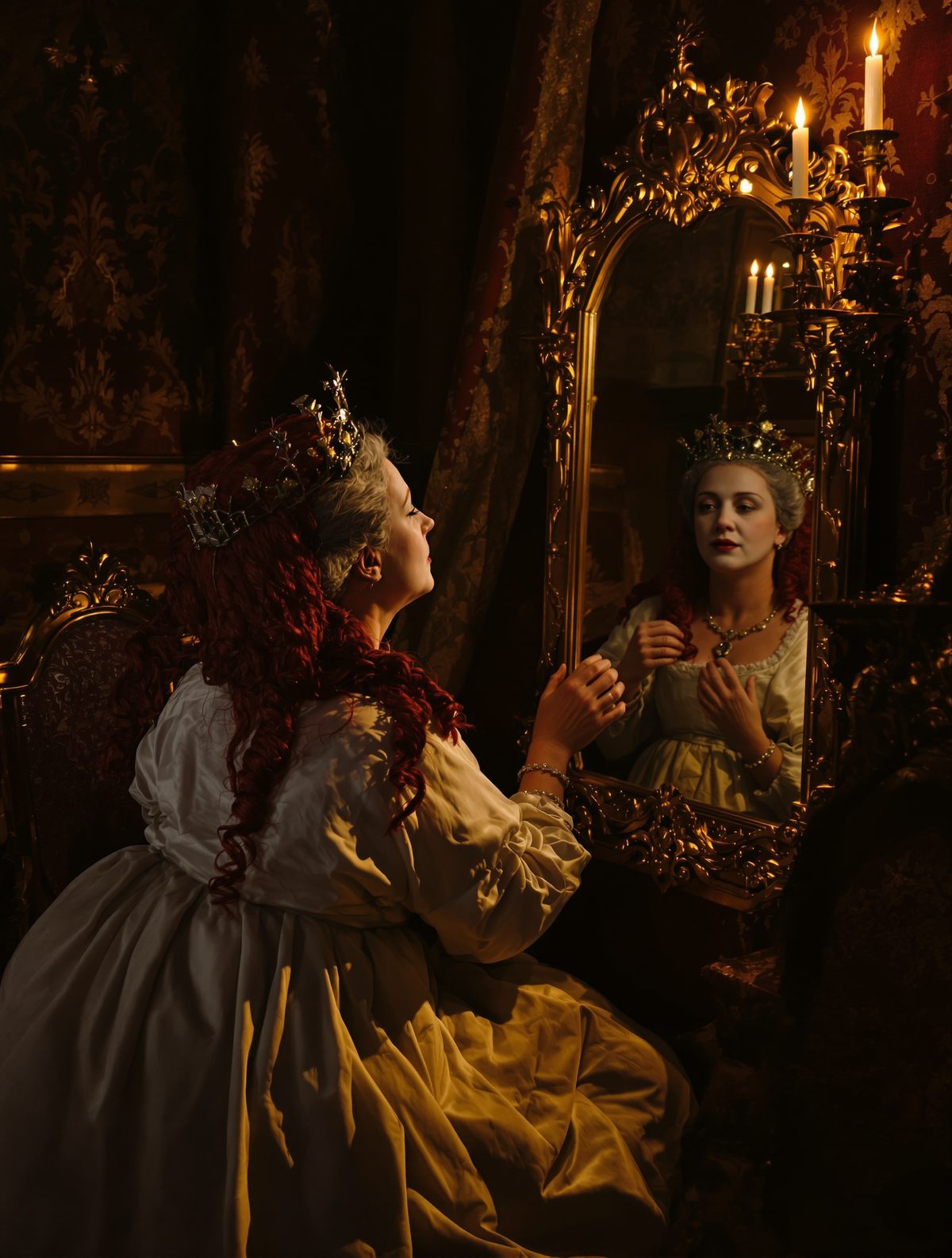
Behind the glittering public image of the Virgin Queen lay a deeply private ritual that revealed her greatest vulnerability. Every evening, Elizabeth I would dismiss her servants and face a mirror alone, confronting the reality behind her legendary red curls. What transpired in those solitary moments would horrify the few ladies-in-waiting privileged enough to witness it, binding them to a secret that protected the very essence of Tudor majesty.
The Weight of the Crown
By the 1590s, Queen Elizabeth I had ruled England for over three decades, transforming a fractured nation into a formidable European power. Yet beneath the elaborate court dress and towering wigs that had become her trademark, the monarch bore the physical toll of her extraordinary reign. At sixty years of age, the woman once celebrated for her lustrous auburn hair had suffered severe hair loss, leaving her nearly bald—a devastating blow for a queen whose image was as carefully crafted as her policies.
The causes of Elizabeth's hair loss remain debated by historians, though several factors likely contributed to her condition. The lead-based cosmetics favoured by Tudor nobility, including the ceruse face paint that gave her the fashionable pale complexion, contained toxic substances that could damage hair follicles over prolonged use. Additionally, the stress of governing during one of England's most turbulent periods—facing threats from Catholic plotters, Spanish invasion, and constant pressure to marry—would have taken its toll on her physical health.
Court physicians of the era had little understanding of hormonal changes that affected women as they aged, and the primitive medical knowledge of the time offered few remedies. For a queen whose unmarried status had already made her the subject of intense scrutiny and speculation, the loss of her hair represented more than mere vanity—it threatened the carefully constructed image of eternal youth and vitality that had become central to her political authority.
The Architecture of Illusion
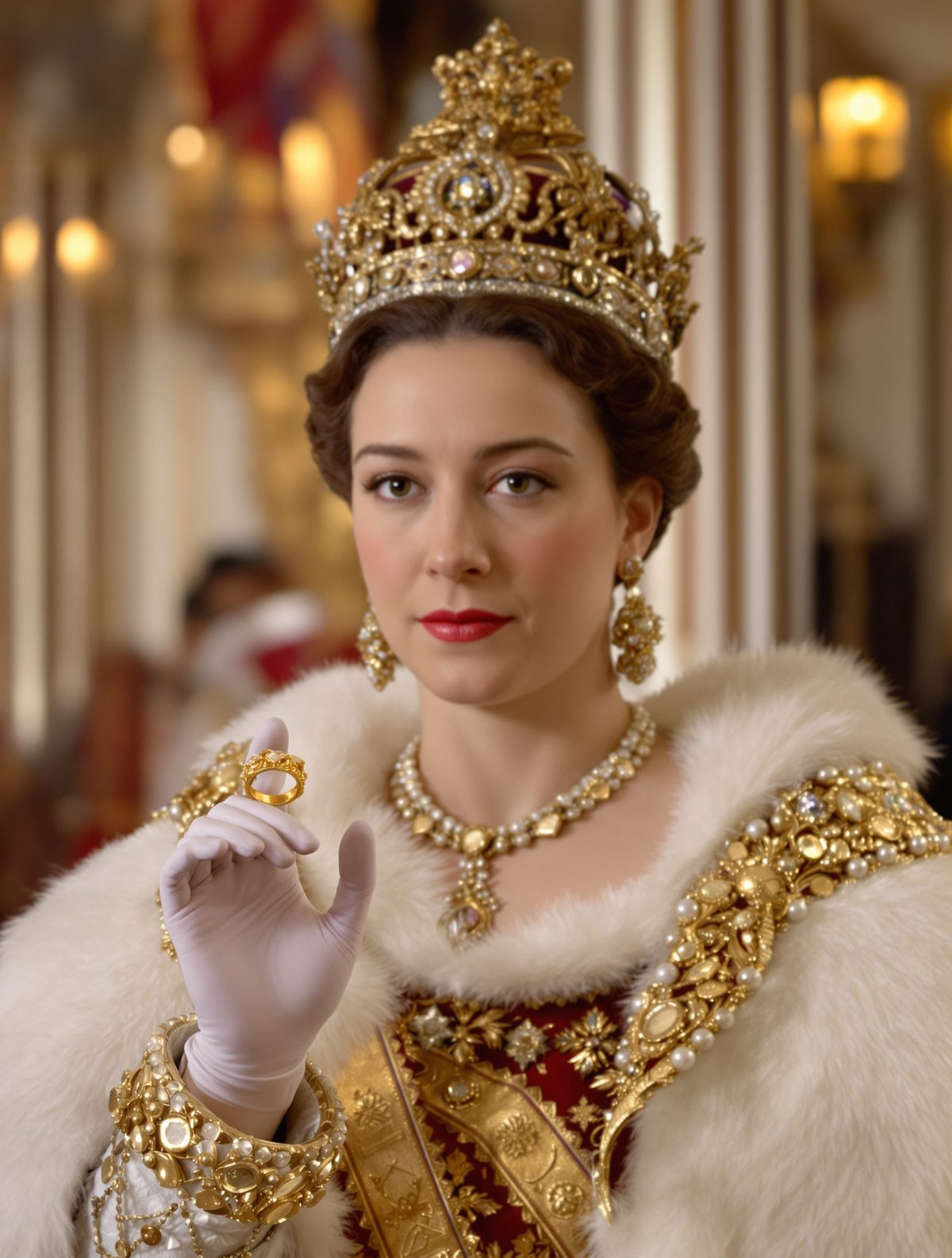
Elizabeth's response to her hair loss was characteristically bold and strategic. Rather than retreat from public view, she embraced an even more elaborate system of wigs and headdresses that would become legendary. Her collection of red wigs, crafted from the finest imported hair and adorned with pearls, jewels, and golden threads, created an image of magnificent abundance that far exceeded what nature had originally provided.
The queen's wigmakers worked in absolute secrecy, creating pieces that required careful engineering to support their weight and maintain their shape throughout long court ceremonies. These weren't simple hairpieces but architectural marvels that could tower eighteen inches above her head, decorated with miniature ships to celebrate naval victories or intricate floral patterns symbolizing England's prosperity.
The daily ritual of donning these elaborate creations required considerable time and expertise. Only her most trusted ladies-in-waiting were permitted to assist with this process, and they were bound by oath never to speak of what they witnessed. The transformation from the private woman to the public queen occurred behind strictly guarded doors, with servants sworn to secrecy about the monarch's natural appearance.
The Midnight Hour
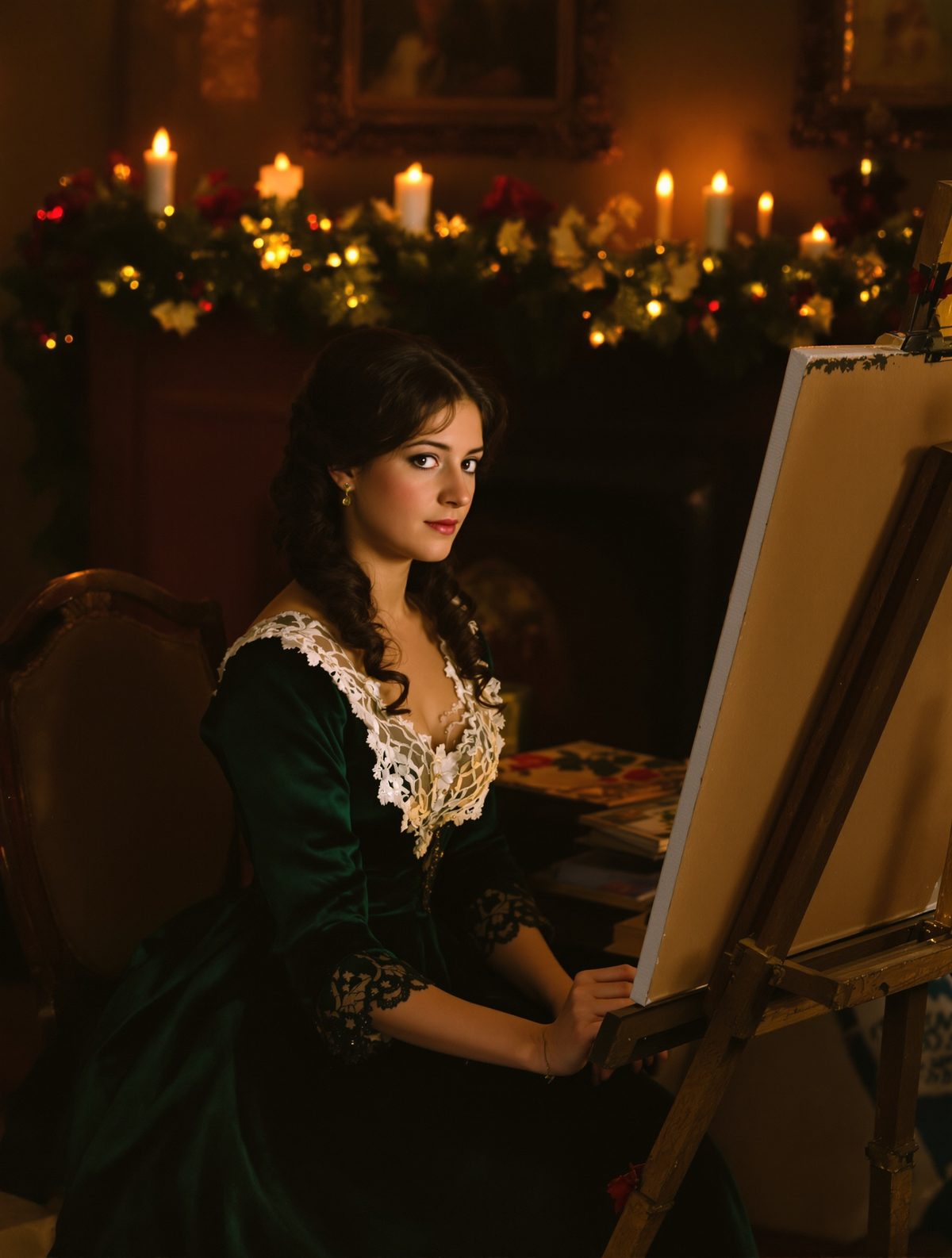
What truly shocked Elizabeth's inner circle, however, was not the daytime ritual of creating her public image, but what occurred each evening when the court retired. Contemporary accounts suggest that the queen insisted on removing her wig alone, dismissing even her closest attendants. This solitary ritual, performed before her private mirror, represented perhaps the only moments when Elizabeth confronted herself without the trappings of monarchy.
Those ladies-in-waiting who occasionally glimpsed the queen during this vulnerable time were reportedly deeply affected by the contrast between the magnificent public figure and the frail, elderly woman revealed beneath the elaborate facade. The sight of their seemingly invincible sovereign—bald, pale, and suddenly appearing every one of her sixty years—challenged their understanding of royal mystique and reminded them of their monarch's essential humanity.
The Psychology of Royal Image
Elizabeth's relationship with her wigs reveals the complex psychology of Tudor monarchy, where personal identity became inseparable from political necessity. The Virgin Queen had built her entire reign around the concept of being married to England, presenting herself as an eternal figure who transcended ordinary human limitations. Her elaborate red wigs became essential props in this performance, maintaining the illusion of the youthful maiden queen even as she entered her seventh decade.
The secrecy surrounding her midnight ritual speaks to the burden of this constant performance. Unlike modern royalty, who benefit from more relaxed protocols and greater privacy, Elizabeth lived in an era when the monarch's body was considered public property. Every aspect of her appearance carried political significance—her clothes declared England's wealth, her jewels demonstrated the kingdom's power, and her famous red hair connected her to her father's Tudor legacy.
The queen's insistence on facing her mirror alone each night suggests a deep understanding of the psychological toll of this constant theatricality. Those private moments represented the only time when she could shed not just her wig, but the weight of expectation that came with it. The fact that even this small concession to privacy shocked her attendants demonstrates how completely Elizabeth had merged her personal identity with her royal role.
Legacy of Transformation
The story of Elizabeth's secret ritual illuminates broader themes about monarchy, femininity, and the nature of power in the Tudor age. Her elaborate wigs became more than mere vanity—they were instruments of statecraft, tools that helped maintain the mystique essential to absolute monarchy. The horror expressed by her ladies-in-waiting upon witnessing her natural state reveals how successfully she had constructed her public image, creating a gap between perception and reality so vast that even her intimates were shocked by the truth.
This dedication to image management would influence royal protocol for centuries to come. Elizabeth established the principle that a monarch's private vulnerabilities must never be allowed to undermine their public authority, a concept that continues to shape royal behaviour today. Her midnight ritual of transformation and revelation became a template for the careful balance between humanity and majesty that subsequent monarchs would struggle to maintain.
The Virgin Queen's secret reminds us that even the most powerful figures in history grappled with universal human concerns about aging, appearance, and authenticity. Her willingness to endure the daily burden of elaborate disguise—and the nightly confrontation with reality—demonstrates the extraordinary personal sacrifices that effective monarchy has always demanded. In our modern age of social media and instant communication, Elizabeth's understanding of image management appears remarkably prescient, offering timeless lessons about the relationship between public persona and private truth in the corridors of power.