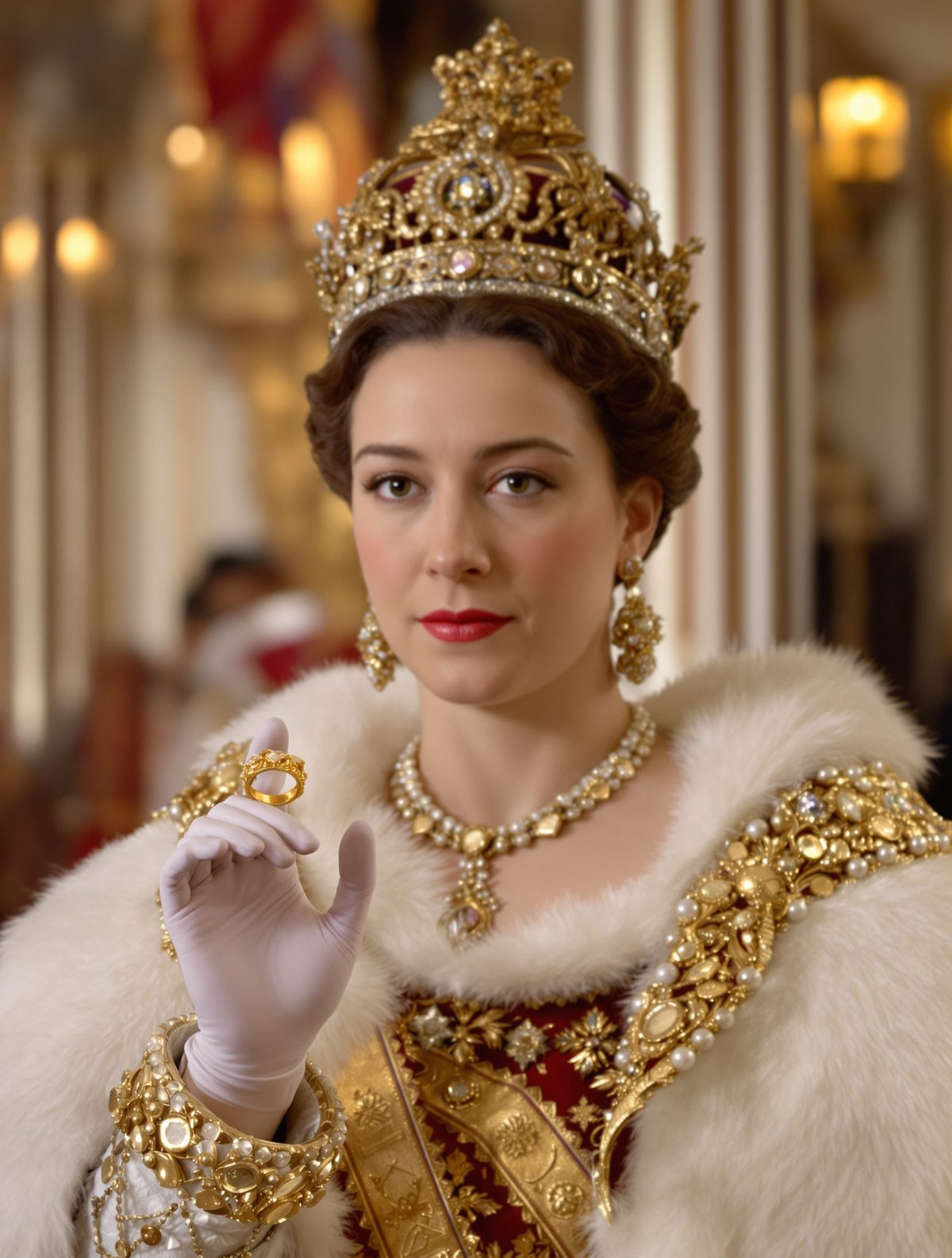
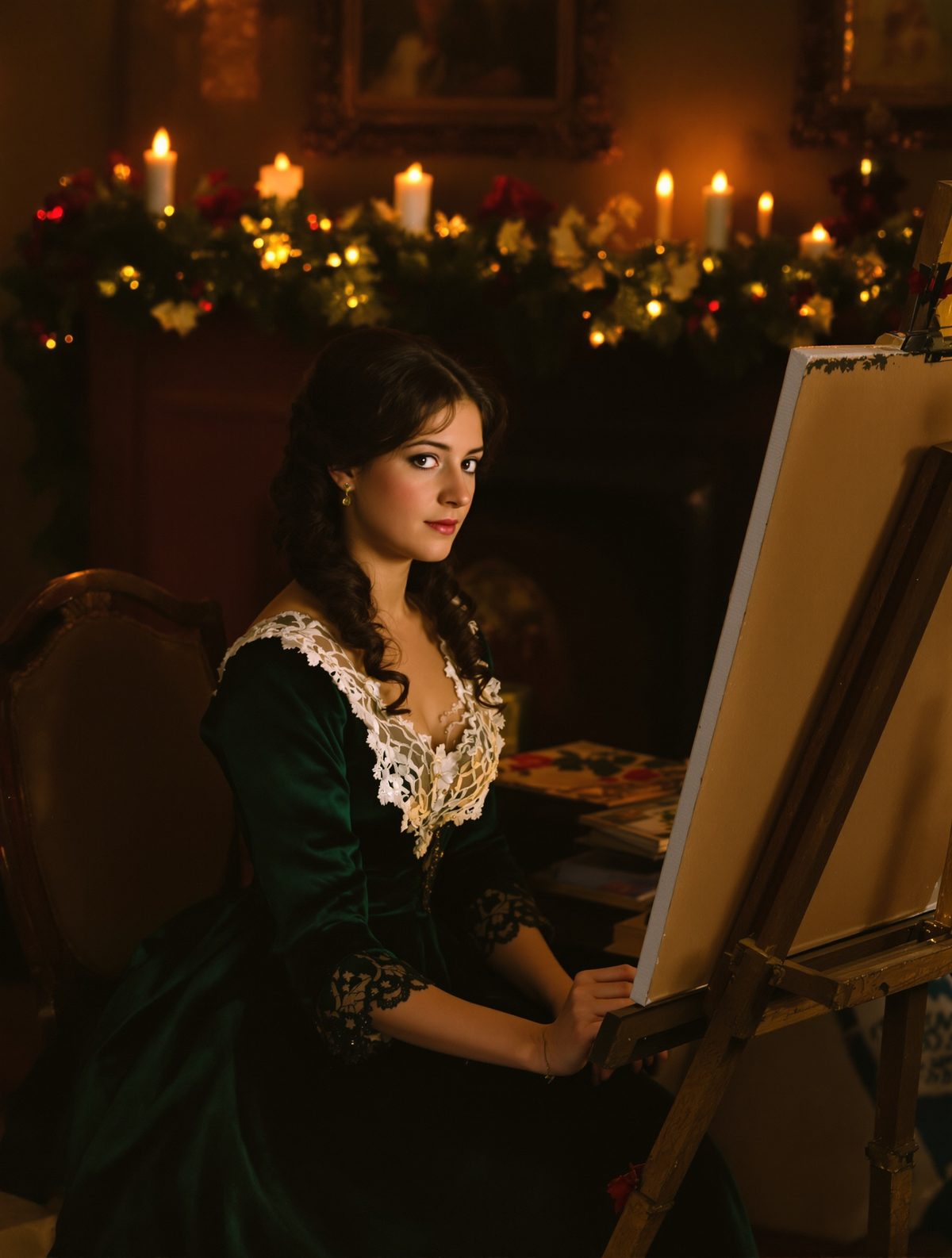
The flickering candlelight cast dancing shadows across the ornate walls of Windsor Castle as Queen Victoria carefully made her way through the silent corridors on Christmas Eve 1840. In her hands, she carried something precious — a gift that had consumed her thoughts and stolen countless hours from her royal duties over the past months. What awaited Prince Albert beneath the silk wrapping would not only move him to tears but also reveal the tender, vulnerable heart beating beneath the young queen's imperial facade.
A Royal Romance Transformed by Art
Victoria and Albert's marriage in February 1840 had been nothing short of a fairy tale, but their first Christmas as husband and wife presented unique challenges. The rigid protocols of court life dictated everything from breakfast menus to bedtime routines, leaving little room for the intimate, personal gestures that define a loving marriage. Gift-giving between monarchs typically involved precious jewels, rare manuscripts, or commissioned works by master craftsmen — not deeply personal creations that laid bare one's soul.
Yet Victoria, barely twenty-one and passionately in love, refused to let royal tradition dictate how she would express her devotion to Albert. The young queen had always possessed an artistic temperament, keeping detailed sketches in her journals and finding solace in watercolor painting during quiet moments between state obligations. But this Christmas gift would be different — more ambitious, more vulnerable, and infinitely more meaningful than anything she had attempted before.
For months, Victoria had been secretly working on a portrait of Albert, stealing away to her private sitting room whenever court business allowed. She painted by candlelight in the early morning hours before her ladies-in-waiting arrived, and during brief respites between audiences with ministers and foreign dignitaries. The project became her sanctuary, a place where she could channel her overwhelming love for her husband into something tangible and lasting.
The Secret Sessions
Creating the portrait required elaborate deception worthy of a palace intrigue novel. Victoria enlisted the help of only her most trusted confidantes, swearing them to absolute secrecy. Her personal maid was instructed to prepare the sitting room with art supplies before dawn, while her private secretary ensured that Albert's schedule kept him occupied during the queen's painting sessions.
The technical challenges were immense. Victoria was a competent amateur artist, but capturing Albert's likeness with the skill and precision worthy of a royal portrait pushed her abilities to their limits. She worked from memory and from quick sketches made during stolen glances at breakfast or during their evening walks through the castle grounds. Every detail mattered — the particular way Albert's eyes crinkled when he smiled, the gentle curve of his mouth, the intelligent expression that had first captivated her when they met years earlier.
The intensity of her focus on this secret project was such that courtiers began to whisper about the queen's newfound punctuality and her mysterious disappearances from court functions. Some speculated she was writing her memoirs; others wondered if she was planning some grand surprise for the Christmas celebrations. None guessed the truth — that their sovereign was hunched over an easel, painstakingly mixing colors and perfecting brushstrokes in pursuit of the perfect gift.
Technical Mastery Meets Emotional Truth
Victoria chose to paint Albert in oils, a medium that demanded patience and skill but offered rich, luminous colors that perfectly captured the warmth she saw in his face. She depicted him in civilian dress rather than military uniform, emphasizing the private man she loved rather than the public prince who stood beside her at state functions. The background she chose was equally significant — a soft, muted landscape that suggested the peaceful domesticity they both craved amidst the grandeur and obligations of royal life.
What made the portrait truly extraordinary, however, was not its technical execution but its emotional honesty. Every brushstroke revealed Victoria's deep understanding of her husband's character, her appreciation for his intelligence and kindness, and her gratitude for the love and support he brought to her reign. This was not merely a likeness but a love letter painted in oils, a permanent testament to the profound connection between two remarkable people who happened to wear crowns.
Christmas Morning Revelation
When Christmas morning arrived, Victoria could barely contain her nervous excitement. The portrait, now complete and carefully framed, sat wrapped in her sitting room while the royal household attended morning chapel service. Albert, ever observant, had noticed his wife's unusual behavior in recent weeks but had attributed it to the stress of their first Christmas hosting foreign dignitaries and managing the complex protocols required for royal entertaining.
The moment of revelation came during their private gift exchange, a cherished tradition they had established to carve out intimacy amidst the public pageantry of royal Christmas celebrations. Victoria watched Albert's face intently as he carefully unwrapped the portrait, her heart racing with anticipation and vulnerability. The weeks of secrecy, the countless hours of painstaking work, the fear that her amateur skills might not do justice to her feelings — all of it culminated in this single, breathless moment.
According to accounts preserved in Victoria's own journals, Albert's reaction exceeded her wildest hopes. He was moved to tears by the portrait, not simply because of its artistic merit, but because of what it represented. Here was tangible proof of his wife's devotion, evidence of the countless hours she had spent thinking of him, working to capture not just his physical appearance but the essence of who he was in her eyes.
Beyond Protocol: Love in the Royal Context
The portrait represented something revolutionary in the context of royal marriage. For centuries, unions between monarchs had been political arrangements designed to secure alliances, territories, or dynastic stability. Personal affection, while not unwelcome, was rarely the primary consideration. Victoria and Albert's marriage, however, was built on genuine love and mutual respect, and Victoria's Christmas gift boldly proclaimed that their relationship transcended mere duty or political convenience.
The very act of painting the portrait herself — rather than commissioning it from a court artist — challenged royal conventions about appropriate behavior for a queen. By taking brush to canvas, Victoria declared that her role as loving wife was every bit as important as her role as sovereign. She was willing to risk criticism, to potentially fail at something that mattered deeply to her, in order to give Albert something uniquely personal and irreplaceable.
Albert treasured the portrait for the rest of his life, displaying it prominently in his private study where he could see it daily. The gift established a precedent for their marriage — both partners would continue to find ways to nurture their personal relationship despite the enormous public pressures they faced. Their love story, which began with Victoria's Christmas portrait, would become one of the most enduring and influential royal romances in British history.
More than 180 years later, Queen Victoria's Christmas surprise reminds us that beneath the crowns and ceremonial robes, royal marriages are fundamentally human relationships that require the same care, creativity, and vulnerability that sustain any loving partnership. In an age when social media and technology have transformed how we express affection, there remains something deeply moving about a young queen staying up by candlelight, paintbrush in hand, determined to create something beautiful for the person she loved most. The portrait may have shocked court protocol, but it perfectly captured a timeless truth: the most precious gifts are those that come from the heart, crafted by our own hands, and given without expectation except the hope that they might bring joy to someone we cherish.