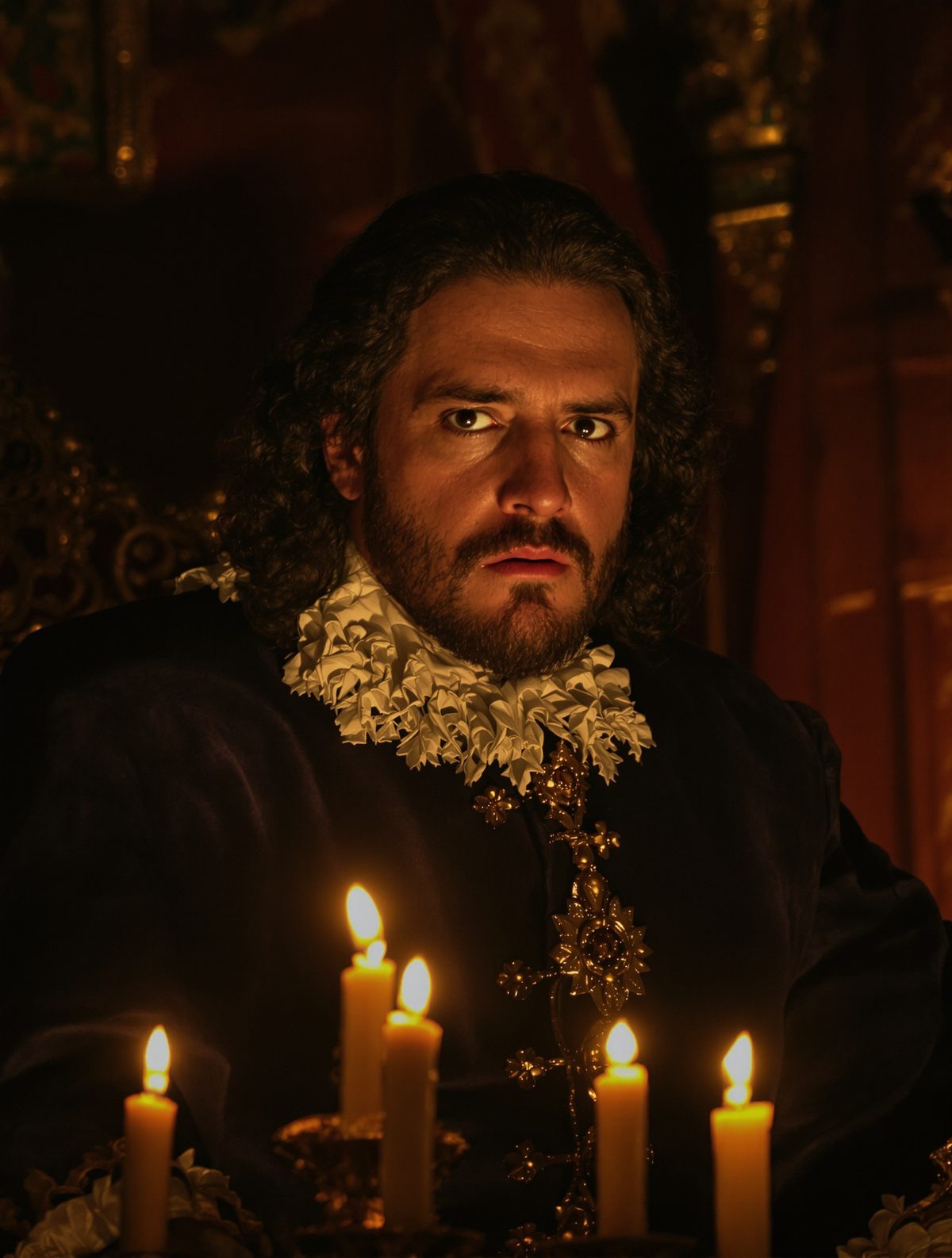
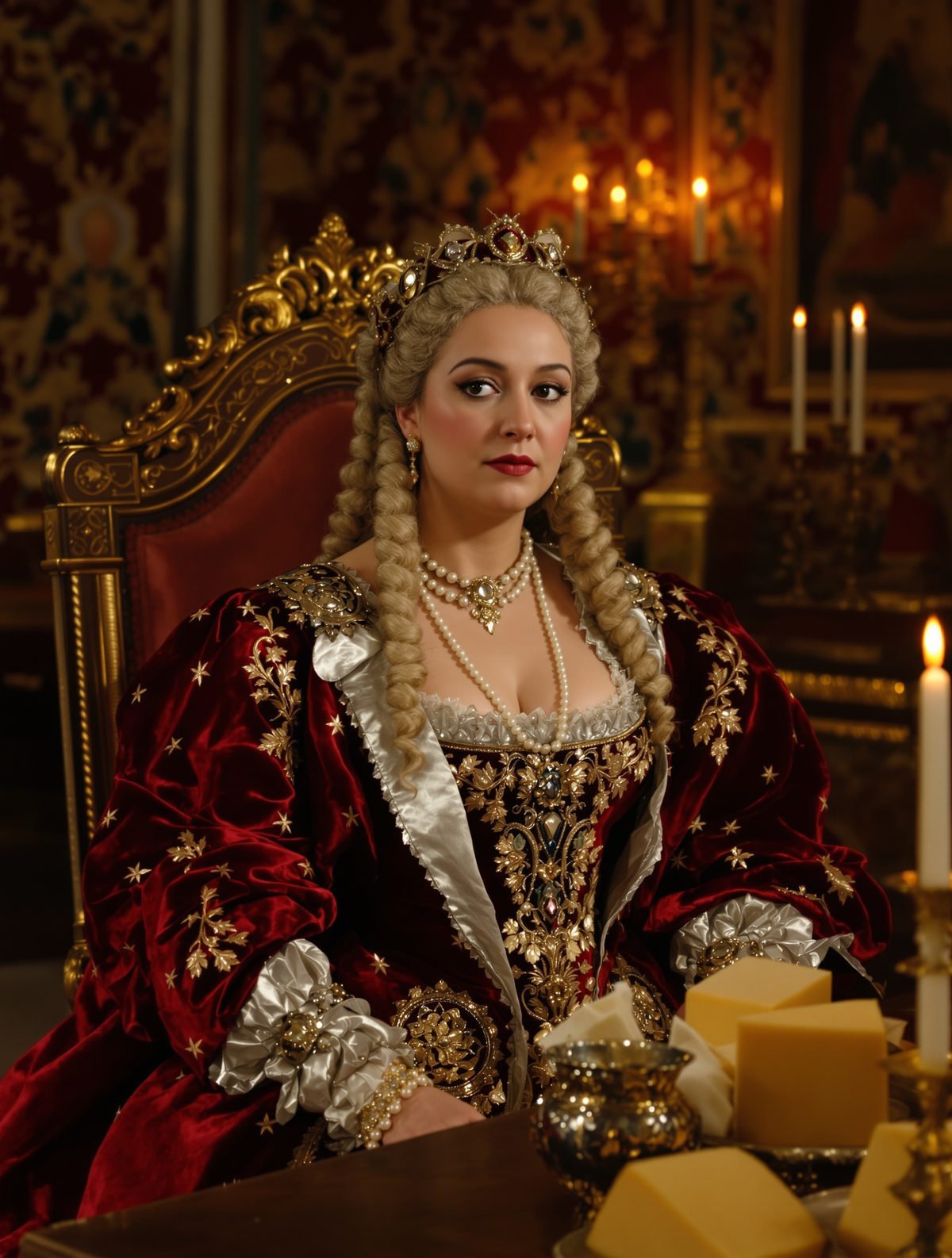
The gilded corridors of St. James's Palace fell silent as the clock tower chimed twice in the morning darkness. While her courtiers slumbered and her guards maintained their stoic watch, Queen Anne of Great Britain was embarking on a clandestine journey that would have mortified the aristocratic society she governed. Wrapped in nothing more than her nightgown and a heavy velvet robe, the monarch padded barefoot through the shadowy passages toward the palace kitchens, driven by a compulsion that revealed the profoundly human vulnerabilities hidden beneath her royal crown.
The Lonely Monarch's Hidden Struggle
Queen Anne's reign from 1702 to 1714 was marked by military triumphs, political upheaval, and personal tragedy that would have broken a lesser spirit. The last of the Stuart monarchs had endured seventeen pregnancies, yet only one child, Prince William, survived beyond infancy—and he too died at age eleven. Her beloved husband, Prince George of Denmark, provided emotional support but was often dismissed by courtiers as ineffectual. By the time Anne ascended to the throne at age thirty-seven, she was already a woman acquainted with profound loss.
The queen's physical ailments were equally burdensome. Historians believe she suffered from systemic lupus erythematosus, which caused painful joint inflammation, recurring fevers, and periods of debilitating fatigue. Contemporary accounts describe her struggling with what we might now recognize as depression, finding little solace in the formal rituals and elaborate ceremonies that defined royal life. Court physicians prescribed various remedies, but eighteenth-century medicine offered little relief for either her physical or emotional pain.
It was within this context of isolation and suffering that Anne developed what her most trusted lady-in-waiting would later describe as her "nocturnal peculiarity." The queen had discovered that food—particularly rich, comforting cheese—provided a temporary escape from the relentless pressures of monarchy and the echoing emptiness of personal loss.
A Discovery in Darkness
Sarah Churchill, the formidable Duchess of Marlborough and Anne's childhood friend turned lady-in-waiting, had grown concerned about her mistress's increasingly erratic behavior. The queen would appear at morning audiences with mysterious stains on her nightclothes and crumbs in her hair, dismissing inquiries with nervous laughter. Palace servants whispered about missing wheels of aged Cheshire and depleted stores of Gloucestershire cheese, but none dared suggest their sovereign might be responsible.
The truth emerged during one particularly bitter February night in 1708. Sarah, troubled by reports that the queen had been heard moving about the palace at unusual hours, decided to investigate personally. Following the sound of muffled footsteps, she traced a path through the servants' quarters to the vast stone kitchens that fed the royal household.
What she discovered there challenged every notion of royal dignity and decorum. Queen Anne sat cross-legged on the cold flagstone floor, surrounded by wheels of cheese she had systematically broken apart with her bare hands. In complete darkness, she consumed chunk after chunk with an almost desperate intensity, tears streaming down her face as she ate. The scene was simultaneously heartbreaking and shocking—a monarch reduced to her most fundamental human needs, seeking comfort in the only way she knew how.
The Weight of Royal Secrets
Contemporary accounts suggest that Anne's reaction to being discovered was one of profound shame mixed with desperate pleading. She understood instinctively that such behavior would be seen as conduct unbecoming of a queen, particularly in an era when monarchs were expected to embody divine grace and unshakeable composure. The rigid court etiquette that governed every aspect of royal life made no allowance for human weakness or unconventional coping mechanisms.
Sarah Churchill, despite her sometimes turbulent relationship with the queen, recognized the vulnerability of the moment and agreed to maintain absolute secrecy. However, the discovery forced both women to confront uncomfortable truths about the isolating nature of absolute power and the inadequacy of royal privilege in addressing genuine human suffering.
The duchess later arranged for discrete supplies of cheese to be left in the queen's private chambers, understanding that attempting to curtail the behavior entirely might drive Anne to even more desperate measures. This pragmatic approach reflected the complex dynamics of their relationship—part friendship, part political alliance, and part caretaking arrangement born from genuine concern.
Understanding Royal Appetites
Modern historians and medical experts who have studied Queen Anne's documented behaviors suggest her midnight binges may have represented more than simple comfort eating. The combination of physical pain, emotional trauma, and the unprecedented stress of governing during wartime likely contributed to what we might now recognize as disordered eating patterns. The secrecy and shame surrounding her behavior align with contemporary understanding of how individuals cope with trauma and loss.
The specific choice of cheese as her preferred comfort food also reflects the limited options available to even royalty in the early eighteenth century. Cheese was one of the few foods that could be consumed safely without preparation, required no heating or elaborate service, and was readily available in palace stores. For a monarch accustomed to elaborate meals served on golden plates by liveried servants, the act of eating with her hands in complete darkness represented a profound rejection of the ceremonial aspects of royal dining.
Palace records from the period show unusual expenditures on dairy products, supporting later accounts of Anne's nocturnal habits. The queen's personal physician noted in his private correspondence concerns about her "irregular dietary practices" and "nighttime restlessness," though he appears never to have fully understood the connection between these observations.
The Human Heart of Monarchy
Queen Anne's secret struggle illuminates the profound disconnect between public expectation and private reality that has plagued monarchs throughout history. Her midnight journeys to the palace kitchens represent a touching attempt to find solace and control in a life largely governed by duty, protocol, and political necessity. The image of a queen sitting alone on a cold stone floor, consuming cheese in darkness while tears fell unheeded, challenges romantic notions of royal glamour while revealing the universal human need for comfort and connection.
The story also highlights the crucial role played by trusted confidantes in protecting royal dignity while acknowledging royal humanity. Sarah Churchill's decision to keep Anne's secret, despite their often stormy relationship, demonstrates the complex loyalties that bound the eighteenth-century court together. Her pragmatic solution of providing discrete access to comfort food showed an understanding that sometimes care means accepting rather than correcting unconventional behavior.
These midnight cheese binges ultimately became part of a larger pattern of coping mechanisms that enabled Queen Anne to navigate the remaining years of her reign with dignity intact. While history remembers her for political achievements and military victories, perhaps we should also acknowledge her quiet courage in facing personal demons with whatever tools she could find—even if those tools were wheels of cheese consumed in solitary darkness. After all, the crown may bestow divine authority, but it offers little protection against the very human needs for comfort, understanding, and the occasional moment of uncomplicated pleasure.