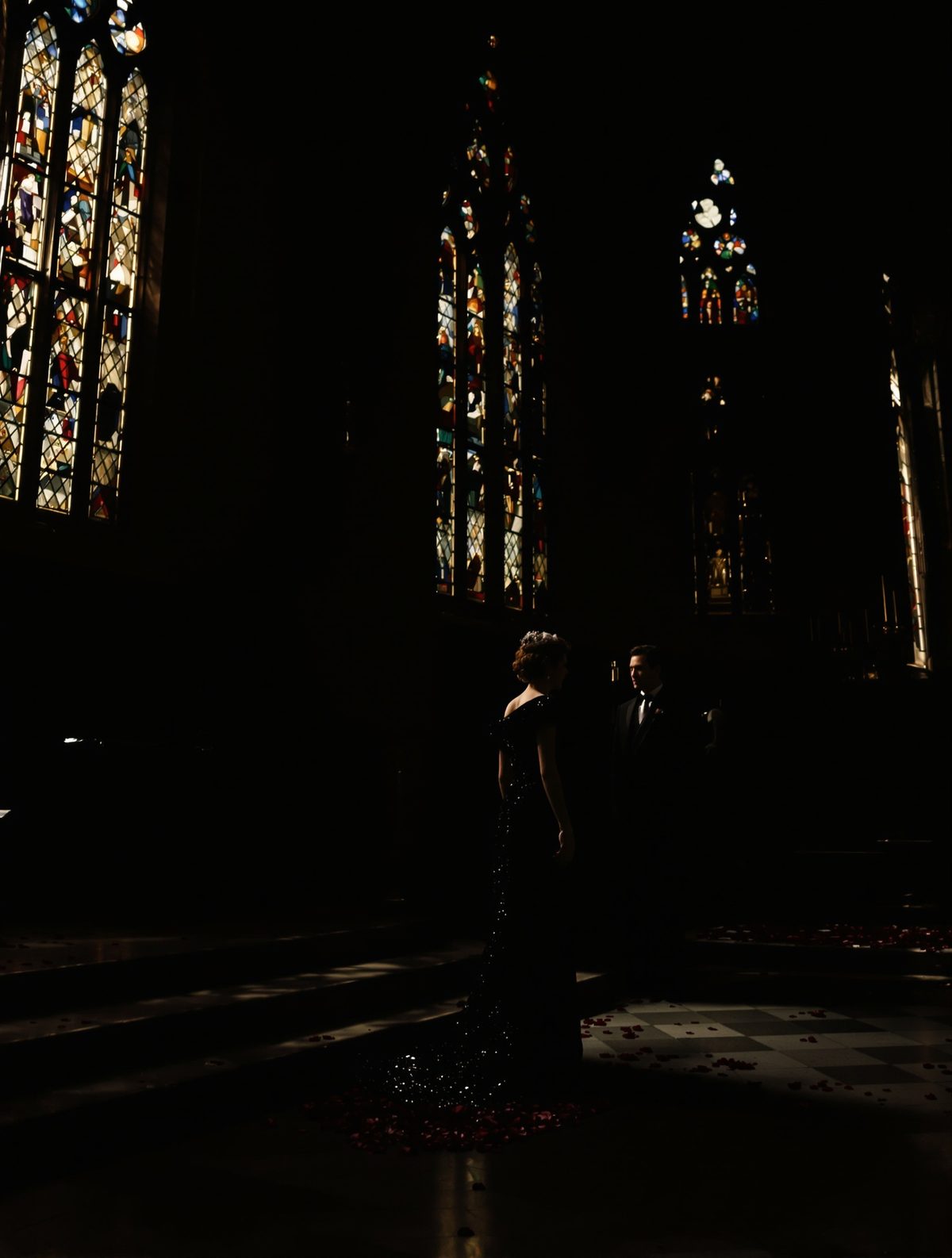

In the shadowy depths beneath Whitehall Palace, by flickering candlelight in the dead of night, the King of England scraped away at cold stone and earth with his own royal hands. Charles I, once the most powerful man in the realm, had been reduced to this: a desperate sovereign clawing his way toward what he hoped would be freedom, one handful of dirt at a time. Above him, Parliament's men plotted his arrest. Below, in a tunnel that would stretch toward the Thames and ultimately to safety in France, lay his only hope of escape from a kingdom that no longer wanted him as king.
A Kingdom in Crisis
By the early 1640s, the relationship between King Charles I and Parliament had deteriorated beyond repair. What began as disagreements over taxation and religious policy had escalated into open rebellion. The English Civil War had erupted in 1642, pitting the Royalists against the Parliamentarians in a bitter conflict that would reshape the very foundations of British governance.
Charles found himself increasingly isolated within the walls of Whitehall Palace, the sprawling royal residence that had once symbolized Tudor and Stuart power. The palace, stretching along the Thames with its maze of courtyards, state apartments, and private chambers, now felt more like a gilded prison. Parliamentary forces controlled London, and their grip was tightening around the king with each passing month.
The monarch who had once believed in the divine right of kings—that he ruled by God's will and answered to no earthly authority—now faced the unthinkable reality that his own subjects sought to hold him accountable. For Charles, raised in the absolute certainty of royal supremacy, the idea of standing trial before Parliament was not merely politically dangerous; it was spiritually impossible.
The Secret Plan Takes Shape
It was sometime in the autumn of 1647 when Charles, according to court records and contemporary accounts, began formulating his most audacious escape plan yet. He had already attempted to flee once before, in November 1647, when he slipped away from Hampton Court Palace to the Isle of Wight. But that escape had merely traded one form of captivity for another, as he found himself detained at Carisbrooke Castle under the watchful eye of Parliamentary forces.
Now back at Whitehall under increasingly strict surveillance, Charles conceived of a plan so bold and physically demanding that it seems almost impossible to believe: he would dig his own escape tunnel from his private chambers to the Thames, where loyal supporters could spirit him away to France and the court of his Catholic queen, Henrietta Maria.
The king's private apartments were located on the palace's first floor, overlooking the Privy Garden. Working primarily at night when his guards and servants were least likely to disturb him, Charles began the painstaking work of breaking through the floorboards of his bedroom. Contemporary accounts suggest he used a combination of kitchen knives, fire pokers, and his own hands to begin excavating what would need to be a tunnel nearly 200 yards long.
The Physical Toll of Royal Desperation
The sheer physical demands of this undertaking cannot be overstated. Charles I was not a robust man—contemporary portraits show him as slight and delicate, with the pale complexion of someone more accustomed to the comfortable chambers of royal palaces than manual labor. Yet night after night, he descended into his makeshift tunnel, scraping away at London clay and disposing of the dirt by scattering it in the Privy Garden during his daily walks.
Court observers noted changes in the king's appearance during this period, though they attributed his haggard looks and dirt-stained fingernails to the general stress of his precarious position. In reality, Charles was likely suffering from the physical exhaustion of his secret excavation work, compounded by the constant fear of discovery.
The Engineering Challenge
What Charles had undertaken was not merely physically demanding—it was a genuine engineering challenge that would have tested even experienced miners. The tunnel needed to run roughly northwest from his chambers, beneath the busy courtyards of Whitehall, under King Street (now Whitehall), and toward the Thames embankment where loyal boats could wait.
The London clay that underlies much of the capital is notoriously difficult to work with. While it can be excavated relatively easily when dry, it becomes unstable when exposed to moisture—and any tunnel approaching the Thames would inevitably encounter groundwater seepage. Without proper timber supports or adequate ventilation, Charles was essentially attempting to accomplish what would challenge even modern tunneling techniques.
Historical records suggest that Charles managed to extend his tunnel approximately 30 yards from his chambers before structural problems began to manifest. The walls of his excavation started showing signs of instability, with frequent small collapses that required him to re-dig the same sections multiple times. The king, however, pressed on with the grim determination of a man who saw no alternative to success.
Discovery and Collapse
By early January 1649, Charles believed he was perhaps weeks away from completing his escape route. He had managed to tunnel under King Street and was approaching what he calculated to be the final stretch toward the Thames. His supporters in France had been contacted through coded letters, and arrangements were reportedly in place for a ship to wait off the English coast.
But the laws of physics proved more implacable than even the most determined king. On the night of January 15, 1649, a section of tunnel that Charles had been working on for weeks suddenly collapsed, trapping him briefly in debris and very nearly costing him his life. The sound of the collapse was reportedly heard by guards in the courtyard above, though they attributed it to settling in the old palace foundations.
More devastating than the near-fatal accident was the realization that the tunnel's structural integrity was fundamentally compromised. Without proper engineering support, the excavation would continue to collapse faster than Charles could repair it. The king's desperate gambit had been defeated not by Parliamentary spies or royal betrayal, but by the simple reality that London clay cannot support an unsupported tunnel of such length.
Just fifteen days later, on January 30, 1649, King Charles I was executed outside the Banqueting House at Whitehall Palace—ironically, directly above where his abandoned tunnel lay buried in the London earth.
Legacy Beneath the Streets
The story of Charles I's secret tunnel remained largely hidden until archaeological investigations in the early 20th century uncovered evidence of the excavation beneath what is now Whitehall. While much of the original Whitehall Palace was destroyed by fire in 1698, the tunnel's remains were preserved in the London clay, a testament to one monarch's extraordinary desperation.
Today, as we watch the modern British monarchy navigate challenges and changes with careful constitutional precision, it's worth remembering this extraordinary moment when a king literally tried to dig his way out of history. Charles I's tunnel represents more than just a failed escape attempt—it symbolizes the end of absolute monarchy in Britain and the birth of parliamentary democracy.
The image of the King of England, alone in the darkness beneath his palace, clawing at the earth with his bare hands, remains one of the most poignant symbols of royal desperation in British history.
Perhaps there's something deeply human in Charles's story that resonates across the centuries. Faced with impossible circumstances, he chose action over resignation, hope over despair. That his plan was doomed from the start makes it no less remarkable. In our own age, when the monarchy has learned to adapt and evolve rather than resist change, Charles I's tunnel serves as a powerful reminder of what happens when tradition refuses to bend with the times—and of the extraordinary lengths to which people will go when they believe their very survival depends on escape.