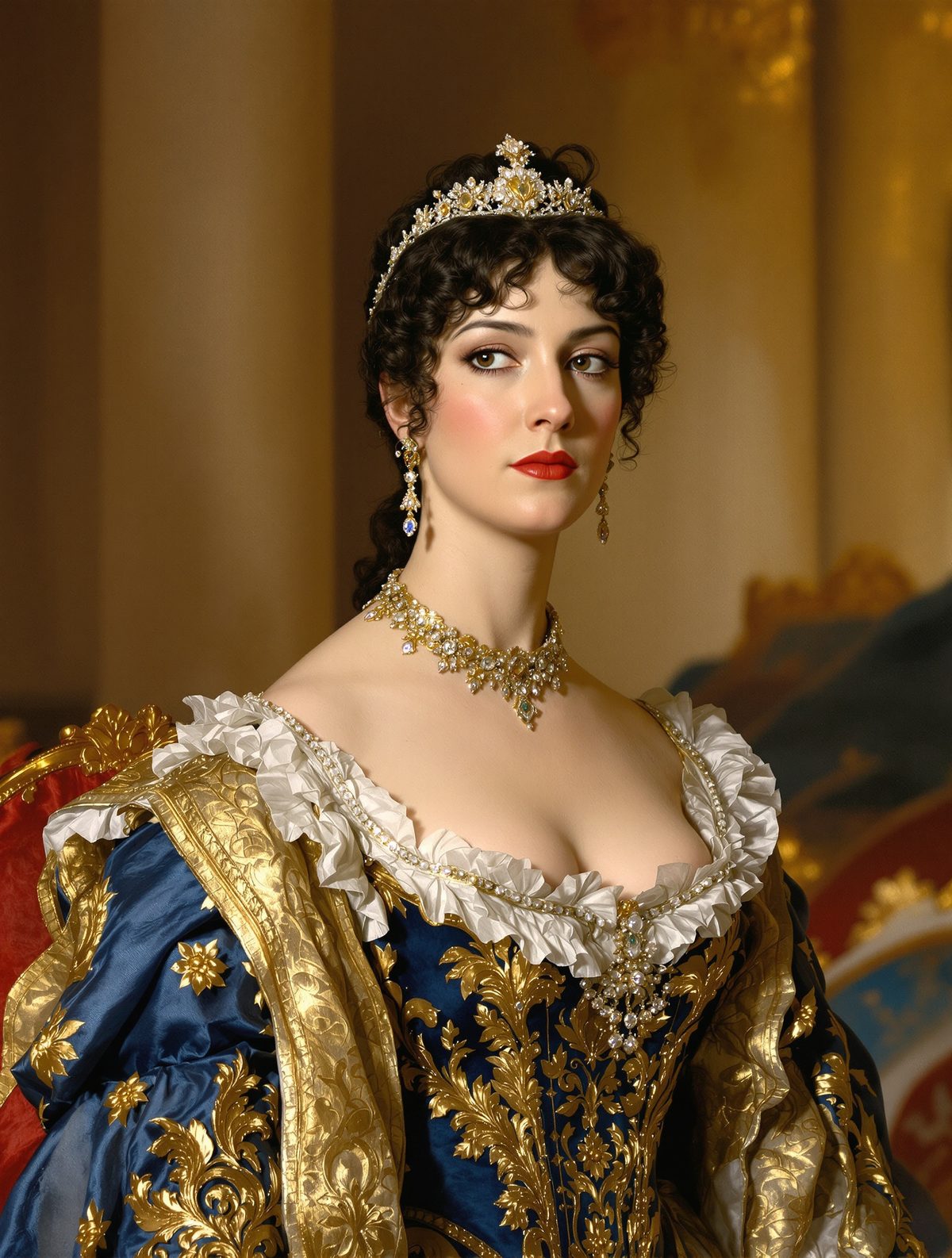
In the grand corridors of Kensington Palace during the 1830s, a young princess lived under one of the most restrictive regimes ever imposed on a future monarch. Princess Victoria, heir to the throne after the death of her father the Duke of Kent, was never permitted a moment's solitude. She slept in her mother's room, studied under constant supervision, and couldn't even walk downstairs without holding someone's hand. Yet in the shadows of this suffocating existence, the spirited princess discovered a secret sanctuary that would preserve her sanity and reveal glimpses of the remarkable woman she would become.
The Iron Grip of the Kensington System
The Kensington System, as historians have dubbed it, was the brainchild of Princess Victoria's mother, the Duchess of Kent, and her ambitious adviser Sir John Conroy. Designed ostensibly to protect the young princess, this rigid protocol governed every aspect of her daily life with military precision.
Victoria was never allowed to be alone with anyone except her mother and governess, Baroness Lehzen. She couldn't meet people without prior approval, couldn't walk downstairs without holding an adult's hand, and was forbidden from reading newspapers or novels that might contain unsuitable content. Even her lessons were monitored, her correspondence read, and her every utterance noted and reported.
The system grew increasingly oppressive as Victoria approached her eighteenth birthday in 1837. Conroy and the Duchess hoped to establish a regency should Victoria inherit the throne before proving her capability to rule independently. This meant keeping the princess isolated, dependent, and—they believed—malleable to their influence.
For a naturally curious and intelligent young woman, these restrictions felt like invisible chains. Victoria later described this period as one of great loneliness, writing in her journal about feeling "rather melancholy" and yearning for companionship beyond the watchful eyes of her handlers.
A Secret World in Crayon and Paper
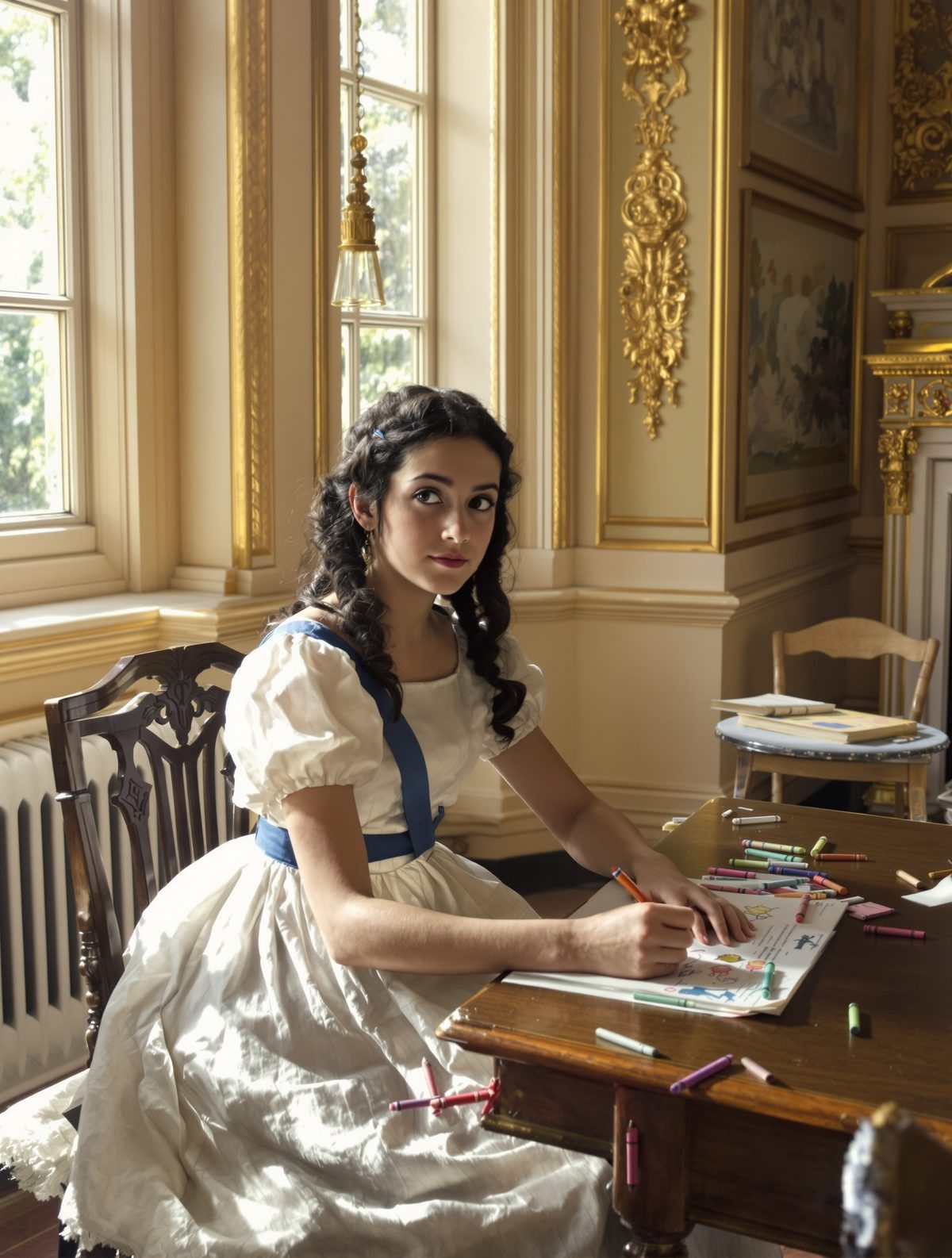
Amid this stifling environment, Victoria discovered an outlet that her guardians either overlooked or deemed harmless enough to permit: drawing. What they didn't realize was that this artistic pursuit would become far more than a ladylike accomplishment—it would become her secret rebellion and emotional lifeline.
Armed with simple crayons and whatever paper she could acquire, Victoria began creating a hidden world of sketches that captured not just images, but her innermost thoughts and desires for freedom. These weren't the formal portraits or landscape studies typical of royal education, but spontaneous, deeply personal expressions of a young woman's imagination.
Her subjects ranged from fantastical scenes of adventure—knights on horseback, exotic landscapes she'd only read about in forbidden books—to tender portraits of the dogs she was allowed to keep as companions. Some drawings depicted imaginary friends and confidantes, suggesting the profound loneliness she felt despite being constantly surrounded by people.
Most remarkably, Victoria developed an elaborate system for hiding her most personal artistic creations. She would slip the small drawings between the pages of approved books, tuck them into the lining of her jewelry boxes, and—most ingeniously—hide them beneath her mattress, where even the ever-present Baroness Lehzen wouldn't think to look.
Art as Emotional Sanctuary
These secret drawings served multiple purposes for the isolated princess. They provided precious moments of mental solitude even when physical privacy was impossible. While her body remained under constant surveillance, her mind could escape to the worlds she created on paper.
The act of drawing also gave Victoria a sense of control in a life where nearly every decision was made for her. She could choose her subjects, her colors, and her compositions. In a world where her opinions on governance, politics, and even her own future were dismissed or suppressed, her artwork became a realm where her choices mattered absolutely.
Many of her hidden sketches revealed a surprisingly romantic and adventurous spirit that the Kensington System sought to suppress. She drew scenes of couples in love, exotic travel destinations, and moments of spontaneous joy—all experiences that seemed impossibly distant from her own regimented existence.
Perhaps most poignantly, some drawings depicted a young woman alone in nature—walking freely through forests, sitting by streams, or simply standing in open fields with arms outstretched. These images spoke to Victoria's deep yearning for the simple pleasure of solitude and movement that most people take for granted.
The Discovery Decades Later
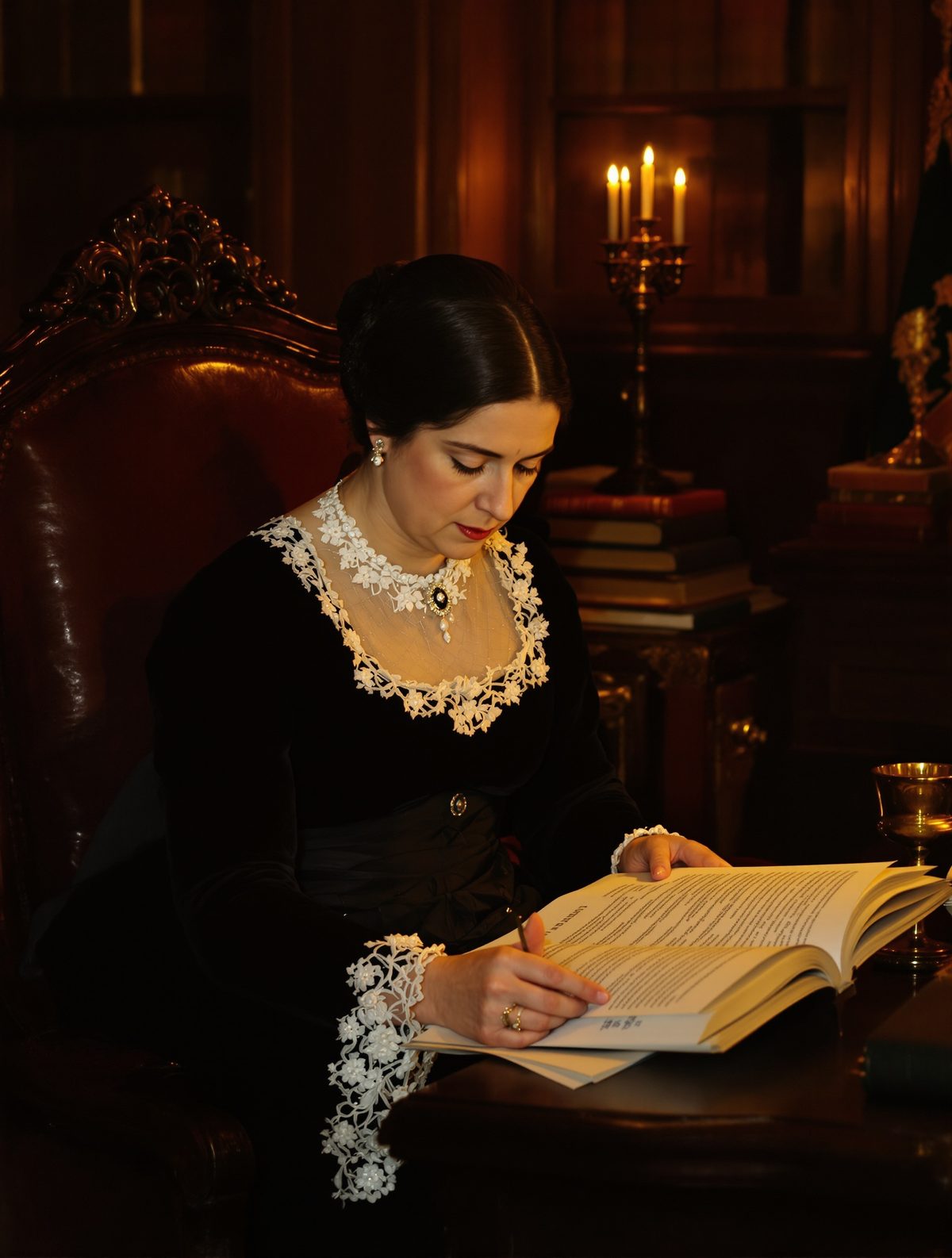
Victoria's secret artistic rebellion remained hidden for decades, even after she became Queen and gained the freedom to live as she chose. It wasn't until much later in her reign, during renovations of her private quarters, that servants discovered the cache of drawings that had remained concealed beneath her mattress and in various hiding places throughout her rooms.
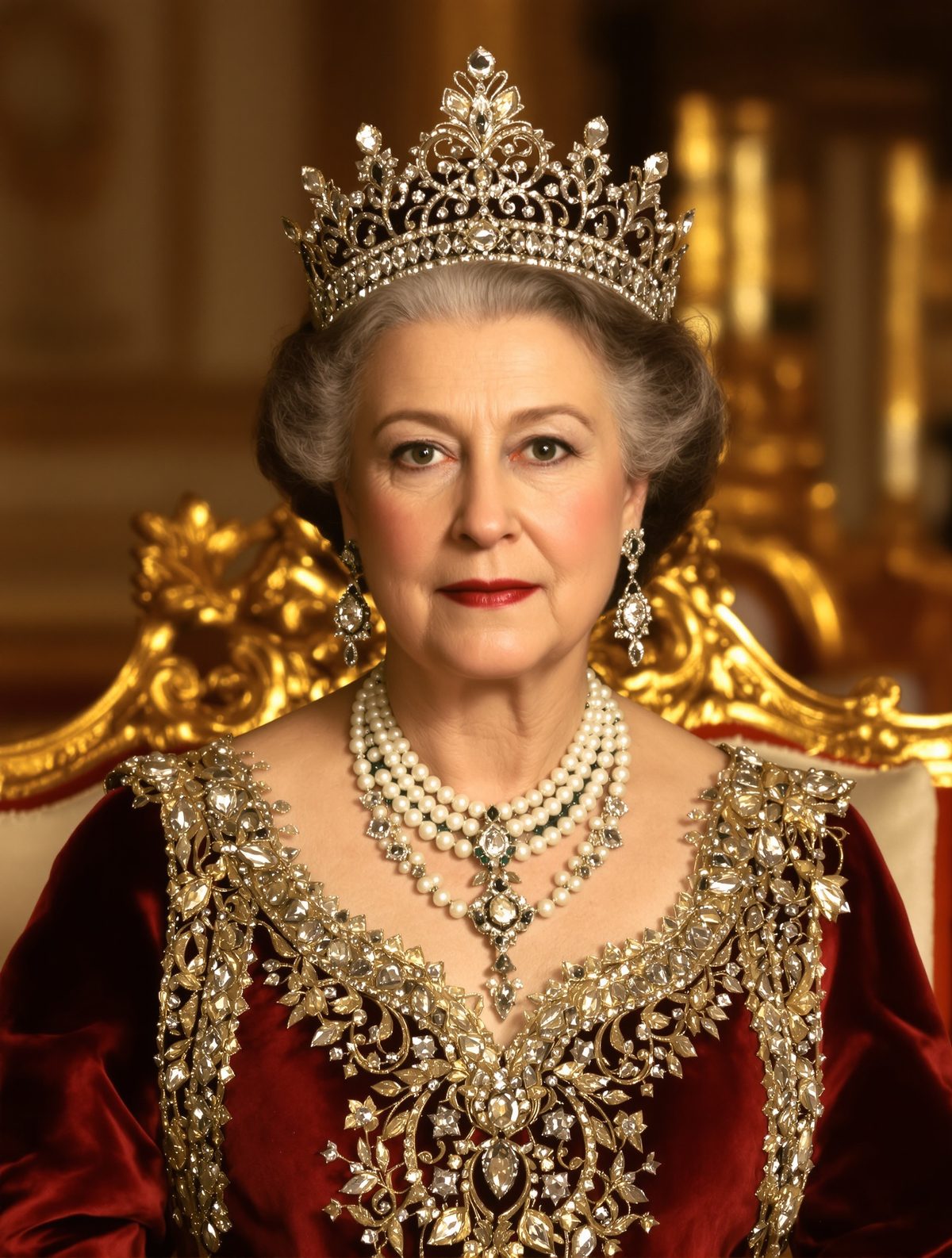
By then a mature woman and confident monarch, Queen Victoria was reportedly both embarrassed and amused by the discovery of her youthful secret. The drawings provided a touching window into the psychological survival strategies she had developed during one of the most restrictive periods of her life.
Those who saw the drawings remarked on their emotional intensity and surprising artistic merit. While Victoria had received formal art instruction—drawing and painting were considered essential accomplishments for ladies of her station—these secret sketches possessed a rawness and authenticity that her supervised artwork lacked.
The Queen chose to keep most of these drawings private, sharing them only with Prince Albert and, later in life, with her children as examples of the importance of perseverance through difficult circumstances. She recognized that they represented not just artistic exercises, but crucial emotional outlets that had helped preserve her mental health during a challenging period.
A Testament to Royal Resilience
Princess Victoria's secret crayon drawings reveal something profound about the human capacity for resilience and creativity in the face of oppression. Even under the most restrictive circumstances, she found ways to nurture her inner life and maintain her sense of self.
These hidden artworks also illuminate the often-overlooked reality that royal children, despite their privileges, can face unique psychological challenges. The pressure, isolation, and lack of personal agency that Victoria experienced as heir to the throne were burdens that few could understand or appreciate.
When we consider Queen Victoria's later reputation for strength, determination, and fierce independence, we can trace some of those qualities back to the coping mechanisms she developed during her years under the Kensington System. Her secret drawings weren't just childhood rebellion—they were training in the art of maintaining one's authentic self despite external pressures to conform.
Today, as we watch modern royals navigate the balance between public duty and personal authenticity, Victoria's story reminds us that this struggle is not new. Her crayon sketches, hidden beneath a mattress in Kensington Palace, stand as testament to the enduring human need for creative expression and the quiet acts of rebellion that help us remain true to ourselves, even in the most challenging circumstances.