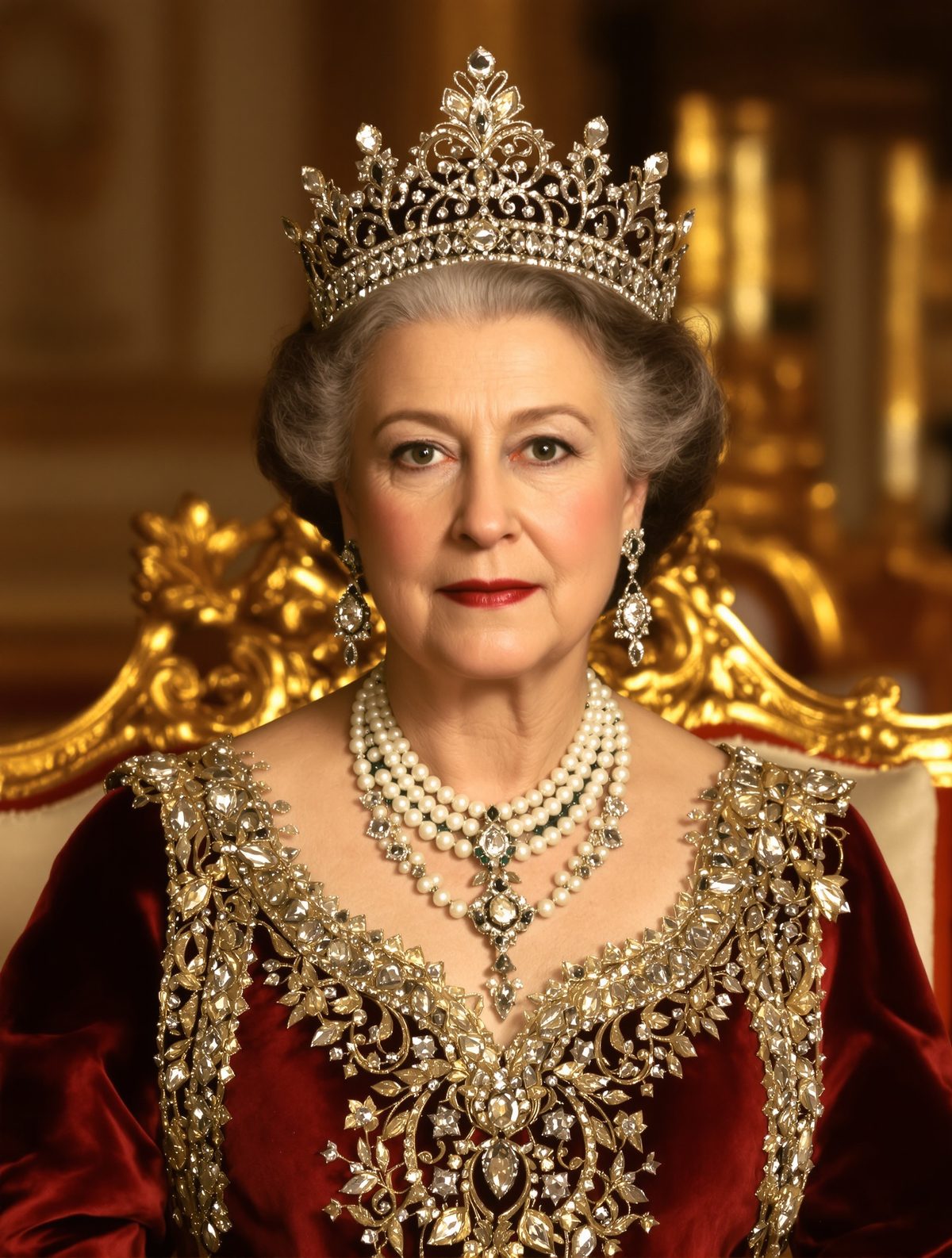
In the glittering salons of European palaces during the early 20th century, whispered conversations often turned to the same shocking subject: Queen Mary of Britain and her extraordinary approach to royal jewellery. While other queens treasured their inherited tiaras as sacred family heirlooms, never to be altered, Mary wielded her influence like a master jeweller's torch—dismantling centuries-old pieces and transforming them into spectacular modern creations. Her bold vision would leave foreign royalty gasping in disbelief and forever change the landscape of royal fashion.
The Making of a Jewellery Revolutionary
Princess Victoria Mary of Teck possessed an artistic sensibility that set her apart from her contemporaries long before she became Queen Mary. Born into a family with German roots but distinctly English sensibilities, she developed an eye for beauty and craftsmanship that would later scandalize European courts. When she married the future King George V in 1893, she brought to the British royal collection not just her own family jewels, but a revolutionary philosophy about how precious heirlooms should be treated.
Unlike her predecessors, who viewed royal jewellery as museum pieces to be preserved exactly as inherited, Mary saw potential for transformation. She understood that jewellery, like monarchy itself, needed to evolve to remain relevant and magnificent. Her approach was both practical and visionary—why allow beautiful stones to languish in outdated settings when they could be reset into designs that reflected contemporary elegance?
The new Queen's passion for reshaping royal jewels became apparent almost immediately after her coronation in 1911. She began commissioning the royal jewellers, Garrard & Co., to undertake ambitious reconstruction projects that would have horrified traditional European sensibilities. Where other queens saw sacrosanage, Mary saw opportunity.
The Great Dismantling: Shocking European Sensibilities
The first major shock waves rippled through European royal circles when Mary decided to completely reimagine the Cambridge Lover's Knot Tiara. Originally created for her grandmother, the Duchess of Cambridge, this delicate piece featured diamonds and pearls in an intricate lover's knot design. Rather than wear it as inherited, Mary had the entire tiara taken apart and reconstructed with additional diamonds, creating a more substantial and dramatically beautiful piece.
Foreign princesses visiting the British court watched in amazement as Mary appeared wearing what they recognized as family pieces, yet somehow transformed into entirely new creations. The German and Russian royal families, in particular, were known to express their bewilderment privately. In their courts, altering an ancestral tiara was considered almost sacrilegious—equivalent to painting over a Renaissance masterpiece.
Perhaps the most audacious of Mary's transformations involved the dismantling of multiple inherited pieces to create entirely new tiaras. She would take elements from one piece, combine them with stones from another, and instruct the royal jewellers to create something that had never existed before. This approach was revolutionary in royal circles, where tradition typically trumped innovation.
The Queen's methodology was meticulous and purposeful. She would carefully study each piece in the royal collection, envisioning how its components might be better utilized in contemporary designs. Her artistic vision transformed the British royal jewellery collection from a repository of historical artifacts into a dynamic showcase of evolving royal style.
Masterpieces Born from Controversy
Mary's most spectacular creations emerged from her willingness to sacrifice the old for the new. The Diamond Rivière Necklace, for instance, was created by combining elements from several different inherited pieces, resulting in a cascade of diamonds that became one of the most photographed royal jewellery pieces of the era. When foreign dignitaries saw Mary wearing this creation, they marveled at its beauty while quietly lamenting the historical pieces that had been sacrificed to create it.
The transformation of the Girls of Great Britain and Ireland Tiara represents another triumph of Mary's vision. Originally a wedding gift featuring a relatively modest diamond design, Mary had it extensively reconstructed, adding height and drama that transformed it into one of the most recognizable royal tiaras in the world. The redesigned piece became so iconic that it would later grace the early postage stamps featuring Queen Elizabeth II.
Mary's approach extended beyond mere aesthetic preferences—she understood the symbolic power of jewellery in royal representation. Each reconstructed piece needed to convey the dignity and grandeur appropriate to the British Crown while reflecting contemporary artistic sensibilities. Her transformed tiaras weren't just beautiful; they were statements about a monarchy that honored its past while embracing the future.
The Queen's collaboration with master craftsmen resulted in innovations in royal jewellery design that influenced courts across Europe. Even as foreign royalty initially recoiled from her methods, they began to recognize the superior artistry and contemporary relevance of her reconstructed pieces.
The Court's Reaction and European Scandalization
The reaction from European royal courts was swift and often critical. Traditional German princes, accustomed to jewellery collections that remained unchanged for generations, found Mary's approach deeply unsettling. Russian royalty, with their own magnificent collections of historic pieces, viewed the dismantling of ancestral jewels as almost barbaric.
Yet Mary's confidence in her vision never wavered. She understood that the British monarchy needed to distinguish itself through innovation rather than merely preservation. While other European courts clung to increasingly outdated styles, the British royal family projected modernity and artistic sophistication through Mary's transformed jewellery collection.
The Queen's approach also reflected practical considerations that foreign critics often overlooked. Many inherited pieces had suffered damage over time or featured settings that were structurally unsound. Rather than allow beautiful stones to remain unworn in deteriorating settings, Mary ensured their continued use through thoughtful reconstruction.
Private correspondence from the period, though limited, suggests that even some British courtiers initially questioned the wisdom of altering ancestral pieces. However, the stunning results of Mary's vision gradually won over skeptics. The transformed jewellery collection became a source of national pride, showcasing British craftsmanship and royal sophistication.
A Legacy That Transformed Royal Fashion
Queen Mary's revolutionary approach to royal jewellery created a template that would influence royal fashion for generations. Her willingness to prioritize beauty and contemporary relevance over rigid traditionalism established a new paradigm for how royal collections could evolve while maintaining their essential dignity and magnificence.
The pieces Mary created through her bold reconstructions became some of the most beloved and recognizable items in the royal collection. Many continue to be worn by members of the royal family today, their beauty undimmed by the passage of time. The Cambridge Lover's Knot Tiara, in its Mary-transformed iteration, became a particular favorite of Diana, Princess of Wales, proving the enduring appeal of the Queen's artistic vision.
Perhaps most significantly, Mary's approach demonstrated that respect for tradition and embrace of innovation need not be mutually exclusive. By transforming inherited pieces rather than simply storing them away, she ensured that the royal jewellery collection remained a living, breathing expression of royal magnificence rather than a mere museum of historical artifacts.
Today, as we admire the spectacular tiaras and jewellery worn by the current royal family, we're witnessing the continued legacy of Queen Mary's revolutionary vision. Her courage to shock European sensibilities in service of greater beauty reminds us that sometimes the most meaningful respect for the past lies in thoughtfully reimagining it for the future. The scandalized gasps of foreign princesses have long since faded, but the breathtaking beauty of Mary's transformed treasures continues to captivate admirers around the world.