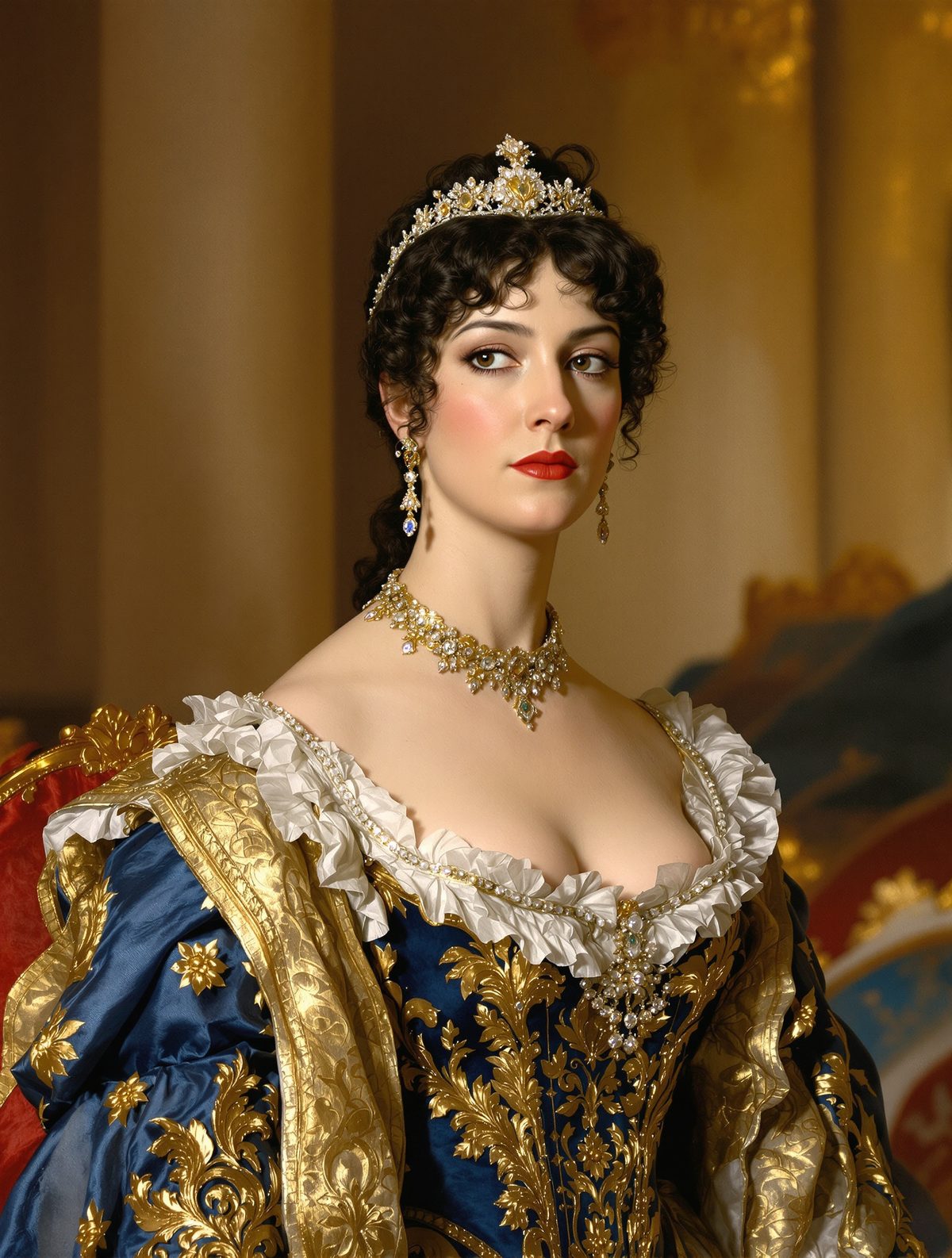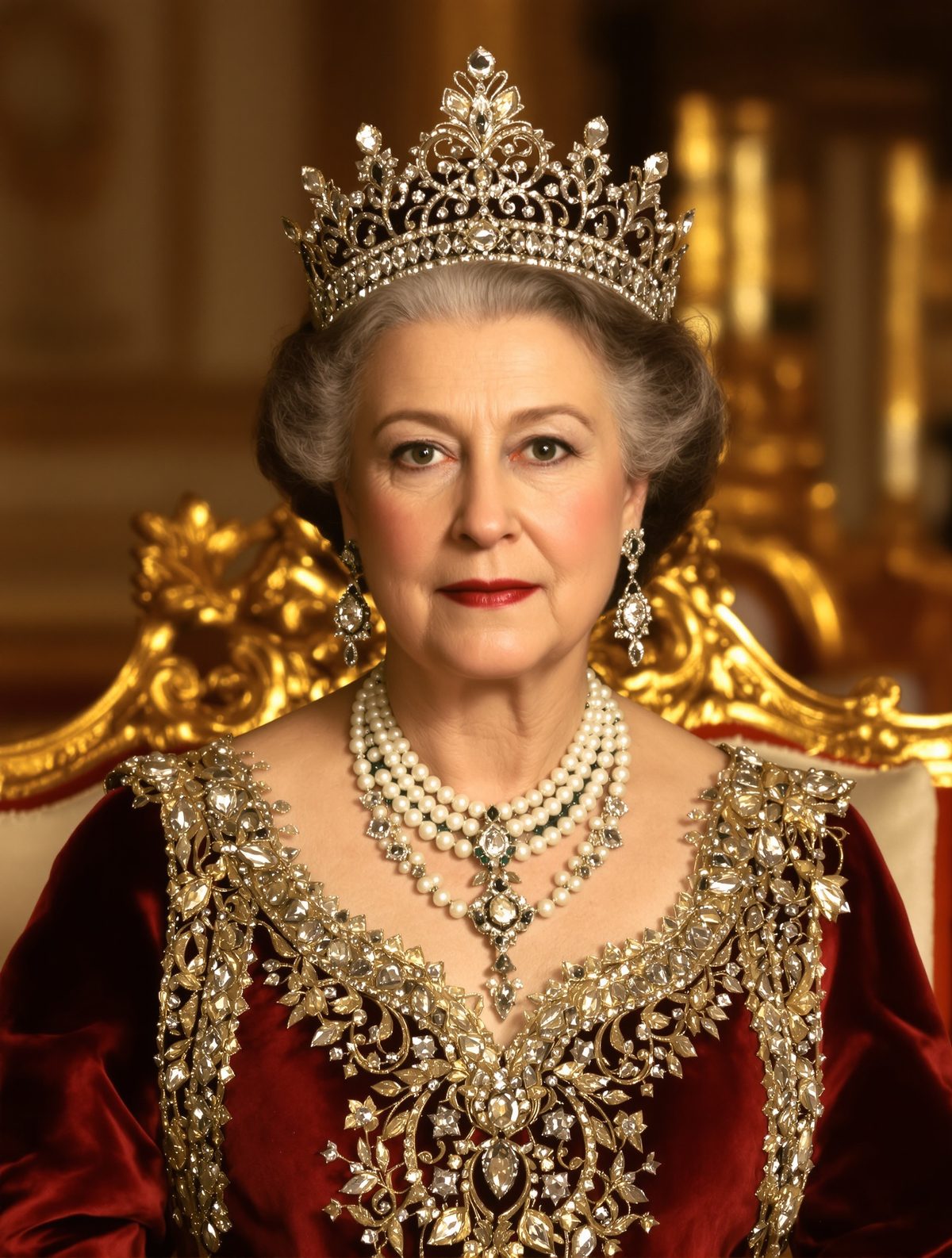
In the hushed corridors of Windsor Castle during the bitter winter of 1861, something extraordinary was unfolding each night as the clock struck twelve. Palace servants, accustomed to the predictable rhythms of royal routine, began to notice their sovereign's mysterious midnight disappearances. What they discovered would reveal the profound depths of one of history's greatest love stories and showcase Queen Victoria's devotion to Prince Albert in ways that touched even the most hardened courtiers.
A Love That Defined an Era
To understand the magnitude of Victoria's midnight vigil, one must first grasp the extraordinary partnership she shared with Prince Albert. Their marriage, which began as a political arrangement suggested by Victoria's uncle King Leopold of Belgium, blossomed into a passionate and profound union that would reshape the British monarchy for generations. Albert was not merely Victoria's husband—he was her closest adviser, her intellectual equal, and the steady hand that guided her through the complexities of ruling an empire at the height of its power.
For twenty-one years, the couple worked side by side, transforming the monarchy from a largely ceremonial institution into a modern, progressive force. Albert's influence extended far beyond the domestic sphere; he was instrumental in organizing the Great Exhibition of 1851, championed educational reform, and helped establish the monarchy's role as a moral compass for the nation. More personally, he was the father to their nine children and Victoria's emotional anchor in a role that could be overwhelmingly isolating.
When Albert fell gravely ill in December 1861, likely with typhoid fever, Victoria barely left his bedside. Palace records show she maintained an almost constant vigil, refusing to accept that her beloved companion might not recover. His death on December 14th didn't just end a marriage—it shattered Victoria's world entirely.
The Ritual That Moved a Palace
In the immediate aftermath of Albert's death, Victoria's grief was so profound that it alarmed her household. She withdrew almost completely from public life, wearing mourning black for the remainder of her days and insisting that Albert's rooms remain exactly as he had left them. But it was her nightly ritual that truly revealed the depth of her devotion—and provided a glimpse into the private woman behind the imperial crown.
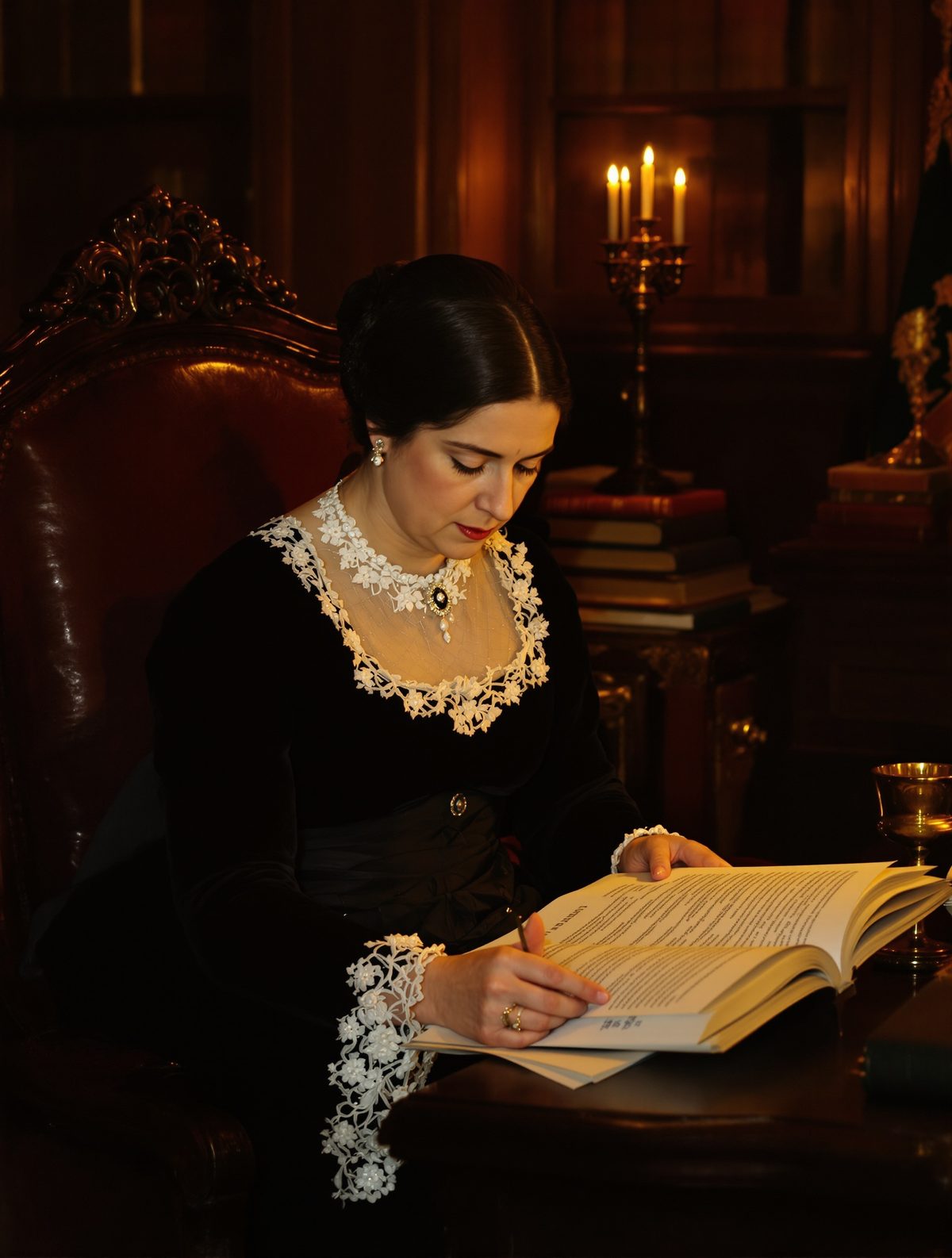
Each night at the stroke of midnight, when the palace had settled into quietude, Victoria would slip from her chambers and make her way to Albert's private study. Servants reported finding her there, seated at his desk with the day's official dispatches spread before her, reading aloud to his empty chair as if he were still present to hear her words. She would methodically work through government papers, foreign correspondence, and matters of state, sharing her thoughts and seeking his counsel just as she had done every evening for more than two decades.
The scene was both heartbreaking and profoundly moving, according to contemporary accounts from palace staff. Here was the most powerful woman in the world, sovereign of the largest empire in history, finding solace in the illusion that her partnership with Albert could somehow continue beyond death. The ritual demonstrated not just personal grief, but the extent to which Albert had been integral to Victoria's reign itself.
A Household United in Compassion
What makes this story particularly touching is how the palace household responded to their sovereign's midnight vigil. Rather than viewing it as concerning behavior that needed to be curtailed, the servants and courtiers showed remarkable sensitivity and discretion. They quietly adjusted their routines to ensure Victoria's privacy during these sacred hours, with some even ensuring that Albert's study remained properly heated and that fresh candles were always available.
The Queen's longtime dresser and confidante reportedly instructed the household staff never to disturb these midnight sessions unless there was a genuine emergency. This collective act of compassion from the palace staff speaks to the genuine affection they held for Victoria, but also to their understanding of the unique pressures and isolation that came with her position. In allowing her this private space to grieve, they were providing something invaluable—the freedom to be simply a widow, rather than a queen.
Contemporary letters from courtiers describe being deeply moved by witnessing Victoria's dedication to maintaining her connection with Albert. Far from seeing it as mere melancholy, many recognized it as a testament to the strength of their partnership and Victoria's commitment to honoring Albert's memory by continuing the work they had shared.
The Legacy of Devotion
Victoria's midnight vigils continued for several months following Albert's death, gradually becoming less frequent as she slowly began to re-engage with her royal duties. However, the practice revealed something profound about both her character and the nature of royal partnerships. Unlike many royal marriages of the era, which were primarily political arrangements, Victoria and Albert had created a true working partnership built on mutual respect, shared values, and genuine love.
The ritual also demonstrated Victoria's deep sense of duty—even in her most private moments of grief, she was still engaging with matters of state, still fulfilling her responsibilities as sovereign. By reading the dispatches aloud to Albert's memory, she was both honoring their partnership and ensuring continuity in governance during one of the most challenging periods of her reign.
This period of intense mourning, while initially concerning to her government and subjects, ultimately contributed to Victoria's evolution into the revered figure she became in her later years. Her visible grief humanized the monarchy in ways that resonated deeply with her subjects, many of whom had experienced similar losses. The devoted widow became as much a part of Victoria's identity as the young queen or the later Empress of India.
The story of Queen Victoria's midnight vigils offers us a window into the private heart of one of history's most significant monarchs. In those quiet hours in Albert's study, reading dispatches to an empty chair, we see not just a grieving widow, but a woman whose love transcended death itself. Her devotion reminds us that behind the crown and ceremony, the royal story has always been, at its core, profoundly human. Today's royal family continues this tradition of deep, committed partnerships—showing us that some aspects of love and devotion remain constant, whether in a palace or any home where true partnership flourishes.