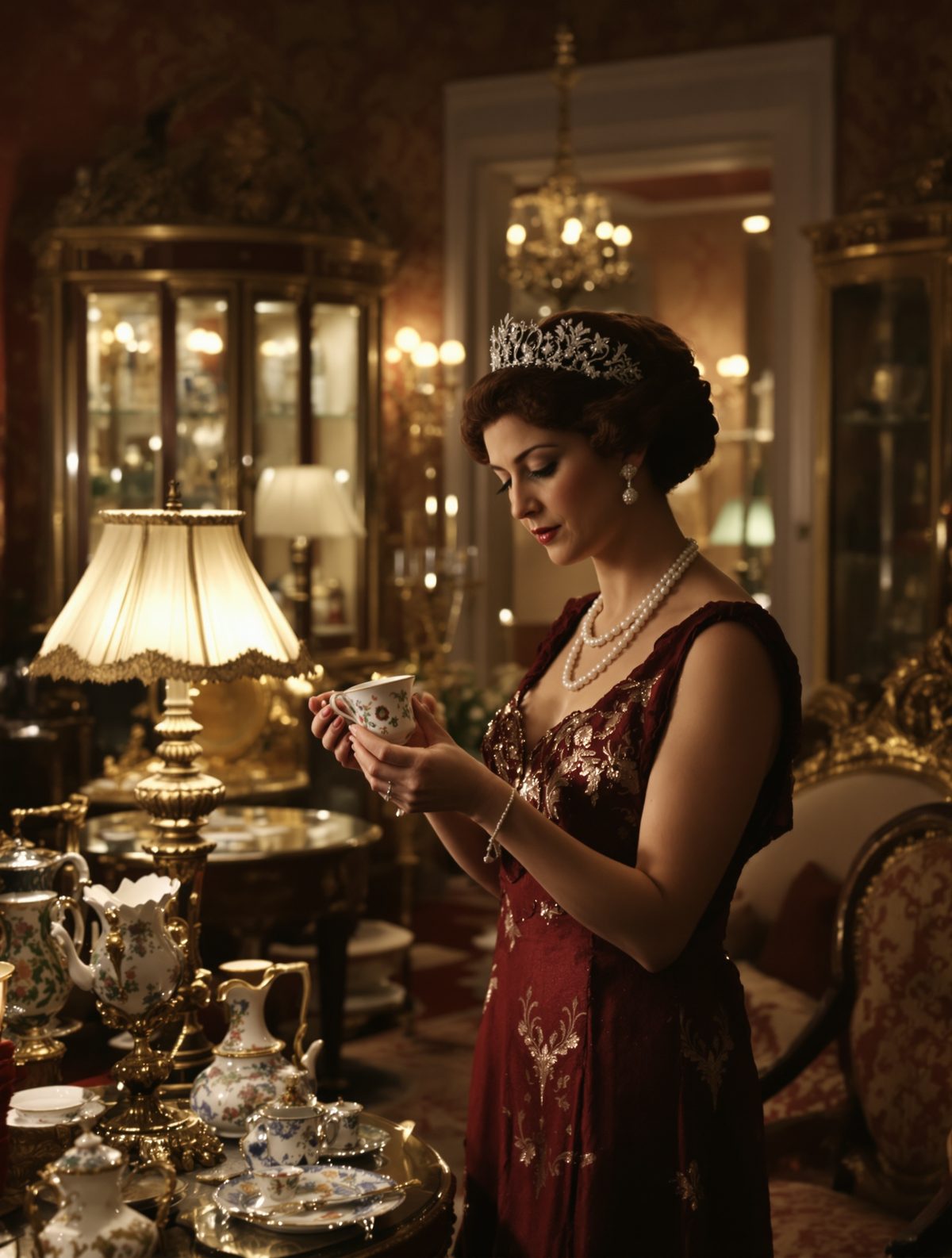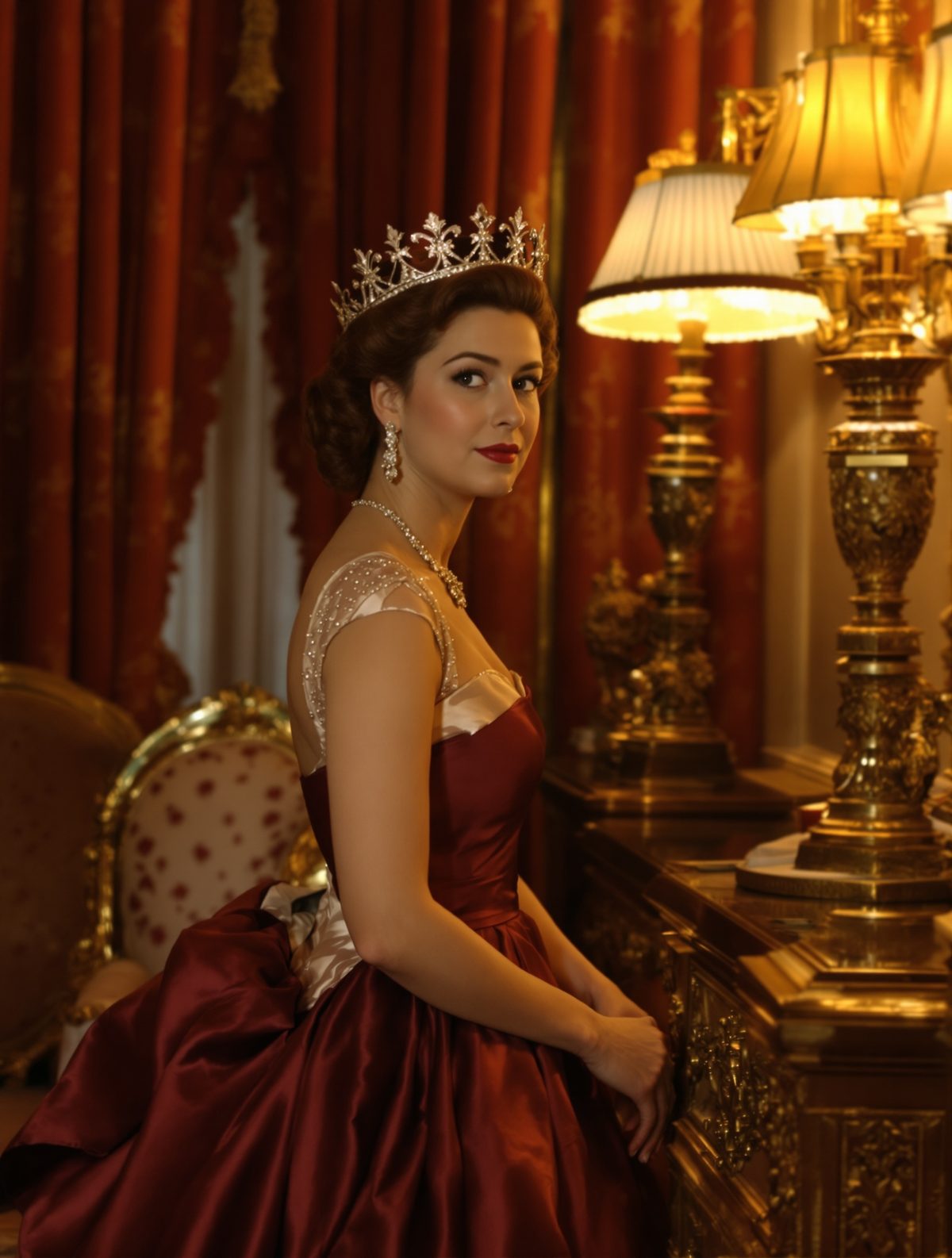
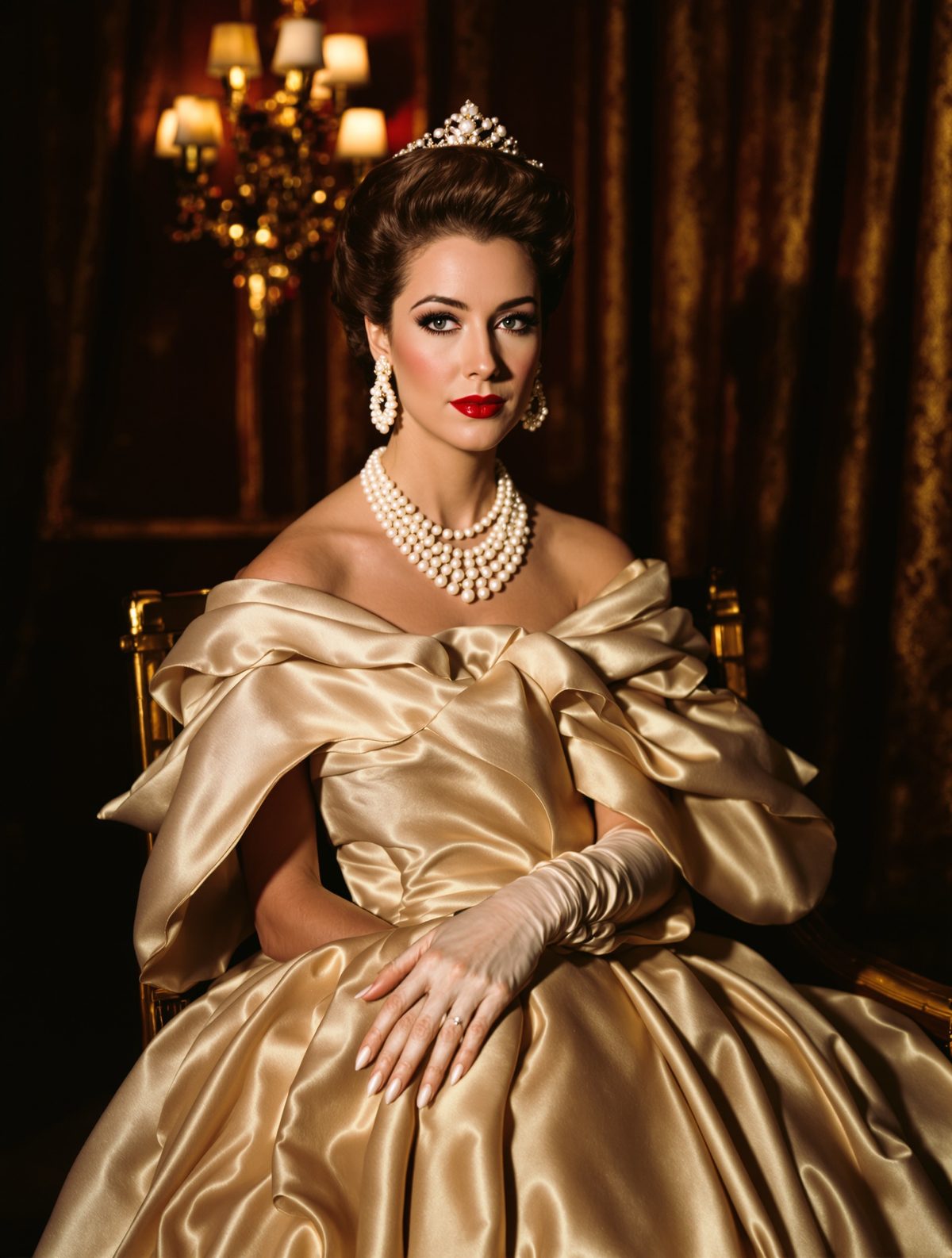
Behind the gilded gates of Buckingham Palace in 1954, the establishment was reeling from a scandal that had nothing to do with divorce proceedings or abdication crises. Princess Margaret Rose, the Queen's spirited younger sister, had done something so utterly unprecedented that it left courtiers scrambling for their smelling salts. The rebellious princess hadn't just posed for photographs—she had secretly transformed herself into a fashion model, complete with borrowed haute couture gowns and poses that would have made Vogue editors weep with joy.
The Princess Who Dared to Dream Beyond the Palace
Princess Margaret had always been different. While her sister Elizabeth dutifully prepared for the throne with constitutional lessons and state papers, Margaret cultivated an air of bohemian glamour that set tongues wagging throughout London society. By 1954, at just 23 years old, she had already established herself as the royal family's most fashion-forward member, regularly appearing on best-dressed lists and setting trends that rippled through post-war Britain.
The princess possessed an innate understanding of style that went far beyond the safe, conservative choices expected of royal ladies. She favored dramatic silhouettes, bold colors, and avant-garde designers who pushed boundaries. Her wardrobe was a carefully curated collection of pieces from the most prestigious fashion houses of Europe, each chosen to make a statement about her unique position as a modern royal woman.
What many didn't realize was that Margaret harbored a secret fascination with the world of professional fashion photography. She had grown increasingly enamored with the artistic possibilities of fashion imagery, studying the work of leading photographers and developing strong opinions about composition, lighting, and styling. This interest would soon lead her down a path that horrified the Palace establishment.
Cecil Beaton: The Perfect Co-Conspirator
Enter Sir Cecil Beaton, the legendary photographer who had already carved out an extraordinary career capturing both royalty and the fashion world's most glamorous figures. Beaton was a fascinating character in his own right—a man who moved seamlessly between Buckingham Palace and the studios of Vogue, equally comfortable photographing queens and chorus girls. His artistic eye and deep understanding of royal protocol made him uniquely positioned to navigate the delicate waters of Princess Margaret's unconventional request.
When Margaret approached Beaton with her audacious proposal, he initially hesitated. The idea of photographing a member of the royal family in borrowed designer gowns for what amounted to a commercial fashion shoot was unprecedented. Yet Beaton, ever the artist, was intrigued by the creative possibilities. The princess's natural elegance and photogenic qualities, combined with access to the finest couture gowns in London, presented an irresistible opportunity to create something truly spectacular.
The logistics of the secret shoot required careful planning worthy of a military operation. Beaton arranged for several exquisite gowns to be "borrowed" from leading fashion houses, ostensibly for a royal portrait session. The actual shoot took place in his studio, away from prying palace eyes, with only the most trusted assistants present. Every precaution was taken to ensure absolute discretion.
The Clandestine Fashion Shoot That Changed Everything
The photographs that emerged from this secret session were nothing short of revolutionary. Princess Margaret, freed from the constraints of traditional royal portraiture, revealed herself to be a natural model with an instinctive understanding of how to work with both camera and couture. The images captured her in a series of stunning designer gowns, each photograph showcasing not just the clothes but Margaret's own sophisticated sense of style and undeniable charisma.
Beaton's masterful lighting and composition elevated the shoots beyond mere fashion photography into the realm of art. The princess appeared both regal and modern, maintaining her royal dignity while embracing the glamorous possibilities of high fashion. The photographs demonstrated that royalty could be both traditional and thoroughly contemporary, a concept that would later influence how the monarchy presented itself to the world.
The borrowed gowns themselves were spectacular examples of 1950s haute couture—flowing evening dresses with dramatic trains, elegant cocktail frocks with innovative silhouettes, and avant-garde pieces that pushed the boundaries of traditional formal wear. In each photograph, Margaret wore these creations with the confidence of a professional model, proving that her interest in fashion went far deeper than mere royal obligation.
Palace Panic and Official Outrage
When news of the photoshoot inevitably reached palace officials, the reaction was swift and severe. The very idea that a princess of the realm had engaged in what amounted to commercial modeling was seen as a devastating breach of royal protocol. Palace courtiers, already nervous about Margaret's unconventional approach to royal duties, viewed this latest escapade as evidence of her dangerous disregard for tradition.
The officials' concerns weren't entirely without merit. The royal family's image was carefully cultivated through official portraits and ceremonial appearances, not fashion photography that could be seen as frivolous or commercial. There were genuine fears about how such images might affect public perception of the monarchy during a period when Britain was still recovering from the upheaval of World War II and establishing a new post-war identity.
The immediate response was damage control. Palace staff worked quickly to ensure that the photographs would never see publication in their intended form. Negotiations with fashion magazines were quietly undertaken, and the images were effectively buried before they could cause any public relations disasters. The entire affair was swept under the royal carpet with the efficiency that only the Palace machinery could achieve.
Behind closed doors, Princess Margaret faced stern conversations about appropriate royal behavior and the importance of maintaining proper protocols. Yet those close to her noted that she seemed remarkably unrepentant about the entire affair, viewing it as a harmless artistic exercise rather than a serious breach of royal duty.
A Legacy of Royal Glamour and Modern Style
While the Palace successfully contained the immediate scandal, Princess Margaret's secret modeling session proved to be prophetic in many ways. Her instinctive understanding that royalty could embrace high fashion and contemporary style would eventually become standard practice for future generations of royal women. The sophisticated glamour she brought to royal fashion helped modernize the monarchy's image and made it more relevant to post-war Britain.
The collaboration between Margaret and Beaton, despite its controversial nature, produced images that remain stunning examples of both royal portraiture and fashion photography. Though they were never published as originally intended, these photographs survived as testament to a princess who dared to push boundaries and explore new forms of artistic expression within the constraints of royal life.
Looking back, Princess Margaret's rebellious photoshoot represents more than just a moment of royal scandal—it was an early glimpse of how the monarchy would eventually need to adapt to changing times. Her willingness to experiment with fashion and embrace contemporary culture helped pave the way for future royal women who would similarly use style and glamour as tools of modern royal communication. In her own inimitable way, the princess who horrified Palace officials was actually helping to secure the monarchy's future relevance in an increasingly modern world.