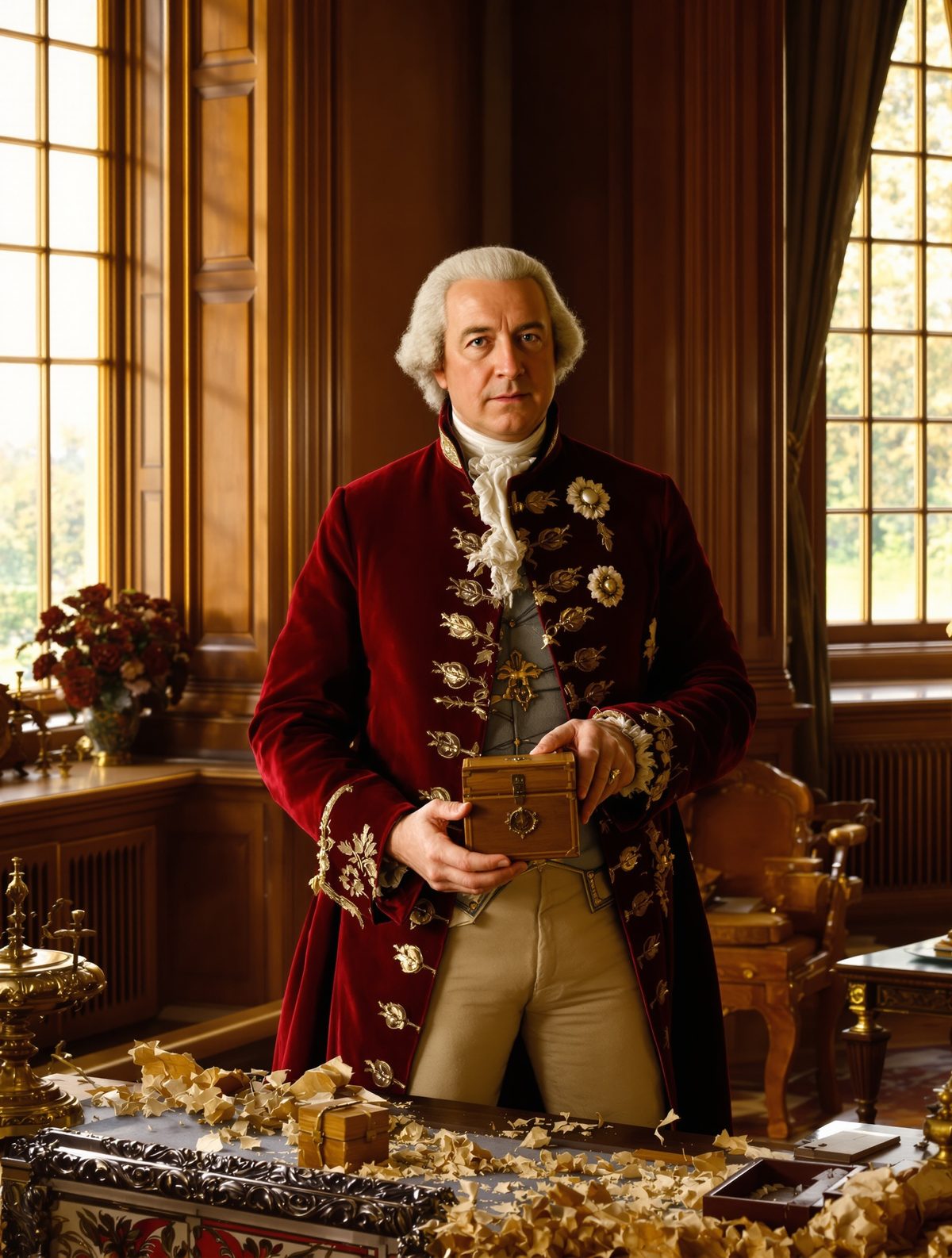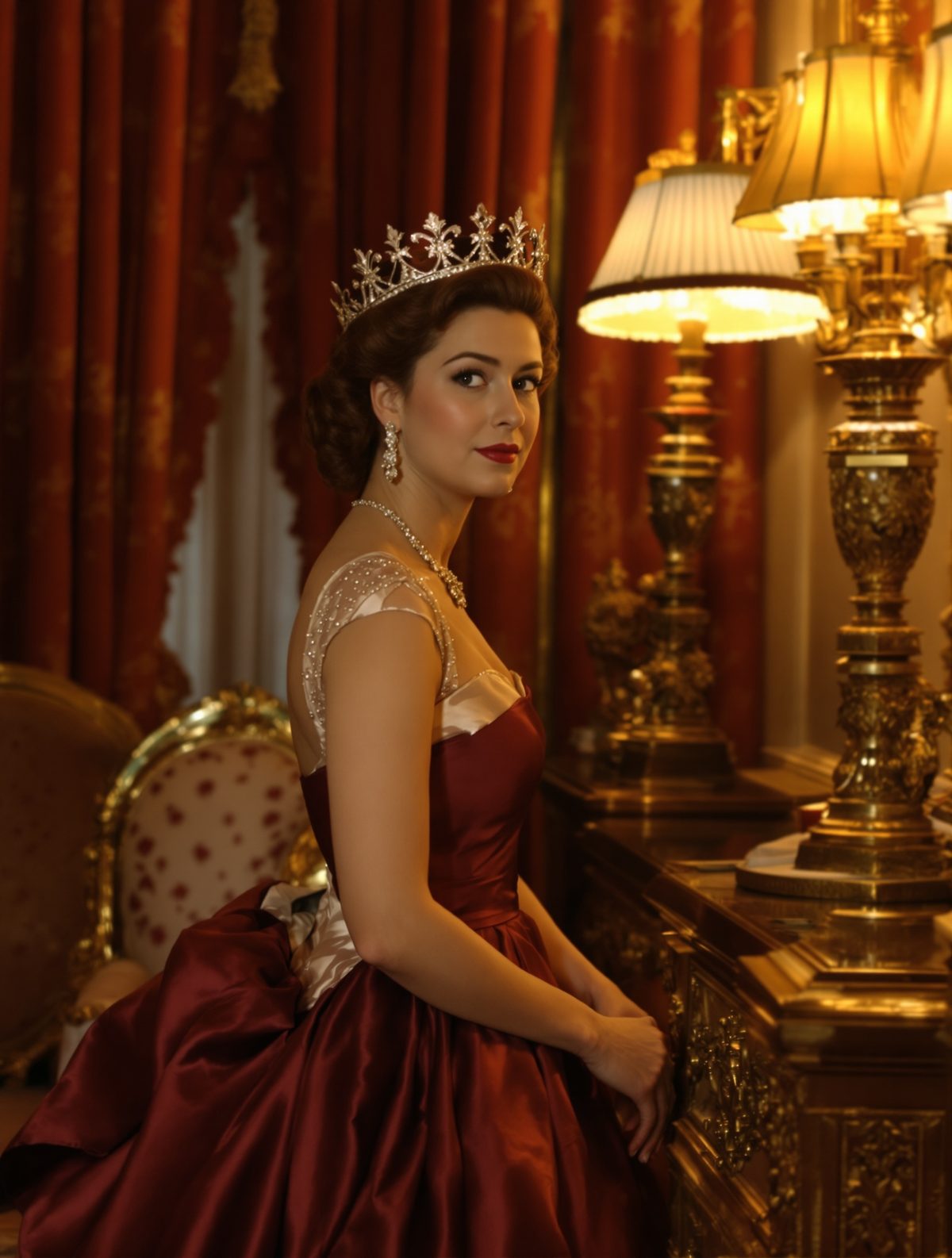
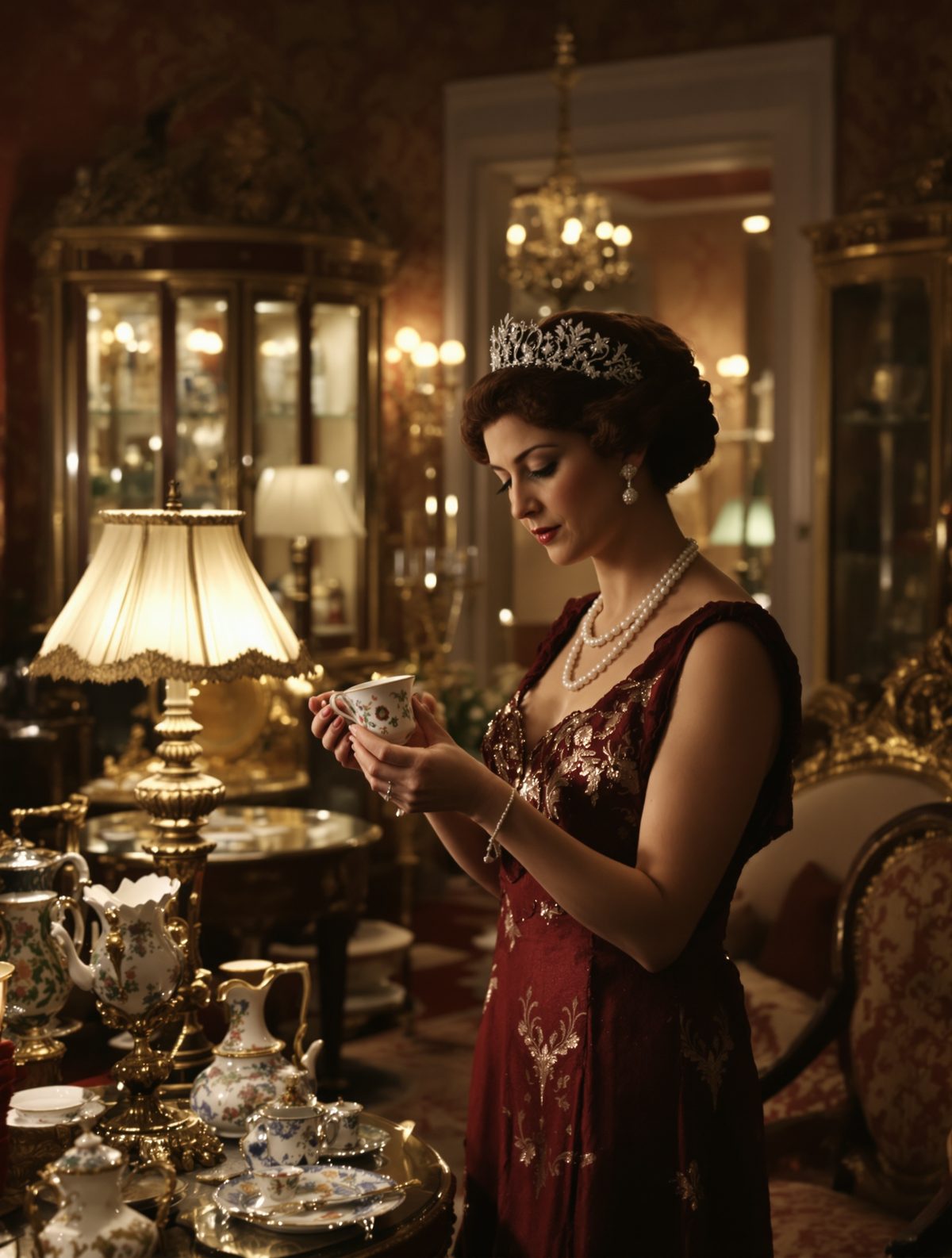
The crystal chandeliers had been dimmed, the last course cleared away, and most guests assumed the evening's formalities had concluded. But for Queen Mary, the real work was just beginning. As dignitaries and aristocrats mingled over brandy and cigars in the grand drawing rooms of Buckingham Palace, the Queen Consort would quietly slip away from the main gathering, her keen eyes already surveying the room for her true quarry. It wasn't political intelligence or court gossip she sought—it was the exquisite Chippendale chair in the corner, or perhaps that remarkable piece of Sèvres porcelain adorning a side table.
What followed became the stuff of legend among Britain's high society: Queen Mary's notorious "hunting expeditions," as her exasperated husband King George V came to call them. These late-night collecting raids would see the dignified Queen transform into something akin to an aristocratic detective, cornering unsuspecting guests in private alcoves and drawing rooms, all in pursuit of adding treasures to the ever-growing royal collection.
The Making of a Royal Collector
Queen Mary's passion for collecting wasn't merely a hobby—it was an all-consuming mission that she believed essential to preserving Britain's cultural heritage. Born Princess Victoria Mary of Teck in 1867, she had grown up surrounded by beautiful objects but with limited means to acquire them. Her family, though noble, lived modestly, and young May (as she was known) developed an early appreciation for craftsmanship and historical significance that would later define her reign.
When she married the future King George V in 1893, Mary found herself in the unique position of having both the resources and the responsibility to enhance the royal collections. She approached this task with the methodical precision of a museum curator and the determined spirit of a treasure hunter. Every piece had to have historical significance, exceptional craftsmanship, or a compelling connection to British royal history.
The Queen's knowledge was encyclopedic. She could identify maker's marks, date pieces to specific periods, and recite the provenance of items with scholarly accuracy. This expertise, combined with her royal status, made her both a formidable and irresistible force in the world of antiques and decorative arts.
The Art of Royal Persuasion
Queen Mary's collecting methods were as refined as they were relentless. She never simply demanded or commanded—that would have been beneath her dignity. Instead, she employed what courtiers came to recognize as a sophisticated form of royal diplomacy. After formal dinners, when the evening's protocol had relaxed, she would approach guests who possessed items that had caught her expert eye.
Her technique was masterful in its subtlety. She might begin by complimenting a guest on a particular piece they were wearing or had in their collection, demonstrating her considerable knowledge of its history and significance. The conversation would flow naturally from admiration to historical context, and then—with the gentlest of suggestions—to the piece's potential place in the royal collection, where it could be properly preserved and appreciated by future generations.
Few could resist such an approach. When the Queen of England personally acknowledged the beauty and importance of your family heirloom while simultaneously suggesting it belonged in the nation's premier collection, refusal seemed almost unpatriotic. Many guests found themselves agreeing to part with treasures before they quite realized what had happened.
The Queen's private secretary once observed that she possessed an almost supernatural ability to spot valuable items that others had overlooked. She might notice a small snuffbox tucked away in a corner, or identify a significant piece of jewelry that the owner had considered merely pretty rather than historically important.
King George V's Bemused Tolerance
While King George V deeply loved his wife, her collecting expeditions were a source of both amusement and mild embarrassment for the monarch. The King, whose own interests ran more toward stamp collecting and shooting, watched with a mixture of admiration and bewilderment as his wife pursued her passion with single-minded determination.
George V's famous reference to Mary's "hunting expeditions" captured perfectly the systematic and purposeful way she approached these after-dinner sessions. Like a skilled huntress, she would identify her target, plan her approach, and rarely return empty-handed. The King learned to recognize the signs: when Mary's attention became particularly focused on a guest's accessories or when she began asking detailed questions about family collections, he knew another "expedition" was underway.
Despite his occasional exasperation, the King respected his wife's expertise and understood the cultural importance of her work. The royal collection grew exponentially during their reign, transforming from a somewhat haphazard accumulation of inherited pieces into a coherent, world-class collection of British decorative arts.
Courtiers noted that the King would sometimes attempt to rescue overwhelmed guests by steering conversations toward safer topics, but Mary's diplomatic persistence usually prevailed. She had elevated the art of royal collecting to new heights, and even her husband's gentle interventions rarely deterred her when she had identified a particularly desirable piece.
The Legacy of a Royal Magpie
By the time of Queen Mary's death in 1953, her collecting had transformed the royal palaces into treasure troves of British heritage. Every room in Buckingham Palace, Windsor Castle, and Sandringham bore testament to her exceptional eye and tireless efforts. More importantly, she had established collecting as a serious royal duty, setting standards for conservation and acquisition that continue to guide the monarchy today.
Her methods, while occasionally overwhelming for those on the receiving end of her attention, were always conducted with impeccable courtesy and genuine appreciation for craftsmanship. Many families took pride in knowing their ancestral pieces had found their way into the royal collection through Queen Mary's personal selection, seeing it as recognition of both the objects' worth and their own family's good taste.
The Queen's collecting also served a broader purpose in preserving British cultural heritage during a period of significant social change. As great houses were demolished and ancient families faced financial pressures, her acquisitions ensured that important pieces remained in Britain and were properly cared for rather than disappearing into private collections or foreign markets.
Queen Mary's legendary collecting expeditions reveal something profound about the nature of royal duty and personal passion. In her hands, what might have seemed like acquisitive behavior became a form of cultural stewardship that has enriched our national heritage for generations. Today, as visitors to the royal palaces marvel at the extraordinary collections on display, they are witnessing the fruits of those late-night conversations in Buckingham Palace drawing rooms, where a determined Queen pursued her mission one treasured piece at a time. Her legacy reminds us that sometimes the most important royal work happens not in the grand ceremonies of state, but in the quiet moments when passion meets purpose, creating something truly lasting for the nation.