The granite walls of Balmoral Castle held many secrets in the 1870s, but none quite as scandalous as the one unfolding on a crisp September night in 1878. While Queen Victoria dozed peacefully in her Highland retreat, blissfully unaware of the drama about to unfold, her fourth daughter Princess Louise was carefully lifting the latch of a side door, her heart pounding with the thrill of forbidden adventure. What happened next would send shockwaves through the rigid corridors of Victorian royal protocol and remind everyone that even princesses sometimes yearned to break free from their gilded cages.
The Rebel Princess Who Refused to Conform
Princess Louise Caroline Alberta was never destined to be a conventional royal daughter. Born in 1848, she possessed an artistic temperament and independent spirit that constantly chafed against the suffocating expectations of Victorian court life. Unlike her sisters, who dutifully accepted arranged marriages to German princes, Louise harbored dreams of becoming a sculptor and living life on her own terms.
By her thirtieth birthday, Louise had already scandalized polite society by actually working — she studied sculpture at the National Art Training School and created public monuments. The very idea of a princess getting her hands dirty with clay was revolutionary enough, but Louise's rebellious streak ran far deeper than her artistic pursuits. She craved experiences that went beyond the carefully choreographed world of state dinners and garden parties.
The Scottish Highlands had always held a special allure for Louise. While Queen Victoria found solace in Balmoral's familiar routines and predictable rhythms, her daughter was drawn to the wild, untamed landscape that stretched beyond the castle grounds. The lochs, in particular, seemed to call to something primal in her nature — perhaps representing the freedom she so desperately sought.
A Moonlit Escape to Freedom
The exact details of that fateful September evening remain somewhat shrouded in mystery, as royal scandals of the era were often hushed up or recorded only in the most discreet of private correspondence. What we do know paints a vivid picture of a young woman desperate for authentic experience in a world built on artifice and protocol.
Louise waited until the castle had settled into its nighttime quiet, when even the most dedicated servants had retired to their quarters. The Princess knew Balmoral's layout intimately — every creaking floorboard to avoid, every door that might betray her midnight mission with an unwelcome squeak. She had planned this escapade carefully, choosing a night when the moon was full enough to light her path but hoping the late hour would ensure complete solitude.
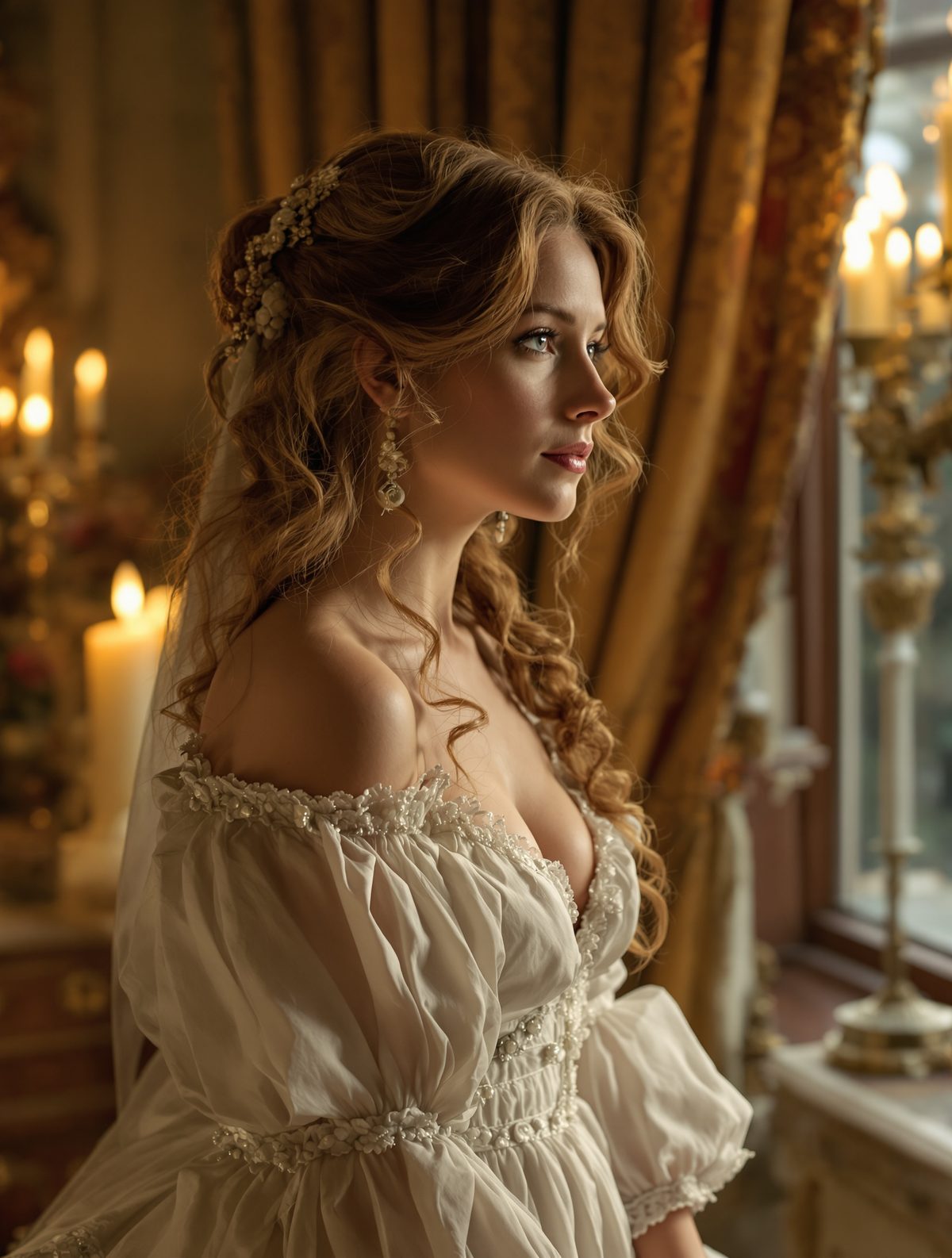
The Scottish air bit sharply at her skin as she made her way down to the loch's edge, her bare feet finding purchase on the rocky shore. Contemporary accounts suggest she shed her outer garments without hesitation, standing in only her chemise as she contemplated the dark, mirror-like water stretching before her. For a princess accustomed to having every aspect of her life scrutinized and controlled, this moment of pure privacy must have felt intoxicating.
The plunge itself was likely both shocking and liberating. Scottish lochs maintain their icy temperatures even in late summer, and the contrast between the cold water and Louise's warm skin would have been jarring. Yet she pressed on, swimming out into the loch with a freedom she could never experience within the castle walls.
The Groundskeeper's Dilemma
Unfortunately for Princess Louise, her carefully planned midnight adventure had an unexpected witness. A conscientious groundskeeper, making his rounds to ensure the estate's security, spotted the unusual activity at the loch. Imagine his shock at recognizing the distinctive silhouette of one of Queen Victoria's daughters engaged in such unseemly behavior!
The poor man found himself in an impossible position. Royal protocol demanded absolute discretion regarding the family's private affairs, yet his duty to the Queen seemed to require reporting this highly irregular incident. The groundskeeper likely spent a sleepless night wrestling with his conscience, knowing that whatever choice he made would have significant consequences.
By morning, loyalty to the Crown won out over loyalty to the Princess. The groundskeeper approached his superiors, who in turn felt compelled to inform Queen Victoria herself. The news traveled up the chain of command with the efficiency typical of royal households, where gossip moved faster than official correspondence.
Queen Victoria's Victorian Vapors
The Queen's reaction was everything Louise might have expected and dreaded. Victoria, who had elevated moral propriety to an art form and whose name would become synonymous with sexual repression and social conformity, was apoplectic. The idea of her daughter swimming alone, at night, in a state of undress, violated every principle of royal dignity she held sacred.
Victorian sensibilities regarding female behavior were particularly rigid when it came to royalty. Princesses were expected to be living embodiments of virtue, their every action reflecting the moral authority of the Crown. Louise's midnight swim represented not just personal rebellion, but a direct challenge to the carefully constructed image of royal perfection that Victoria had spent decades building.
The Queen's displeasure likely manifested in the cold, cutting manner for which she was famous. Rather than explosive anger, Victoria typically deployed devastating disapproval that could freeze the blood of even her most confident children. Louise would have found herself subjected to lectures about duty, propriety, and the sacred responsibilities of royal birth.
Yet this incident also revealed the fundamental tension between Victoria's roles as Queen and mother. While the sovereign in her was scandalized by the breach of protocol, the mother might have secretly understood her daughter's need for authentic experience. Victoria herself had been known to bend royal rules when it suited her — her relationship with her Highland servant John Brown was raising eyebrows throughout the same period.
The Lasting Ripples of a Royal Splash
Princess Louise's midnight swim became the stuff of whispered court legend, a perfect encapsulation of the broader social changes beginning to challenge Victorian orthodoxy. Her rebellion was part of a larger pattern of royal women pushing against traditional constraints — a movement that would eventually reshape the monarchy itself.
The incident also highlighted the impossible position of royal women in the late 19th century. Expected to embody perfection while denied genuine agency, they often found themselves seeking freedom in small, secret acts of defiance. Louise's swim was ultimately about more than cooling off in a Scottish loch; it was about claiming a moment of authentic selfhood in a life scripted by others.
Today, as we watch modern royals like Catherine and William teaching their children to swim, or see candid photos of royal family beach holidays, it's worth remembering Princess Louise's courage in claiming such simple pleasures for herself. Her midnight rebellion reminds us that behind the tiaras and protocols, royals have always been human beings yearning for the same freedoms the rest of us take for granted. Sometimes it takes a princess brave enough to dive into icy water under a Scottish moon to remind us that even the most gilded cage is still a cage.