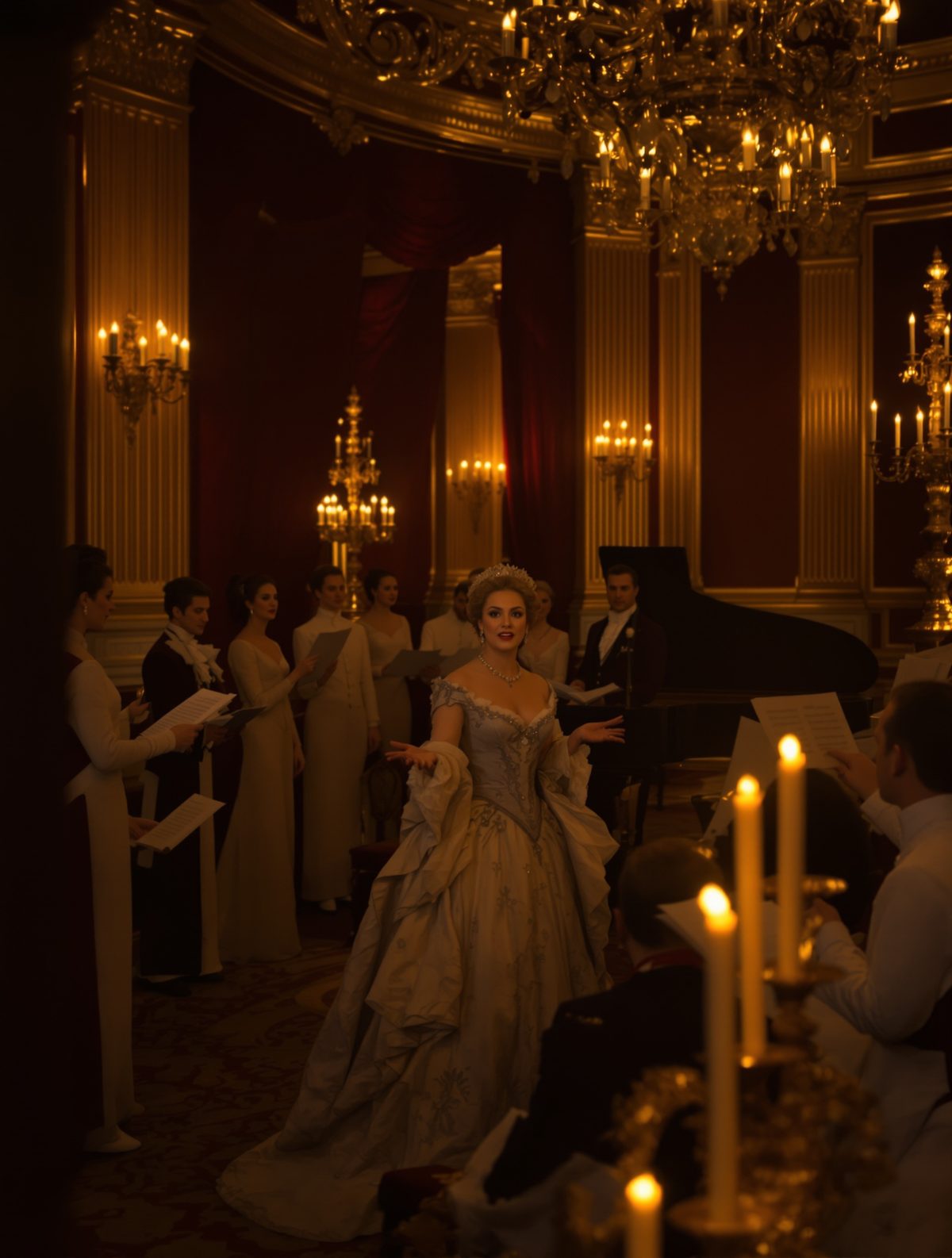
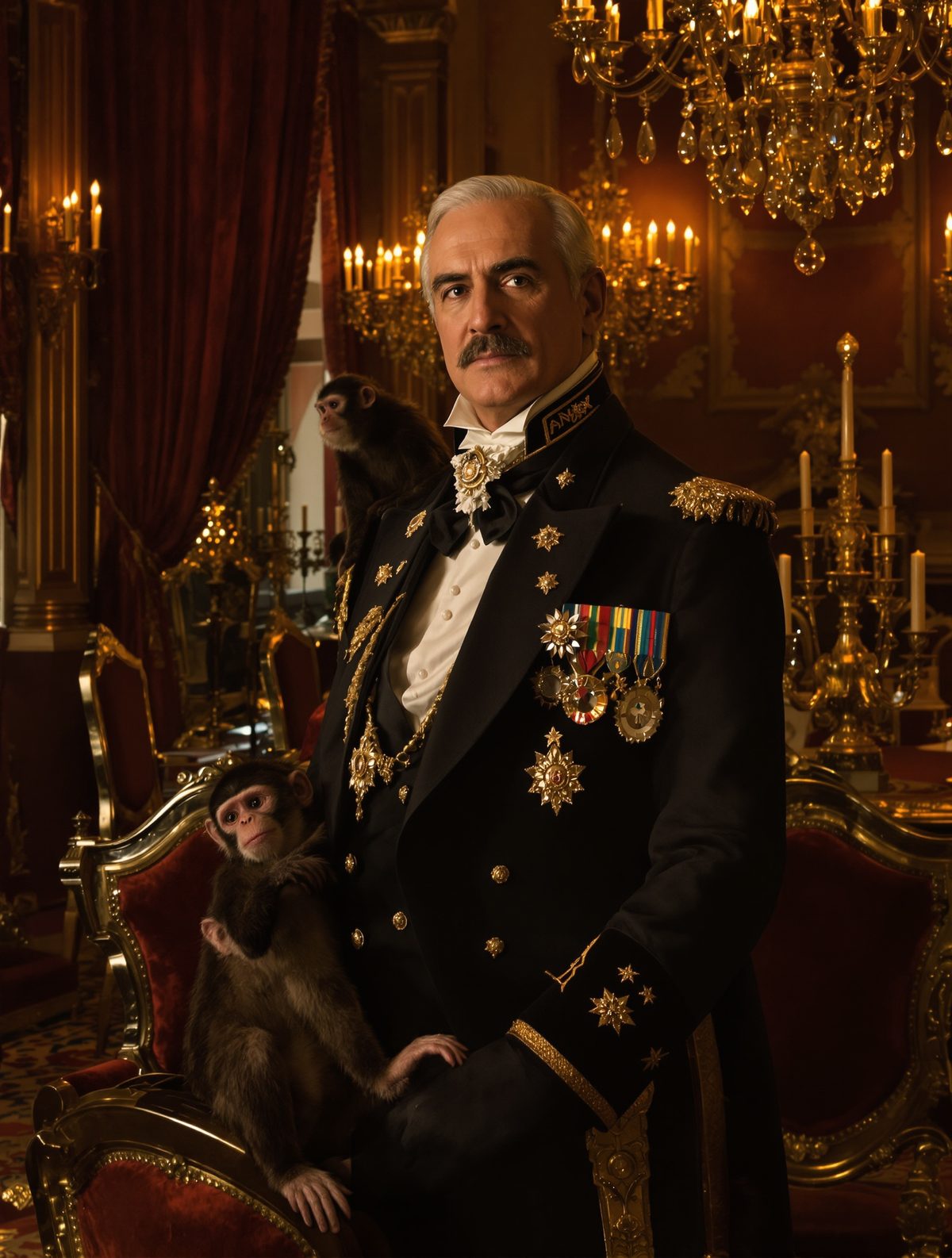
Picture this: you're a distinguished guest at an elegant Victorian dinner party, surrounded by the cream of British society in the opulent dining room of Marlborough House. Crystal glasses catch the candlelight, silverware gleams, and conversation flows as smoothly as the finest wine. Suddenly, chaos erupts as a small, furry intruder swings from the chandelier, snatches a lady's elaborate wig, and deposits it ceremoniously into the soup course. Welcome to dining with the future King Edward VII and his notorious pet monkey, Jack.
Long before he ascended to the throne in 1901, the Prince of Wales had already earned a reputation for unconventional behavior that frequently scandalized his mother, Queen Victoria. But perhaps nothing caused quite as much uproar—literally—as his decision to keep a mischievous primate as a household companion during the 1880s.
The Prince's Unusual Menagerie
Edward VII's love of animals was well-documented throughout his life, but his choice of pets often raised eyebrows among the more traditional members of the royal court. At Marlborough House, his London residence, the Prince maintained what could generously be described as an eclectic collection of creatures. Alongside the expected horses and dogs befitting a royal household, visitors might encounter exotic birds, and most memorably, Jack the monkey.
The exact origins of how Jack came to join the royal household remain somewhat mysterious, though it was not uncommon for wealthy Victorians to keep exotic pets as symbols of their worldliness and prosperity. The British Empire's far-reaching influence meant that unusual animals frequently found their way to London, often as gifts from colonial administrators or wealthy merchants seeking royal favor.
What made Jack particularly notorious wasn't simply his presence in the household, but his apparent talent for theatrical timing. The monkey seemed to possess an uncanny ability to stage his most spectacular escapes precisely when they would cause maximum embarrassment to his royal owner.
Dinner Party Disasters
The formal dinner party was the cornerstone of Victorian high society, a carefully choreographed affair where social hierarchies were reinforced and political alliances forged over multiple courses. Marlborough House regularly hosted such gatherings, with the Prince of Wales playing the role of genial host to diplomats, politicians, aristocrats, and society figures.
These occasions demanded perfect etiquette, flawless service, and absolute decorum. Jack the monkey, it seems, had received no instruction in any of these social graces.
The most infamous incident occurred during a particularly grand dinner party attended by some of the most prominent figures in London society. Lady Astor, known for her sharp wit and even sharper fashion sense, had arrived wearing one of the elaborate wigs that were still fashionable among certain social circles. The evening had progressed without incident through the early courses when disaster struck.
Jack, having somehow escaped from whatever containment the royal household had devised, made his dramatic entrance by swinging through the dining room. In a move that would have impressed circus audiences but horrified dinner guests, the monkey made a beeline for Lady Astor's distinctive headpiece. With practiced agility, he snatched the wig and, in a moment that surely felt like an eternity to the mortified Prince of Wales, deposited it directly into the soup tureen.
The reaction was reportedly spectacular. Lady Astor, suddenly revealed in her natural state, sat in stunned silence while soup dripped from her liberated wig. Other guests alternated between shocked gasps and barely suppressed laughter, unsure of the appropriate response to such an unprecedented breach of dinner party protocol.
Royal Disapproval and Consequences
Word of Jack's escapades inevitably reached Queen Victoria, who was already exasperated by her eldest son's numerous departures from royal protocol. The Queen, who valued dignity and propriety above nearly all else, was reportedly not amused by reports of monkey-induced chaos at formal royal functions.
Victoria's response was swift and unequivocal: Jack was banned from all royal functions. The monkey was no longer permitted to remain in residence during official entertaining, and strict measures were implemented to ensure that future dinner parties would proceed without simian interruption.
This royal prohibition reflected the broader tensions between Queen Victoria and her heir. The Prince of Wales's lifestyle—his love of gambling, racing, elaborate entertaining, and unconventional companions both human and animal—represented everything the Queen found troubling about modern society. Jack the monkey became, in many ways, a symbol of these deeper disagreements about royal conduct and responsibility.
The incident also highlighted the precarious social position of even the highest-ranking members of society. Lady Astor's dignity, carefully constructed through fashion and deportment, could be instantly demolished by an unpredictable animal. It served as an unwitting reminder that beneath all the elaborate protocols of Victorian society lay a fundamental chaos that could erupt at any moment.
Life at Marlborough House
Despite the official ban, Jack remained part of the Prince's household, though presumably under much stricter supervision during formal occasions. Marlborough House itself was perfectly suited to such unconventional arrangements—the grand mansion, designed by Christopher Wren, offered plenty of space for both conventional royal entertaining and the Prince's more eccentric pursuits.
The household staff, already accustomed to their master's unpredictable lifestyle, apparently adapted to include monkey-management among their duties. One can only imagine the additional clauses that might have been required in their employment contracts, or the stories they shared in the servants' quarters about their unique working conditions.
The Prince's attachment to his unusual pet reveals something touching about his character. Despite the embarrassment Jack caused, Edward seems to have been genuinely fond of the creature. In an era when royal life was increasingly constrained by protocol and public scrutiny, perhaps Jack represented a form of authentic, unpredictable companionship that was otherwise difficult to find.
Legacy of Royal Eccentricity
Jack the monkey's brief but memorable career as a royal pet offers a delightful glimpse into the more human side of royal history. The incident reminds us that behind the pomp and ceremony, the Victorian royal family dealt with the same kinds of domestic chaos that any pet owner might recognize—albeit with rather more significant diplomatic consequences.
The story also illuminates the ongoing tension between royal tradition and personal preference that continues to shape the monarchy today. Just as Queen Victoria struggled with her son's unconventional choices, modern royals continue to navigate the balance between public duty and private happiness, between institutional expectations and individual authenticity.
In our current age of carefully managed royal public relations, there's something refreshing about an era when a pet monkey could single-handedly derail diplomatic dinner parties. Jack's legacy lives on as a reminder that even the most carefully orchestrated royal occasions remain vulnerable to the delightfully unpredictable forces of nature—whether they arrive on four legs, two legs, or swinging from the chandelier.