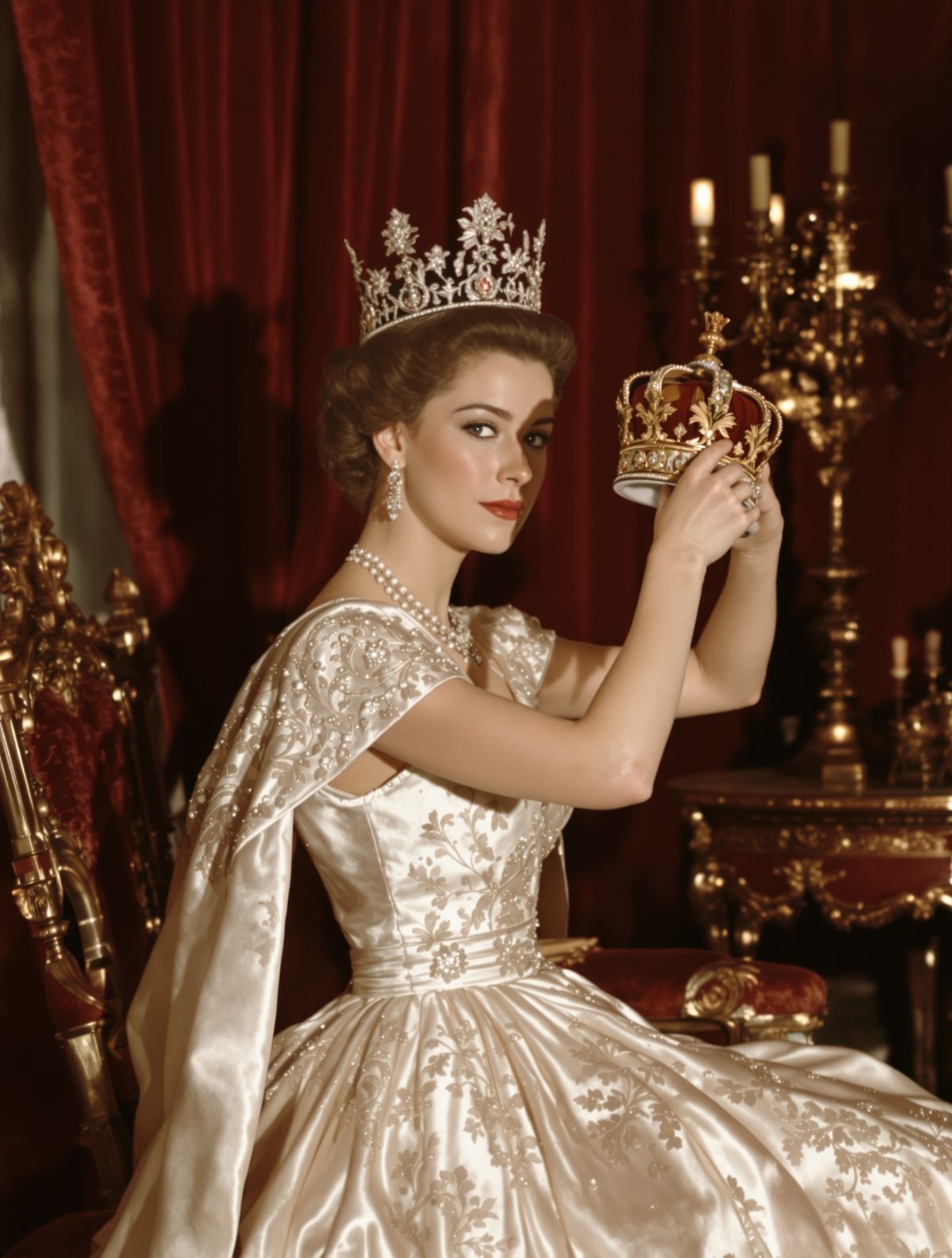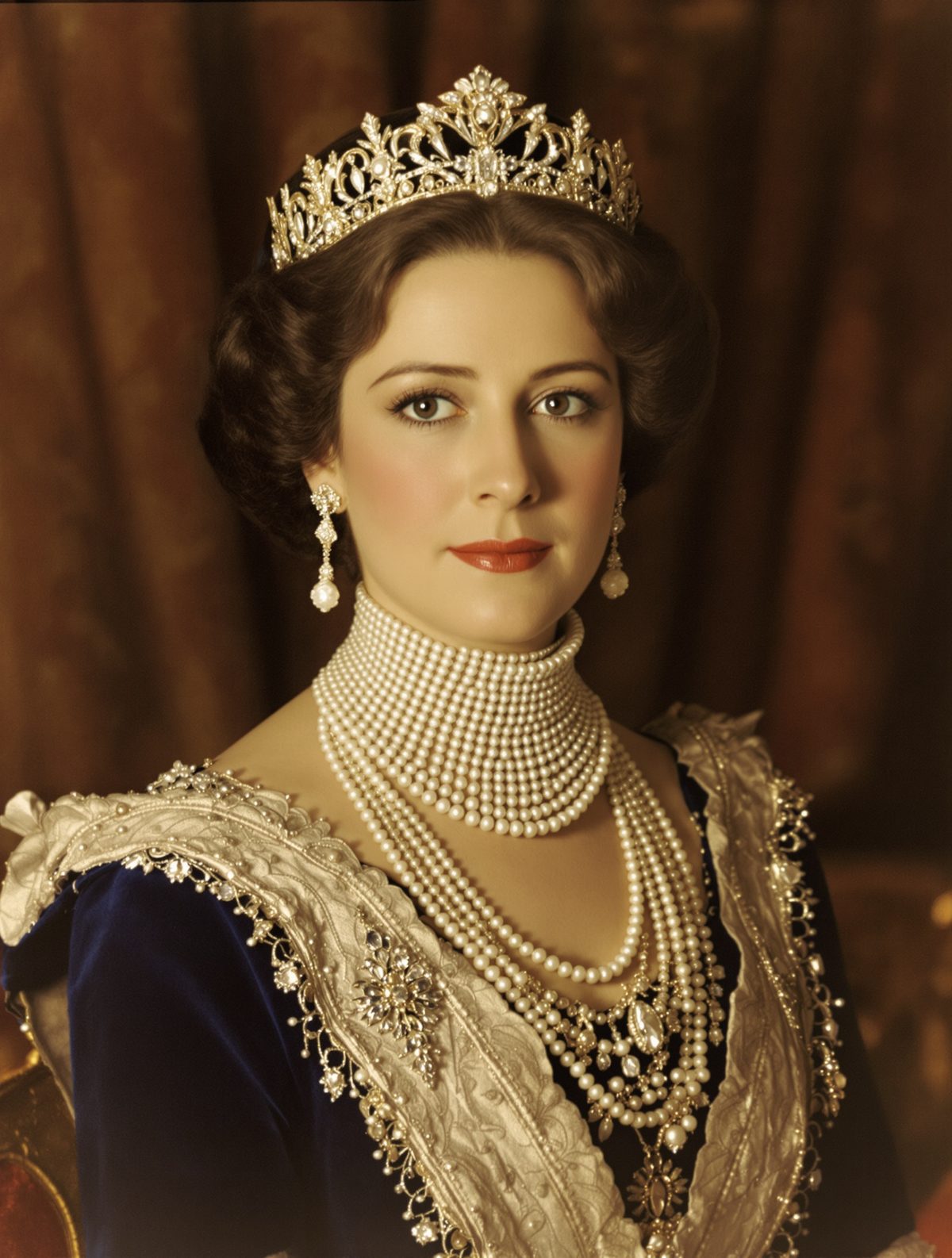
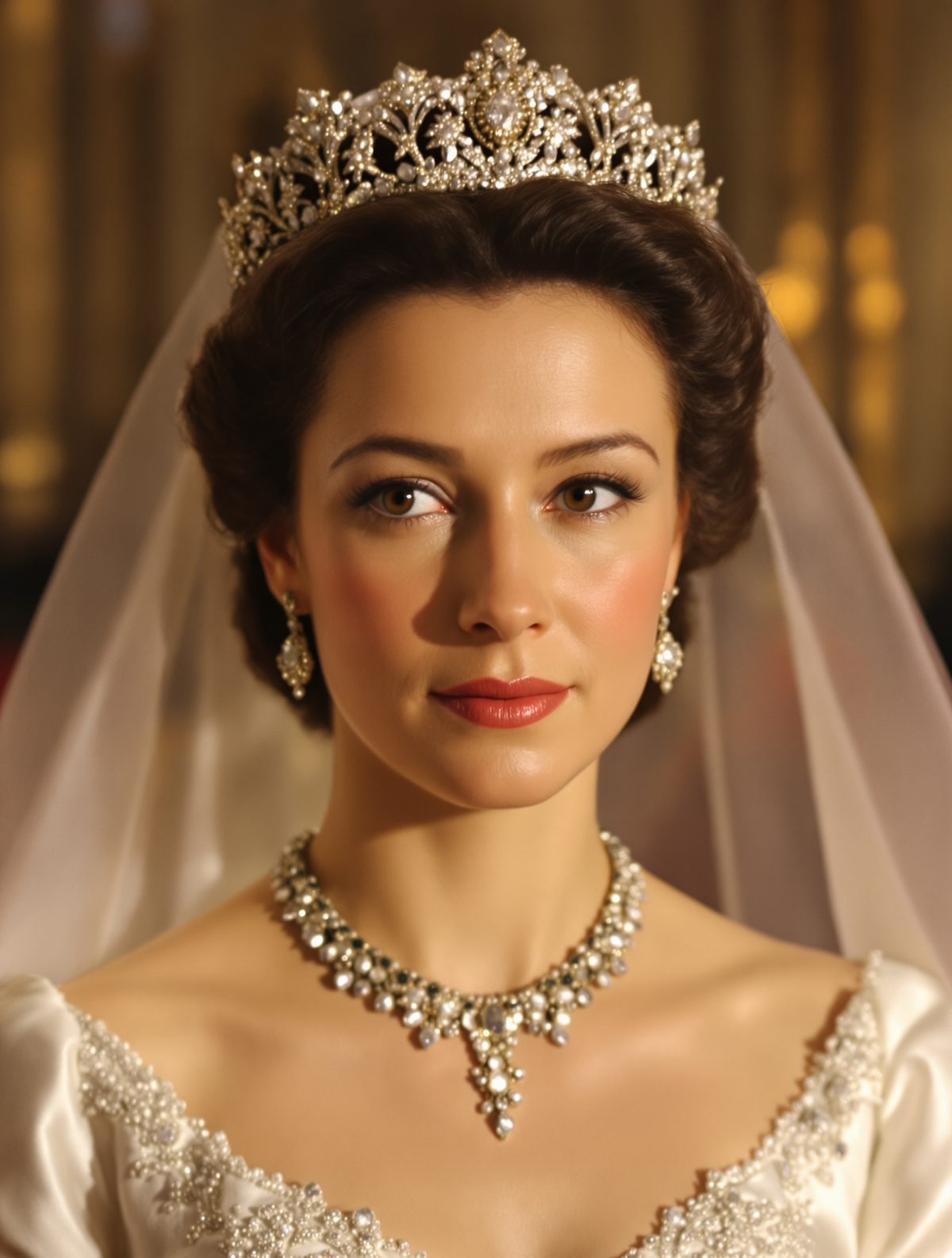
The night before her fairy-tale wedding, Princess Elizabeth faced every bride's worst nightmare. Her carefully crafted satin shoes had completely fallen apart during the final rehearsal, sending Palace staff into a panic with just hours to spare. As the future Queen of England prepared for what would become one of the most watched weddings in history, a simple pair of shoes threatened to derail the entire ceremony. What followed was a frantic midnight mission that would test the ingenuity of royal household staff and reveal the very human anxieties behind the Crown's most glittering moments.
The Perfect Wedding, Almost Undone
November 20, 1947, was meant to mark Princess Elizabeth's transformation from a young woman into a bride who would one day wear the Crown. Every detail of her wedding to Lieutenant Philip Mountbatten had been meticulously planned for months, from the Norman Hartnell gown adorned with 10,000 seed pearls to the elaborate Westminster Abbey ceremony that would be broadcast to 200 million people worldwide. In post-war Britain, still gripped by rationing and recovery, the royal wedding represented hope, glamour, and a return to magnificence.
The Princess's wedding ensemble was a masterpiece of 1940s craftsmanship. Her ivory silk gown, embroidered with star flowers, orange blossom, and ears of corn symbolising rebirth and fertility, had required special permission from the government to exceed fabric rations. The accompanying shoes were equally exquisite—delicate satin slippers designed to complement the gown's ethereal beauty, crafted by the Palace's trusted cobbler with the same attention to detail as every other element of the royal trousseau.
But during the final dress rehearsal at Westminster Abbey, disaster struck in the most unexpected way. As Princess Elizabeth practiced her measured walk down the abbey's ancient aisle, the satin on her left shoe began to split. By the time the rehearsal concluded, both shoes were beyond salvation—the delicate material had given way under the pressure of multiple fittings and the stress of rehearsal walks on the abbey's stone floors.
Midnight Crisis at Buckingham Palace
The discovery sent shockwaves through the usually unflappable royal household. With less than twelve hours until the ceremony, replacing the Princess's wedding shoes seemed an impossible task. In an era before overnight delivery services or emergency shopping, the Palace staff faced a logistical nightmare that required both creativity and speed.
The Palace cobbler, whose identity remains discretely protected by royal protocol even today, was summoned for what would become the most pressure-filled commission of his career. Working through the night in his workshop, he laboured to create a new pair of shoes that would not only match the original design but also provide the comfort and security the Princess would need for her long wedding day.
Meanwhile, other members of the household staff quietly spread the word among London's finest shoemakers, hoping to secure backup options should the Palace cobbler's emergency efforts fall short. The secrecy was paramount—any leak about wedding day difficulties would have caused unwanted headlines and potentially overshadowed the joyous occasion the nation was eagerly anticipating.
As dawn broke over London on November 20th, the cobbler's night-long efforts had produced a pair of shoes that appeared identical to the originals. The craftsmanship was impeccable, the satin lustrous, and the design faithful to the original specifications. It seemed the crisis had been averted through skilled hands and determined effort.
A Wedding Morning Discovery
The wedding morning at Buckingham Palace buzzed with the controlled excitement that marks all great royal occasions. Princess Elizabeth's dressing room became the centre of carefully choreographed preparations, with her dresser, hairdresser, and other trusted attendants ensuring every detail was perfect. The Norman Hartnell gown hung like a work of art, the Queen Mary fringe tiara sparkled under the morning light, and the atmosphere hummed with anticipation.
However, when the moment came to slip on the new shoes, another problem emerged. The overnight creation, while visually perfect, was uncomfortably tight. The cobbler, working against time and without the benefit of a final fitting, had created shoes that were just slightly too small for the Princess's feet. With guests already arriving at Westminster Abbey and the ceremony schedule set in stone, there was no time for further alterations.
The Princess's dresser, a woman whose years of service had prepared her for every conceivable crisis, quickly devised a solution that was as practical as it was ingenious. She carefully stuffed the toe areas of both shoes with soft cotton wool, creating just enough cushioning to make them bearable while ensuring they wouldn't slip off during the ceremony. It was a testament to the resourcefulness that has long characterised the royal household staff—individuals whose discretion and quick thinking often save the day behind the scenes.
Grace Under Pressure
What makes this story particularly remarkable is how Princess Elizabeth handled the crisis. Despite the stress of her wedding morning being complicated by uncomfortable shoes, she maintained the composure and grace that would later define her reign as Queen Elizabeth II. Those present recalled her calm acceptance of the situation and her gratitude toward the staff who had worked so tirelessly to solve the problem.
The wedding ceremony itself proceeded without a hint of the behind-the-scenes drama. Princess Elizabeth walked down Westminster Abbey's aisle with perfect poise, her slight discomfort hidden beneath layers of royal training and natural dignity. The cotton wool solution proved effective—the shoes stayed on, the Princess remained comfortable enough to complete the lengthy ceremony, and the millions watching around the world witnessed what appeared to be a flawlessly executed royal wedding.
The incident also highlighted the extraordinary dedication of the Palace staff, whose willingness to work through the night exemplified the devotion that keeps royal occasions running smoothly. The cobbler's emergency craftsmanship, while not perfect in fit, was remarkable in its speed and attention to detail. His work ensured that a potential disaster became merely a minor hiccup in an otherwise perfect day.
The Human Touch Behind Royal Perfection
This charming episode reminds us that even the most carefully planned royal occasions can face unexpected challenges, and that behind every perfect public moment lies a team of dedicated individuals ready to solve problems with creativity and grace. The story of Princess Elizabeth's wedding shoe crisis has become part of royal folklore, passed down through generations of Palace staff and occasionally shared in memoirs and royal biographies.
In our age of instant communication and social media scrutiny, it's hard to imagine such a wedding day crisis remaining secret, even briefly. The 1947 royal wedding occurred in a different era, when Palace privacy was more easily maintained and when the human moments behind royal ceremonies were shared selectively, if at all. Today's royal brides might face similar last-minute challenges, but they would likely become public knowledge within hours rather than remaining palace secrets for decades.
The ingenuity shown by Princess Elizabeth's dresser—solving an urgent problem with simple cotton wool—reflects a practical wisdom that transcends royal circles. Every bride, regardless of their station, can appreciate the relief that comes from having someone nearby who can think quickly and act decisively when things don't go according to plan. It's a reminder that beneath the grandeur and ceremony, royal weddings share the same human elements of hope, nervousness, and the occasional unexpected challenge that mark all meaningful celebrations of love.