Every Tuesday afternoon at precisely two o'clock, something extraordinary happened at Buckingham Palace. The King Emperor of the British Empire — ruler of a quarter of the world's population — would slip away from his red boxes, his ministers, and his constitutional duties. Palace staff learned not to schedule appointments during these mysterious absences. Courtiers whispered in hushed tones about where their sovereign disappeared to each week. The truth, when it eventually emerged, revealed one of the most touching secrets in royal history: King George V, beard grey and bearing the weight of an empire, was cycling through the London streets to have tea and jam tarts with his childhood nanny.
The Disappearing King
The mystery began in the early 1910s, shortly after George V's accession to the throne. Palace officials noticed a peculiar pattern in His Majesty's schedule. Without fail, every Tuesday afternoon, the King would dismiss his private secretary, cancel his audiences, and vanish from the palace grounds. Initially, staff assumed these were unofficial state visits or perhaps meetings with intelligence services — the sort of confidential business that required absolute discretion.
But as weeks turned to months, and months to years, the King's Tuesday disappearances became the subject of considerable speculation within royal circles. Where was the King going? Why was he so secretive? And why did he always return with such a contented expression, often with crumbs on his beard?
The palace's senior staff — men accustomed to knowing every detail of the royal household's operations — found themselves completely in the dark. Even more puzzling was the King's mode of transport. Rather than taking a state carriage or motor car, George V would quietly retrieve an ordinary bicycle from a palace outbuilding and pedal away like any common citizen of London.
What made these excursions even more remarkable was the King's character. George V was known for his rigid adherence to protocol and duty. He was a man who insisted on punctuality, formal dress codes, and proper procedure in all aspects of royal life. The idea that such a disciplined monarch would regularly abandon his responsibilities for secret adventures seemed almost inconceivable to those who knew him.
The Secret of Sandringham Cottage
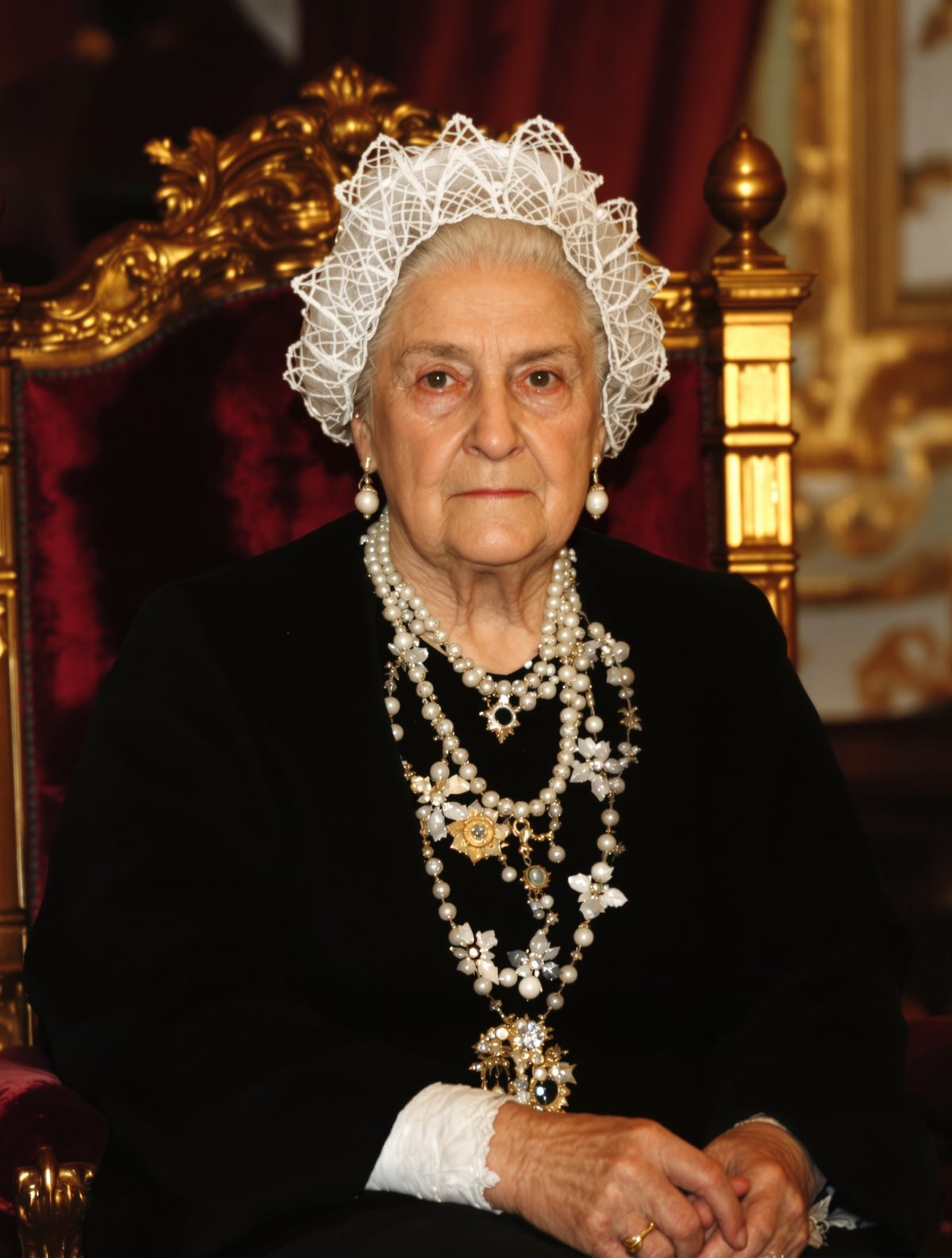
The truth behind the King's mysterious Tuesdays lay in a modest cottage not far from the royal estate at Sandringham. There lived Mrs. Elizabeth Bill — though to one very important visitor, she would always be simply "Nana." Mrs. Bill had entered royal service in the 1860s as nurserymaid to the children of the future King Edward VII, including young Prince George, who would grow up to become King George V.
In an era when royal children were often distant from their parents — raised by a succession of governesses, tutors, and servants — nannies held special places in young hearts. Mrs. Bill had been more than a caregiver; she had been confidante, comforter, and constant companion during George's formative years. When he skinned his knees, she bandaged them. When he struggled with lessons, she encouraged him. When palace life felt overwhelming, her arms provided sanctuary.
As Prince George grew into adulthood, married Princess Mary of Teck, and eventually inherited the throne, he never forgot the woman who had shown him unconditional love during his childhood. While royal protocol demanded that he maintain appropriate distance from former servants, George's affection for his old nanny remained as strong as ever.
Mrs. Bill, by then in her seventies, had retired to a small cottage. Her modest pension provided basic comfort, but she lived quietly, treasuring her memories of the royal nursery. She had no idea that her former charge — now the King Emperor — was planning to become a regular visitor to her humble home.
Tea Time with the King Emperor
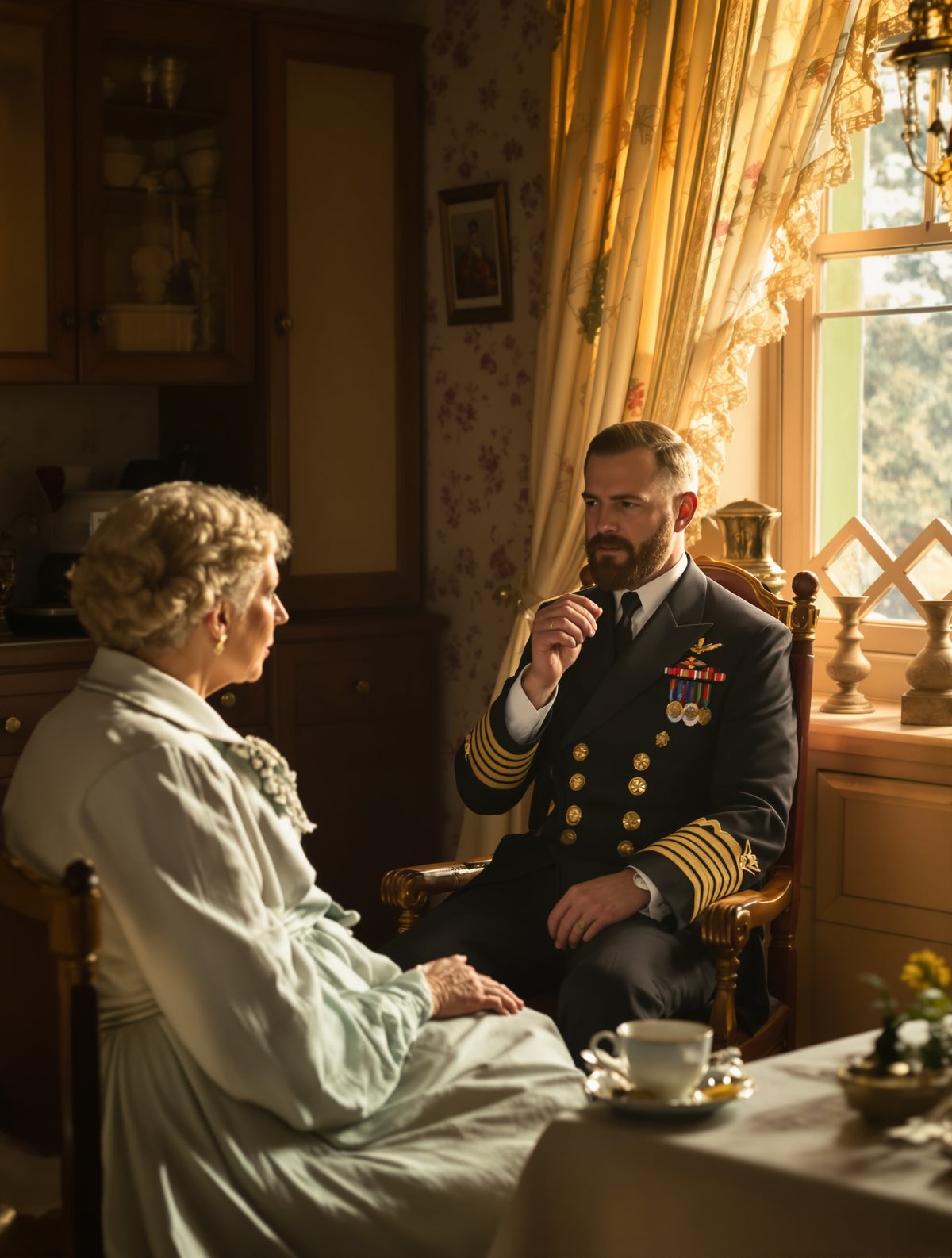
The weekly ritual that developed between King George V and his beloved Nana was both touching and utterly unprecedented in royal history. Every Tuesday, the King would bicycle through the Norfolk countryside, arriving at Mrs. Bill's cottage like any ordinary visitor calling for tea. Once inside, royal protocol was entirely forgotten.
The King would settle into a well-worn armchair by the fire, while Mrs. Bill bustled about her small kitchen, preparing tea and arranging homemade jam tarts on simple china plates. To her, he wasn't His Majesty the King — he was still the little boy she had raised, and she treated him accordingly. She would fuss over whether he was eating enough, scold him gently if he looked tired, and regale him with village gossip as if he were any other neighbour.
For George V, these Tuesday afternoons represented something precious beyond royal treasures: they offered him the chance to simply be himself. In Mrs. Bill's cottage, he could shed the tremendous burden of kingship and return, however briefly, to the uncomplicated happiness of childhood. He would tell her about his children, share his worries about the changing world, and listen to her gentle advice with the same attention he had given her stories decades earlier.
The cottage visits continued for nearly twenty years, through the Great War, the changing social landscape of the 1920s, and the economic challenges of the early 1930s. No matter what crisis faced the Empire, no matter how pressing his royal duties, King George V protected his Tuesday afternoons with fierce determination. These weren't just social calls — they were essential sustenance for a man carrying unimaginable responsibilities.
A Legacy of Love and Loyalty
When Mrs. Bill passed away in the early 1930s, King George V was devastated. He had lost not just a dear friend, but his last tangible connection to the innocent happiness of his childhood. Those who were close to the King noticed that something fundamental changed in him after her death. The Tuesday disappearances ceased, and with them went some essential lightness in his spirit.
The story of the King's secret visits only became public knowledge years later, long after both George V and his cherished Nana had died. When it did emerge, it revealed something profound about the nature of monarchy and the human heart. Here was a man who ruled over vast territories and commanded the loyalty of millions, yet his greatest treasure was the simple love of someone who remembered him as a child.
The tale also highlighted the extraordinary relationships that could develop between royal families and their household staff. In an age of increasing social mobility and changing class structures, the bond between George V and Mrs. Bill represented something timeless: the power of genuine affection to transcend social barriers and protocol.
Today, as we observe the modern royal family's approach to balancing public duty with private life, King George V's Tuesday escapes feel remarkably contemporary. His determination to maintain a connection with his past, to preserve relationships that fed his soul rather than his status, speaks to universal human needs that transcend crowns and centuries. In our age of social media and public scrutiny, there's something deeply moving about a king who simply wanted to sit by a cottage fire, eat jam tarts, and remember what it felt like to be unconditionally loved.