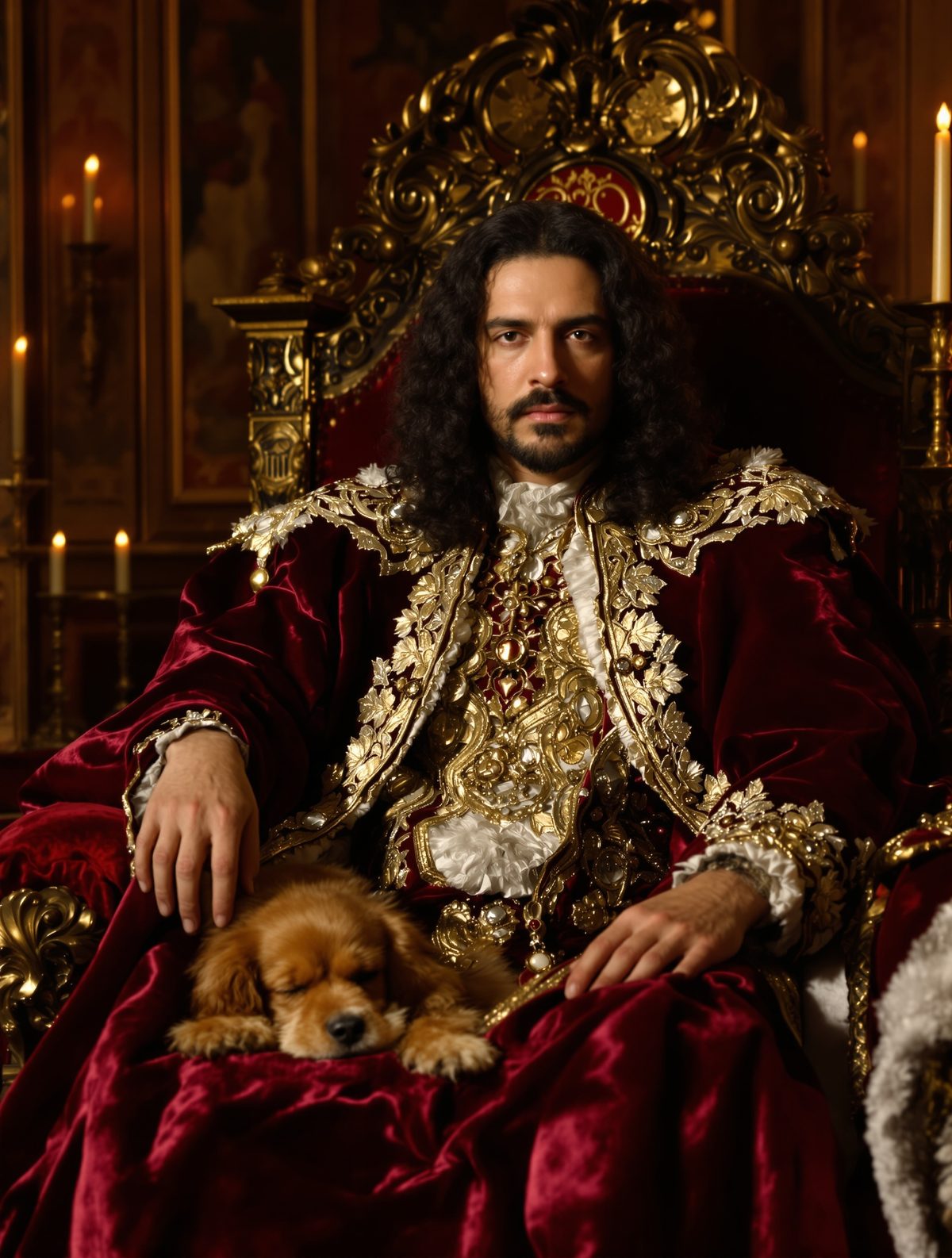
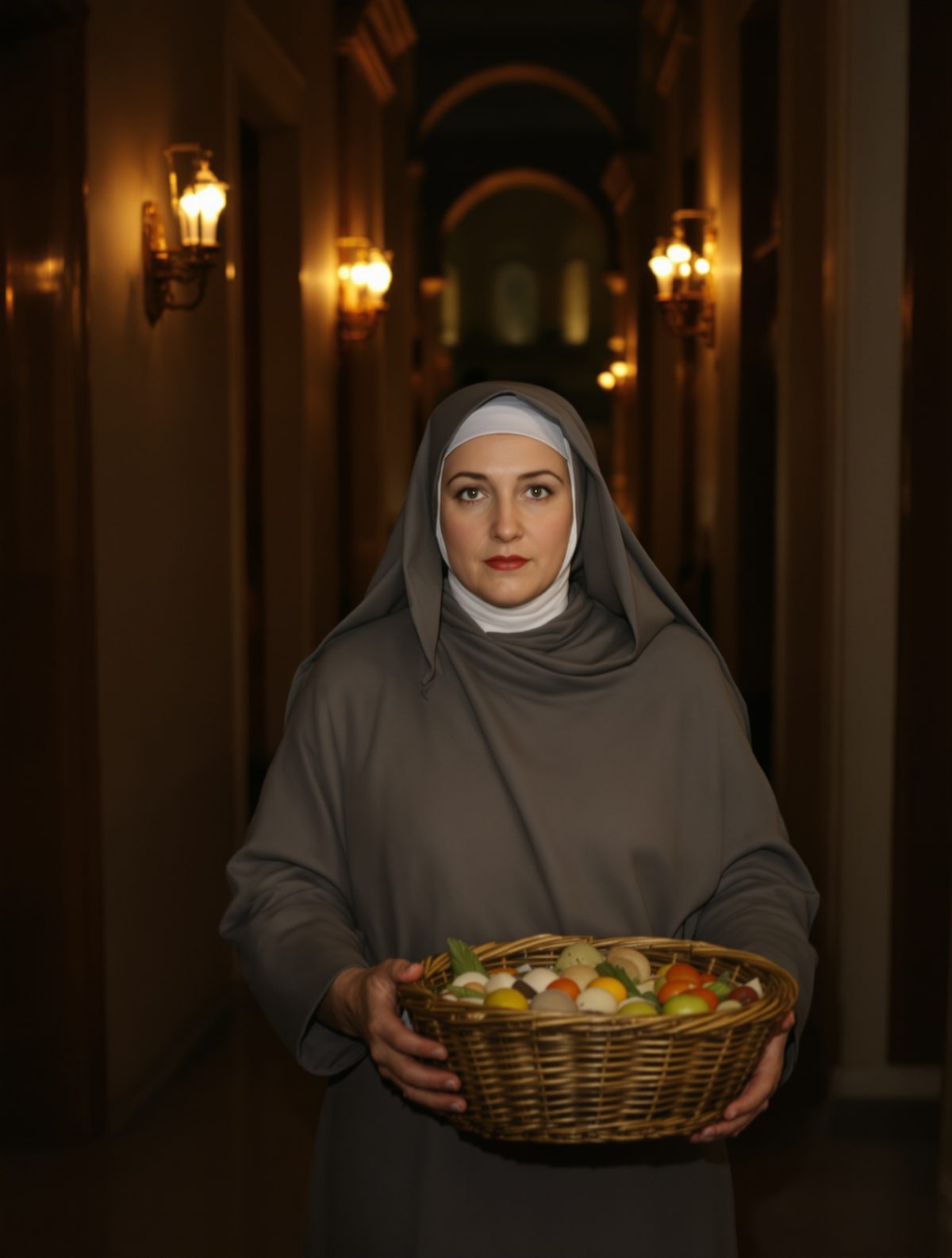
In the darkest hour of Nazi-occupied Athens, when the streets echoed with the thunder of jackboots and the whispered prayers of the desperate, an unlikely heroine emerged from the shadows of European royalty. Princess Alice of Battenberg, mother of the future Duke of Edinburgh, transformed her modest palace into a beacon of hope for Allied soldiers trapped behind enemy lines. Night after night, she slipped through the darkness carrying food and comfort to men who had become ghosts in their own war.
A Princess in Exile
Princess Alice's journey to wartime Athens was as extraordinary as the woman herself. Born into the illustrious House of Battenberg in 1885, she was the great-granddaughter of Queen Victoria and had married Prince Andrew of Greece and Denmark in 1903. Their wedding was a glittering affair that united two of Europe's most prominent royal houses, but Alice's path would prove far more turbulent than her fairy-tale beginning suggested.
By the 1940s, Alice had weathered personal storms that would have broken lesser spirits. She had survived the collapse of the Greek monarchy, endured years of separation from her family, and overcome a profound mental health crisis with remarkable resilience. When World War II engulfed Europe, she was living quietly in Athens, having dedicated herself to charitable work and religious contemplation. Her royal titles seemed almost irrelevant in a world torn apart by conflict, yet it was precisely her unique position that would enable her to perform acts of breathtaking courage.
The princess had chosen to remain in Greece when many other royals fled to safety. Her decision wasn't born of stubbornness, but of genuine love for her adopted homeland and its people. As the Nazi war machine rolled across Europe, Alice refused to abandon those who needed her most. Little did anyone know that this quiet, deeply spiritual woman would soon orchestrate one of the war's most daring royal rescue operations.
The Midnight Sanctuary
When British and Commonwealth forces retreated from Greece in April 1941, not every soldier made it to the evacuation ships. Some were wounded, others simply trapped by the rapid German advance. Among those left behind were members of the British Army who found themselves hunted men in occupied territory. It was then that Princess Alice made a decision that would define her legacy: she opened her home as a secret sanctuary.
The princess's Athens residence became an unlikely safe house, sheltered within the very heart of the occupied city. She personally took charge of the dangerous mission to keep these soldiers fed, hidden, and alive. Every night at the stroke of midnight, Alice would emerge from her palace carrying carefully prepared meals. The choice of midnight was no coincidence – it was the hour when Nazi patrols were lightest and the darkness provided maximum cover for her clandestine missions.
These weren't simple food drops. Princess Alice developed an elaborate system of concealment, using her intimate knowledge of Athens' winding streets and her network of trusted Greek contacts. She would navigate through darkened alleyways, past German checkpoints, and into the hidden corners where desperate Allied soldiers waited. The food she carried was often her own rations, shared with characteristic selflessness that exemplified the finest traditions of royal service.
The soldiers she aided later described their amazement at seeing this dignified royal figure appear like an angel in the darkness. Here was a woman who could have sought comfortable exile in any neutral country, yet she chose instead to risk everything for strangers who had fought to defend her adopted homeland. Her midnight journeys became legendary among the small network of resistance sympathizers who witnessed her extraordinary bravery.
A Royal Performance for the Gestapo
Princess Alice's charitable missions could not remain secret forever. The Gestapo, Hitler's feared secret police, eventually became suspicious of activities around her residence. When they arrived to interrogate her, Alice faced the most crucial performance of her life – and she delivered it with the skill of a consummate royal diplomat.
The princess had been born profoundly deaf, a condition that had shaped her entire life and taught her to read lips in multiple languages. When the Gestapo officers bombarded her with questions about hidden soldiers and suspicious activities, Alice simply pretended not to understand. She feigned complete confusion, appearing as nothing more than a harmless, elderly royal lady who couldn't possibly be involved in anything as dramatic as harboring enemy soldiers.
Her performance was masterful. The German officers, frustrated by their inability to communicate effectively with her, eventually concluded that this deaf princess posed no threat to their occupation. They left empty-handed, never discovering the elaborate rescue network operating under their very noses. Alice's quick thinking and remarkable composure under pressure had saved not only her own life but the lives of every Allied soldier under her protection.
The irony was exquisite: the same disability that had caused Alice struggles throughout her royal duties became her greatest asset in outwitting the Nazi war machine. She turned a perceived weakness into an instrument of resistance, proving that heroism often emerges from the most unexpected places and in the most surprising forms.
The Ripple Effects of Royal Courage
Princess Alice's wartime heroics extended far beyond her midnight rescue missions. Her actions inspired a network of Greek civilians who risked their own lives to support the Allied cause. Servants, neighbors, and local resistance members all played crucial roles in maintaining the secrecy and success of her operations. The princess had become the unlikely catalyst for a grassroots resistance movement that saved countless lives.
The families of the soldiers she rescued carried their gratitude for decades. Many of them had given their sons up for lost when Greece fell to the Nazis, only to receive miraculous news that Princess Alice had kept them safe through the darkest months of occupation. Her actions provided hope not just to the soldiers themselves, but to their families back home who had endured agonizing uncertainty about their loved ones' fates.
After the war, Alice's extraordinary service was quietly acknowledged by the British government and the royal family, though she herself rarely spoke of her wartime experiences. True to the finest traditions of royal discretion, she considered her actions simply as duty fulfilled rather than heroism to be celebrated. This humility only enhanced the respect and admiration she earned from those who knew the full extent of her courage.
A Legacy Written in Midnight Hours
Today, as we reflect on Princess Alice's extraordinary wartime service, her story illuminates timeless truths about royal duty and human compassion. She exemplified the noblest ideals of monarchy – using privilege not for personal gain, but as a platform for serving others in their darkest hours. Her midnight missions through Nazi-occupied Athens represent royal service at its most pure and courageous.
Princess Alice's legacy lives on through her son Prince Philip's dedication to public service and through the continued charitable work of the modern royal family. Her example reminds us that true nobility isn't measured in titles or ceremonies, but in the willingness to risk everything for others. In an age where we sometimes question the relevance of monarchy, Princess Alice's story provides a powerful answer: royalty at its finest serves as a beacon of hope when the world needs it most.
The image of this remarkable princess slipping through darkened Athens streets, carrying sustenance to enemy soldiers at the stroke of midnight, remains one of the most stirring examples of royal courage in modern history. She proved that even in humanity's darkest hour, the light of compassion and duty can pierce through any shadow – and sometimes, that light shines brightest from the most unexpected crown.