In the perilous depths of 1940, while Britain found itself entrenched in the harrowing struggle of World War II, an unlikely connection was made between a grieving mother and the monarch of the realm. It began with a letter penned in sorrow, addressed to Buckingham Palace, in the aftermath of the devastating Battle of Dunkirk. The intended recipient was an embodiment of consolation and leadership: King George VI. What she received in return was not merely a formal acknowledgment from a secretary or a palace emissary. Instead, to her astonishment, it was a personal reply from the King himself, imbued with empathy and penned by his own hand. This poignant exchange revealed a deeply human side of the monarchy, reflecting the King’s profound sense of duty and compassion during Britain’s darkest hours.
A Nation's Sovereign, a Father's Heart
King George VI ascended the throne under circumstances of profound upheaval, carved from a path he never intended to follow. Yet, as war unfolded across Europe, he emerged not just as a symbol of resilience but as a paternal figure to his nation. Known for his steadfastness and marked by an empathetic spirit, the King instinctively embodied the role of a reassuring stalwart amidst the blitz of uncertainty.
As reports of the Dunkirk evacuation filtered into the hearts of British families, bringing with them tales of valor and loss, many sought solace in the familiar sanctum of the monarchy. For King George VI, this meant far more than the ceremonial fulfillment of duty. His responses to the personal losses faced by countless families were marked by genuine humanity, distinct from any mere exercise of protocol. His own experiences as a father—combined with the universal anguish of families separated by war’s ravages—compelled him to reach beyond the gilded gilded enclosures of the palace, into the homes and hearts of those who sought his comfort.
A Letter of Loss: A Mother's Reach for Solace
Amid the turbulent tide of the 1940 evacuation, the shores of Dunkirk bore witness to one of World War II’s most striking episodes of chaos, courage, and calamity. For one mother, this distant battleground transformed her world irrevocably. Bereft of her son—a young soldier claimed by the tumult—the ache of her loss found expression in a letter to the sovereign she had never met, more an act of catharsis than expectation.
Humbled by grief yet driven by the hope of being heard, her words traversed the well-trodden paths to Buckingham Palace. In those days, the Royal Mail was a lifeline, and letters to the palace were not uncommon. While common folk might harbor hopes of royal acknowledgment, few expected personalized responses, particularly from the monarch himself.
“To my beloved son, remembered by the unknown soldier’s king...”
Her letter detailed her son's bravery, his youthful dreams now stilled, and the unyielding emptiness left in his wake. It was an artless, poignant plea for remembrance amidst the sea of sacrifice and sorrow that enveloped all of Britain.
The King's Hand: An Unexpected Reply
Within the hallowed walls of Buckingham Palace, among files dense with missives from subjects, the King's staff distinguished this heart-rending correspondence. The magnitude of personal pain it conveyed resonated with King George VI. Without recourse to intermediaries, he took pen to paper, crafting a response saturated with empathy and solemn sincerity.
His words, as recorded by surviving contemporary accounts, did not dwell on platitudes. Rather, they reached out as if extending a hand across the invisible distance between a sovereign and a subject. The King’s letter spoke of shared loss, the valor of an unsung hero, and the enduring strength required to shoulder such personal tragedy.
“In these times of profound hardship, know that your son's courage, and your own strength, shall remain forever woven into the fabric of our nation...”
The nuances of precisely what was written remain a well-guarded personal exchange, glimpses of which filtered through as anecdotes shared in reverence. Regardless, the affection embodied in being addressed directly by the King was more profound than any public proclamation. It touched a chord that resounded with countless such correspondences, each a testament to the King who treated each suffering heart individually.
An Enduring Legacy
These private exchanges, never publicized during his reign, quietly underscored King George VI’s legacy. His empathy became a cherished chapter in the annals of the monarchy, passed down as stories that belied their quiet beginnings. Such initiatives underscored the vital role the monarchy played—not just as a ceremonial entity, but as a deeply intrinsic symbol of unity and compassion in Britain’s social fabric.
The tales of his handwritten letters became whispered affirmations of hope amidst wartime austerity and garnered respect and affection that would deeply root the monarchy in the hearts of the people. This benevolent act of grief acknowledgment resonated, carving out spaces of personal restoration against the backdrop of colossal historical currents.
A Reflection for Our Times
King George VI’s words to a grieving mother transcend time, heralding a reminder of the deeply human connections that sustain us. Even today, in a world vastly changed by time and technology, such gestures of personalized compassion from figures of influence carry unmatched depth in fostering unity and healing. The monarchy, replete with its venerable history and traditions, continues to embody these timeless links.
In an era defined by swift digital exchanges, impersonal communication, and fleeting connectivity, the story of King George VI’s wartime gesture reminds us of the power of empathy and personal touch. As we continue to seek threads of continuity with our venerable past, reflections such as these emphasize our enduring need for leaders who reach beyond the ceremonial to touch lives, truly embodying the nobility they are destined to steward.
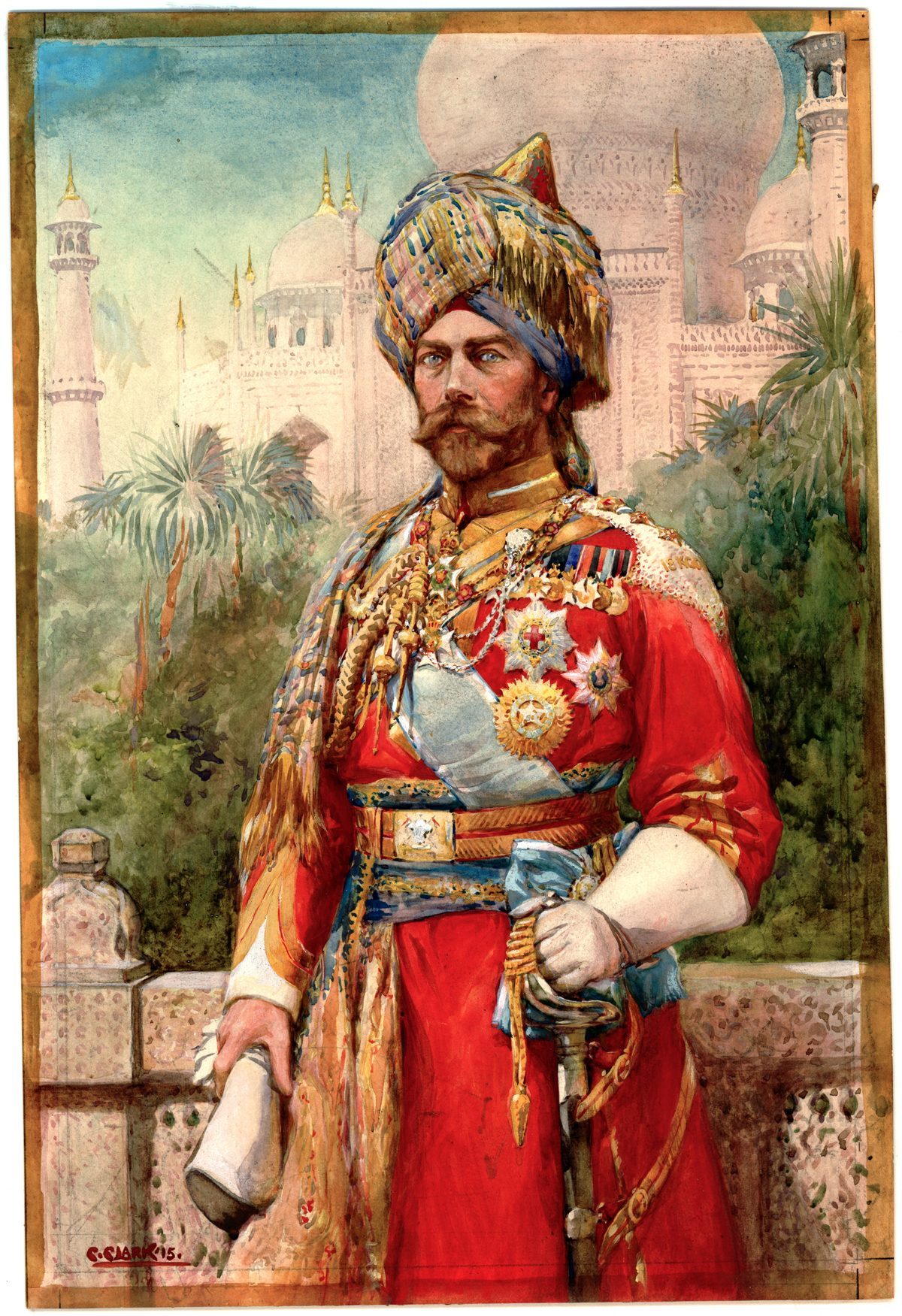
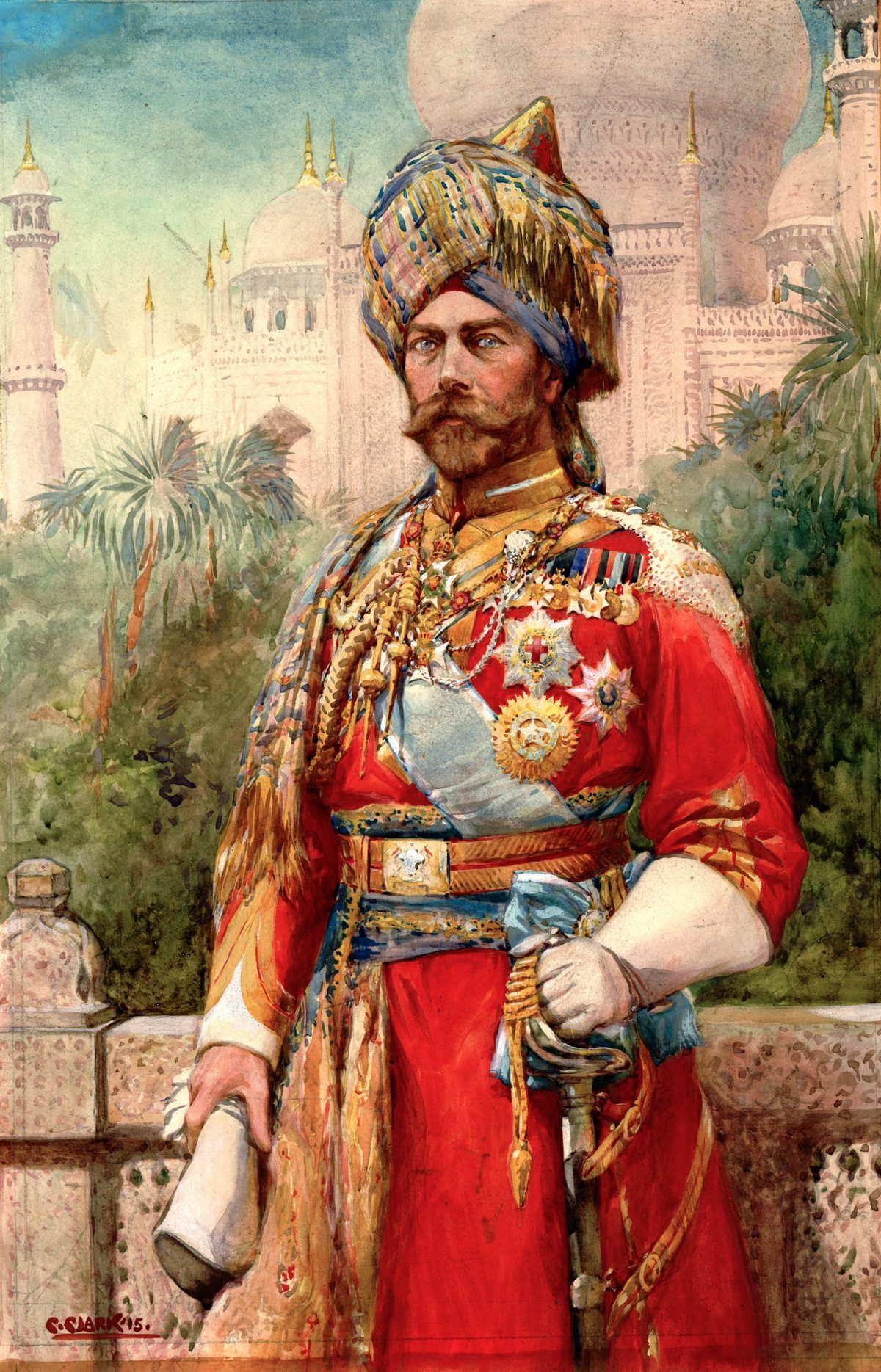
📷 Photo: Christopher Clark (1875 - 1942). Public domain via Wikimedia Commons.