In the vibrant tapestry of British regal traditions, few moments stand out as a testament to the adaptability and charm of the monarchy quite like a young Prince Charles' investiture as Prince of Wales in the summer of 1969. Nestled at the heart of this ceremony was a poignant challenge: to address a proud nation in their native Welsh language. With just ten weeks to spare, Charles embarked on an audacious journey that would see him traversing the complexities of one of Britain’s oldest tongues, guided not by an official tutor within the gilded halls of Buckingham Palace, but by an unlikely aide—his own valet.
The Unlikely Tutor
In early 1969, the world watched with anticipation as the young prince, then a 20-year-old student of history at Cambridge with a penchant for adventure and academia, faced a challenge many considered insurmountable. Sent to Aberystwyth with the task of mastering enough Welsh to deliver a speech during his investiture, Charles' mission was both profound and symbolic. It was essential to bridge the cultural divide, acknowledging the distinct identity of the Welsh people within the kingdom he one day hoped to lead.
The task of tutoring Prince Charles fell unexpectedly to his valet, a man who embodied discretion and loyalty. The valet, whose name remains a quietly guarded secret, was not a professional linguist nor a Welsh language scholar. Nevertheless, he possessed a passion for his native tongue and a deep understanding of its significance. It was this passion and patience that defined the nightly lessons shared under the cloistered candlelight, as the prince acquiesced to the transformative discipline of language-learning.
Nights of Study and Practice
Every evening, when the regal pageantry and princely duties of the day concluded, Charles and his valet embarked on meticulous study sessions. The curriculum was practical yet deeply steeped in the richness of the Welsh language—a language laden with history, shaped by centuries of resilience and poetic expression. As Prince Charles delved into its complexities, he quickly discovered that learning Welsh required more than mere memorization; it demanded an immersion into the cultural soul of a nation.
Aided by his valet's patient guidance, the prince practiced diligently, repeating tricky verb conjugations and nuanced scripts. This labor of language was more than a royal obligation; it became a nightly ritual that affirmed the importance of connection and empathy in leadership. The tenacity and perseverance demonstrated by the young prince revealed a remarkable side of royalty, echoing the values of duty and respect that have long stood as the bedrock of the monarchy.
The Investiture: A Moment Steeped in Heritage
On July 1, 1969, the eyes of the world turned towards Caernarfon Castle—a stone fortress steeped in the storied past of Wales and the ancient seat of Gwynedd's princes. The investiture was not merely a formality; it was an event resonant with cultural and historical significance. It celebrated the enduring relationship between the royalties of Britain and the people of Wales, fortified by the very words Prince Charles would deliver in Welsh to a captivated audience.
Under pewter skies that seemed to hang heavy with expectation and tradition, the sound of the Welsh dragon heralded the entrance of the prince. In the historic bastion of time-honored rituals, Prince Charles took his place, robed in regalia befitting his new honorable status. His speech, delivered expertly in Welsh, transcended its ceremonial function. It stood as a moment of unity and respect—a legacy forged between the monarchy and a proud people.
The Legacy of the Moment
The eloquence with which Prince Charles expressed himself in Welsh did more than astonish; it earned enduring admiration across the British Isles. For those present, and for countless others watching on television screens across the globe, this royal act of linguistic dexterity was imbued with grace and an underlying message of solidarity and mutual respect.
In paying homage to their language, Charles had indelibly honored the cultural identity of Wales. It was, perhaps, one of the most quietly courageous acts seen within the modern reign, echoing a profound commitment to not merely reign over, but to understand and embrace the diversity that flourishes within the United Kingdom.
A Lasting Inspiration
Prince Charles' Welsh odyssey inspires a present-day contemplation of duty and adaptability within the ever-evolving role of the monarchy. Considering today's global landscape, where inclusivity and cultural recognition form the pillars of understanding, the prince's earnest efforts resonate with contemporary relevance. It illustrates a timeless truth about the power of learning, understanding, and cultural empathy as the foundation of effective leadership.
While the world continues to shift and change, Prince Charles' efforts in 1969 remain a gentle reminder that the bonds between a leader and their people are intrinsically linked to shared understanding and respect. It compels us, royal admirers and enthusiasts alike, to appreciate the enduring fabric of monarchy—a lineage steeped in both history and progressive philosophies—as it continues to exemplify these principles amid our modern society.
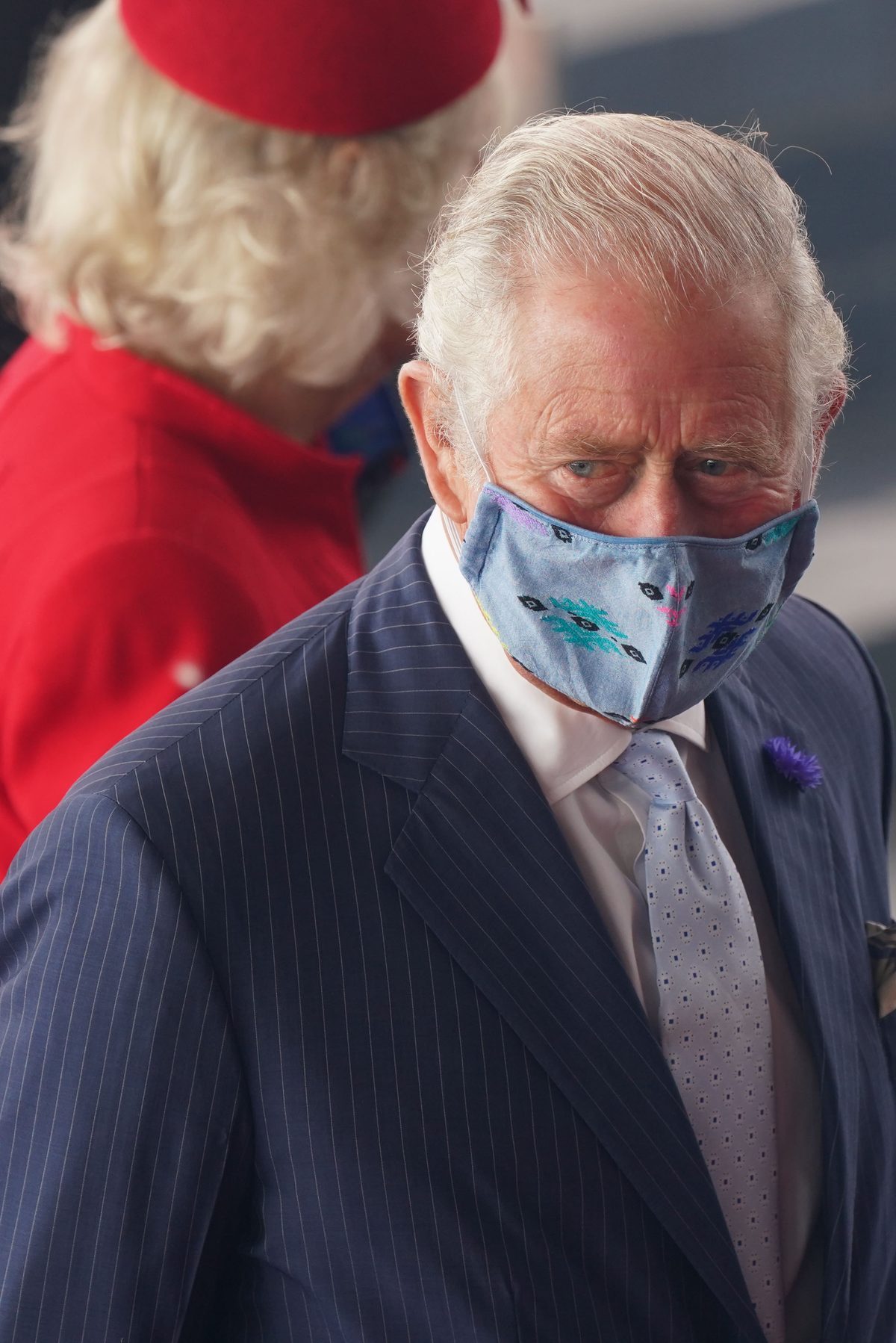
📷 Photo: Senedd Cymru / Welsh Parliament from Wales. CC BY 2.0 via Wikimedia Commons.