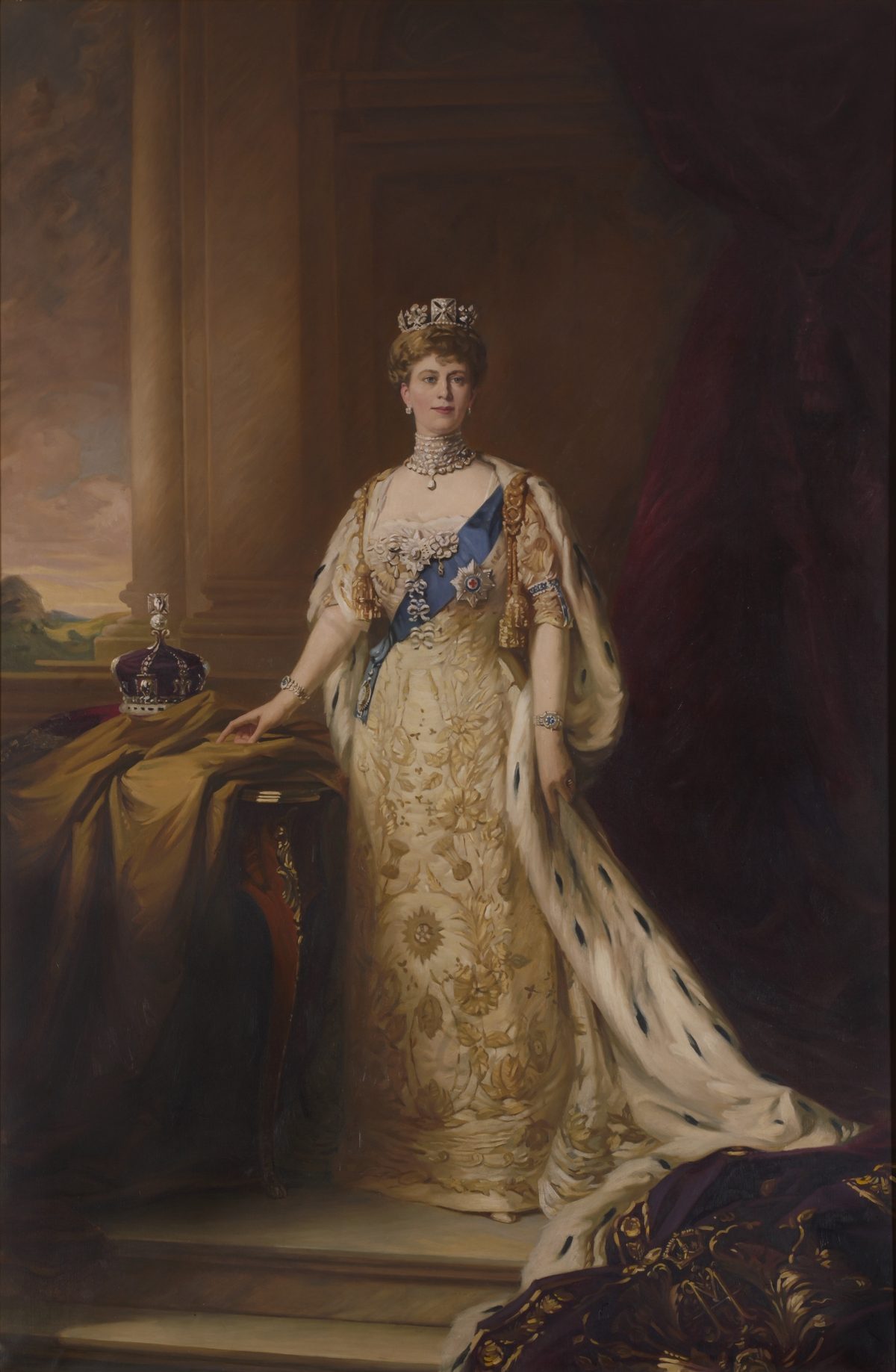
The serene image of Queen Mary, known for her formidable and stoic demeanor, standing vigil by her husband King George V's deathbed is an indelible memory etched into the annals of British history. Her impassive exterior during his final moments on a cold January day in 1936 was seen by many as a testament to her indomitable spirit and sense of duty. Yet, as the public honored her as the "iron queen," her private reflections that night revealed a grief so profound it transcended public perception. She quietly confided to her diary, "I could not cry." It was a poignant acknowledgment of a love so deep and abiding that it was beyond the expression of tears.
The Deathbed Vigil
King George V's last days were shrouded in the solemnity befitting a monarch who had guided Britain through tumultuous times, including World War I. The king’s health had been in decline for years, his ailments exacerbated by a fast-paced life of service and duty. As the patriarch of the royal family, his death marked the end of an era, and the royal court prepared for the deep void his passing would create.
In the familial chambers of Sandringham House, a sense of foreboding settled as members of the royal household gathered. Queen Mary, the matron of composure and dignity, maintained a stony resolve. Her presence was a familiar anchor amidst the rising tides of uncertainty that came with the king’s impending end. It was a testament not just to her strength but to their shared life of duty—a partnership that had withstood the trials of the crown. As George V took his final breaths on January 20, 1936, Mary's outward demeanor offered a steely comfort to those around her.
A Royal Marriage of Quiet Devotion
To understand Queen Mary's stoic disposition is to understand the nature of her marriage to King George V. Their union was not only a personal bond but also a profoundly public alliance instrumental to the monarchy’s stability. Queen Mary, born Mary of Teck, was known for her disciplined approach to life and her unwavering loyalty to both husband and country. Her role in the royal household was one of quiet strength, highly regarded for her embodiment of the virtues expected of a queen consort.
Their marriage, though largely devoid of public displays of affection, was underpinned by mutual respect and deep affection. Queen Mary’s dutiful nature complemented George V's pragmatic approach to kingship, creating a partnership that steered the monarchy through times of great change. Her grief at his deathbed was, in turn, a culmination of years of shared life experiences and love, intertwined more with the heart than with public honorifics.
The Private Musings of a Grieving Queen
That night, as the corridors of Sandringham fell silent and the nation grappled with the somber news of their king's passing, Queen Mary retreated into solitary reflection. It was a rare glimpse into the personal sorrow that she so carefully guarded from the world. Deprived of the comforting ability to weep, she penned a simple yet profound line in her diary: "I could not cry." It was not the absence of feeling, but rather the measure of it that rendered her tears unshed—a visceral testament to the depth of her love and loss.
"I could not cry." — Queen Mary
This diary entry, once shared with posterity, allows us a look behind the regal mask into the vulnerability of the woman who was both queen and widow. It reveals a spectrum of human emotion that resonates with the universal experience of grieving a loved one. Guarded in public, she grieved passionately in private, navigating the delicate tension between royal duty and personal anguish.
Queen Mary's Legacy of Strength and Resilience
In the ensuing days, as preparations for King George V's funeral were underway, Queen Mary resumed her role as matriarch with the poise required of her station. She became an embodiment of resilience for the royal family and the nation, exemplifying a steadfast commitment to her royal obligations even as she grieved her personal loss.
Her life post-George V saw her continuing to influence the monarchy with the same resolve she had shown at her husband’s death, supporting her sons as they took on the mantle of leadership. Her legacy, forged in the crucible of public responsibility and private sorrow, left an indelible mark on the history and continuity of the British monarchy.
A Reflection on the Enduring Power of Love and Duty
Today, as we reflect on Queen Mary’s secret grief, we are reminded of the unwavering dedication and love that underpin the royal family's steadfast commitment to their duties. Her experience transcends the palace walls, speaking to the universal human journey of love, loss, and resilience. It is through these intimate glimpses of their humanity that the royals become more than historical figures; they become touchstones of inspiration.
Queen Mary's ability to maintain dignity in the face of profound sorrow offers a powerful reflection on the balance between personal emotion and public duty. Her story resonates with timeless themes of love, loss, and dedication, reminding us that at the heart of the monarchy is not just ceremony and duty, but a deeply human experience.
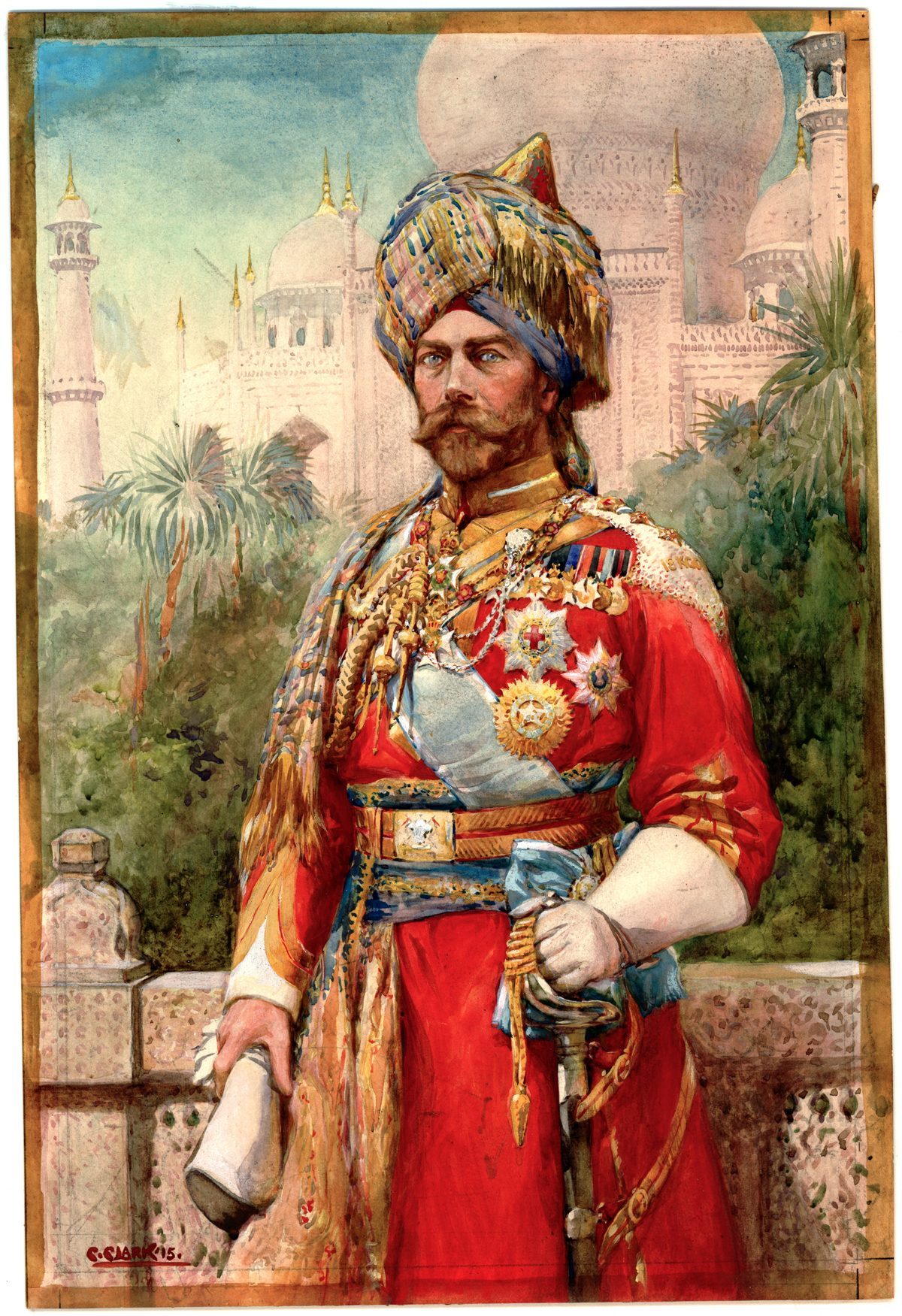
📷 Photo: Christopher Clark (1875 - 1942). Public domain via Wikimedia Commons.