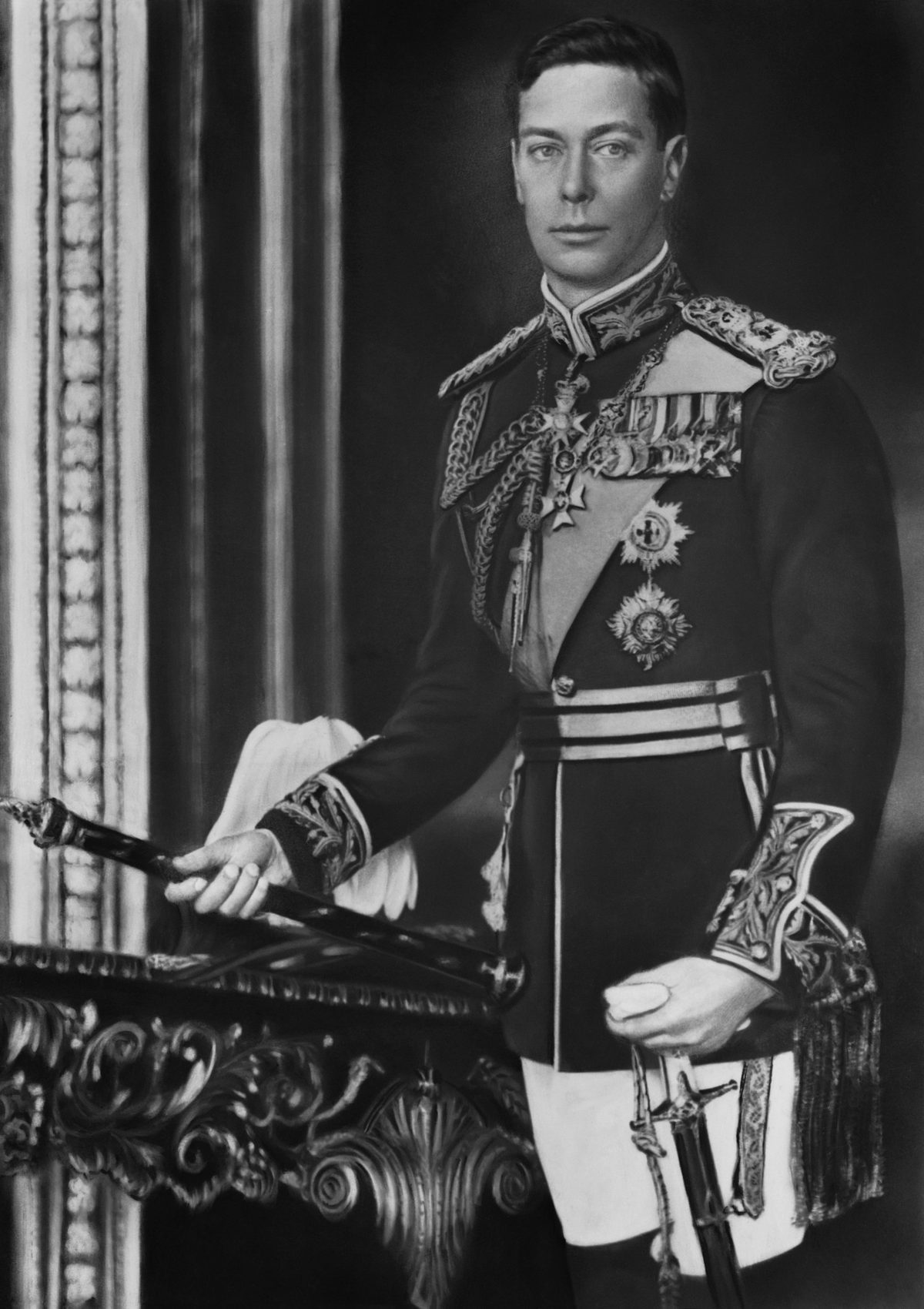
In June 1940, amid the smoky plumes of the tumultuous Dunkirk evacuation, a young boy painstakingly scribbled a letter, his attempt to bridge the unbridgeable loss of his father. What he didn't know was that his innocent missive, addressed to King George VI, would spark an act of compassion resonating through the annals of British royal history. This unexpected exchange offers a rare glimpse into the personal heart of a king whose public persona was overshadowed by a famous speech impediment and the looming shadows of war.
The Royal Messenger of Empathy
When a letter bearing the royal crest arrived at a modest home far removed from London's grandeur, a mother found herself momentarily suspended between grief and disbelief. Inside was a simple note written in pencil, yet its author was none other than His Majesty King George VI. This was not a letter filtered and polished by royal aides, nor was it an impersonal government-issued card of condolence. It was an intimate gesture from the sovereign himself, speaking directly to the heart of a bereaved child.
1940 Britain reeled under the seismic impact of a world at war, and the royal family was in a strategic position, not just as figureheads but as symbols of resilience. King George VI, discreet but profoundly mindful of his people's hardships, understood that every military statistic boiled down to individual stories of sacrifice. It wasn’t just numbers lost at Dunkirk; it was fathers, brothers, and sons. The royal standard bearer, who often stammered under the burden of public addresses, found his natural voice when it came to personal compassion.
A Comfortable Silence
King George VI's correspondence with the boy was a silent dialogue, for the king had his own history of struggle with speech — something paradoxically akin to the boy’s struggle with his loss. Known historically for his quiet demeanor, George VI's voice was often most resonant in its absence—except when it came to personal matters of empathy. In pencil, the king shed the formal dictates of royal correspondence, opting instead for genuine, heartfelt wisdom. This was a snapshot of a father reaching out to a boy missing his own, united by silent grief more potent than words themselves could allow.
At the heart of every wartime royal duty, there lies the ethos of unity and shared endurance. The king, who alongside Queen Elizabeth bolstered morale through their visible presence in embattled London, found subtle ways to combat the distance commonly perceived between the crown and its subjects. The quiet transaction between the king and the young boy stands as testimony to an era where brevity became the essence of understanding.
Whispers of the Court
Stories like these were never meant for public glorification. The royal households, versatile in ceremony yet humble in outreach, executed their roles beneath the grandeur. Whereas the court buzzed with orchestrated duties and obligations, discreet actions like King George VI’s personalized telegrams often lived in silence and shade. Such instances were whispers in the echoing halls of Buckingham Palace, insulating the personal touch behind the pomp of court life.
The true dynamics of royal daily life in these times integrated personal duties seamlessly with their national responsibilities. These tokens of empathy, though occasionally under-documented, were part and parcel of the sovereign's daily ethos — to be unguarded in humanity while guarded by protocol.
The Tender Balance of Majesty
As the tide of war rolled forward, the correspondence, though minimally publicized, found its way into royal lore, speaking to generations about the quiet power of kindness. Today, we look back at this episode as a window to a bygone world, yet one that taught us the immutable value of personal connection. In an era dominated by digital communication, where human contact often takes a backseat to technology, the royal family's grounding in personal gestures finds renewed relevance.
King George VI's act was not merely an exchange of sympathy; it was a bridge of shared human experience that continues to define the monarchy's timeless role as a cornerstone of unity and empathy amid a swiftly changing world. Through understanding and humble communication, the monarchy navigates its evolving place, demonstrating the enduring importance of compassion in leadership.
The letter may have been written in pencil, but the mark it left is indelible, a quiet reminder to present-day royals and citizens alike. In our ever-changing world, it’s these intimate gestures that define the lasting alliance between the monarchy and its people — a legacy built not just on the grand acts of statecraft but also the quiet dignity of shared humanity.
📷 Photo: Matson Photo Service. Public domain via Wikimedia Commons.