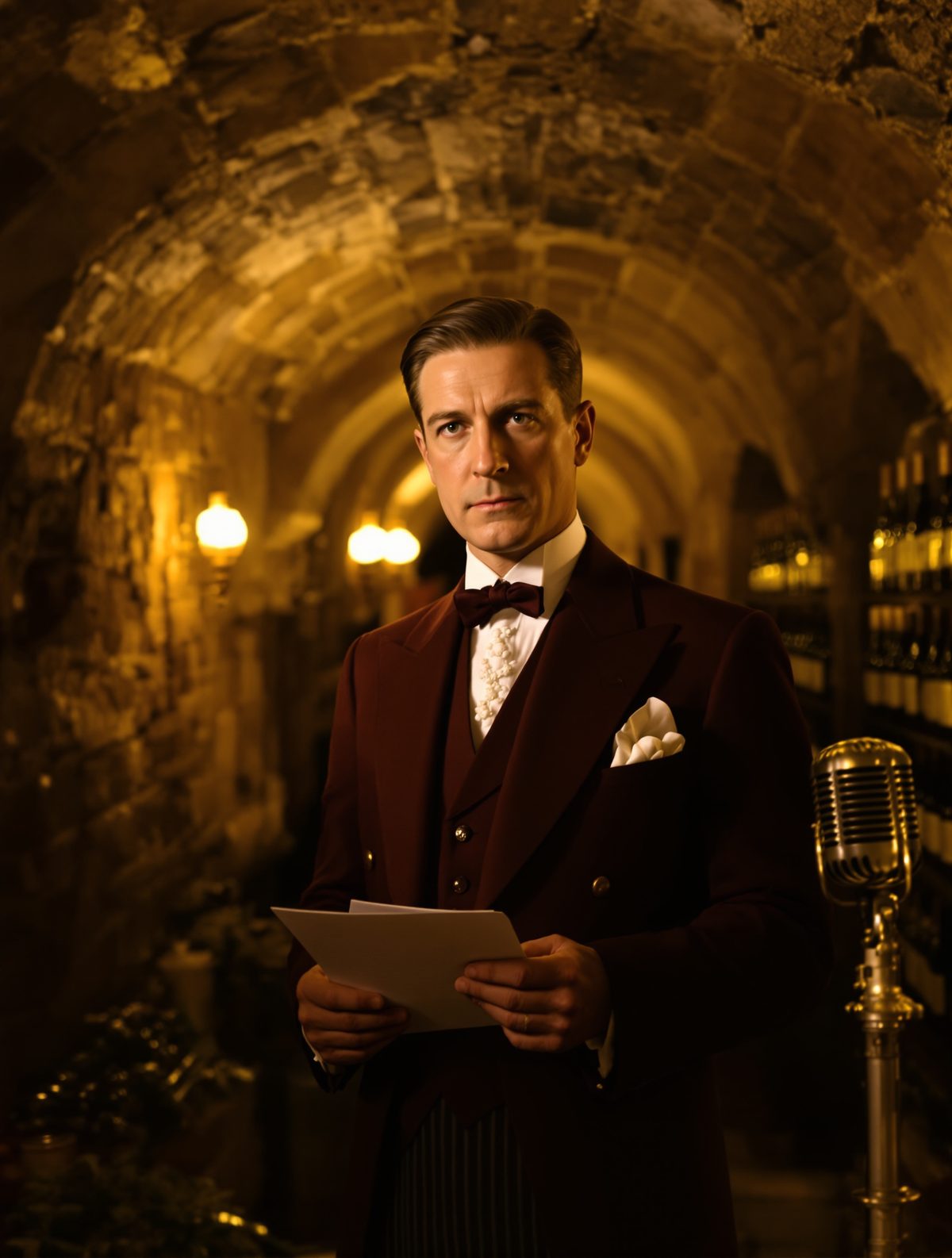
In the depths of Buckingham Palace, beneath the grandeur of state rooms and glittering chandeliers, a very different kind of royal drama was unfolding. Night after night during the 1930s, a lone figure would descend into the shadowy wine cellars, carrying with him the weight of a crown he never expected to wear and a secret that would shape the very voice of a nation. King George VI, thrust into kingship by his brother's abdication, was waging a private battle against the stammer that threatened to silence him at Britain's darkest hour.
What the British public witnessed during those stirring wartime broadcasts—the measured, confident tones that rallied a nation under siege—was born not in the polished broadcasting studios of the BBC, but in the most unlikely of rehearsal spaces. The palace wine cellars, with their stone walls and perfect acoustics, became the King's sanctuary where he transformed himself from a hesitant speaker into the voice that would guide Britain through its finest hour.
The Reluctant King's Hidden Struggle
When Prince Albert, Duke of York, unexpectedly became King George VI in December 1936, he inherited far more than a crown and throne. The abdication crisis that brought him to power also thrust upon him the most public-facing role in the monarchy at a time when radio broadcasting was revolutionizing how monarchs communicated with their subjects. For a man who had battled a severe stammer since childhood, the prospect of regular broadcasts was nothing short of terrifying.
The King's speech impediment was well-documented within royal circles, though carefully shielded from public scrutiny. Unlike today's more open discussions about royal challenges, the 1930s demanded an image of unwavering strength and perfection from the monarchy. George VI understood that his voice would need to become a source of comfort and confidence for millions—yet he could barely get through a sentence without painful hesitation.
It was during these early, anxious months of his reign that the King and his speech therapist, Lionel Logue, discovered the remarkable acoustic properties of Buckingham Palace's wine cellars. The underground chambers, lined with ancient stone and filled with the monarchy's finest vintages, created an environment where sound carried with unusual clarity and resonance. More importantly for the King, the cellars offered complete privacy—a place where he could stumble over words, restart sentences, and practice the breathing techniques Logue had taught him without fear of being overheard by courtiers or staff.
Underground Rehearsals and Royal Devotion
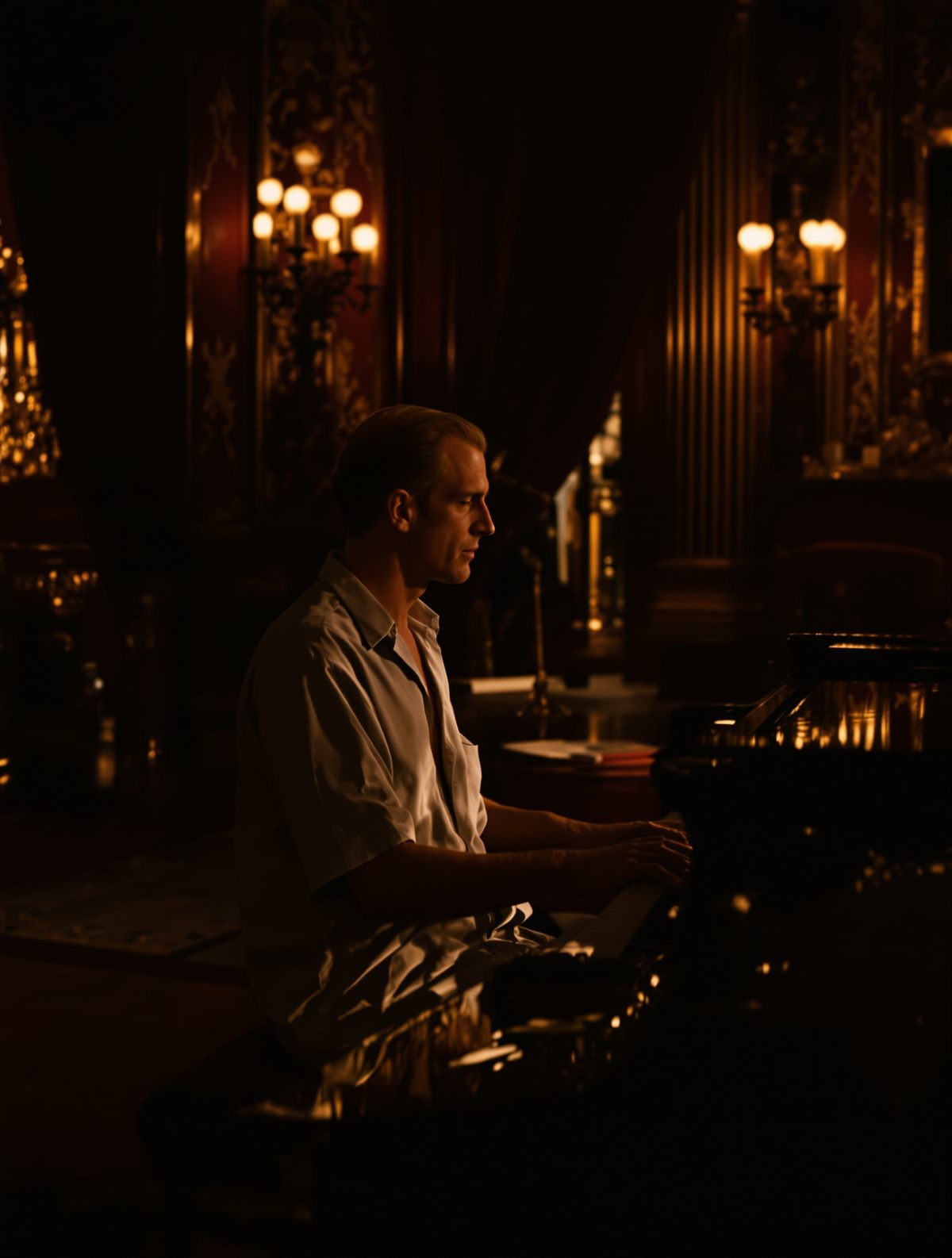
The King's nocturnal descents into the cellars became a ritual of remarkable dedication. Palace records and later testimonies reveal that he would often spend hours in the cool, dimly lit chambers, working through speeches line by line. The stone walls that had witnessed centuries of royal celebrations now echoed with the determined voice of a monarch preparing to address his empire.
Perhaps most touching of all was the unwavering support of his wife, the future Queen Mother. Elizabeth would quietly follow her husband into these subterranean practice sessions, armed with thermoses of hot tea and endless encouragement. In those intimate moments, far from the formality of court life, she became not just a queen consort but a devoted partner helping her husband overcome what seemed an insurmountable obstacle.
The Queen's presence during these sessions spoke volumes about their partnership. While George VI battled his stammer word by word, Elizabeth would listen patiently, offering gentle corrections and, crucially, the emotional support that no amount of professional therapy could provide. These underground rehearsals became a testament to their marriage—built on mutual support and shared determination to serve the nation, regardless of personal cost.
The acoustics of the wine cellars proved invaluable in ways that even Logue hadn't anticipated. The stone chambers naturally amplified the King's voice while also providing immediate feedback on his pronunciation and pacing. This allowed him to hear himself as his subjects would—through radio speakers in sitting rooms across Britain and the Empire. The cellars became, in effect, his private broadcasting studio where he could perfect not just his words, but his delivery.
From Cellar Rehearsals to National Inspiration
The transformation that occurred in those cellar practice sessions became evident to the nation during some of the most crucial moments in British history. When George VI delivered his famous Christmas broadcast in 1939, just months after Britain declared war on Germany, his voice carried a strength and clarity that belied years of private struggle. The measured cadence and careful pronunciation that the public heard were the direct result of countless hours spent perfecting his delivery in the palace depths.
Even more remarkably, the King's 1940 broadcasts during the Blitz demonstrated how thoroughly he had mastered his impediment. As German bombs fell on London and other British cities, it was George VI's voice that came through the wireless sets, steady and reassuring. The man who had once struggled to complete a sentence without stammering had become the calm center around which a nation under siege could rally.
The irony was not lost on those closest to the King—while Londoners huddled in Underground stations and basement shelters listening to their sovereign's broadcasts, they had no idea that those very words had been perfected in another underground refuge. The palace wine cellars had served as the King's own shelter, not from bombs, but from the personal fears and limitations that might have prevented him from fulfilling his duty to his people.
The Legacy of Underground Perseverance
The King's secret practice sessions in the wine cellars represent something profound about the nature of royal duty and personal courage. Here was a man who could have easily retreated from public speaking, delegating such responsibilities to others or limiting his broadcasts to the absolute minimum. Instead, he chose to confront his greatest weakness in the most private of settings, transforming it into one of his greatest strengths.
The partnership between George VI and Queen Elizabeth during these cellar sessions also illuminated the often-unseen support systems that enable royal service. While the public saw only the polished result—confident broadcasts that helped sustain national morale—the reality was far more human and touching. Behind every successful royal broadcast was a devoted wife with a thermos of tea and unlimited patience, standing in a wine cellar at midnight, helping her husband find his voice.
These underground rehearsals continued throughout the war years, even as the King's confidence grew and his stammer became less pronounced. The discipline and dedication he had developed in those early, desperate practice sessions served him well as the demands of wartime leadership intensified. By the time victory was declared in 1945, the stammering prince had been completely transformed into a king whose voice had helped carry a nation through its darkest hours.
The story of George VI's secret cellar rehearsals reminds us that even the most polished royal performances often have humble, hidden beginnings. In an age where we're more aware of the personal struggles faced by members of the Royal Family, there's something deeply inspiring about a king who refused to let his limitations define his service. Those wine cellars beneath Buckingham Palace witnessed not just speech practice, but the forging of character—proof that true royal dignity often emerges not from natural gifts, but from the determination to overcome whatever obstacles stand between duty and service. The voice that saved royal broadcasting wasn't born in a recording studio, but in the determined whispers echoing through ancient stone chambers, one carefully practiced word at a time.