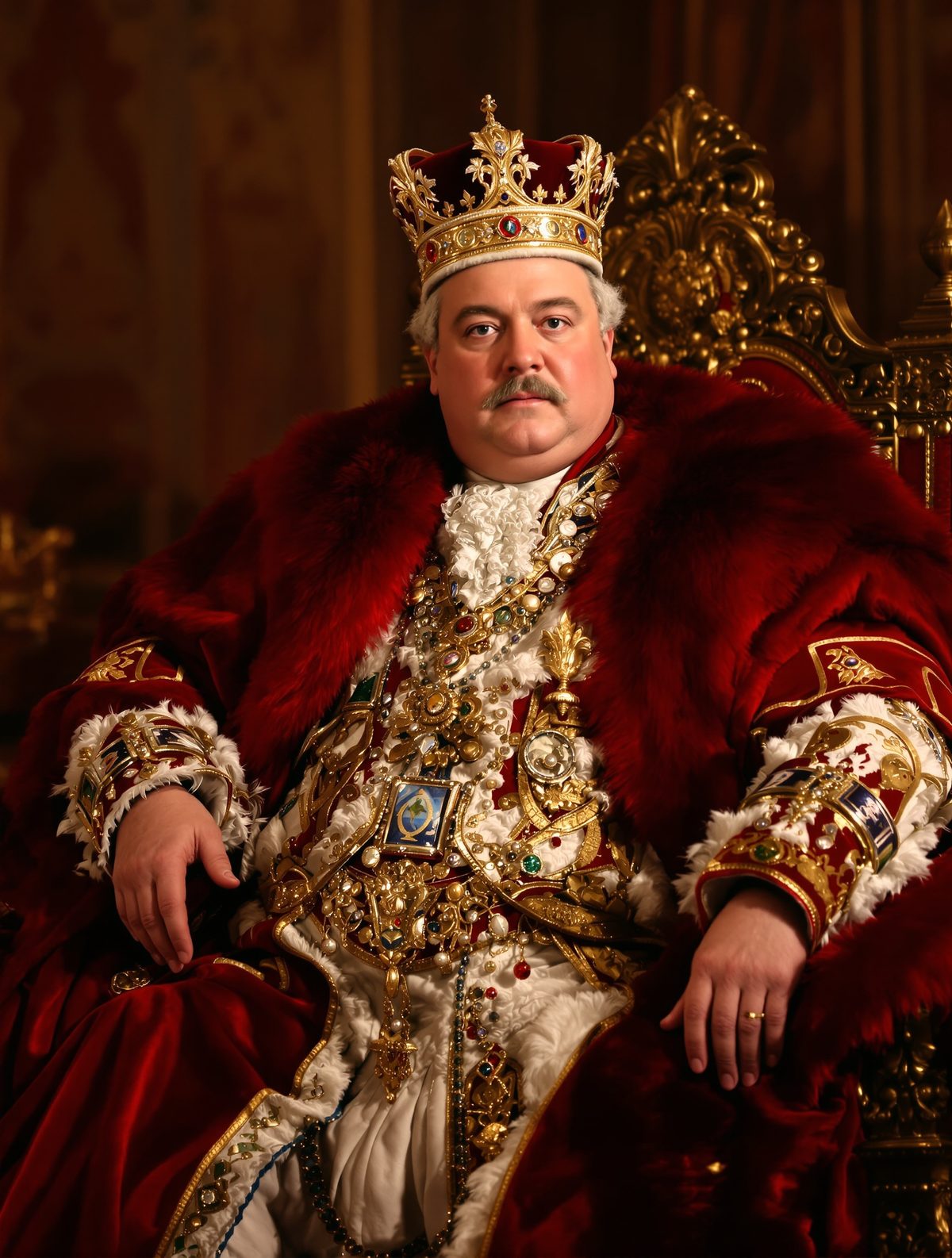
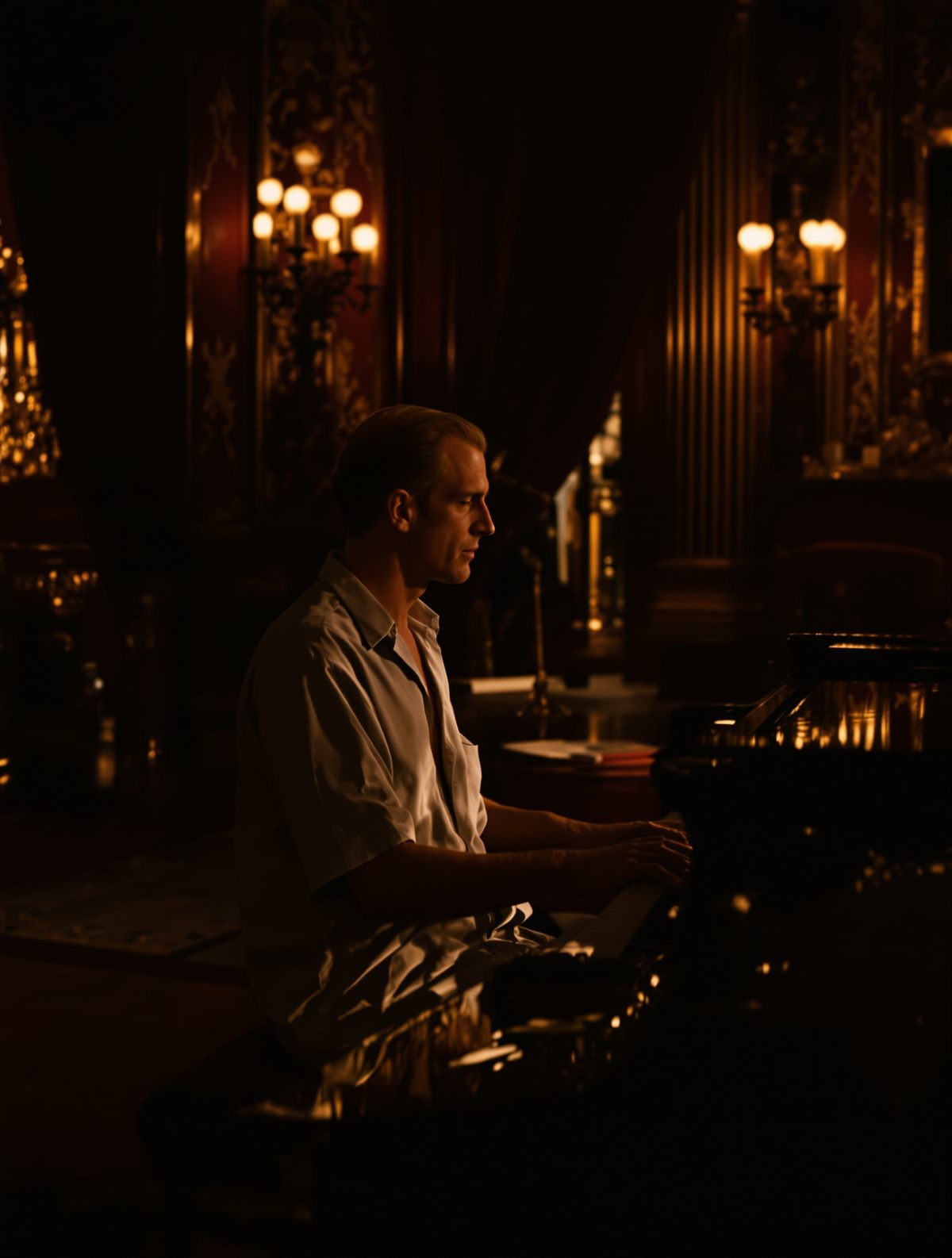
The ornate grandfather clock in the East Gallery had just chimed two in the morning when Sergeant William Matthews heard it again—the haunting melody of Blue Moon drifting through Buckingham Palace's darkened corridors. For months, the night security guard had been puzzled by these mysterious piano sessions that seemed to materialise from thin air, always at the witching hour, always beautifully played. Little did he know that behind the mahogany doors of the music room sat a barefoot Duke of Edinburgh in silk pyjamas, lost in the magic of jazz standards and finding solace in the ivory keys.
The Palace After Dark
Buckingham Palace transforms dramatically once the last ceremonial duty concludes and the final visitor departs. The grand State Rooms fall silent, their gilded walls holding centuries of secrets, while a skeleton crew of guards, housekeepers, and security personnel maintain their vigilant watch. During the 1950s and early 1960s, this nocturnal world became the backdrop for one of the Royal Family's most charming mysteries.
Night staff had grown accustomed to the palace's usual sounds: the gentle tick of antique clocks, the settling of ancient timbers, and the occasional footsteps of colleagues on their rounds. But the piano music was something entirely different—too skilled to be a servant's idle playing, too late to be any official entertainment. The melodies weren't classical pieces that might be expected in such regal surroundings, but rather the smooth, syncopated rhythms of American jazz and popular standards from the 1930s and 1940s.
Security guards would pause in their rounds, heads tilted towards the sound, trying to pinpoint its source. The acoustics of the palace's vast corridors made it difficult to determine exactly where the music originated, creating an almost supernatural quality to these midnight concerts. Some staff members even began timing their duties to coincide with what they privately dubbed "the ghost pianist's" regular performances.
The Duke's Hidden Passion
Prince Philip's musical abilities were not entirely unknown to those within the inner circle of the Royal Household, but the extent of his talent and his preferred genre certainly raised eyebrows. The Duke had received piano lessons as a child at Gordonstoun School, where his unconventional education under headmaster Kurt Hahn emphasised creativity alongside physical and moral development. However, few would have predicted that the man known for his naval precision and sometimes brusque manner harboured such a deep appreciation for the sultry world of jazz.
The revelation of his midnight musical escapades came quite by accident. Sergeant Matthews, determined to solve the mystery once and for all, had positioned himself strategically near the music room during one of these late-night concerts. As the final notes of Summertime faded into silence, he watched in astonishment as Prince Philip emerged, padding quietly across the marble floor in his bedroom slippers, looking remarkably relaxed and content.
Rather than being embarrassed at his discovery, the Duke reportedly gave the startled guard a conspiratorial wink and a finger to his lips—their shared secret was safe. This human moment, witnessed in the small hours when protocol relaxed and genuine personality could shine through, revealed a side of Prince Philip that the public rarely glimpsed during formal occasions.
Music as Royal Refuge
The 1950s and early 1960s were particularly demanding years for Prince Philip as he adjusted to his role as consort to the newly crowned Queen Elizabeth II. The Duke had sacrificed his promising naval career following the King's death in 1952, trading the freedom of command at sea for the constraints of constitutional monarchy. These midnight piano sessions likely provided a crucial outlet for a man who had given up so much of his former independence.
Jazz represented something quintessentially modern and free-spirited—qualities that resonated with Philip's character but were often at odds with the formal requirements of royal life. The genre's emphasis on improvisation and personal expression offered him a private space where he could simply be himself, away from the constant scrutiny and rigid protocols that governed his public existence.
The choice of repertoire was telling: standards like Georgia on My Mind, The Way You Look Tonight, and Mood Indigo suggested not just musical appreciation but emotional connection. These songs spoke of romance, longing, and personal feeling—themes that rarely found expression in the Duke's public persona but clearly moved him in private moments.
Palace insiders noted that these musical interludes often coincided with periods of particular stress or following challenging royal engagements. The piano became Philip's form of meditation, a way to process the complexities of his unique position within the monarchy while connecting with something purely personal and creative.
A Palace United by Music
What began as a solitary refuge gradually evolved into something more communal, though still intimate. Word of the Duke's musical talents spread discreetly among the palace staff, and many found themselves looking forward to these impromptu concerts. Some reported that the music helped them through their own long night shifts, providing a surprisingly comforting soundtrack to their duties.
On rare occasions, other members of the Royal Family were drawn to the music room during these sessions. Princess Margaret, herself an accomplished pianist with a love of jazz and popular music, was said to have joined her brother-in-law for informal duets. These moments of musical collaboration reportedly strengthened the bond between two strong personalities who sometimes clashed in daylight hours but found harmony at the keyboard.
The Queen, despite her more classical musical preferences, was understood to appreciate her husband's need for this creative outlet. Far from discouraging these nocturnal adventures, she ensured that the music room piano was kept in perfect tune and that Philip's privacy during these sessions was respected by all household members.
This royal tolerance for individual expression within the structured world of monarchy demonstrated the Royal Family's understanding that personal authenticity was essential for long-term service to the Crown. By allowing Philip his musical escape, the institution showed a flexibility that helped secure his commitment to royal duty for over seven decades.
Legacy of the Midnight Musician
Prince Philip's secret piano sessions remind us that behind the pomp and circumstance of royal life beat the hearts of remarkably human individuals with private passions and personal needs for creative expression. These glimpses into the Duke's more vulnerable, artistic side help explain how he maintained his vitality and distinctive personality throughout decades of public service.
The image of Prince Philip in his pyjamas, playing jazz in the early hours while Buckingham Palace slept around him, offers a poignant counterpoint to his public image as the sometimes stern, always dutiful consort. It reveals a man who understood that preserving some corner of personal freedom was essential to surviving the golden cage of royalty.
Today, as we consider the pressures faced by modern members of the Royal Family under unprecedented media scrutiny, Prince Philip's midnight music sessions seem remarkably prescient. They demonstrate the importance of finding private spaces for authentic self-expression, even within the most public of lives. Perhaps most touchingly, they show us that the strains of Blue Moon echoing through palace corridors at 2am weren't just the sound of one man playing piano—they were the sound of the human spirit refusing to be completely contained, even by a crown.