While Parliament erupted in heated debate over the mounting costs of King George IV's 1821 coronation, one line item remained conspicuously absent from the public accounts. Hidden beneath layers of ceremonial robes and royal regalia lay perhaps the most scandalous expense of all: a set of silk undergarments so lavishly crafted and eye-wateringly expensive that they cost more than the average British home. What drove a king to spend a fortune on underwear that no one would ever see?
A King's Obsession with Luxury
George IV was no stranger to excess. Long before he inherited the throne from his father, the famously frugal George III, the Prince Regent had already established himself as Europe's most flamboyant royal spendthrift. His Brighton Pavilion stood as a testament to his exotic tastes, while his debts regularly sent Treasury officials into apoplectic fits. But the coronation presented an unprecedented opportunity to outshine every monarch who had come before him.
The king's approach to his coronation was characteristically theatrical. He envisioned a ceremony that would rival the grandest spectacles of Versailles, complete with elaborate costumes, sumptuous feasts, and enough pageantry to cement his legacy as Britain's most magnificent sovereign. What the public didn't know was that George's attention to detail extended far beyond what met the eye.
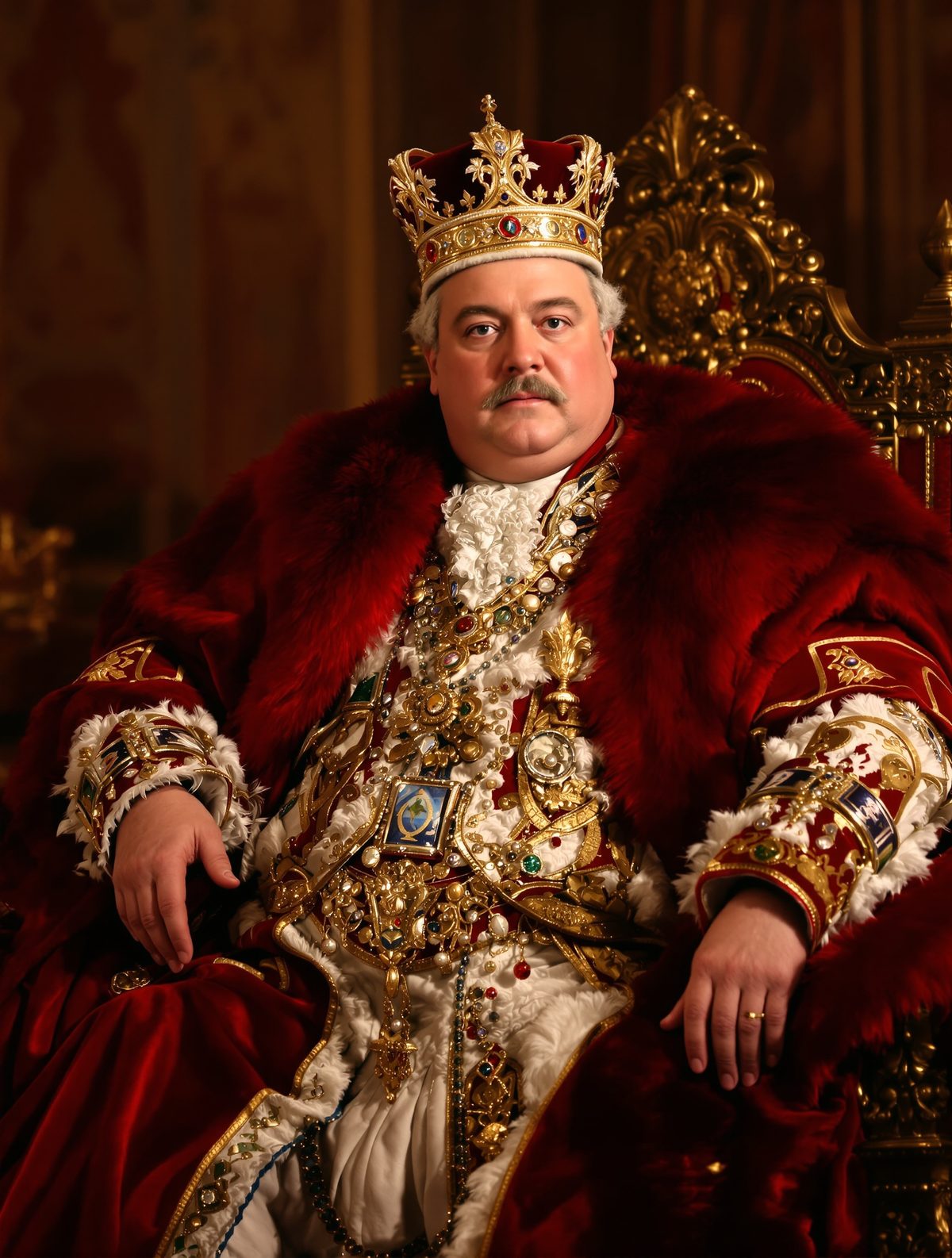
Every element of the king's coronation attire was meticulously planned, from his purple velvet robes trimmed with ermine to his specially commissioned crown. But it was the garments closest to his skin that received the most obsessive care—and the most extravagant budget allocation.
The Secret Commission
In the months leading up to the coronation, George IV secretly commissioned London's finest seamstresses and embroiderers to create what would become the most expensive set of undergarments in royal history. The project was shrouded in such secrecy that even senior court officials remained unaware of its existence until decades later, when estate inventories finally revealed the extraordinary expense.
The undergarments were crafted from the finest Chinese silk, imported at considerable cost and selected for its exceptional softness and lustrous sheen. But the base material was merely the beginning. Teams of skilled artisans spent months hand-embroidering intricate patterns using genuine gold thread, creating elaborate designs that incorporated Tudor roses, lions, and other royal symbols across every inch of fabric.
The pièce de résistance was the incorporation of hundreds of small pearls, each individually sewn into the silk to create shimmering accents throughout the garments. These weren't ordinary pearls, but perfectly matched specimens sourced from the finest suppliers in the Far East. The result was underwear that glittered like jewelry, transforming the most private aspect of royal dress into a work of art.
The Staggering Cost
When the bills were finally tallied, the king's coronation underwear had cost an astounding sum that dwarfed most people's annual income. To put this expense in perspective, the average British house in 1821 sold for significantly less than what George IV spent on garments that would remain hidden beneath his robes throughout the ceremony.
The secrecy surrounding this particular expense becomes more understandable when considering the broader context of coronation costs. The total ceremony budget of £25,000 had already sparked fierce criticism in Parliament and the press. Opposition politicians denounced the extravagance as inappropriate at a time when many British subjects struggled with economic hardship following the Napoleonic Wars.
Had news of the underwear's true cost emerged, it would likely have provoked a constitutional crisis. The idea that a king would spend more on his undergarments than his subjects spent on their homes struck at the very heart of debates about royal excess and fiscal responsibility that would echo throughout the 19th century.
"The most private luxury is often the most telling indicator of character," observed one court insider years later, though whether this observation was meant as praise or criticism remains unclear.
A Day of Spectacle and Secrets
On July 19, 1821, Westminster Abbey witnessed one of the most spectacular coronations in British history. George IV processed down the aisle in his magnificent robes, the St. Edward's Crown glittering on his head, every inch the embodiment of royal majesty. The congregation gasped at the splendor of his appearance, unaware that beneath the visible finery lay garments more valuable than most would earn in several lifetimes.
The ceremony itself lasted nearly five hours, during which the king's elaborate costume remained perfectly arranged. Court observers noted his obvious comfort and confidence throughout the lengthy proceedings, though none could have guessed that his ease stemmed partly from the extraordinary luxury of his hidden silk undergarments.
The coronation succeeded in its primary objective: establishing George IV as a monarch of unparalleled magnificence. Foreign dignitaries returned to their courts with tales of British royal splendor that enhanced the kingdom's prestige across Europe. Yet the king's greatest extravagance remained his most closely guarded secret.
The Legacy of Royal Excess
The story of George IV's coronation underwear offers a fascinating glimpse into the psychology of absolute monarchy and the lengths to which royal ego could extend. For a king who viewed himself as the ultimate arbiter of taste and refinement, no detail was too small to perfect, no expense too great to justify.
This obsession with luxury, even in its most private forms, reflected broader tensions within the British monarchy during the early 19th century. As democratic ideals gained ground and public scrutiny of royal behavior intensified, monarchs like George IV clung ever more desperately to the traditional prerogatives of absolute rule, including the right to spend vast sums on personal pleasure.
The contrast with today's royal family couldn't be more striking. Modern monarchs operate under intense media scrutiny and public accountability, with every expense subject to potential criticism and review. The idea of a contemporary royal spending house-money on secret underwear would be unthinkable, not merely because of the cost, but because the inevitable discovery would prove far more damaging than any temporary pleasure.
Yet George IV's silk fantasies also remind us of the deeply human desires that drive even the most exalted figures. His need for luxury, comfort, and beauty—even in realms invisible to others—speaks to universal longings for refinement and pleasure. Perhaps the real scandal isn't that a king once spent a fortune on underwear, but that we remain fascinated by such extravagance nearly two centuries later, simultaneously appalled and secretly envious of such uninhibited self-indulgence.