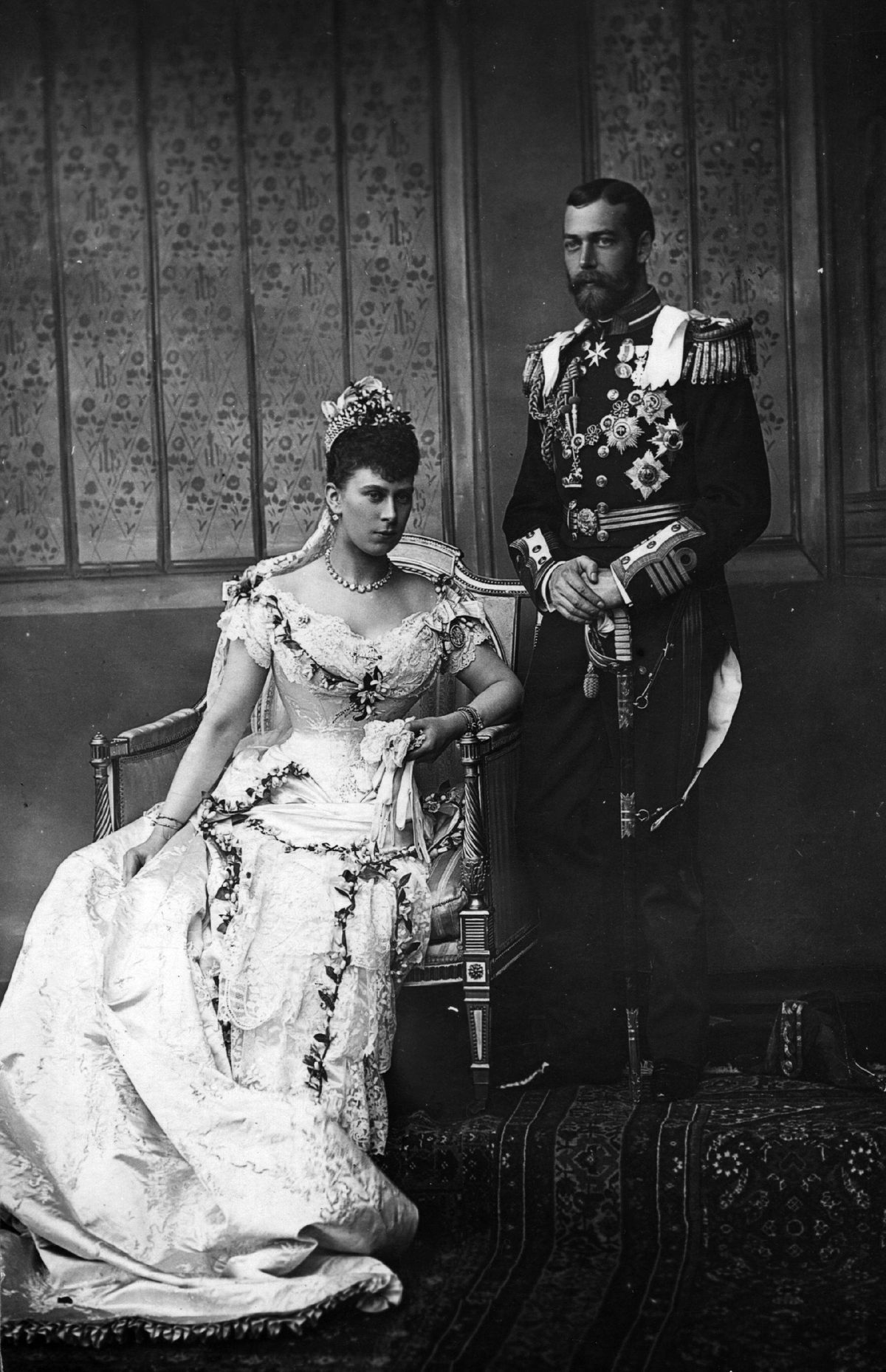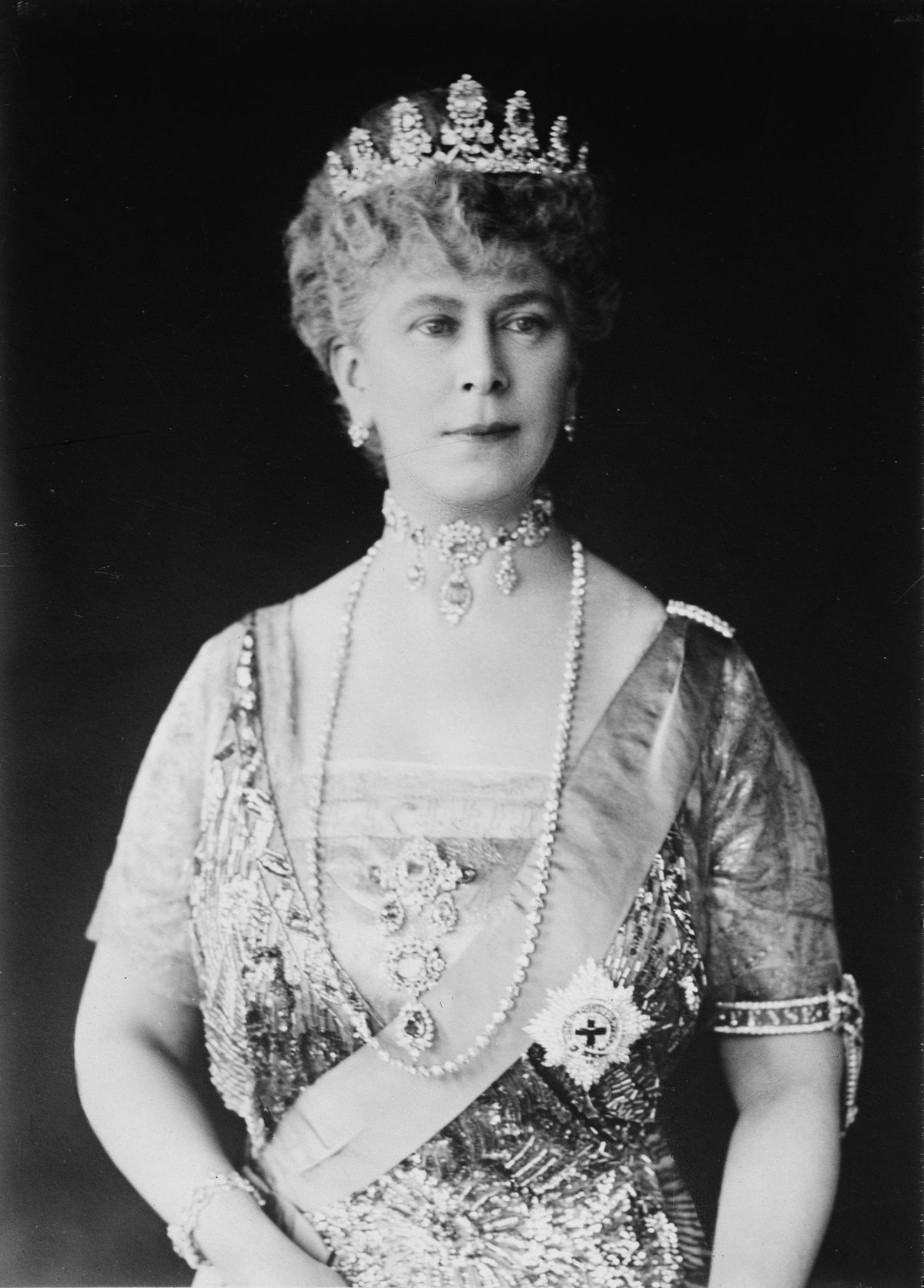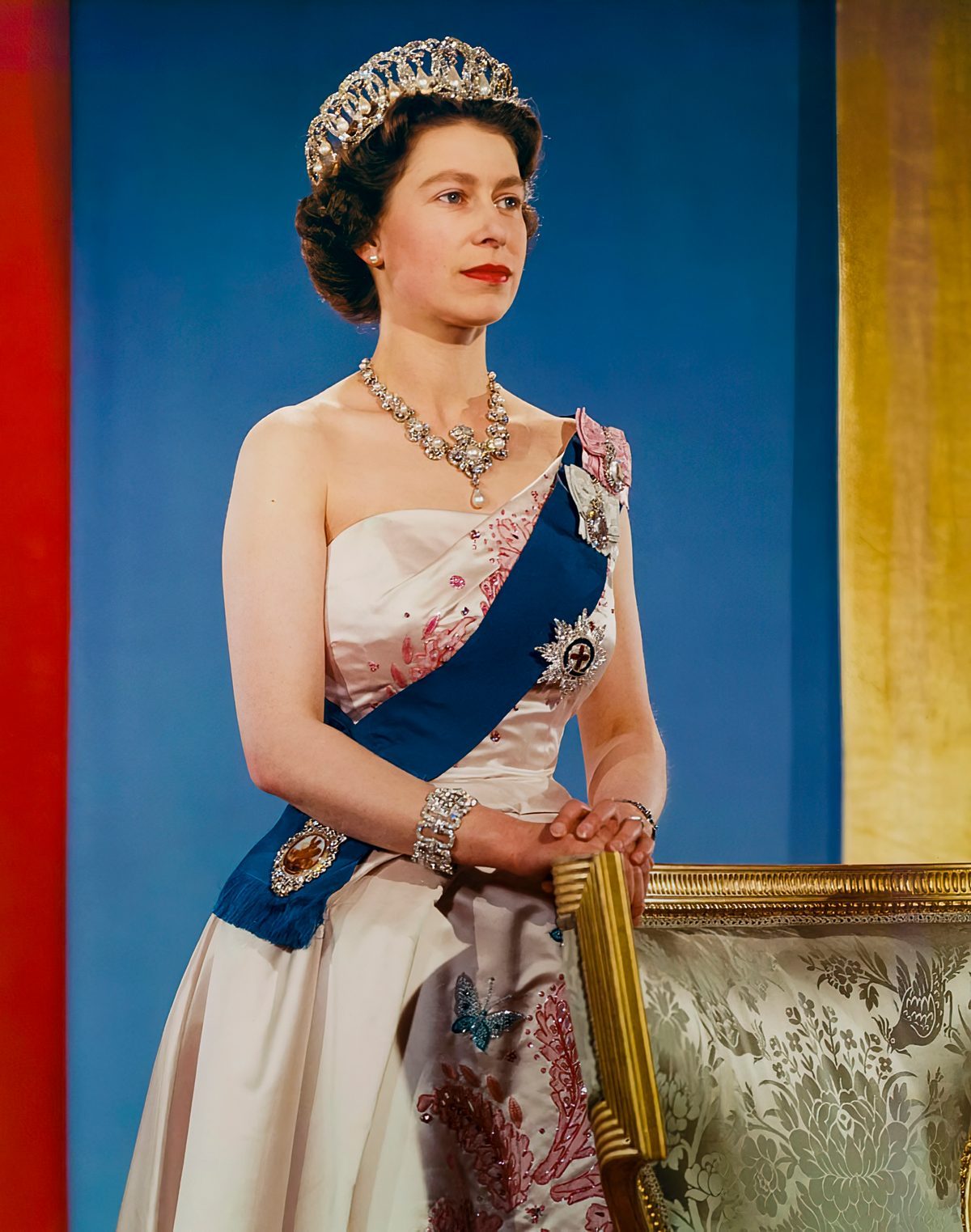
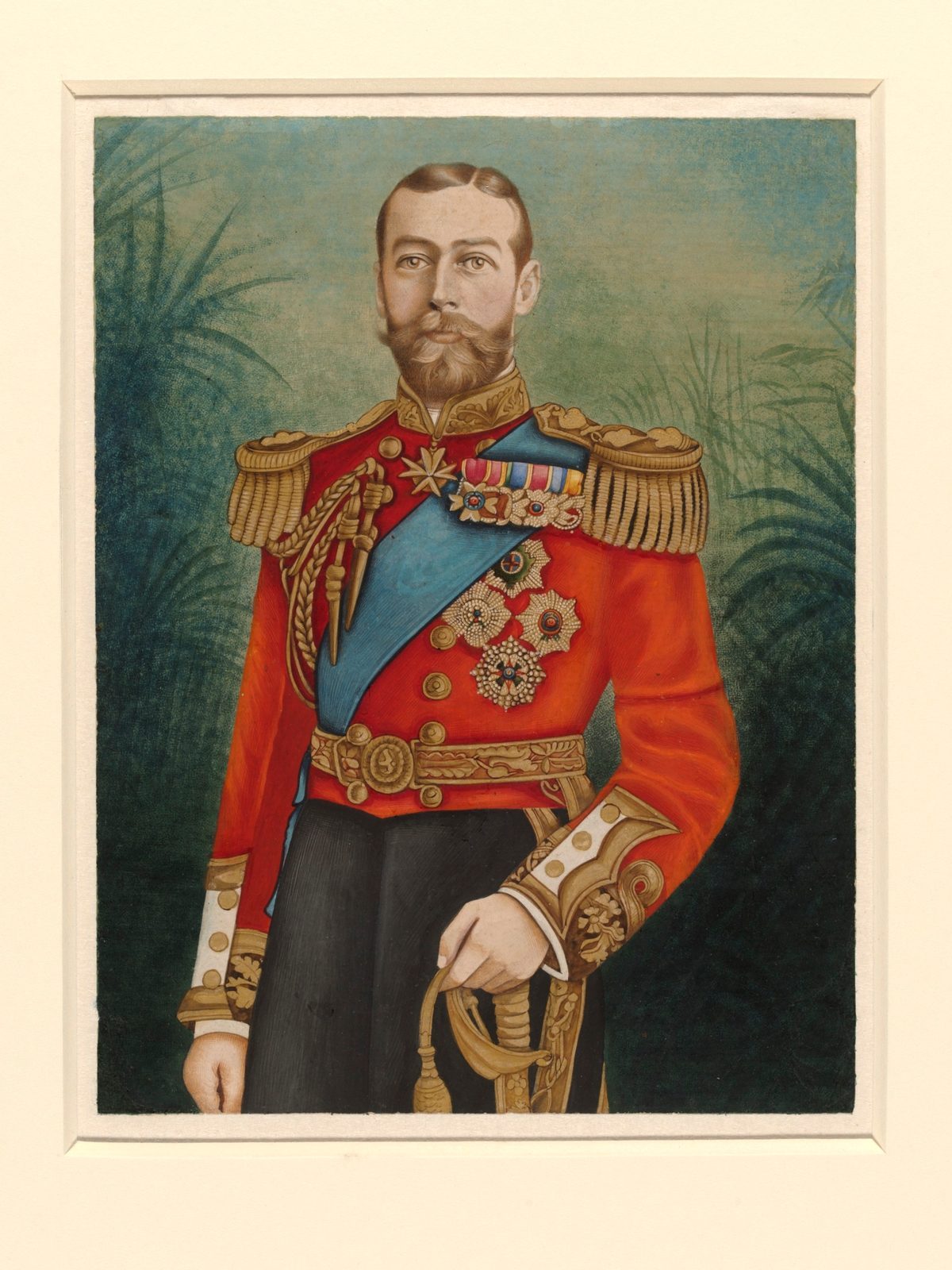
In the flickering candlelight of a Windsor office, the gravity of war and royal ceremony blended into an unexpected, poignant tableau. It was December 1914, a time when the world lay fractured by the horrors of the Great War. Within the walls of Windsor Castle, amid the clatter of official work and the refined echo of the royal court, King George V, the embodiment of calm sovereignty, made an unanticipated decision that reshaped the image of monarchy for those who learned of it. Dismissing the gentle insistence of his overwhelmed staff, he resolved to read the letters himself—the thousands of missives arriving daily from soldiers' families. The first Christmas of the Great War was unlike any other, and it revealed a vulnerability in the King that his subjects never could have imagined.
The Gathering Storm of 1914
The year was one of upheaval and transformation. The Great War, which had startled the world with its velocity and ferocity, had plunged Europe into chaos. It was a time when the Royal Family, traditionally seen as removed from the ordinary struggles of daily life, sought ways to bridge the yawning chasm between the monarchy and the realities of war that so many were facing.
King George V, known more for his steadfastness than his emotional expressiveness, found himself at the helm during this trying era. Residing within the regal magnificence of Windsor Castle, a symbol of the monarchy’s endurance and history, he was navigating storms greater than any faced by his predecessors. In royal quarters filled with courtiers, military advisors, and those devoted to the upkeep of tradition, George V was determined to connect with his people and their plight in a deeply personal way.
A Deluge of Letters
As the festive season approached, what should have been a time of joy was overshadowed by grief and uncertainty. Families, anxious and distraught, took pen to paper, pouring their fears, hopes, and heartache into letters addressed to the King. They did not expect replies; the very act of writing to their sovereign might have seemed an exercise in futility. Yet, it provided solace— a belief that their grief could be shared, and perhaps lightened, with the one person upon whom the nation now focused much of its hope.
Though his aides urged him to delegate the task, George V staunchly refused, asserting that a personal connection to each message was imperative. As they flowed in daily, from small villages and towns across the realm, King George V committed to reading every single one. Insofar as the King’s private world was visible to few beyond the closest royal circle, this act remained largely unsung until years later.
An Emotional Response
The letters varied from tales of valor to lamentations of unthinkable loss. One particular letter, as history recalls, profoundly moved the King. It was a simple account from a grieving family who had lost their only son in the trenches. It was in reading of their unending sorrow and their humble Christmas wishes—not for themselves but for peace and the well-being of the King—that the weight of their pain moved him to tears.
The staff at Windsor had gently noted unusual quiet from the King’s office, which was punctuated only by pensive sighs and distant sobs penetrating the heavy oak doors. When the private secretary eventually entered, it was to find him, head in hands, weeping. This private moment spoke volumes of his compassionate humanity—one not often associated with the stoic exterior he bore in public. Here was a King, not only a sovereign, truly touched by the struggles of his people.
Cherishing the Monarchy's Unique Role
Such unseen, private moments of empathy and vulnerability exemplified the true heart of the monarchy. They highlighted a nuanced understanding of the evolving world, one where leaders were required not merely to oversee but to embody and reflect their people's suffering and aspirations. King George V's steadfast commitment to personally engage with these letters demonstrated the monarchy's role as a symbol of continuity, empathy, and resilience amidst turbulent times.
In the broader narrative of British royalty, stories like these, often little known or whispered about, reveal the deeply personal burdens borne by those who wear the crown. While the grandeur of courtly life provided its trappings and pressures, it also held moments where the shared human experience of love, loss, and hope transcended any social divide.
An Enduring Legacy
The story of King George V and the stranger's letter reflects more than a singular moment of empathy. It stands as a testament to the timeless power of unity and heartfelt connection, even when wrapped in the mantle of regality. Today, the British Monarchy continues to symbolize strength and solidarity, drawing from such historical interactions that entwined compassion with duty.
This connection to the past, and these mostly unseen gestures of kindness, thread through the royal fabric, sewing a legacy of humanity. As we honor King George V, let us remember that beyond the pomp and circumstance lies a lineage devoted not only to tradition but to the profound and ongoing endeavor to lead with humanity.
In a world still acquainted with conflict and hardship, this poignant moment at Christmastime, over a century ago, reminds us of the power of empathy. It serves as a gentle nudge to all, not just the royals, encouraging a legacy of compassion that transcends time, much like the monarchy itself.
📷 Photo: Unknown (production). Public domain via Wikimedia Commons.