When the most powerful man in the British Empire was stripped of his gilded world and confined to bare quarters with nothing but simple meals and quiet routines, something extraordinary happened. King George III, the monarch who ruled over vast territories and commanded the respect of millions, discovered a peace that had eluded him throughout his glittering reign. The very isolation meant to contain his illness became an unexpected sanctuary from the relentless pressures of kingship.
The Golden Cage of Kingship
To understand the profound impact of George III's enforced simplicity, one must first appreciate the magnificent burden he carried daily. The 1780s found the King at the height of his powers, ruling from palaces that epitomised luxury and ceremony. His typical day began in the sumptuous royal apartments at Windsor Castle or St. James's Palace, where every moment was choreographed by centuries of protocol.
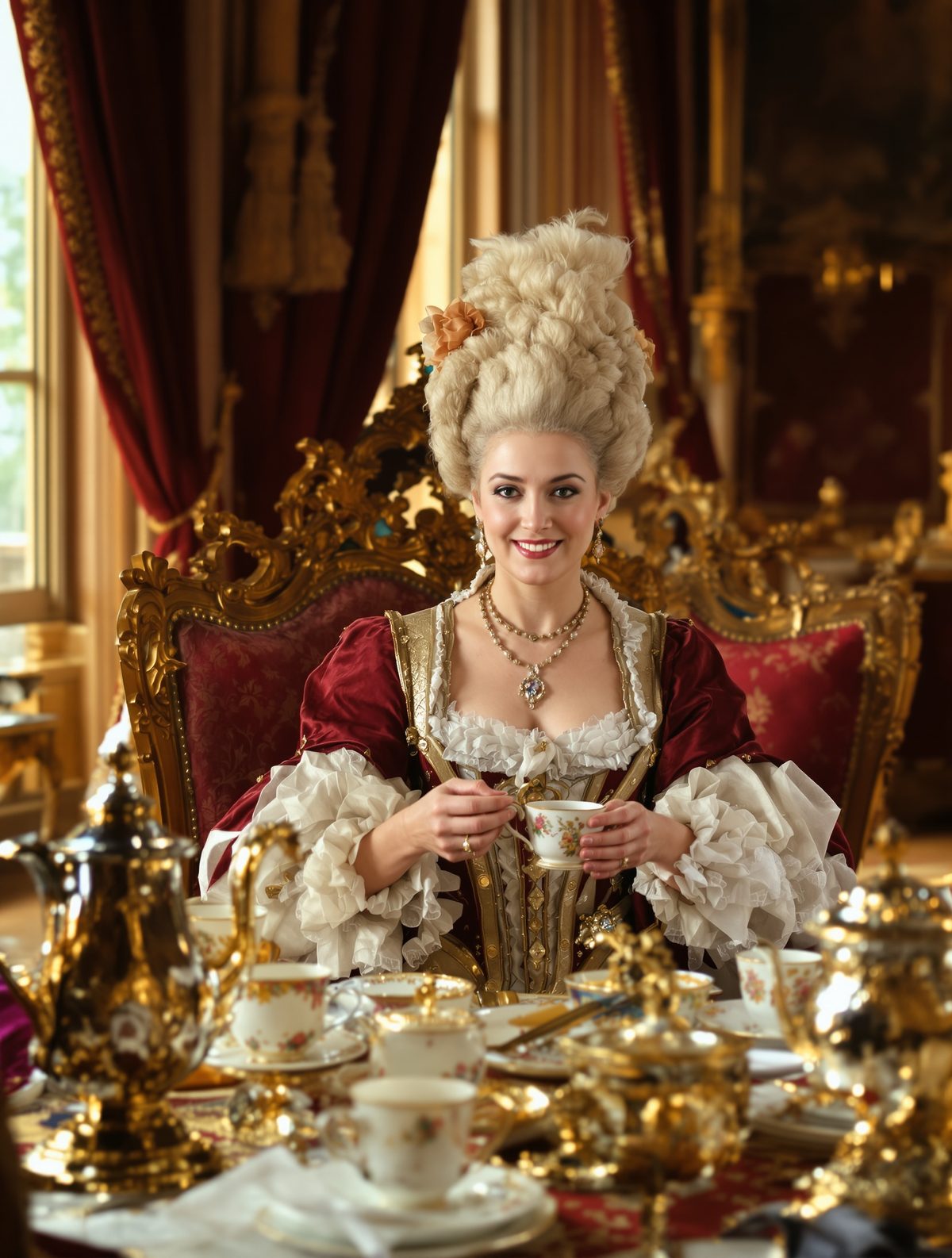
The King's morning levée alone involved dozens of courtiers, each vying for his attention while maintaining the intricate dance of royal etiquette. His wardrobe was a testament to his status – elaborate coats of silk and velvet, adorned with gold thread and precious buttons, powdered wigs that required an hour to arrange, and ceremonial orders that weighed heavily upon his shoulders. Every meal was a state affair, served on gold plate by liveried servants who moved with practiced precision through rooms adorned with priceless artworks.
The constant weight of ceremony was exhausting. Foreign ambassadors required audiences, ministers demanded decisions on matters of state, and the endless stream of court functions meant that George III was perpetually "on stage," performing the role of monarch for an audience that never left.
When Illness Stripped Away the Splendour
The King's first major episode of illness in the 1780s changed everything overnight. Modern historians believe George III suffered from porphyria, a rare blood disorder that can cause severe physical and mental symptoms. When his condition became apparent, the royal physicians – led by the formidable Dr. Francis Willis – prescribed a treatment that was revolutionary in its simplicity.
Gone were the opulent state apartments. The King was moved to modest, sparsely furnished rooms where the only decoration might be a simple mirror and perhaps a single painting. The elaborate court dress was replaced with plain clothing – simple shirts, practical breeches, and comfortable shoes. No powdered wigs, no jeweled orders, no ceremonial swords.
The transformation extended to his daily routine. Instead of the complex rituals of court life, George III followed a structured but simple schedule. Meals consisted of plain, nourishing food served without fanfare. Gone were the golden plates and crystal glasses, replaced by simple earthenware and basic utensils. The silence must have been striking – no courtiers whispering in antechambers, no musicians playing in distant salons, no constant rustle of silk and taffeta.
The Radical Simplicity of Recovery
Dr. Willis's treatment philosophy was remarkably modern for its time. He believed that the King's recovery required complete removal from the stresses of royal life. This meant no state papers, no audiences with ministers, and no ceremonial duties. For a man who had known nothing but the weight of crown and kingdom since ascending the throne in 1760, this enforced simplicity was initially distressing but ultimately liberating.
An Unexpected Transformation
What palace staff observed during these periods of enforced simplicity was remarkable and, to many, deeply moving. Courtiers who had served George III for years noted a gradual change in his demeanor as the immediate pressures of kingship were lifted from his shoulders.
The King, freed from the need to maintain royal dignity at every moment, began to display a more natural warmth. He showed genuine interest in the simple routines of his care – asking about the meals being prepared, commenting on the weather visible through his modest windows, and engaging in gentle conversation with his attendants without the formal barriers that usually separated monarch from subject.
His sleep improved dramatically. Without the constant worry of state affairs pressing upon his mind, George III began to rest more peacefully. The tension that had marked his features during public appearances softened, and staff noted that he seemed to find genuine pleasure in small things – the taste of simple food, the comfort of plain clothing, the quiet of rooms unadorned with the symbols of power.
Perhaps most telling was his reaction when, during recovery periods, courtiers would begin to reintroduce elements of royal protocol. The King would sometimes express a reluctance to return to the elaborate ceremonies, asking if certain formalities were truly necessary. This from a man who had been raised from birth to understand that ceremony and monarchy were inseparable.
Finding Joy in Simplicity
During these quiet interludes, George III rediscovered interests that court life had largely pushed aside. He spent time reading – not state papers or diplomatic correspondence, but books that genuinely interested him. His love of agriculture, which had earned him the affectionate nickname "Farmer George," flourished in these periods when he could think about crops and livestock without the weight of imperial concerns.
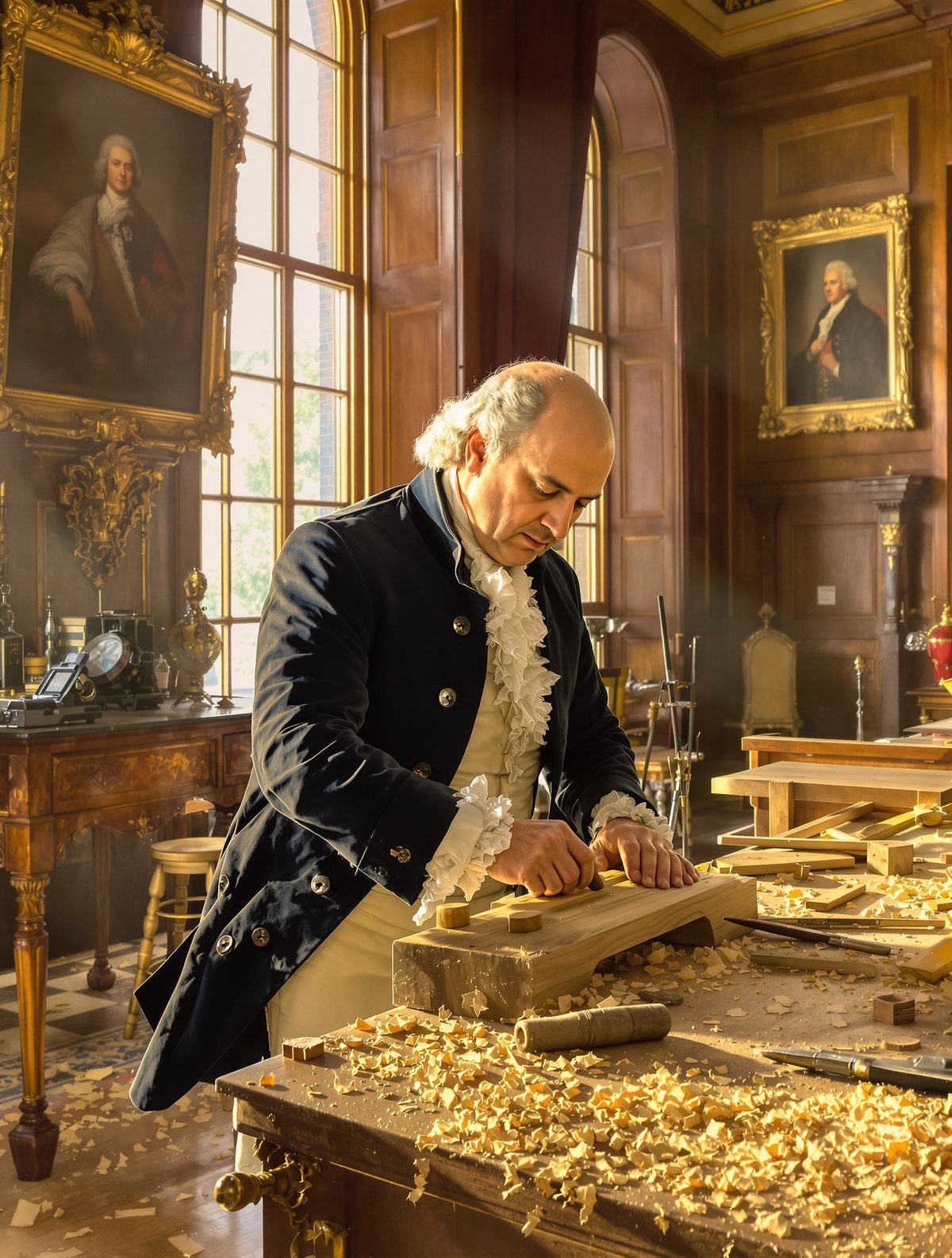
The King also found pleasure in simple crafts and activities. He enjoyed watching the skilled work of palace artisans and sometimes requested to try simple tasks himself – activities that would have been unthinkable during the full pomp of court life, when every royal action carried symbolic weight.
The Bittersweet Return to Glory
Each recovery brought the inevitable return to the golden cage of monarchy. As George III's health improved, the elaborate machinery of court life would slowly restart. The simple rooms would be exchanged for state apartments, plain clothes for ceremonial dress, quiet meals for formal banquets. The transformation was necessary – the kingdom required its king – but those closest to George III could see the toll it took.
The contrast was particularly stark because the King had experienced an alternative. He had tasted a life where his worth wasn't measured in ceremonies performed or audiences granted, but in the simple fact of being human. The return to royal duties, while accepted with characteristic duty and grace, must have felt like donning heavy armor after a period of blessed freedom.
Courtiers noted that after each period of enforced simplicity, the King seemed to carry himself differently for a while. There was a gentleness in his manner with servants, a patience with protocol that hadn't always been there before, and occasionally, a wistful look that suggested he was remembering quieter moments.
A King's Hidden Truth
George III's experience during his periods of illness reveals a profound truth about the nature of monarchy and happiness. Here was a man born to ultimate privilege, raised in palaces, and educated to rule an empire. Yet when stripped of all the trappings that defined his public identity, he found a peace that had eluded him in all his years of glory.
This doesn't diminish his dedication to duty or his love for his kingdom. Rather, it illuminates the very human cost of wearing a crown. The King who would reign for sixty years and see Britain through some of its most challenging periods was, beneath the ceremony and protocol, a man who found happiness in the simplest of lives.
Perhaps there's something deeply modern in George III's secret contentment with simplicity. In our own age of constant connectivity and relentless demands, the image of a king finding peace in quiet rooms and simple routines speaks to a universal longing. The monarch who ruled over the greatest empire on earth discovered what many of us still seek – that sometimes, the greatest luxury isn't having everything, but being free from the burden of having to perform perfection every moment of our lives.