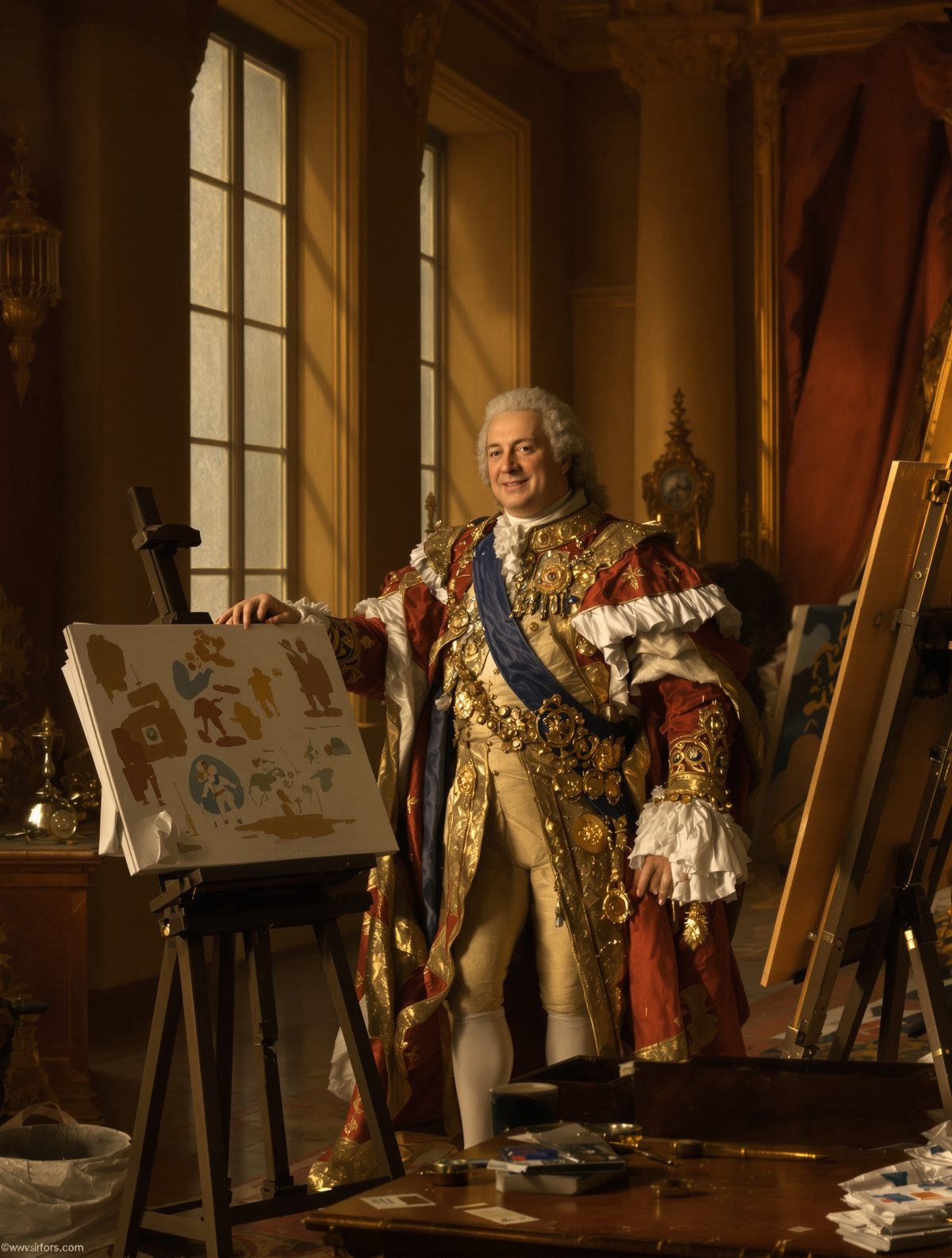
Picture this: you're a court painter in 1730s Britain, commissioned to create a portrait of King George II—the hot-tempered monarch known for his explosive outbursts and Germanic precision. You've prepared your finest canvas, mixed your most exquisite pigments, and rehearsed exactly how you'll address His Majesty. Then the King walks in and begins systematically removing his clothes. What would you do?
This mortifying scenario actually unfolded in the royal apartments, creating one of the most amusing—and revealing—anecdotes from George II's thirty-three-year reign. The incident, which nearly gave the court artist apoplexy, ultimately showcased a surprisingly human side of a monarch better known for his fierce temper and military obsessions than his sense of humor.
The Misunderstanding That Shook Hampton Court
The confusion began with what should have been routine instructions. Court protocol for royal portraits involved multiple preliminary discussions about pose, attire, and artistic approach. When the painter—whose identity remains frustratingly unclear in historical records—suggested that the King might consider "removing the formal layers" to achieve a more natural, relaxed composition, he meant the heavy ceremonial robes, decorative sashes, and cumbersome regalia that often overwhelmed royal portraits.
George II, however, interpreted these instructions rather more literally than intended.
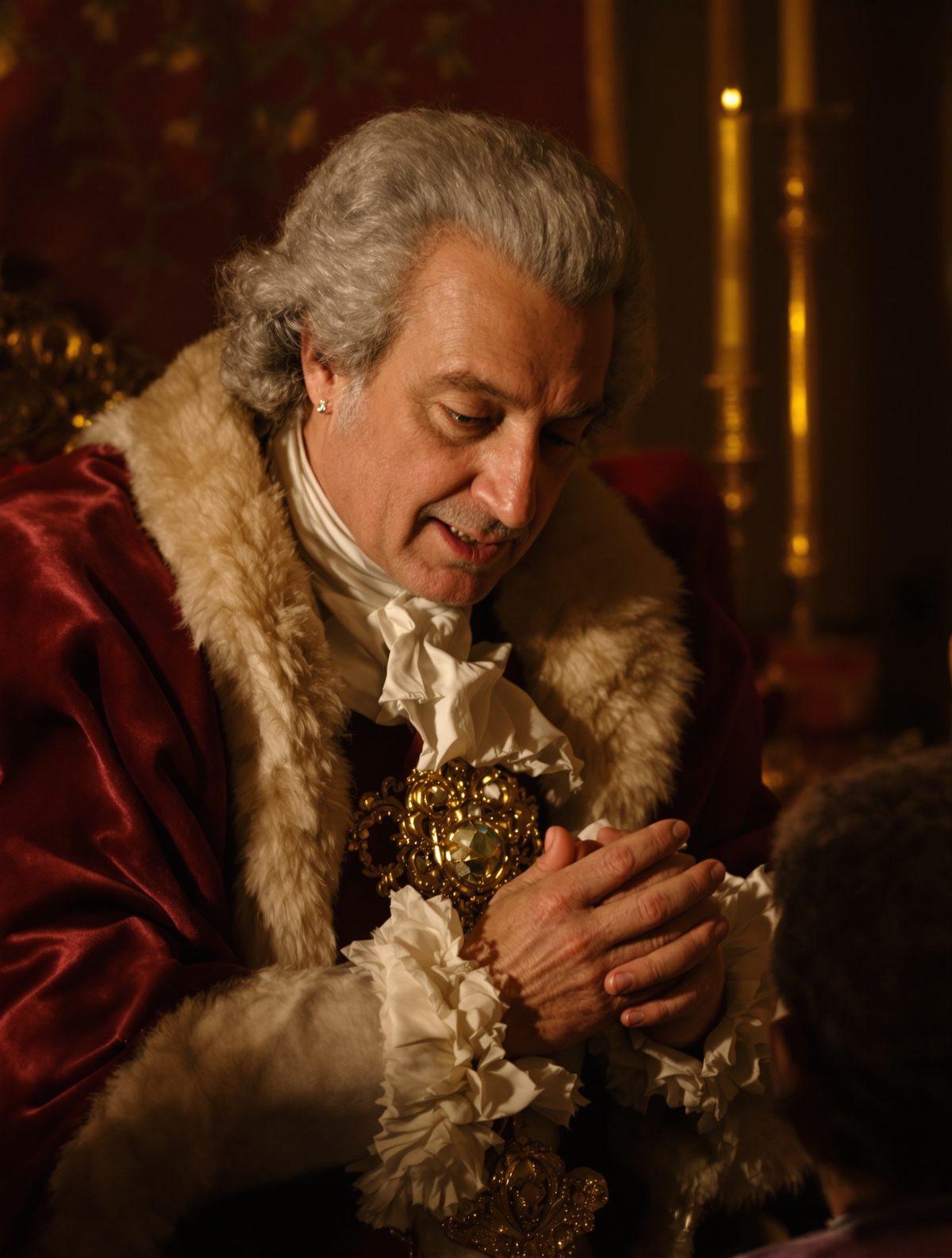
The King arrived punctually for his sitting—punctuality being one of his defining characteristics—and immediately began disrobing with the methodical efficiency of a military man preparing for inspection. Off came the elaborate wig, the ornate justaucorps coat, the silk waistcoat, and increasingly, items that no court painter had ever expected to see removed in a professional context.
Court artists of the Georgian era were accustomed to managing delicate situations. They navigated royal vanities, family politics, and the constant pressure to flatter while maintaining artistic integrity. But nothing in their training had prepared them for this particular scenario.
A King's Unexpected Reaction
What happened next reveals volumes about George II's character—and perhaps explains how he managed to rule successfully for over three decades despite his reputation for volatility. When the mortified artist stammered out an explanation of the misunderstanding, expecting royal fury or immediate dismissal from court, the King simply burst into hearty laughter.
Rather than rage at the confusion or storm out in embarrassment, George II found the situation genuinely amusing. According to court chroniclers of the period, he declared the mix-up "refreshingly honest" and suggested they proceed with the session as planned. The King's reasoning, characteristically pragmatic, was that he was comfortable with his physique—a confidence perhaps bolstered by his military background and genuine fitness from years of active campaigning.
This response was particularly remarkable given George II's well-documented temper. Courtiers regularly witnessed his explosive reactions to minor protocol breaches or perceived slights. Yet faced with genuine mortification and professional embarrassment, the King demonstrated unexpected grace and humor.
Royal Portraiture in the Georgian Court
To understand why this incident was so shocking, we must consider the rigid formality surrounding royal portraiture in the 1730s. These were not casual photo sessions but elaborate state exercises designed to project power, legitimacy, and divine authority. Every element—from the angle of the King's chin to the drape of his ermine—carried political significance.
Court painters operated within strict conventions established over centuries of royal tradition. They were expected to idealize their subjects while maintaining recognizable likenesses, to incorporate specific symbols of monarchy and authority, and above all, to preserve royal dignity at every moment. The idea of a monarch in any state of undress was not merely inappropriate—it was potentially treasonous.
Royal portraits served as diplomatic tools, sent to foreign courts to negotiate marriages or display British power. They decorated state rooms where international treaties were signed and ambassadors received. The notion that such an image might capture the King in a state of casual undress would have horrified court officials and potentially created international embarrassment.
Yet George II's willingness to break with convention, even accidentally, hints at his complex relationship with royal protocol. Though often depicted as rigidly Germanic and obsessed with military precision, he occasionally revealed a more flexible, even playful side that court chroniclers rarely recorded.
The Human Side of Monarchy
This amusing incident illuminates broader truths about Georgian court life and the personalities who shaped it. Behind the elaborate ceremonies, political machinations, and diplomatic complexities were real people navigating genuinely awkward situations with varying degrees of grace.
George II's reaction reveals a monarch comfortable enough in his own skin—quite literally—to laugh at circumstances that might have devastated others. This confidence likely stemmed from his military experience, where shared hardships and informal moments built genuine camaraderie among officers and men. Unlike many monarchs who were raised entirely within palace walls, George had campaigned personally, leading troops at the Battle of Dettingen and earning genuine respect through shared dangers.
The incident also highlights the precarious position of court artists, who needed to balance artistic vision with political necessity, personal safety with professional integrity. The unnamed painter's near-fainting spell speaks to the very real career risks involved in any royal commission. A misunderstood instruction could mean exile from court, loss of prestigious commissions, and professional ruin.
Fortunately for posterity, the session apparently continued successfully, though whether the final portrait incorporated any of the King's unconventional approach to formal dress codes remains unknown. What survives is a delightful reminder that even the most formal royal courts generated moments of genuine human comedy.
The incident stands as a testament to the unexpected moments of humanity that punctuated even the most rigid royal protocols, reminding us that behind the crowns and ceremonies were individuals capable of laughter, embarrassment, and genuine warmth.
As we observe today's royal family navigating their own balance between formal dignity and human authenticity, King George II's portrait session mishap feels remarkably contemporary. Whether it's unexpected moments of humor during state functions or candid glimpses behind ceremonial facades, the tension between royal duty and human nature continues to fascinate us. Perhaps that's because these incidents remind us that even those born to extraordinary privilege and responsibility face the same fundamentally human experience of navigating awkward situations with whatever grace they can muster—clothes optional.