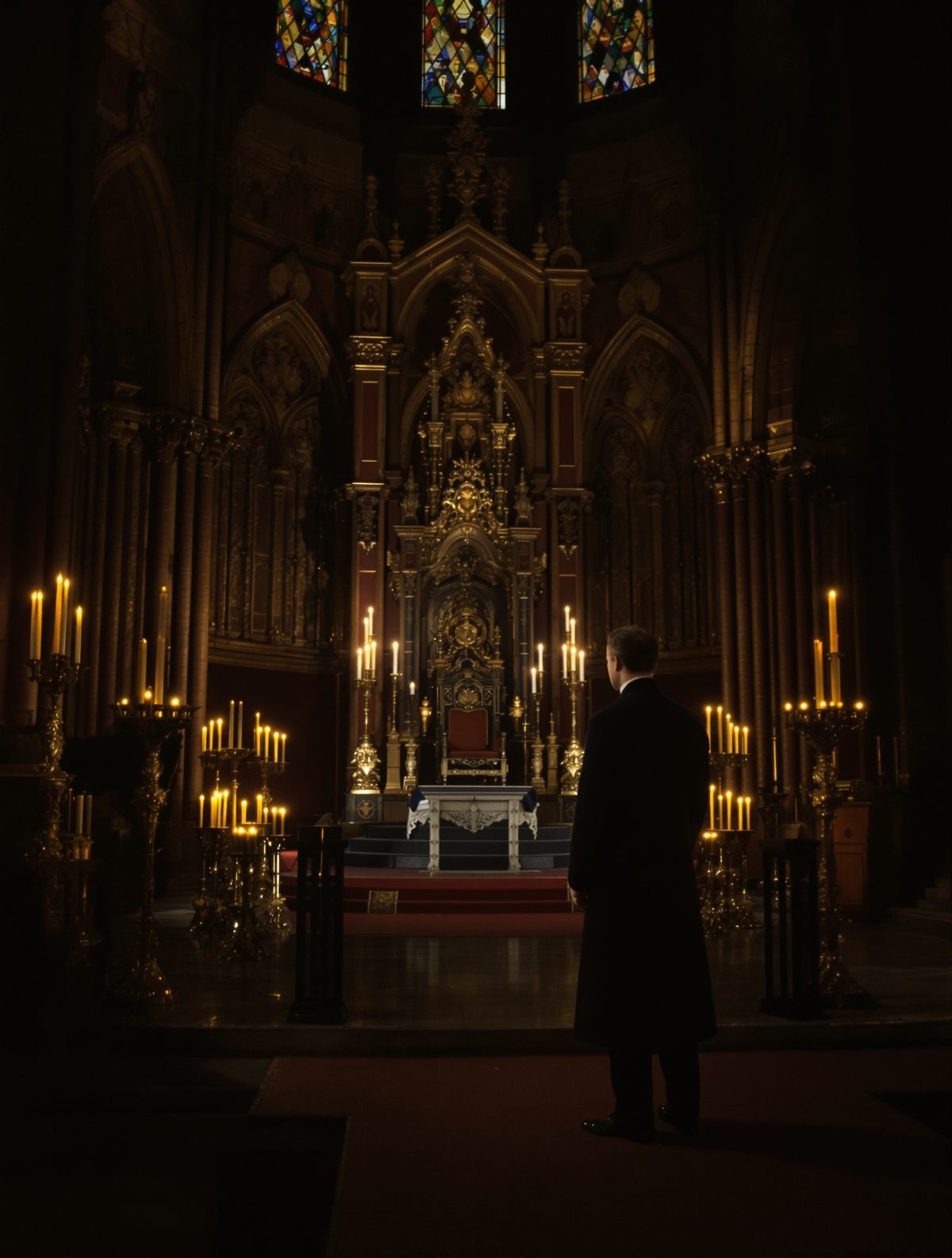
The ancient stones of Westminster Abbey had witnessed the coronations of kings and queens for nearly a thousand years, but on the night of December 10, 1936, they bore witness to something far more extraordinary. As London slept, a solitary figure moved through the shadows of the great church, his footsteps echoing in the hallowed silence. King Edward VIII, just hours away from signing the most shocking abdication in British history, had come to rehearse the ceremony that would never be.
The Weight of a Crown Never Worn
By December 1936, the constitutional crisis that would define Edward VIII's brief reign had reached its crescendo. For weeks, the King had battled Prime Minister Stanley Baldwin, the Church of England, and the governments of the Dominions over his determination to marry American divorcée Wallis Simpson. The establishment's message was crystal clear: he could have the crown or the woman, but not both.
Yet even as the final preparations for his abdication were being made, the machinery of his coronation continued to turn. Scheduled for May 12, 1937, the ceremony had been in planning for months. Invitations had been sent to foreign dignitaries, the processional route through London had been mapped out in meticulous detail, and Westminster Abbey had been transformed into a glittering stage fit for the crowning of an emperor.
The irony was not lost on Edward. As courtiers whispered in palace corridors and government ministers drafted the unprecedented abdication documents, the very crown he was about to renounce sat waiting for him in the Abbey, polished and prepared for a ceremony that would never come to pass.
A Midnight Rehearsal
According to accounts that emerged years later, Edward's nocturnal visit to Westminster Abbey was both deeply personal and profoundly symbolic. Palace insiders suggested that the King, tormented by the magnitude of his decision, felt compelled to experience—just once—what it would have felt like to be crowned in the ancient tradition of his ancestors.
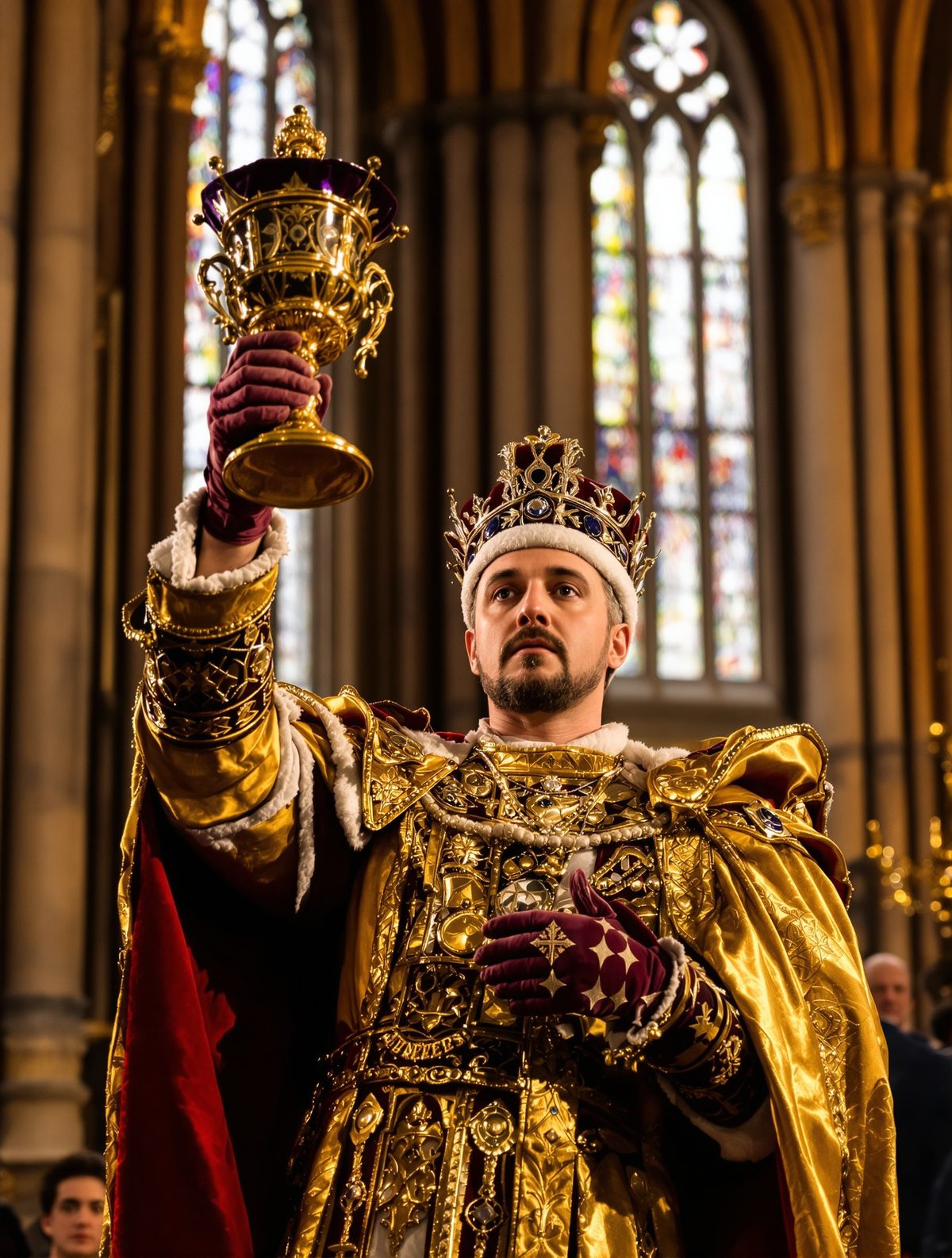
The Abbey, draped in its coronation finery, must have presented an ethereal sight in the darkness. Crimson carpets stretched down the nave, and the Coronation Chair—which had held the Stone of Scone for centuries—stood ready at the altar. The Imperial State Crown, glittering with nearly 3,000 precious stones including the legendary Black Prince's Ruby, waited in its place of honor.
Witnesses later described how Edward walked the entire processional route, from the Abbey's Great West Door to the high altar, following the same path that thirty-seven monarchs before him had taken. He is said to have paused at each station where, during the actual ceremony, he would have taken sacred oaths, received holy anointing, and accepted the symbols of kingship that had been passed down through generations.
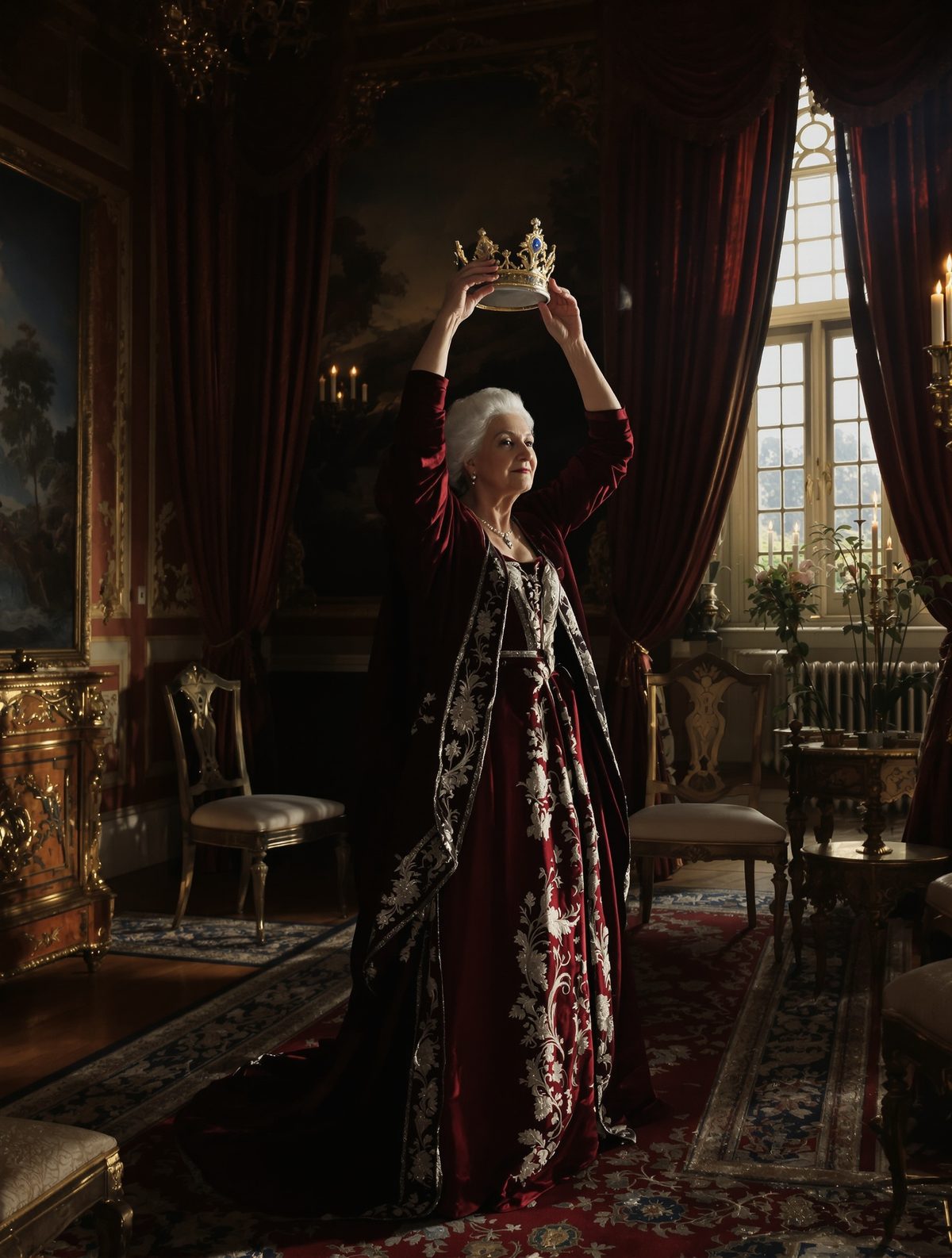
The most poignant moment, according to these accounts, came when Edward approached the crown itself. Whether he actually lifted it or simply stood in contemplation, we may never know for certain. But palace staff would later whisper that he remained there for nearly an hour, alone with the weight of what he was about to surrender.
The Human Cost of Royal Duty
Edward's midnight rehearsal speaks to the profoundly human drama that unfolded behind the constitutional crisis. Here was a man who had been groomed from birth for one purpose—to serve as King-Emperor of the largest empire the world had ever known. Every aspect of his education, his public appearances, and his understanding of his place in the world had been shaped by this destiny.
The coronation ceremony itself is among the most ancient and sacred rituals in the British constitutional system. Dating back to Anglo-Saxon traditions and refined over centuries, it represents not just the crowning of an individual, but the mystical transformation of a person into the living embodiment of the state. For Edward to walk through this ritual—knowing he would never experience it as a true sovereign—must have been both cathartic and devastating.
His brother Albert, the future George VI, would later speak privately about the "haunted" expression Edward wore in those final days. The soon-to-be Duke of Windsor was not simply abandoning a job or even a duty; he was severing himself from an identity that had been fundamental to his existence since childhood.
The contrast with his eventual successor could not have been starker. While Edward rehearsed a coronation that would never happen, Albert—stammering, reluctant, and terrified—was being thrust toward a ceremony he had never wanted and felt unprepared to face. The crown that Edward touched that night would, just months later, be placed upon his brother's head in the very same Abbey.
Echoes Through History
The story of Edward's secret rehearsal has taken on an almost mythical quality in royal folklore, representing the profound personal cost of the abdication crisis. Whether every detail is historically accurate matters less than what the story reveals about the human dimensions of constitutional monarchy.
Palace historians have noted that Edward's abdication created a precedent that continues to influence royal thinking today. The idea that personal happiness might take precedence over duty was revolutionary in 1936, and it fundamentally altered how subsequent generations of royals would approach the balance between private desires and public responsibilities.
The crown that Edward never wore would go on to play its part in one of the most celebrated coronations in British history. George VI's ceremony in May 1937 became a powerful symbol of stability and continuity after the constitutional upheaval of the abdication. The same decorations, the same music, even the same golden coaches that had been prepared for Edward were seamlessly transferred to his brother's coronation.
Edward himself would spend the rest of his life as the Duke of Windsor, married to his beloved Wallis but forever exiled from the country he had briefly ruled. He would occasionally speak wistfully of that December night in Westminster Abbey, describing it as the moment when he truly understood what he was giving up—not just power or position, but a connection to something ancient and sacred that stretched back through centuries of British history.
As we watch today's royal family navigate their own challenges—balancing tradition with modernity, duty with personal fulfillment—Edward's midnight rehearsal remains a powerful reminder that behind the pageantry and protocol of monarchy lie deeply human stories of love, sacrifice, and the eternal tension between what we want and what we believe we owe to others. The crown he touched but never wore continues to rest in the Tower of London, a glittering symbol of the road not taken and the price of choosing love over duty in the most public family in the world.