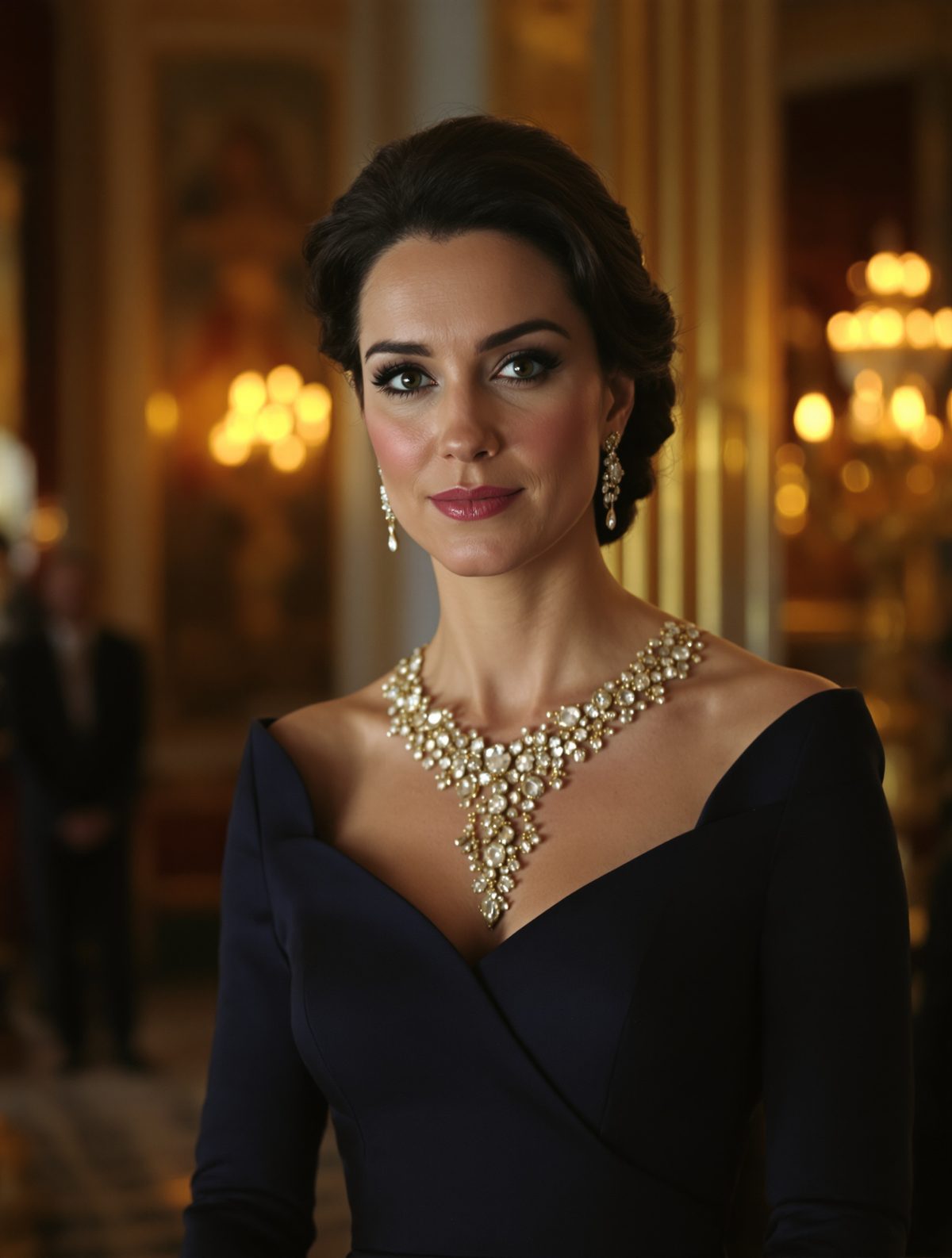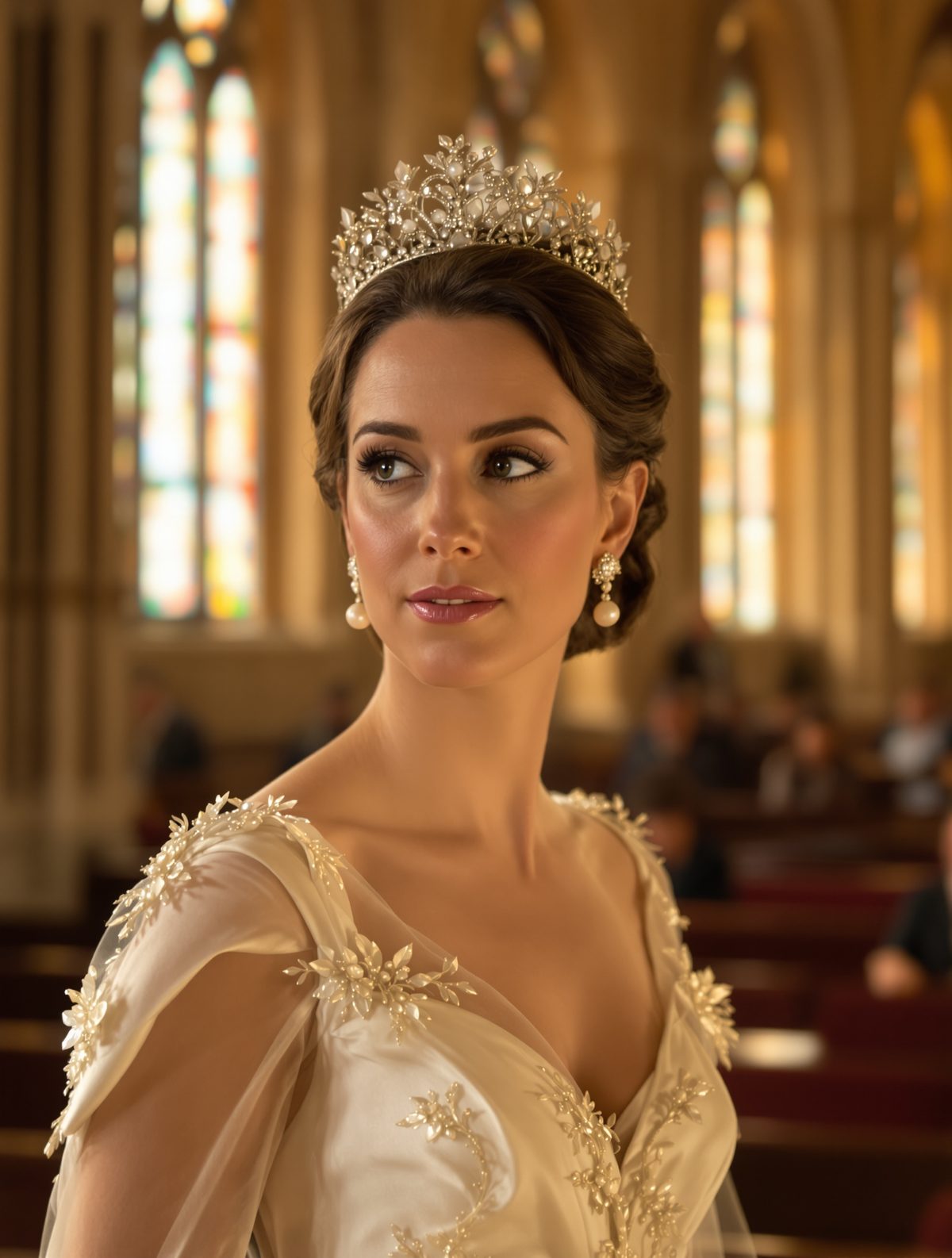
On a brisk evening in 1967, London hosted a gala that was destined to be chronicled not just for its distinguished guest list but for a fashion moment that would echo through the decades. Princess Margaret, Countess of Snowdon, descended the steps into the grand hall draped in a flowing violet silk gown that caught the eye of everyone fortunate enough to be in her presence. With jewelled cap sleeves shimmering under the chandelier lights and her famous Poltimore tiara adding a crown of brilliance to her ensemble, Margaret transformed the room into a canvas where she was the undeniable masterpiece. It was a look that whispered of defiance wrapped in glamour, a sartorial declaration that ordinary was unwelcome here.
The Dress That Dared to Define
The violet gown, designed by her favored couturier Norman Hartnell, was not merely a fashion choice but a story woven in silk. Hartnell, whose designs adorned many royal figures, understood the unique blend of modern sophistication and traditional elegance that Margaret embodied. Crafted from the finest silk, the gown's hue of deep violet symbolized regality and mystery, a daring departure from the pastels and subdued tones typically associated with the royal family during more conservative times.
Margaret's choice of this daring shade was seen by many as a reflection of her complex identity. The 1960s were a time of cultural upheaval and redefinition across the globe, and the British royal family found itself under the intense scrutiny of a rapidly modernizing society. Within this context, the gown was more than fabric and design; it was a statement of individuality, of nuanced rebellion without uttering a word.
A Tiara That Tells Tales
Adding to the ensemble was the Poltimore tiara, which Margaret wore low across her forehead—an unusual choice that highlighted her flair for blending the traditional with the modern. The tiara, originally crafted in 1870 for Lady Poltimore, had a rich history that Margaret seemed to channel. Purchased just before her wedding in 1960, it became one of her signature pieces, featuring prominently in many public and private engagements.
The Poltimore tiara is not just an accessory but a shimmering emblem of Margaret's command of her role as a modern royal while paying homage to history. The way the tiara graced her brow, along with the rest of her evening ensemble, presented an image of majesty and self-assertion that was both commanding and captivating.
Revolution in the Royal Court
The 1960s signified a period of transformation, not just in Britain but in the royal family, which faced an evolving public with new expectations from its monarchy. Princess Margaret, known as a royal with a keen sense of personal style and independence, embraced this change in ways that were both subtle and striking.
Margaret was, in many ways, the royal family's bridge to a new generation. She was daring, poised, and often unafraid to diverge from expected norms—both in fashion and in life. Her penchant for flamboyant style and love of the arts resonated well with the decade's spirit of creativity and rebellion. The violet gown was another testament to her courage and ingenuity, a purple-hued stand for individual expression within the confines of a centuries-old institution.
The Human Story Behind the Cloth
Beneath the silken glamour was a woman who, like many of her time, wrestled with the constraints of expectation. Margaret's life was one painted by her roles as a royal, a sister, a mother, and a style icon, and each role brought its own pressures and demands. The gown, with its exquisite yet daring cut and color, was a visual representation of her inner struggle for autonomy and authenticity.
The social scene of the 1960s was rife with change, but often, royals remained figures standing above the fray. Margaret, however, sought connection and resonance with the world around her. The violet dress was a reflection of this—both a personal aspiration and a symbol of the royal family evolving alongside its changing public.
Leaving a Legacy of Style
Princess Margaret's appearance in the violet gown at the London gala left an indelible mark on fashion history. This act of sartorial defiance reverberates through the halls of time, leaving behind a legacy that resonates with today's fashionistas and historians alike. Her choice to defy traditional norms, subtly yet powerfully, speaks to the courage and individuality that remain hallmarks of admired style.
Today, decades later, the image of Margaret in that gown continues to inspire a sense of nostalgia and admiration. The hour of the gala might be long past, but the spirit of her choice—quintessentially British yet remarkably bold—remains a guiding light for those seeking to balance tradition with modernity.
The royal family, through figures like Princess Margaret, have not only survived a rapidly changing world but have also led in ways that continue to shape our understanding of grace and resilience. As we reflect upon the violet gown and its impact, we remember a princess who wore not just a costume of royalty but an emblem of her very soul, luminously defying the decade with style that still, up to this day, cannot be ignored.
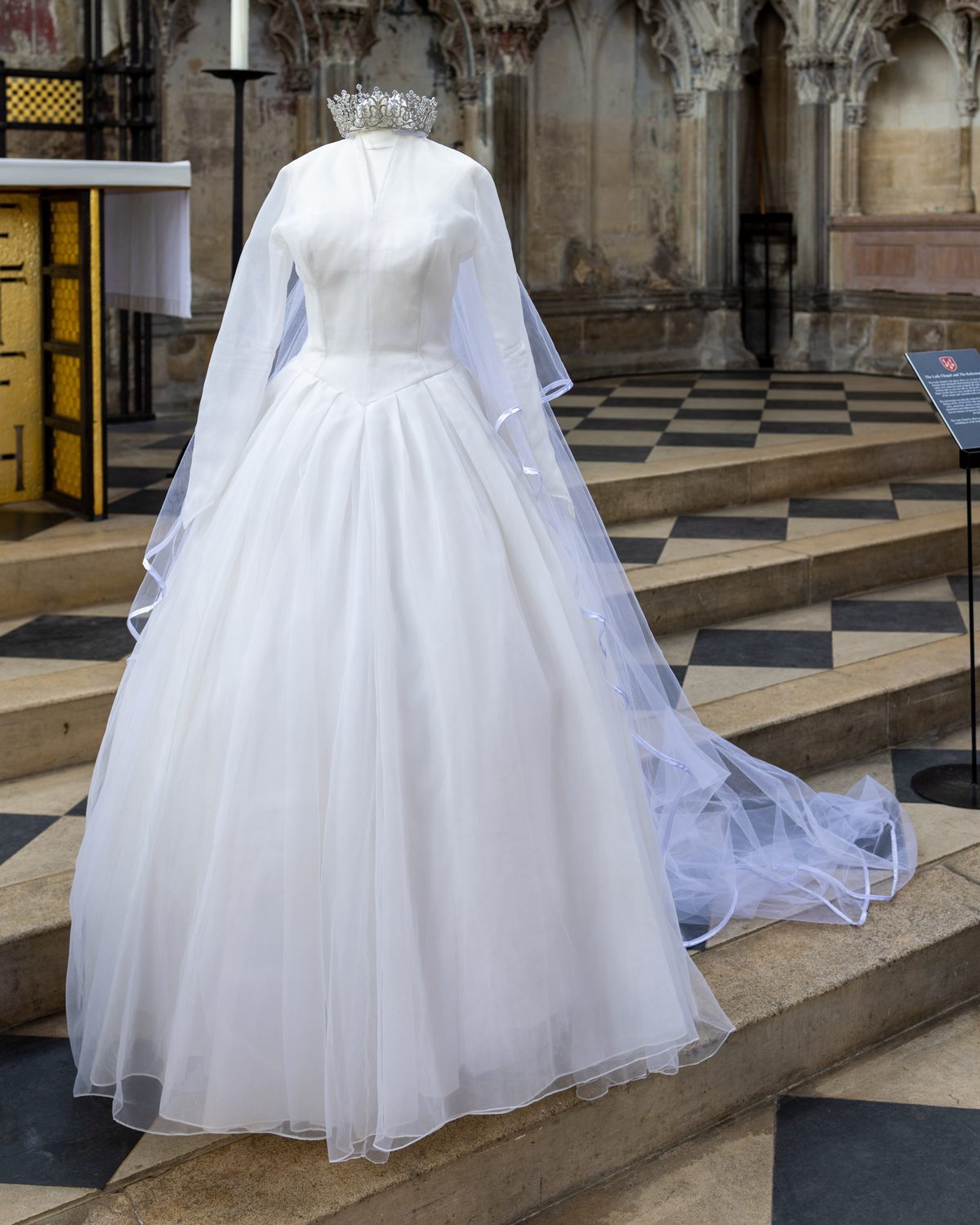
📷 Photo: The wub. CC BY-SA 4.0 via Wikimedia Commons.