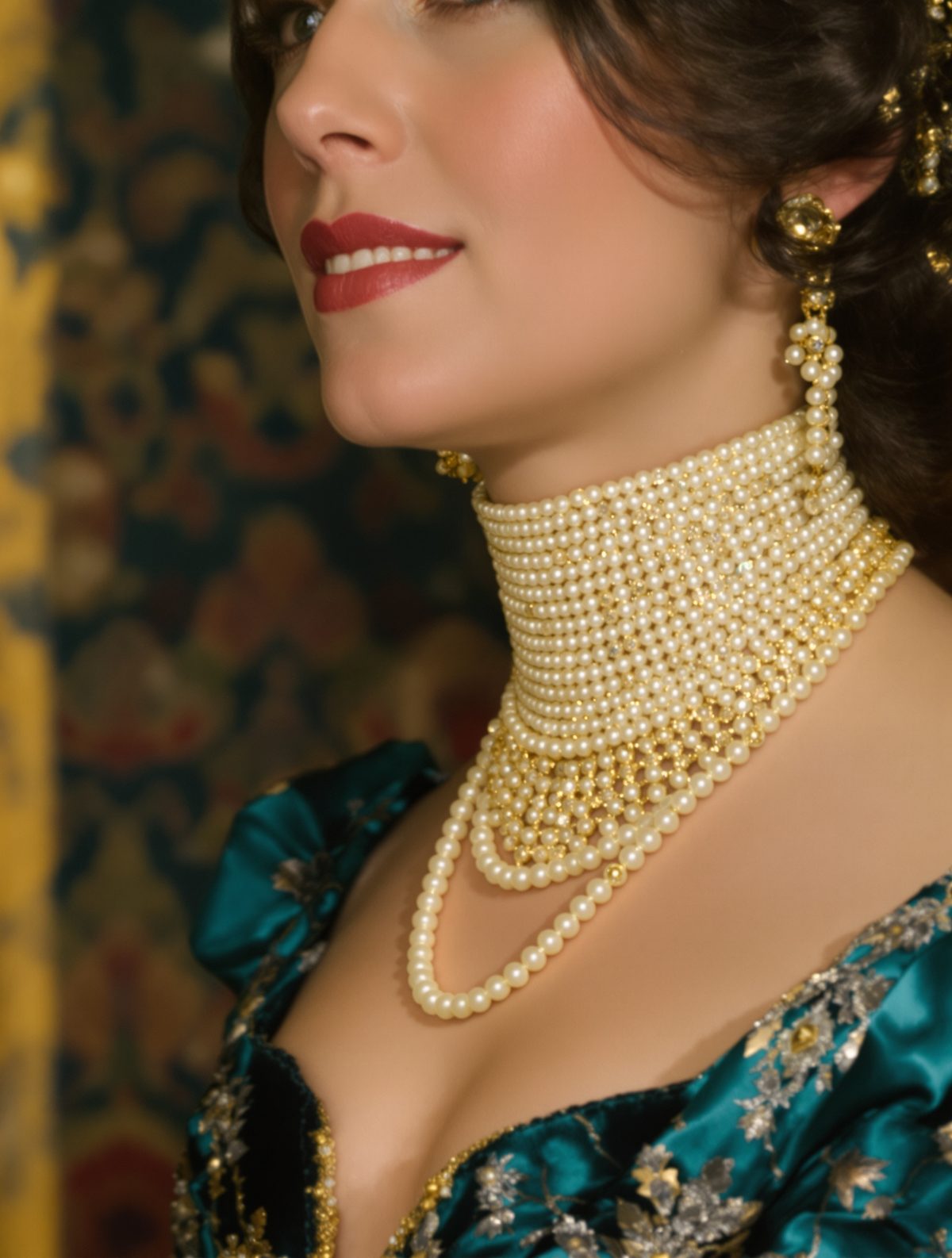
She had something to hide, so she hid it beautifully. That was the subtle magic behind one of the most iconic fashion trends to emerge from the British royal court. Princess Alexandra of Denmark, who graced Britain as a young bride in 1863, brought with her a whisper of a mystery: a scar that spanned the elegant column of her neck. Instead of shying away from the mark of her childhood experience, she transformed it into a signature style—a velvet choker. What began as a personal concealment soon enthralled Europe, influencing fashion beyond what anyone could have predicted. This is the story of how a royal veil turned into a ubiquitous fashion emblem that would shape women's attire for fifty years.
A Royal Introduction: Arrival at the British Court
When Alexandra married Albert Edward, Prince of Wales, she stepped into the public eye as a fresh symbol of modernity and grace within the British monarchy. The 1860s were a period when the British Empire was expanding, and the monarchy was the subject of both intense admiration and scrutiny. She was only 18, armed with radiant youth and the daunting task of winning over a foreign court that had high expectations of their future queen.
Alexandra’s arrival in Britain was nothing short of spectacular. Crowds thronged to catch a glimpse of this Danish princess turned English rose. Yet, beneath the surface of public adulation lay her private desire to keep a part of herself hidden—the faint scar felt as an imperfection against the otherwise immaculate canvas of royal beauty standards.
The Birth of a Fashion Statement
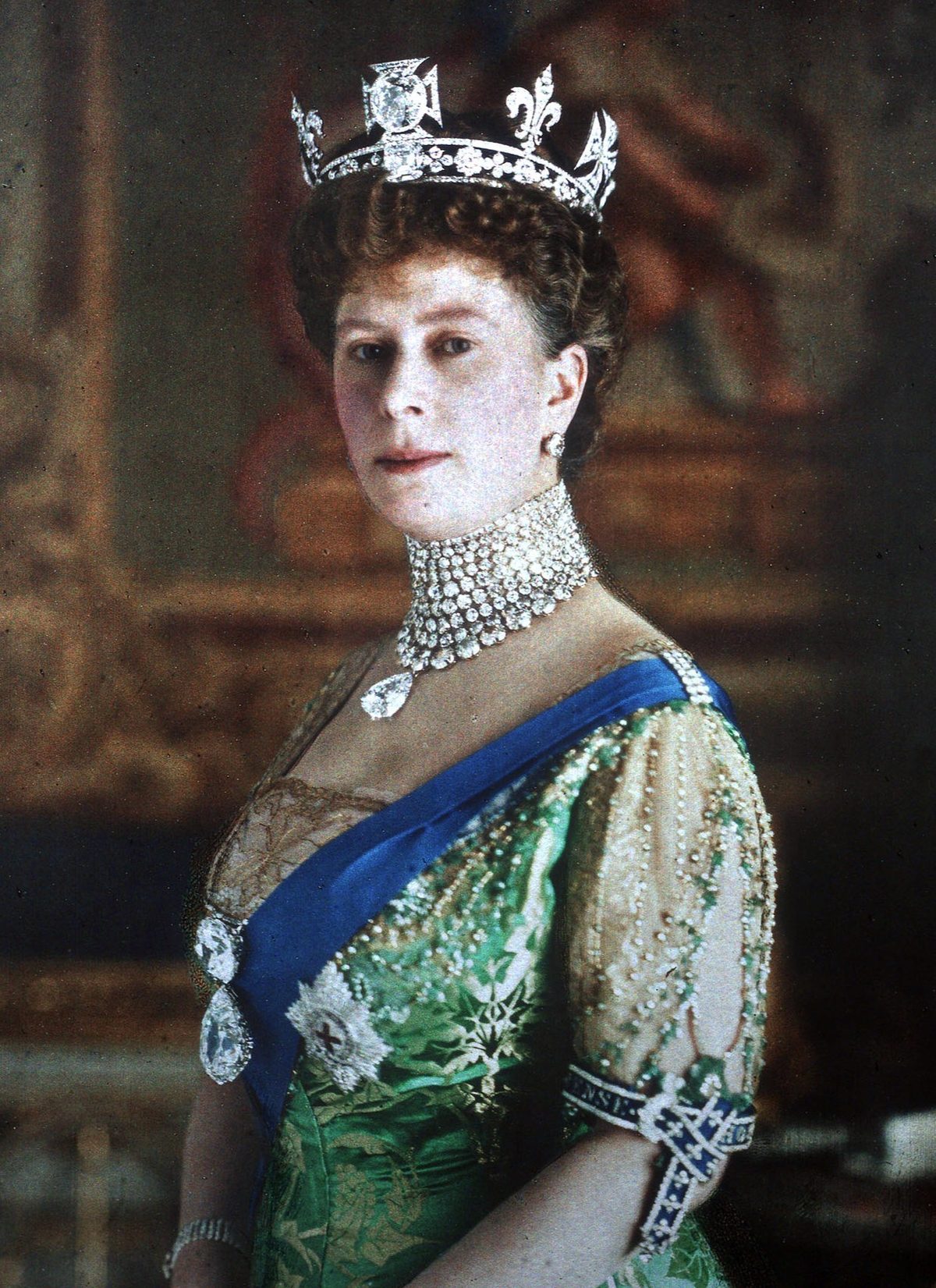
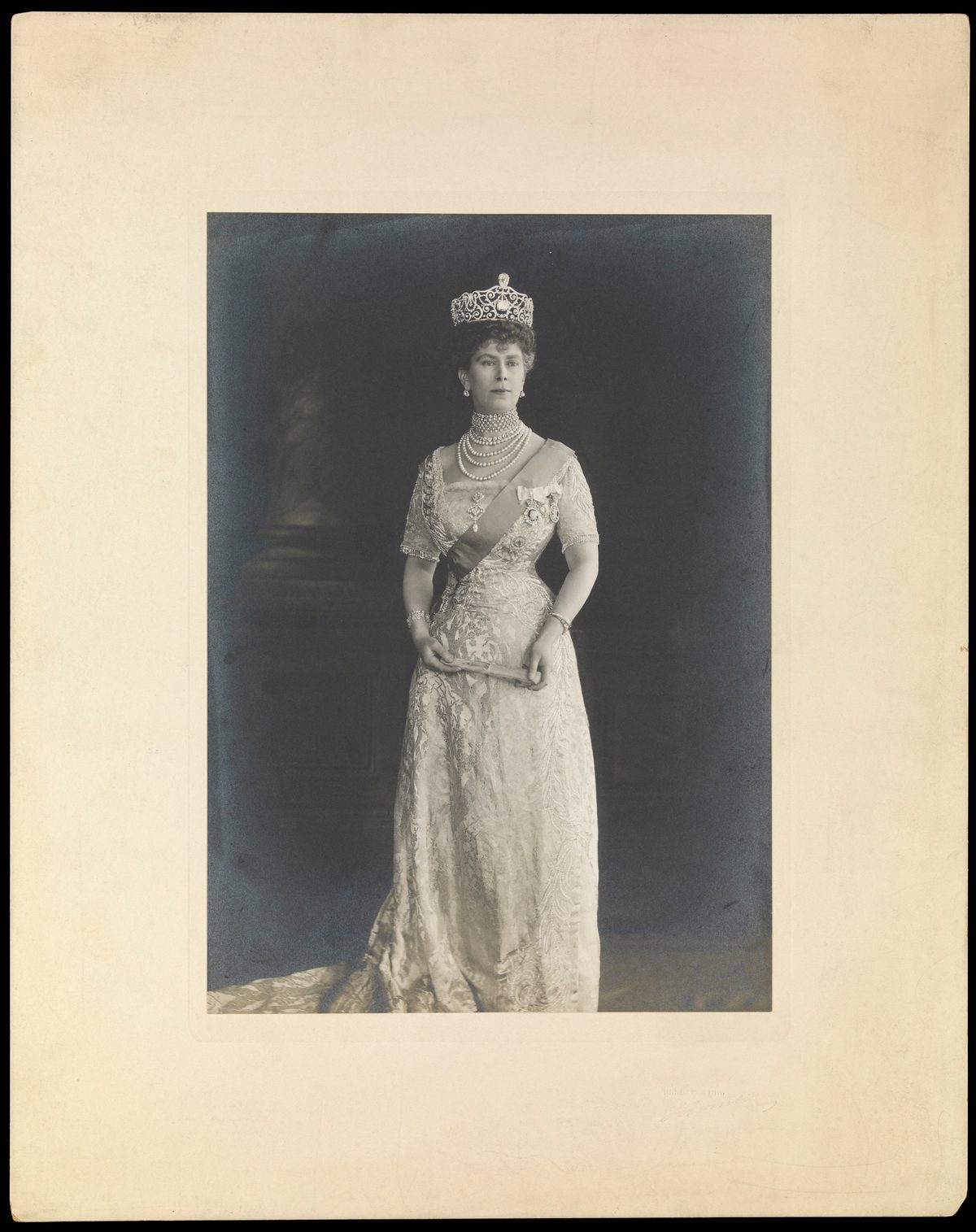
The princess opted for a clever solution to her dilemma. She chose a simple velvet choker, a smart accessory that was practical yet dazzling in its subtlety. The choice of velvet—a rich, textured material—added a touch of regality and sophistication while effectively concealing the scar.
To everyone else, this outward expression of elegance was simply another exquisite choice in Alexandra's repertoire of fashion. Yet what made it revolutionary was its simplicity. Soon, the court and wider England were intrigued, and almost overnight, the velvet choker became the fashionable adornment of choice for women keen to emulate the royal darling. As with many trends that begin in high society, the allure then spread across Europe and ultimately around the globe.
Not stopping at a singular velvet band, Alexandra innovated further. She experimented with pearls and layers, incorporating other materials that added depth and opulence. Each layer seemed to add another chapter to her whispered story, sparking the imagination of society women who sought to replicate her style.
The Human Story Behind the Glamour
What endeared Alexandra's fashion-forward choices to the public was her human touch. Here was a real woman with real concerns, not immune to the uncertainties and insecurities shared by many other women of her time. It was this relatability, cloaked within her royal status, that made her style choices feel accessible and desirable.
Her choker gained symbolic weight, not just as a fashion accessory but as a metaphor. It was a juxtaposition of cover and revelation, hiddenness and creativity. For women who wore similar chokers, it was as if they were joining Princess Alexandra in a sartorial sisterhood, united in the shared experience of embracing love for oneself amid perceived imperfections.
The Ripple Effect: A Movement Across Borders
The phenomenon of the velvet choker's popularity highlights how one royal's personal choice could break boundaries. Unlike fashion trends dictated solely by designers or arbitrary tastes, this was rooted in personal narrative, resonating broadly within various cultural contexts.
During the late 19th and early 20th centuries, as steam liners and expanding railways brought Europe ever closer together, trends and ideas traveled as never before. The speed at which Alexandra’s accessory choice spread is a testament to this connectivity and the beloved image of the royal couple. This was no ordinary trend—it was a new chapter in the history of fashion, where personal stories began to influence popular fashion sensibilities.
Lasting Impact and Modern Rememberings
Even years after Alexandra retired from public life, her influence lingered on. The wealth of jewelry styles that emerged from her adaptation went on to impact designs throughout the first half of the 20th century. The idea of jewelry or fashion accessories serving personal and aesthetic purposes simultaneously is a concept readily embraced, even today.
While trends in fashion come and go, the velvet choker endures, occasionally making resurgences in popular fashion. It remains as a testament not just to Princess Alexandra’s innovative spirit but also to the timeless appeal of human narratives woven through high fashion.
In the current world, where authenticity is as prized as innovation, Alexandra’s approach continues to inspire. It's a reminder of how the fusion of personal challenges and artistic expression can leave an indelible mark. Royal followers and fashion enthusiasts alike remain captivated by stories like Alexandra's, where humanity meets opulence, and real-life experience melds seamlessly with regal presentation.
The legacy of Princess Alexandra’s velvet choker is not just a reflection of a bygone era's fashion fad. It stands as an enduring symbol of personal grace, creative self-expression, and the transformative power of turning private vulnerability into public triumph. If one thing is certain, it is that Princess Alexandra taught us how to wear our stories—with pride, with clarity, and always in style.