The Enigmatic Queen Mary: A Portrait of Poise
In the languorous days following the January 1936 demise of King George V, the corridors of the palatial residences echoed with muted whispers and furtive glances. The meticulous air of these age-old estates was alive not just with the memories of a Georgean order but also with rumors pointing sharply towards the grieving widow—Queen Mary. Known for her composure as unyielding as Buckingham Palace's stone facade, Queen Mary aroused whispers of indifference. Too composed, too rigid, the courtiers speculated; perhaps the reigning queen of half a dozen countries wore her crown a little too tightly. Yet, buried beneath the formal protocols and conventional expectations, there lay an untold story of unparalleled human empathy—a tale captured eloquently within the inked lines of a letter addressed to a humble housemaid.
A Fearless Landmark of Loyalty
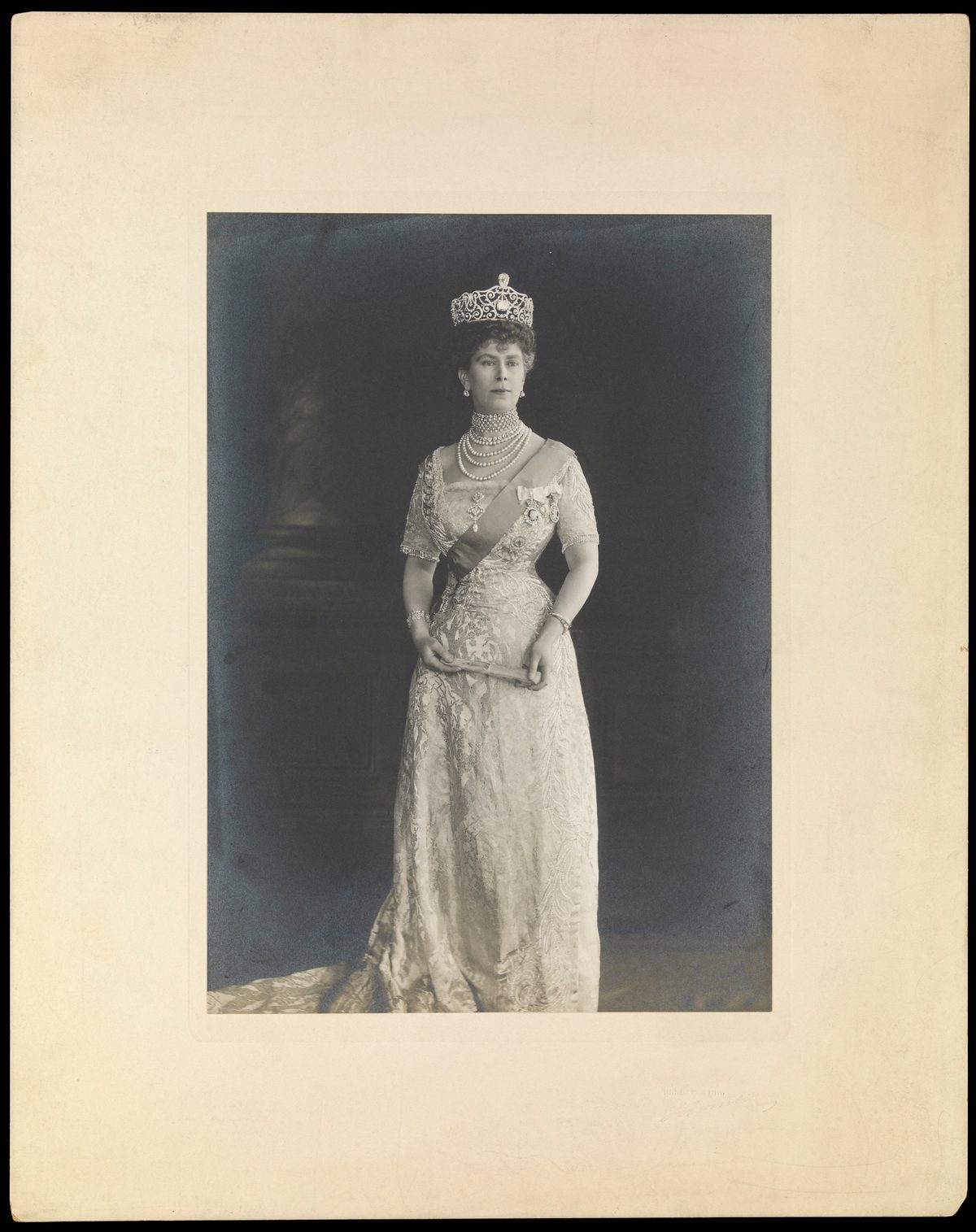
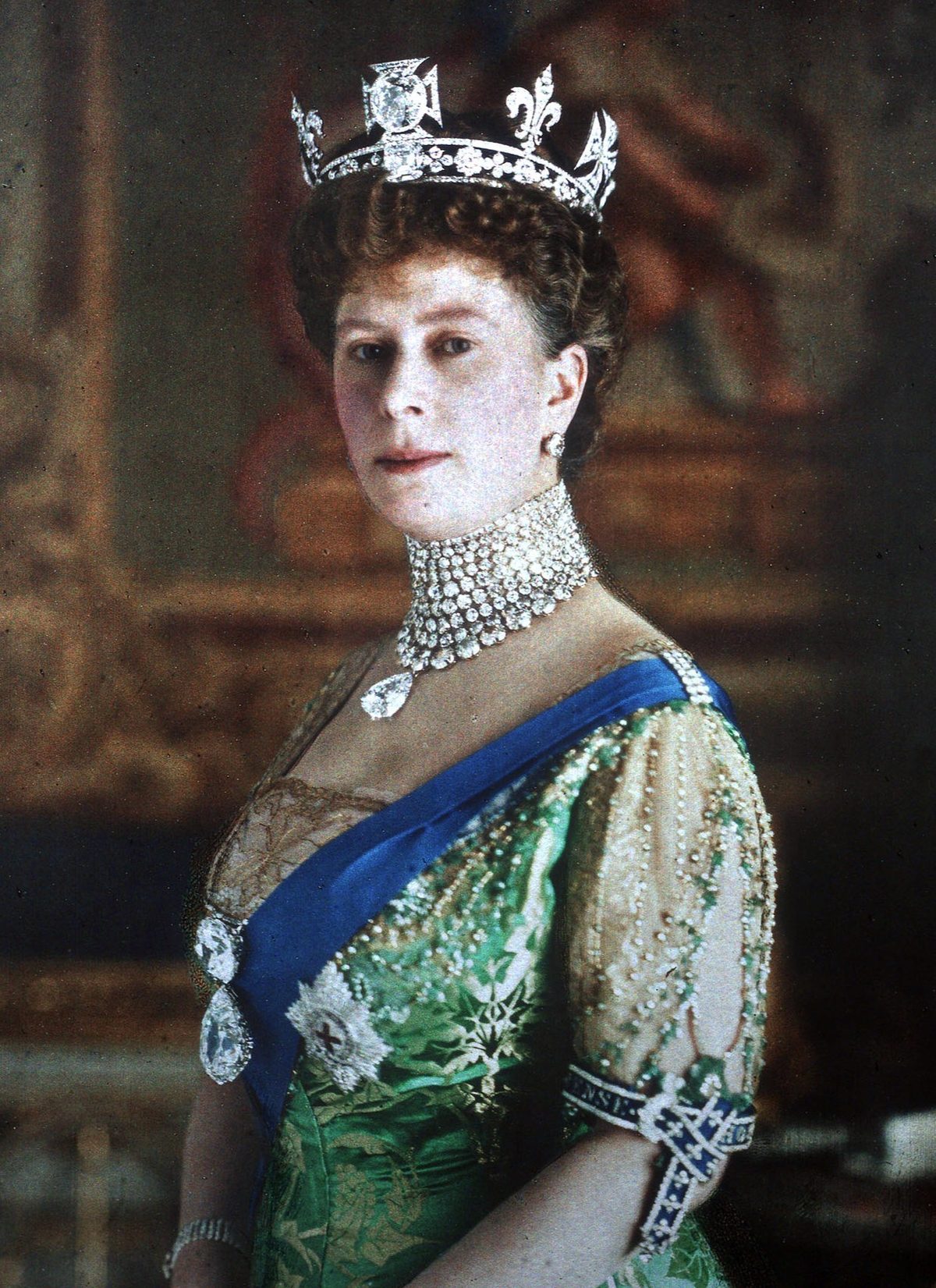
Queen Mary, born Mary of Teck, was an embodiment of royal devotion. Her marriage to George, the future king, on July 6, 1893, ushered her into the realm of perpetual duty. The Edwardian and early Windsor eras under their joint reign flourished in a veneer of elegance lined with subtle public service. Yet, beneath the crown's luster, Queen Mary dedicated herself to the intangible task of keeping the monarchy relevant. Known for her vast collection of art and relics, her passion for preservation transcended material boundaries, imprinting upon her the lesser-visible role of housekeeper of royal esteem.
Within the grand theatres of state, she was a constitutional icon, supporting her husband steadfastly through robust trials and quiet victories. Her esteem for traditional values, however, was sometimes misconstrued as emotional distance. In reality, Queen Mary's perception of duty inherently embraced a profound strength—one comfortably removed from outward displays of vulnerability, save for when her pen met paper.
The Profound Silence Broken by Ink
It was during the fleeting dusk of January's heyday when a peculiar sentiment began to circulate among the royal staff. While the encyclopedic papers chronicled the steady wave of national mourning, observers noticed Queen Mary's resolute bearing—a trait admired by some, but interpreted by others as detachment. Rumors ran rife through the gleaming corridors: the Queen, it seemed, was too embroiled in the mechanisms of the monarchy to weep.
Ironically, it was a discreet channel of communication that unravelled this public misperception. A simple, heartfelt letter from Queen Mary, sent personally to a housemaid enveloped in her own clouds of gloom, paved a path through the whispers. This housemaid, anguished by the loss of her husband, received more than official condolences; she received genuine empathy woven through words only a similarly grieving soul could conjure. While the exact text of the missive remains cloak-bound in privacy, the sentiment—intangible yet vivid—revealed a queen who understood grief too deeply for it to parade on courtly pedestals.
The Housemaid's Tale: An Unseen Bond
The letter to the housemaid becomes less surprising when viewed through the lens of Queen Mary's maternal capacities. It was a manifestation of her unnoticed magnanimity—a gesture rooted in the often-overlooked bond she shared with those who served her family and her kingdom. This instinct to comfort was not just ceremonial but essential to her identity. Indeed, while history paints formidable portraits tinged with royal solitude, those touched by her kindness knew a different reality.
The sense of kinship that Queen Mary extended to her staff hinted at a woman who revelled within the simple joys of thrifty homemaking, while honoring the vast responsibilities of her title. In offering solace, she wielded her pen with sincerity, regardless of societal rank. In the letter's understated salutation and the empathic folds of its prose, she defied the courtly chorus, fortifying not just a bridge across grief, but also a deep-rooted venture into compassion's terrain.
A Legacy of Resilience
The narrative of Queen Mary's life reverberates beyond the thick velvet curtains of the past. Her message to the housemaid echoes faithfully across generations, a poignant reminder of humanity's quiet resilience within the resplendence of royal pageantry. While the royal facade might occasionally seem aloof, the monarchy’s heart beats with tales of unwavering strength and graceful benevolence, much like that which threaded through Queen Mary’s understated reign. Her subtle lessons pertain deeply to a modern audience, venerating the power of traditions that hold space for empathy and quiet courage amid stately grandeur.
Today, the monarchy still stands as a bastion of continuity amidst the shifting tides of time. Queen Mary's discreet nobility—a mix of personal fortitude and touching understanding—reinforces a view of the royal family, one softened by genuine human connection. In this dynamic interplay of the present and past, the virtues of duty and devotion resonate with a resonance that is as much about carrying poised echoes of antiquity as it is about creating fresh bonds with each penned word.
📷 Photo: Jean Desboutin. Public domain via Wikimedia Commons.