As dawn softly lit the luxurious chambers of Buckingham Palace on 11 February 1840, a young Queen Victoria awoke to a morning that promised new beginnings. But it wasn't just the golden light of her first matrimonial day that struck her heart with warmth—it was the unexpected yet exquisite gesture from her husband, Prince Albert of Saxe-Coburg and Gotha. By her pillow lay a delicate piece of paper, ink still drying from the night before, a testament to a love born of genuine affection and mutual respect. It was, quite simply, a poem that would resonate through the ages and beautifully capture the intimate bond between the newlywed royals.
The Setting: Buckingham Palace and a New Beginning
Inside the vast opulence of Buckingham Palace, the atmosphere was charged with the echoes of clinking glasses, laughing guests, and the timeless whispers of historical ceremony. The Royal Wedding on 10 February 1840, marked not just personal union but a symbol of the monarch's hope for a harmonious political alliance between Britain and Germany.
The aftermath of the grand affair left the palace in rare, serene quiet. The young Queen, just 21 years of age, lay beside her new husband, the man who, from their first meeting, had captivated her heart with more than just his handsome appearance. Prince Albert was not only a royal consort but Victoria's confidant, complementing her lively spirit with his steadiness, intellect, and kindness.
A Night of Reflection and Creation
As Victoria slept, Albert lay awake—his mind a whirlpool of emotions. The prince, ever the thoughtful and contemplative spirit, took to heart the magnitude of this union, realizing it was the dawn of a lifetime spent together at the helm of the British monarchy. He was a man who didn’t merely bask in the grandeur of his new life but sought to enrich it with sincerity and dedication.
The couple's first night together as husband and wife was not merely the completion of royal duties. For Albert, it was the commencement of a personal commitment. Perhaps it was under the soft glow of a candle's flicker, the quiet before Buckingham Palace stirred awake, that Albert found the words which failed him in spoken language. Switching effortlessly to his mother tongue, he began to meticulously capture his affection in verse—a gesture that was as personal as it was profound.
The Poem: A Testament of Devotion
Written in German, the language of his thoughts and dreams, Albert's words transcended the barriers of language, speaking instead to the universal heart of love. We may never know the exact content of the poem due to its presence only in Victoria's private journals, but historical accounts tell us it was a flood of tender promises and philosophical musings. It was an ode to their shared future, appreciating not just the romance slightly tinged with the naivete of youth, but the responsibilities and challenges they would face together.
"By the dim light of the morning, I caught the whisper of your soul in words that need no translation," Victoria once wrote of that cherished moment.
In the hushed thoughts of morning, Victoria was moved to tears. It wasn't grandiose expressions or extraordinary feats that defined this moment, but the quiet, earnest intimacy shared between two people suddenly isolated from the world by the stature of their station.
A Courtly Intersection of Love and Duty
The royal court of the 19th century, with all its regalia and strict formalities, could be stifling, especially to youth. For Victoria and Albert, their relationship offered a rare sanctuary of genuine humanity amidst their public lives. While royal expectations dictated certain decorum, their marriage was founded on genuine companionship—an anomaly in dynastic matches of the era.
Their harmonious accord was more than personal bliss; it signantly impacted the monarchy's image. The royal couple set the tone for a new vision of regal life, where the human aspects of love and devotion held sway, subtle yet powerful in defining the fabric of the empire. The poem's tender evocation was shared privately but fueled the couple’s image as symbols of familial warmth, admired by monarchs and subjects alike.
Legacy of Love: Timeless Lessons
The early morning poetry of Prince Albert is more than a footnote in royal history; it's a timeless echo of the human capacity for love beyond ceremonial grandeur. Their union bore not only children but new ideals—birth of a Victorian tradition wherein royal family life mirrored an intricate mosaic of personal happiness and public duty. Their mutual respect and affection inspired a generation, instilling a tradition continued by their descendants.
Today, their story serves as a reminder that amid the trappings of title and crown, the core of life remains foundationally simple—a shared whisper in the stillness of morning, a folded piece of paper inscribed with earnest love.
As time marches forward, and as the monarchy evolves with modern sensibilities, the cherished narratives of Victoria and Albert's partnership offer more than sentimental nostalgia. They underscore an enduring truth: that the heart of the monarchy beats most resonantly when in tune with its people—compassionate, genuine, and profoundly human.
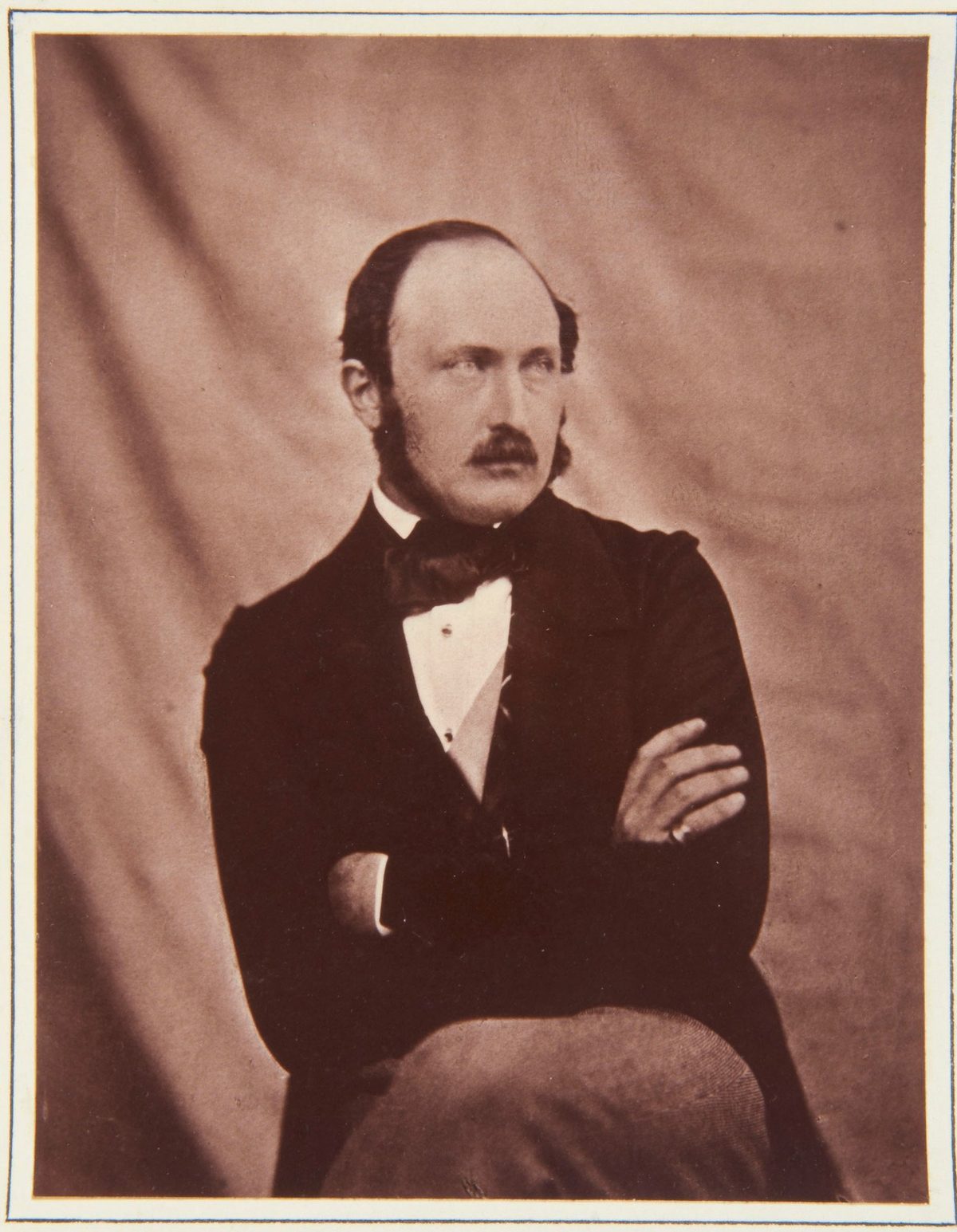
📷 Photo: Roger Fenton. Public domain via Wikimedia Commons.