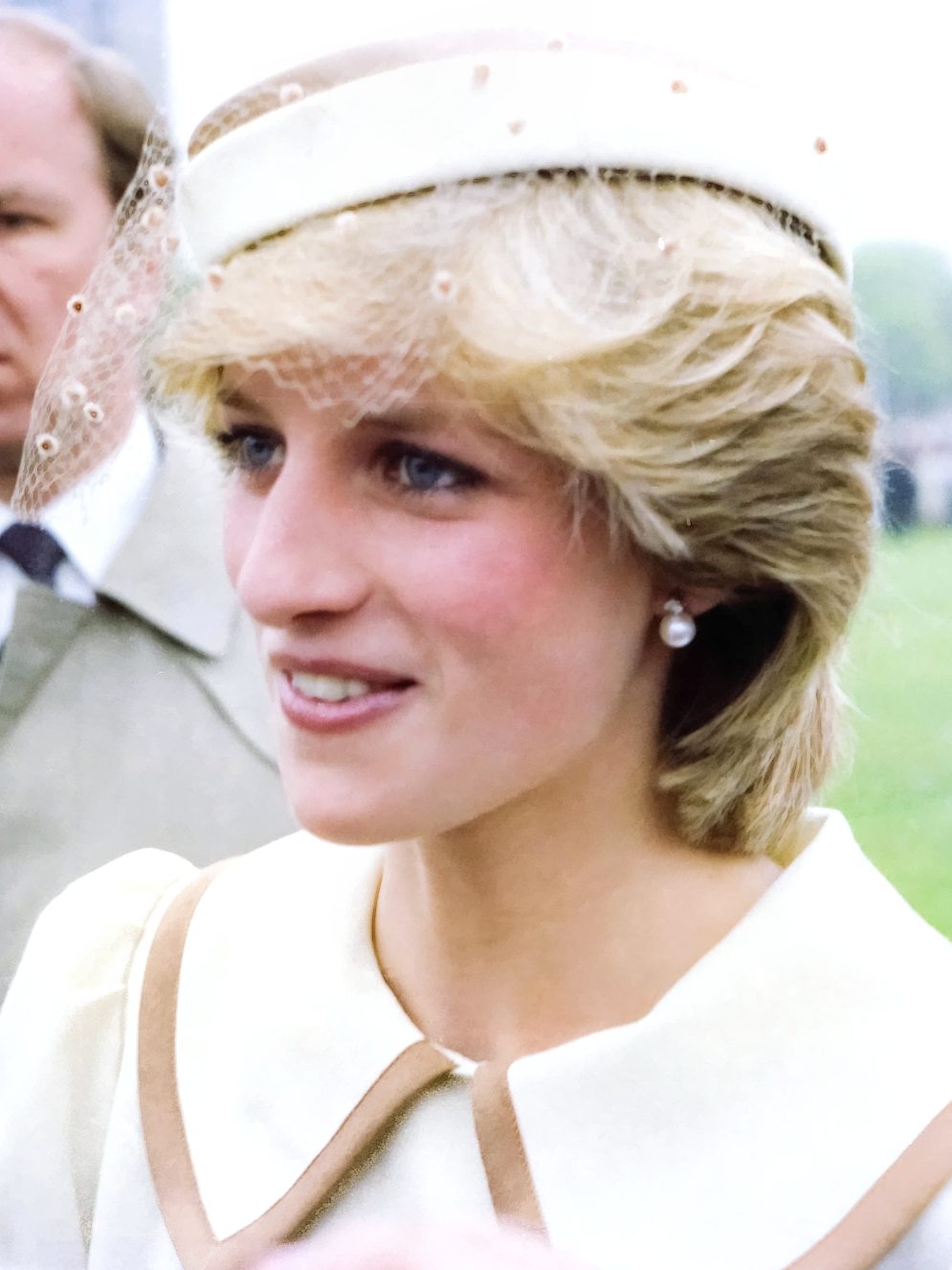
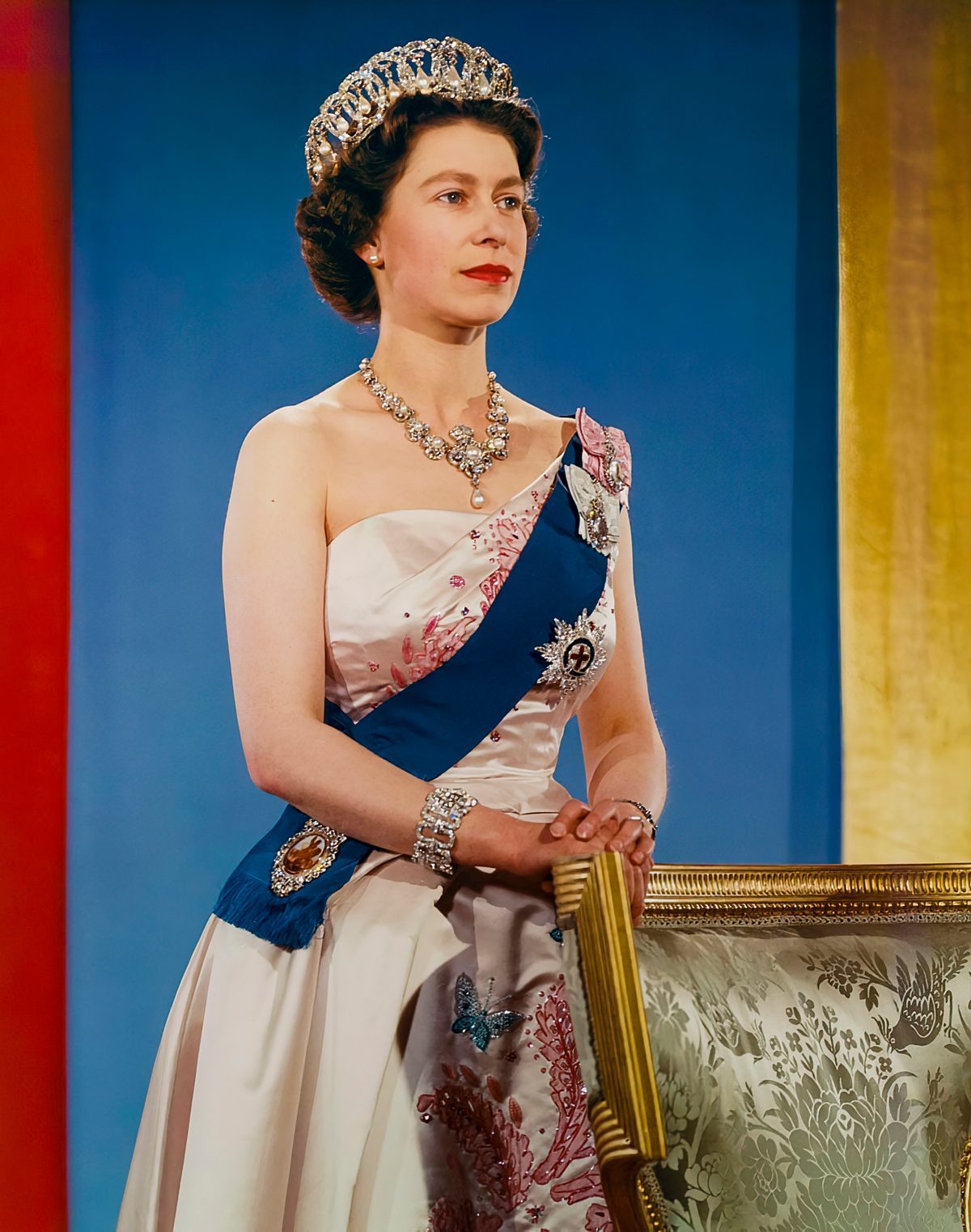
Amidst the swirling excitement of Britain's Silver Jubilee in 1977, an unexpected, tender moment with Queen Elizabeth II enchanted the world. Thousands thronged the streets to celebrate her 25 years on the throne, hoping for just a glimpse of their beloved monarch. But when a young mother handed over her crying baby, expecting only a brief encounter, the Queen surprised everyone. Rather than pass the child back through the sea of spectators, she gently cradled the infant and began to hum a lullaby, mesmerizing a bustling crowd into utter silence.
The Queen Beyond the Throne
The scenes of the Jubilee tour were nothing short of a royal spectacle. Banners celebrating the Queen's remarkable reign waved in communities across the Commonwealth, from the industrial heartlands of Britain to the far reaches of the Caribbean. It was a momentous journey that promised both glittering ceremonials and candid on-the-ground encounters with her subjects — a chance for the public to see Elizabeth not just as the sovereign but as a wife, mother, and grandmother. Yet, even amidst the grandeur, this quiet moment with a baby captured something profoundly human about her reign.
The singular experience of being the Queen, with its heavy responsibility, could never eclipse Elizabeth's natural warmth and sense of duty toward her people. As the head of the British royal family, she had been a constant pillar of grace, lifting the people's spirits during times of change and uncertainty. Her Silver Jubilee tour was an extension of her dedication to public service, but the heart of this particular moment lay in her empathetic nature — a trait not commonly pinpointed in public portrayals of royalty.
A Jubilee Moment to Remember
As Queen Elizabeth made her way through the jubilant gatherings, shaking hands with dignitaries and well-wishers alike, a ripple in the crowd caught the attention of the Queen and her entourage. A young mother, overwhelmed perhaps by both the spectacle and her wailing infant, impulsively offered her crying baby to the Queen. In a move that astonished onlookers, Queen Elizabeth stepped forward to embrace the opportunity for an unscripted, genuine connection.
Her gloved hands reached out with the confidence borne of long practice in public engagements but with a tenderness that could only stem from a deep maternal instinct. Holding the baby close, she began to sway gently. The Queen was known for her advanced diplomatic skills, yet here she seemed like any caring grandmother, unruffled by the tears of a child in distress. Soft notes of a lullaby soon floated from her lips, moments suffused with a serenity that enveloped both the child in her arms and the crowd, now somber in awe.
Sounds of Silence: The Crowd Falls Still
The Jubilee tour was organized chaos — an elaborate dance of itineraries, security, and public appearances. Her Majesty's days were a whirlwind of pomp and protocol rarely permitting deviations. Yet, this impromptu action broke any imagined boundaries of distance between monarch and subject. Those fortunate enough to witness this even spoke of more than just surprise — there was a palpable shift in the crowd's demeanor, as face after face softened and eyes moistened at the poignant scene.
The buzz of the day came to a serene stillness. A calm had descended, colored by nothing more than a humble melody shared between a Queen and a child.
It's moments like this that seem to anchor the monarchy, lending weight to the royal family's enduring public affection. Such is the draw of a monarchy carried not by the mere continuation of tradition but by a ruler's humanity. The people experienced neither a remote figurehead nor an unapproachable sovereign; instead, they witnessed the binding heart of a community effort made tangible in one single, human moment.
The Queen's Legacy of Empathy
Though a ubiquitous presence, Queen Elizabeth's heartwarming encounters like this one weren't always so widely known, carefully juxtaposed against her formal responsibilities. Her reign was, after all, largely defined by her dedication to duty, respect for tradition, and an indomitable public spirit. But stories shared in hushed tones, passed across kitchen tables, and printed in Sunday papers spoke of a Queen who was compassionate, relatable — someone who, despite her crown, awoke as any woman might to the sound of crying from the cradle.
Her acts of quiet kindness persisted as the discretionary threads knitting together a shared tapestry of royal memory. The lullaby she offered that Jubilee day connected with her lifelong commitment to children. As a prominent figure in numerous children's charities and a loving matriarch to a family that would continue to champion youthful causes, she underscored the significance of leaving a world for the next generation — one richer in understanding and compassion.
A Royal Touch for Today's World
In a world that swung between relentless modernity and reflective nostalgia, such spontaneous gestures by Queen Elizabeth II illustrated the vital, and often understated, role of a monarchy constantly striving to balance tradition with progress. Her actions resonated as more than mere symbolism; they became ambassadors of kindness, reflecting the way she understood her subjects and her own role.
Today, as the baton of responsibility passes across a new landscape, these stories endure, grounding the British monarchy in humanity and accessibility. We are reminded of the power inherent in simple acts of kindness — a public truth, most warmly demonstrated by a Queen who, amidst the Jubilee fanfare, chose to sing a lullaby to a stranger's baby.
In a world of vast change, Queen Elizabeth's legacy continues to inform, inspire, and endear. Her graceful, dulcet notes carried not just a momentary solace but the echoes of a reign marked by proximity and understanding. For those who marvel at the wonders of the British monarchy, these timeless gestures shine not only as historical footnotes but the very essence of the Queen's enduring appeal.
📷 Photo: Donald McKague. Public domain via Wikimedia Commons.