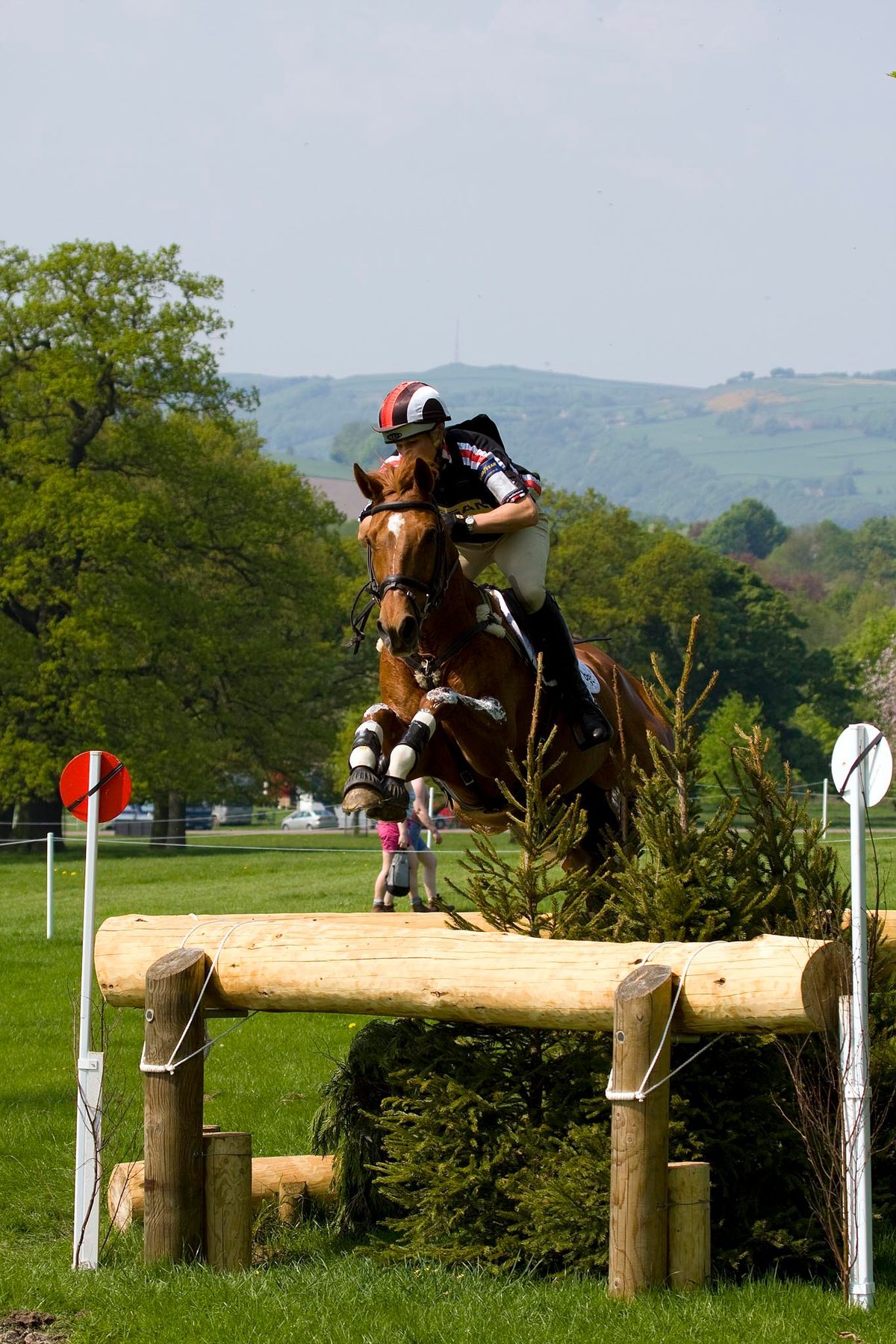
In the bustling summer of 2012, while London dazzled the world with its spectacular Olympic Games, a remarkable story unfolded that seamlessly intertwined the majesty of the British monarchy with the thrilling pulse of sporting excellence. Among the oddly comforting clatter of hooves and the focused silence of fervent onlookers, Zara Phillips, the Queen's eldest granddaughter, rode gallantly for Britain, snagging a silver lining to her name. Yet she did so not with the weight of a royal title, but with the sheer strength of her resolve and talent. In that grand Olympic arena, there were no crowns, no palaces - only the electrifying pursuit of excellence in the equestrian sport she held dear.
The Royal Connection: Born to Compete
Zara's journey into the limelight of the 2012 London Olympics was far from incidental. Born Zara Anne Elizabeth Phillips on May 15, 1981, she entered a world steeped in tradition and expectation. As the daughter of Princess Anne and Captain Mark Phillips, both Olympians, her path was perhaps inexorably linked to equestrian pursuits. Indeed, equestrianism runs in the family's veins. Princess Anne competed in the 1976 Montreal Olympics, and Zara's father, a former captain of the British equestrian team, is a renowned horseman himself.
Despite this rich heritage, Zara was neither given an automatic pass to royal nor to sporting accolades. Unlike many of her cousins, she was not bestowed with a royal title upon birth, a decision reportedly made by Princess Anne to allow her children to forge their own paths in life. Zara did precisely that, choosing not just to ride in the shadow of her mother's achievements but to surpass them with her own distinct flair. At the 2012 Olympics, she competed as simply Zara Phillips - the Olympian, not the royal granddaughter.
London 2012: The Olympic Dream Realized
The stage was set in the picturesque backdrops of Greenwich Park, with the spotlight firmly trained on the equestrian events. Zara had previously clinched the title of World Champion at the 2006 FEI World Equestrian Games, paving her way as a formidable contender in eventing. Her partnership with High Kingdom, her chosen equine companion, was nothing short of poetry in motion.
Her performance in the dressage, cross-country, and show jumping phases was the work of someone seasoned by both experience and determination. After days of nail-biting competition, Zara and the British team stood triumphantly, barely missing the top spot yet reveling in a commendable silver victory. Her grandmother, Queen Elizabeth II, was in attendance, witnessing her granddaughter's historic achievement with visible pride.
This victory wasn't just about an Olympic medal. It was a testimony to hard work, resilience, and the indomitable spirit of a sportswoman who had embraced every opportunity and challenge with grace and grit, effectively carving out her own legacy beyond the Palace gates.
Behind the Titles: Zara's Unique Monarchical Presence
Zara's Olympic moment in 2012 was more than a sporting triumph; it was a distinct display of how modern royals can blend traditional duty with personal passion. Though lacking the formal titles that typically underscore royal presence, Zara embodies the essence of royalty through devotion to both her craft and the charitable causes she supports. As an accomplished equestrian, she highlights a noble aspect of the monarchy - its ability to evolve, adapt, and stay relevant within contemporary realms.
Outside the sporting arena, Zara has always been actively involved in charitable efforts, focusing on children's causes and supporting the equestrian community, illustrating her commitment to a legacy of service beyond medal counts. Her life, a tapestry of royal heritage and individual prowess, is an inspiring reminder of the ways in which the monarchy continues to enliven and engage the public sphere.
A Grandmother's Pride
With Queen Elizabeth II watching from the stands during that pivotal Olympic event, it was a profoundly personal occasion that echoed with familial warmth beneath the grandeur of its national significance. For years, Her Majesty had been an unwavering supporter of British sports, yet witnessing her granddaughter rise to Olympic acclaim on home soil transcended the ordinary bonds of royal duty. It was a touching moment of generational triumph and continuity, a cozy yet regal embrace of tradition and family pride.
Even without secluded royal courtyards or the grandeur of Buckingham Palace, the triumph at the Olympics encapsulated the core of what royal presence brought to the people's spirit - an enduring sense of connection, deeply woven between nation, tradition, and personal stories that extend beyond vaults of gold and tiaras.
The Legacy Continues
The breadth and scope of Zara Phillips' contribution to Britain’s equestrian prestige remain significant as we reflect on her distinct, unadorned race towards Olympic success. The 2012 London Olympics remain etched in the annals of sporting lore, not merely for the vast array of medals, but for tales like Zara's, which resonate with the triumph of personal will over protocol, and the seamless blend of royal history with modern accomplishments.
As we look to the future of the British monarchy grappling with contemporary challenges, Zara’s story underscores an enduring truth: royal influence and affection are not hemmed by formality or titles. Instead, they flourish where tradition meets personal agency, creating dynamic spaces in which legacy is not just preserved, but celebrated with renewed vigor. Through endeavors driven by passion rather than obligation, the legacy of the monarchy continues to inspire and engage, as divinely relatable as the generations that have come before.
📷 Photo: Smudge 9000. CC BY 2.0 via Wikimedia Commons.