King Edward III’s Unusual Companion: A Lion at Windsor
In a medieval world where grandeur and spectacle ruled monarchies, King Edward III's court was the epitome of majesty and influence. Knights in gleaming armor, noblewomen in luxurious silks, and the echoing sound of trumpets heralding distinguished visitors were staples of his reign. Yet, amidst this splendor, there was something—or rather, someone—remarkably extraordinary prowling the halls of Windsor Castle: a real, live lion. Edward III's affectionate relationship with his majestic companion was not just another display of royal opulence. It was a heartfelt, almost revolutionary bond that left a mark on medieval history.
Medieval Menageries: Symbols of Power and Prestige
Throughout the medieval era, kings competed fiercely to exhibit the most exotic and ferocious animals as symbols of power. Lions, elephants, and other exotic beasts were more than curiosities; they were diplomatic gifts and tangible representations of a monarch's reach and influence. The Royal Menagerie at the Tower of London, established much earlier, contained various such creatures. It was a place where nobility and commoners alike could marvel at the wonders of the world—a collection of royal trophies encased safely behind bars.
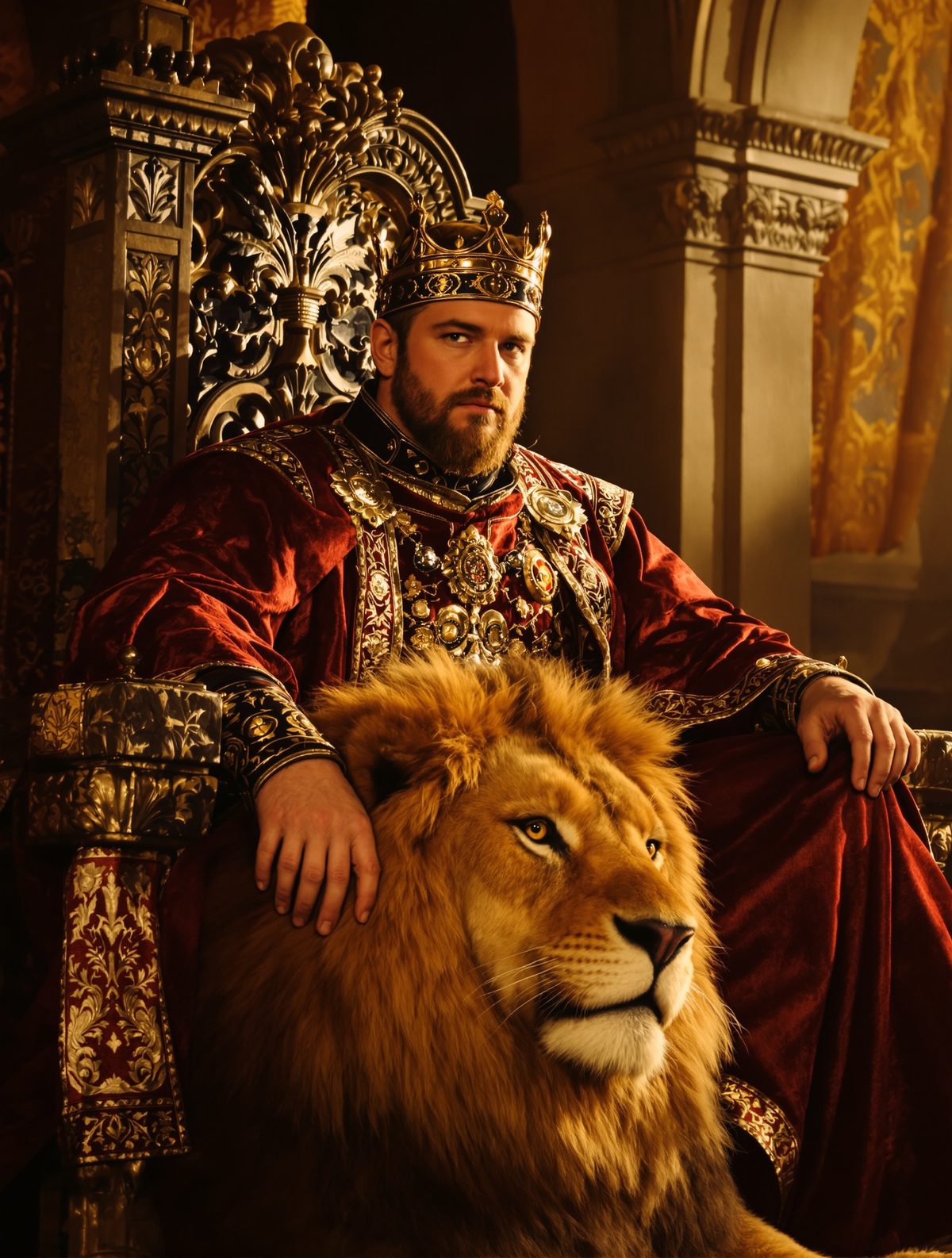
Yet, King Edward III took a step further that no one expected. His lion was not merely a caged marvel to be viewed from afar. Instead, the beast became a constant, albeit unpredictable presence within the very heart of his royal residence, Windsor Castle. The king's choice to allow his lion freedom within the castle walls was a decision steeped in both bravery and a profound personal connection.
The Lion at Windsor: More Than a Royal Pet
What transformed Edward's lion from a traditional sign of sovereignty into a beloved companion was the king's genuine fondness for the animal. Historical documents, though sparse, suggest that the lion was treated more like a cherished courtier than an untamable beast of prey. This distinctive relationship was something that foreign dignitaries and visiting nobles found both awe-inspiring and perplexing. They were accustomed to viewing such creatures from a safe distance, not witnessing them wandering metaphorically beside the king.
The lion, unnamed in surviving records, seemed to be especially fond of its royal caretaker, reflecting the unique charm and remarkable abilities of King Edward III to earn loyalty not just from his subjects and soldiers but from fierce creatures as well. The king's decision to let the lion roam the halls likely evoked a sense of wonder and conversation at court—a symbol that the king’s rule was powerful enough to command even the fiercest of nature's beasts.
The Human Story: A King and His Unconventional Ally
Beyond the spectacle, the king's lion represented a significant facet of Edward III's character. Known for his valor and innovative military tactics, Edward was a king whose reign saw the growth of the English nation into a formidable force. Yet, in his relationship with his lion, we glimpse a monarch capable of tenderness and genuine companionship, transcending the typical kingly persona to leave a personal legacy.
Edward's choice to grant the lion liberty within Windsor can also be seen as a metaphor for his approach to kingship. It wasn't merely about control and authority but about embracing and understanding the raw, sometimes unpredictable nature of both his realm and his subjects. Such a relationship with the lion could have served as an underlying current of inspiration for his leadership style—valuing allyship, courage, and the ability to adapt to wildness, strategies that proved invaluable during his campaigns, including the Hundred Years' War.
Reflections in the Present: A Legacy of Majesty
The indomitable spirit of Edward III's lion still resonates today as a poignant symbol of charisma and power tempered with compassion and companionship. While contemporary monarchs no longer keep lions roaming within their halls, the story is a reflection of how elements of unpredictability can be embraced, respected, and understood within the context of leadership. It reminds us of the remarkable humanity that has deepened the tapestry of the British monarchy over centuries.
The narrative of King Edward III and his formidable friend serves as both a captivating tale from the pages of royal history and a reminder that the bond between a ruler and his kingdom is as dynamic as it is timeless. Windsor Castle, with its storied halls, still stands today, whispering secrets of past lives, incredible legacies, and the enduring bond between sovereigns and the realms they guide.