She was eighteen years old, sheltered by palace walls, when she picked up a pen and wrote to a grieving mother she had never met. Not as a princess performing duty. As a young woman who understood loss. That letter still exists. And it says everything about who she already was.
A Princess Beyond Protocol
In the midst of World War II, as Europe was engulfed in turmoil, a young Princess Elizabeth navigated the complexities of a rapidly changing world from within the gilded confines of Buckingham Palace. Yet, in those times of uncertainty and grief, she displayed a remarkable ability to reach out beyond the ceremonial duties of royalty. The year was 1944, and the future Queen was just eighteen, on the threshold of womanhood but deeply aware of the grave sacrifices being made on the battlefields.
It was during this time that Princess Elizabeth penned a heartfelt letter to a grieving mother who had lost her soldier son in battle. The act was neither public nor prescribed. Without the knowledge of fanfare or anticipation of praise, the young princess was moved to offer solace. The letter, signed simply "Elizabeth," remains a poignant testament to the princess's empathy — a sign of the gracious qualities that would define her reign.
Wartime Windsor
The setting for this tender story was a world still at war. Winston Churchill led the country, while London bore the scars of the Blitz. The royal family, emblematic of national resilience, shared in the uncertainty of the times. Although the palaces provided some measure of comfort, the young princesses, Elizabeth and Margaret, were not immune to the era's harsh realities.
During the war, Elizabeth's parents, King George VI and Queen Elizabeth (later the Queen Mother), set a tone of solidarity. It was their decision to remain in London during the bombing that underscored the strong ties between monarchy and populace. They embodied a steadfast hope, remaining visible symbols of Britain's endurance.
Yet Elizabeth's experience was uniquely divided between the formality of her upbringing and the palpable urgency of a nation at war. This duality galvanized her desire to contribute meaningfully. In 1944, she was actively involved with the Auxiliary Territorial Service, serving as a driver and mechanic, gaining rare insight into the lives of the ordinary people she would one day lead.
The Letter: A Gesture of Humanity
Among the many untold stories of the era is the letter Elizabeth wrote, reaching an unknown mother across the barriers of class and circumstance. The name of the soldier and his mother are lost to history, their personal stories overshadowed by the collective narrative of sacrifice. However, the princess's action carries with it a message of compassion that resonates strongly even today.
The letter was handwritten, in her own delicate script, expressing personal condolences. Elizabeth's empathy extended beyond the elegance of palatial duties, drawing from a wellspring of humanity and responsibility. She understood the heartache of loss — perhaps not yet through personal experience but comprehensively through her exposure to the country's pain.
"I can never fully express my sorrow, but please accept my heartfelt condolences during this difficult time."
In those few lines, Princess Elizabeth established an early pattern of engagement, a hallmark that defined her years as sovereign. Her lifelong commitment to duty was rooted not in obligation alone but in authentic empathy for the individuals who touched the Crown.
A Royal Example of Empathy
In capturing the spirit of the times, it is vital to consider the extraordinary nature of a teenage princess who actively sought to understand rather than simply observe the world around her. This took place within the rigidity of royal expectation, which often dictated an unyielding public image.
Princess Elizabeth did not merely pass through the war years shielded by privilege. Her training as a mechanic was symbolic of her readiness to bridge the divides between class and the monarchy's historical detachment from wartime tribulations. Her approach foreshadowed the bond she would later nurture with the nation as its queen.
She not only adapted to the challenges within palace walls but actively sought to touch lives beyond them. The letter, unostentatious as it was, remains a significant exploration of her personal values, a reflection of the queen she would become — one defined by duty but deeply humane.
The Resonance Today
Today, the warmth of that timeless gesture continues to reverberate through modern perceptions of the monarchy. It highlights a continuous thread of service and a profound care for the people whom the Crown represents. This small act of personal connection softened the often-distant image of royalty, demonstrating relatability that transcended class divisions.
As we remember Queen Elizabeth II's correspondence with that stranger's soldier son, it illuminates not just the character of her early years but sets a profound standard for engagement and community. It reminds us of the timeless values of compassion and understanding, imperative in leadership, and echoes the enduring relationship between the monarchy and its people.
The monarchy today continues to be cherished for reasons reflected in that earnest gesture — a legacy of dedication, empathy, and a bond knitted together through mutual resilience. As we celebrate the memory of Queen Elizabeth's reign, her youthful act of sincere compassion remains a beacon of what lies at the heart of the British monarchy: humanity.
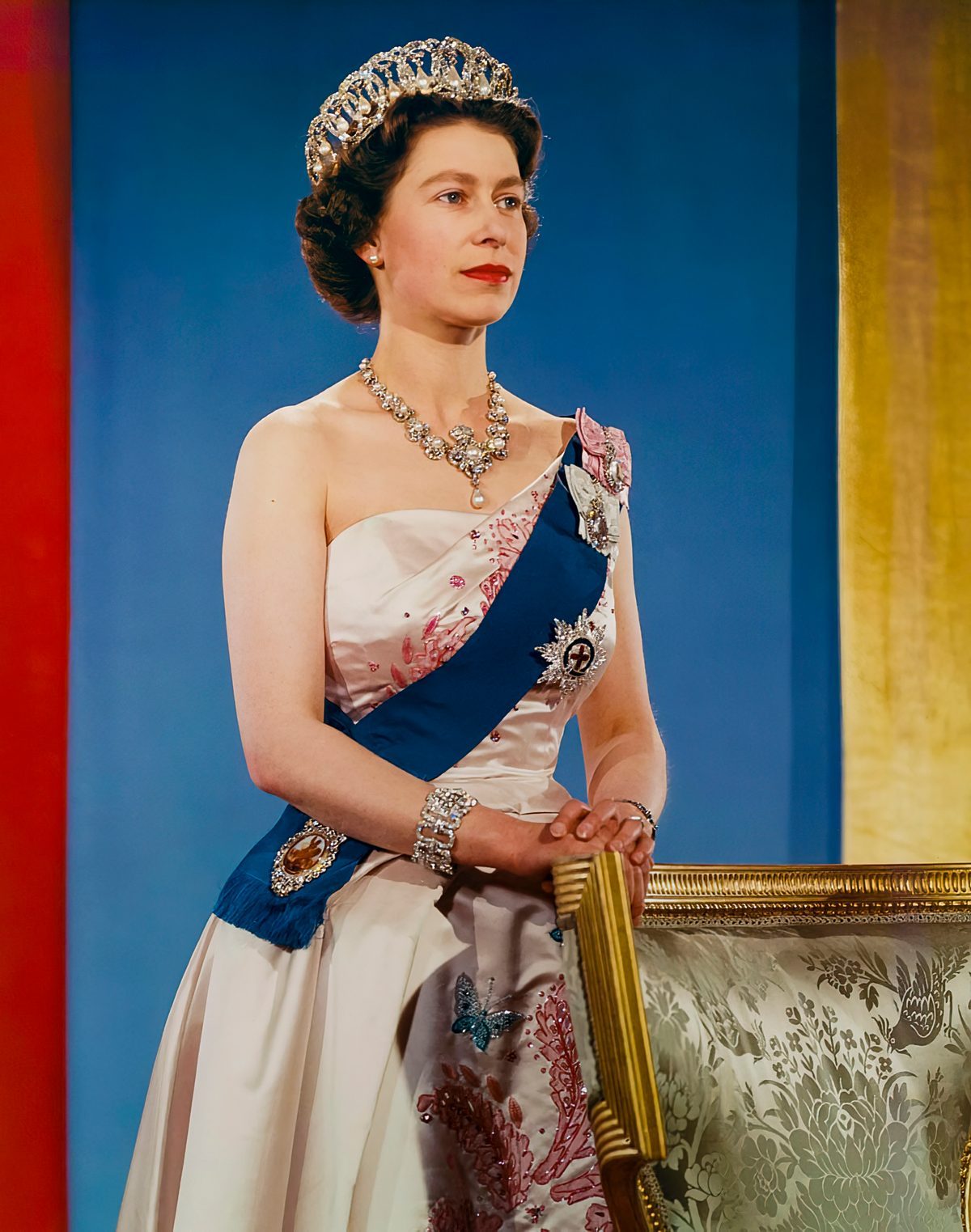
📷 Photo: Donald McKague. Public domain via Wikimedia Commons.