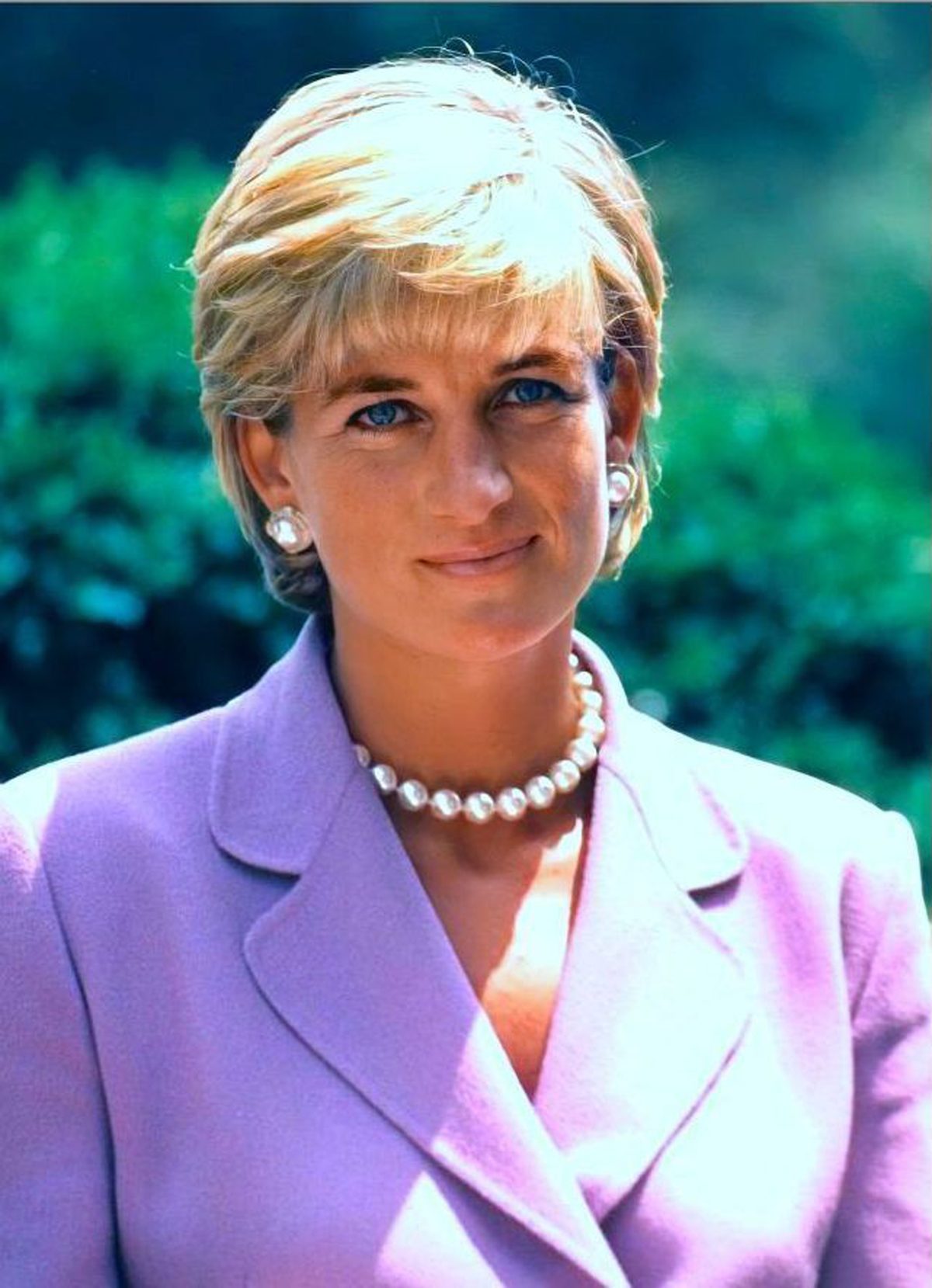
From the moment Princess Diana arrived in Brisbane, Australia, in 1983, every eye was upon her, as though the millions at home could feel her warmth from across the globe. Despite being in wholly unfamiliar territory, Diana’s elegance and demeanor bespoke a queen in waiting, a prelude to the influence she would wield with style as her scepter. Only 21, the princess seemed to effortlessly draw attention not with riches or grandiose ornaments, but with a simple red and white polka dot dress that whispered rather than shouted for attention. In that moment, the way she carried herself became a symbol larger than the sum of its parts.
The Day Diana Stood Alone
On that historic 1983 tour Down Under, Diana found herself amidst one of her biggest challenges yet — representing the British monarchy abroad with Prince Charles for their first joint tour. What made this particular occasion significant was the solo outing she undertook in the midst of the tour to greet the crowds, a task Diana approached with a nascent yet resolute poise.
Australia at the time held a complex but deep fondness for the British royal family, caught amid discussions of national identity yet cherishing its historical ties. Diana, aware of her novel role, possessed an unconscious knack for diplomacy simply through her empathetic nature. Her choice of the red and white polka dot dress was subtle almost to the point of sophistication — a nod to classic femininity wrapped in a hint of modern allegory as she delicately balanced her duties of royal representation with personal expression.
The Dress that Said It All
The dress designed by British designer Donald Campbell was a straightforward blend of simplicity and chic. The modest yet striking ensemble included a tailored fit with puffed sleeves and a demure neckline, finished with a delicate tie at the waist that accentuated her graceful silhouette. These elements resonated with Diana’s personal style, which often favored purity and elegance over the ostentatious trappings often associated with royalty.
Yet it was the polka dots that perhaps held the greatest sway. An iconic print both playful and bold, it echoed Diana’s own transformation from shy aristocrat to confident royal persona. Without uttering a word, the dress communicated warmth and approachability — it invited the public in, breaking down any perceived barriers between a royal dignitary and the everyday person.
Fascinatingly, the red and white hues also subtly mirrored the national colors of Canada, another Commonwealth nation. Whether this choice was intentional or subliminal remains unknown, though it further underscores Diana’s renowned sensitivity to cultural and Commonwealth identity.
The Crowds and Their Princess
As Diana descended into the throngs waiting in Brisbane, she was met with a reception befitting the star she would become. Approximately 300,000 individuals lined the pathways, eager to catch more than a fleeting glimpse of the royal duo, yet their gaze was instinctively drawn to Diana. Even within the context of royal expectations, her aura was magnetic. All the while, she remained humble and genuine — characteristics that would endear her to the world throughout her life.
The atmosphere was electric, charged with genuine affection and admiration. Diana interacted with the crowds, shaking hands, sharing smiles, and even engaging in small fluttering exchanges that transcended the functional confines of royal protocol. It was this innate ability to form connections, exemplified during her Brisbane visit, that continued to bolster her popularity and sketched the blueprint for modern royal engagements.
The Royal Court’s New Era
This watershed moment not only brought Diana into the limelight but also signified a sea change within the royal court. As Britain's younger royals steered the monarchy’s future, their appearances became platforms that reinforced the monarchy's enduring relevance. With class and dignity, Diana personified this transition without intention, redefining the role of a 20th-century princess.
The early 1980s were a transformative period for the British monarchy, a time of bridging tradition with contemporary culture. Diana was instrumental in this societal reflection — her sartorial choices shed a light on the evolving public expectations of royal figures. While the royal family maintained its storied rituals and ceremonies, there was an unspoken shift towards accessibility and relatability, exemplified by Diana’s everyday glamour.
A Lasting Legacy
As we reflect on Diana's journey, what stands out most is not merely the dress but what it represented — the quiet confidence, charm, and warmth she radiated. Her ability to resonate with individuals of all backgrounds continues to endear her memory to millions around the world.
In today’s world, the legacy of that red polka dot dress lingers, not merely as a historical footnote in the tapestry of royal fashion but as a reminder of the influential role played by style in shaping public perception and forging a human connection. Diana’s influence endures, casting a luminescent shadow under which modern-day royals tread. Her life and fashion witnessed a halcyon era where elegance served as an unspoken language understood by every heart she touched.
In remembering her solo tour in 1983, we are reminded that the monarchy, much like fashion, rests not merely on ceremony or tradition, but on the ability to adapt and reflect the dynamics of its engagements. Diana reminds us that amidst the pomp and grandeur, it is often simplicity that best tells the story of grace.
📷 Photo: L.H and H. Public domain via Wikimedia Commons.