The morning of November 20, 1947, was one of those brisk, memorable days that have lingered in the annals of the British monarchy not for their pomp and ceremonial grandeur, but for their simple, unguarded humanity. Within the hallowed walls of Buckingham Palace, a scene unfolded that was both deeply personal and profoundly universal: King George VI, a man revered for his stoic leadership during World War II, was reduced to tears as he bade farewell to his eldest daughter, Princess Elizabeth, on her wedding morning. This moment, so intimate and tender, reveals a side of the monarchy not often seen—one characterized by love, sentiment, and vulnerability, unseen by the millions who revered the firm resolve of their wartime king.
The Father Behind the Crown
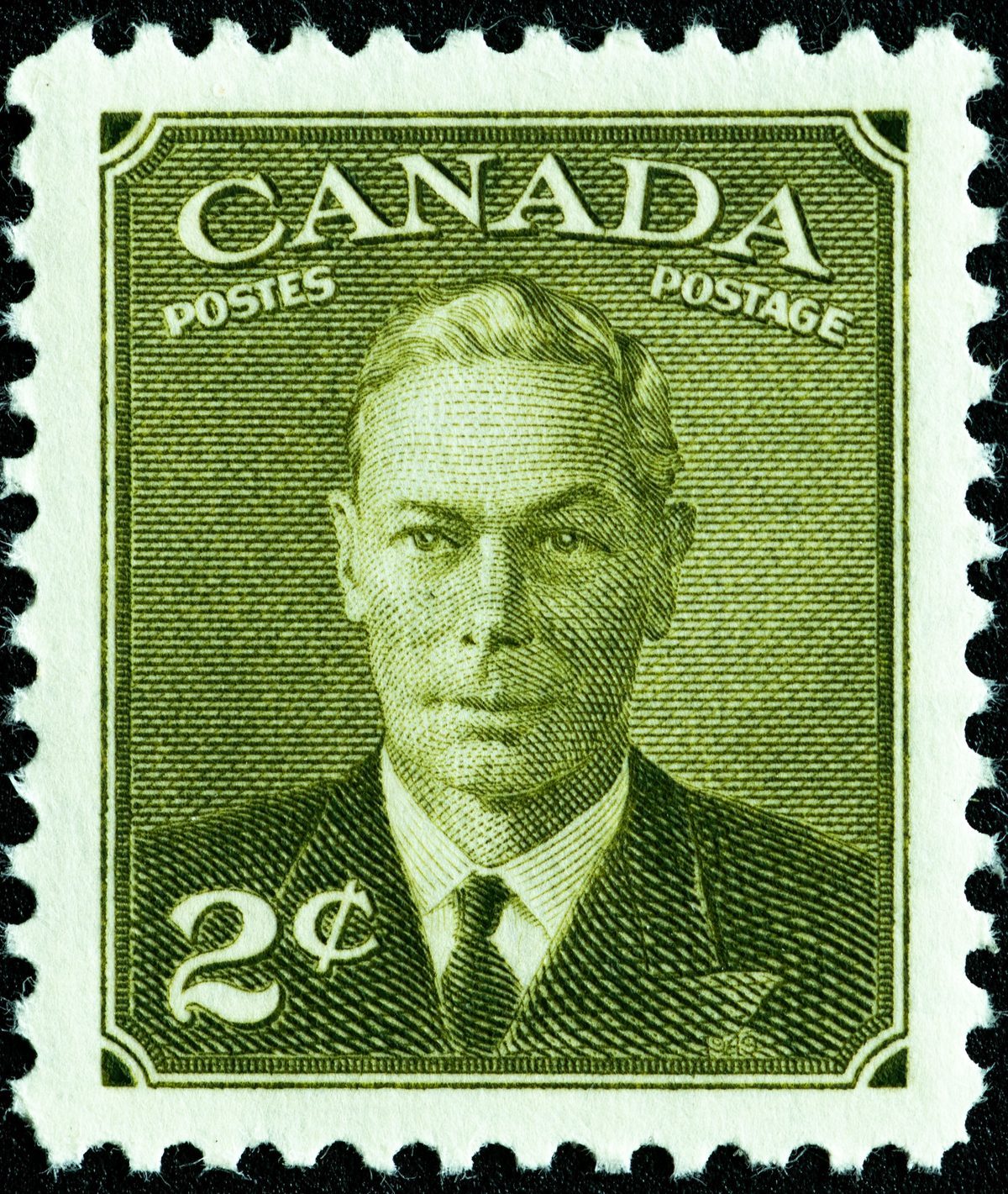
King George VI, known to his family and close friends as Bertie, ascended to the throne under extraordinary circumstances. Thrust into the spotlight after the abdication of his brother, King Edward VIII, George was a reluctant monarch who devoted himself to his duties with steadfast resolve. Yet on this particular morning in 1947, he stood not as a king, but as a father—one in the throes of a bittersweet emotional tapestry as his "Lilibet" embarked on a new chapter of life.
Princess Elizabeth’s marriage to Philip Mountbatten had captured the hearts of a post-war nation, offering hope and optimism in a time of austerity and recovery. The royal wedding was a symbol of rejuvenation, watched by millions—and yet for King George VI, it was a poignant reminder of the passage of time and the inevitable departure of a cherished family member.
In private, King George VI was known for his warmth and approachability, traits keenly felt within his family. The day Elizabeth became a married woman was a hauntingly beautiful mix of emotions. As he watched her leave, he penned his feelings down, writing, "I have lost something very precious," articulating the universal experience of a parent watching their child forge independent paths.
The Wedding That Captivated a Nation
The royal wedding of Princess Elizabeth and Philip, held at Westminster Abbey, was the first major event to signal the post-war renewal of the British state. Despite the lingering effects of rationing, the event was a spectacle of grandeur, a quintessentially regal affair that sparked joy and enthusiasm across the nation.
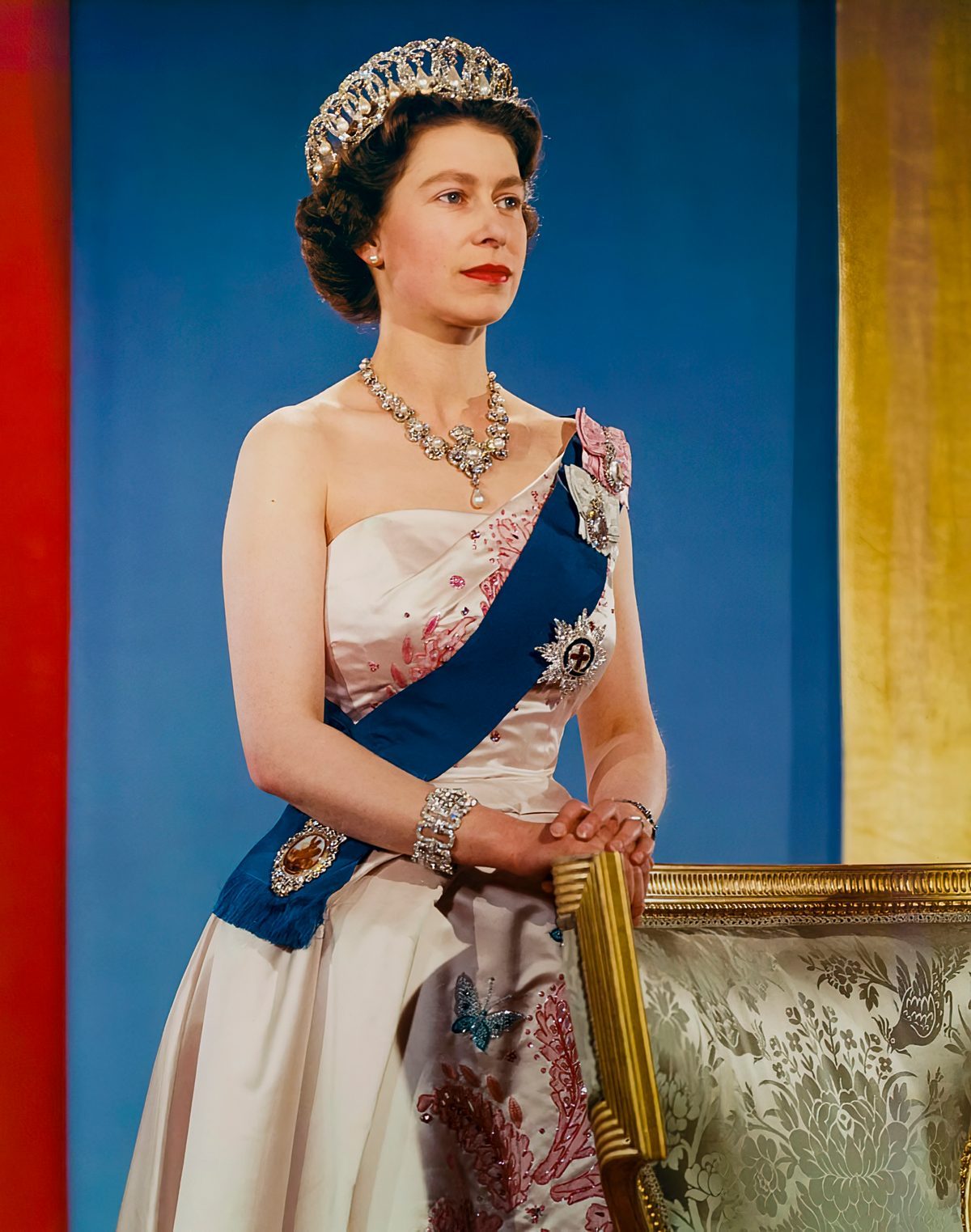
In the midst of the opulence and ceremony, the heart of the celebration lay in the profound relationships between a father and a daughter, a family and their beloved monarch. The king's emotions mirrored those of many fathers who have watched their daughters step into new lives, a testament to parental bond transcending status and distinction. Every detail, from the 15-foot train of Elizabeth's Norman Hartnell gown to the pearl and diamond tiara, spoke to a union of tradition and modernity—a theme that underscored both the wedding and the monarch's quiet, personal evolution.
A Monarchy in Transition
The royal family's dynamics were in the midst of change—a soft evolution mirroring that of the wider world around them. King George VI, understanding his daughter’s sense of duty, must have seen this transition as an echo of the inevitable changes to come. Even as he stood at the palace threshold, he was likely pondering the future of the monarchy, soon to be guided by his daughter, known for her commitment to duty and community.
Elizabeth and Philip’s marriage was one that embraced both continuity and change. Their union stood as a reflection of the world after World War II—a balance between upholding tradition and welcoming transformation. The king, who had seen through the wartime challenges, apprehended this significant shift within his family and the anticipation of his daughter's eventual reign.
The Emotional Tapestry of Royal Life
Despite the veneer of royal duty, life behind palace walls is rich with the same emotions experienced by families across the globe. Anyone who has ever loved or let go must understand the king’s heartache and pride. The monarchy, often seen as an immutable institution, is at its core composed of individuals bound by the same ties of love and connection shared by all humanity.
In deeply human moments such as these, we are reminded that the royalty, while living extraordinary lives, are touched by the same feelings that shape our own. King George VI, a father who swore to lead and protect his nation with unyielding devotion, stood as a loving patriarch who couldn’t help but feel the pangs of distance and change his role as a father entailed.
A Legacy of Love
Today, as we reflect on that poignant November morning, we find ourselves peering through the lens of history at a scene both tender and timeless. That day, as King George VI shed tears for his daughter, he offered an enduring image that resonates deeply: that even those of the highest rank were not immune to the forces of family and love.
In the years since, we've seen the monarchy continue to navigate its path proudly. The legacy left by George VI is not only one of duty and courage but one of love and warmth—qualities that have undoubtedly helped shape the reign of a Queen who herself has become an emblem of steadfastness and grace.
As we look to the hallways of Buckingham Palace and beyond, let us remember the tender morning a king allowed his heart to show through the crown. In doing so, he created a legacy reminding us that in the end, the truest strength lies not in dominance or distance but in love, humility, and the courage to let go.
📷 Photo: Hayden Soloviev. CC BY 4.0 via Wikimedia Commons.