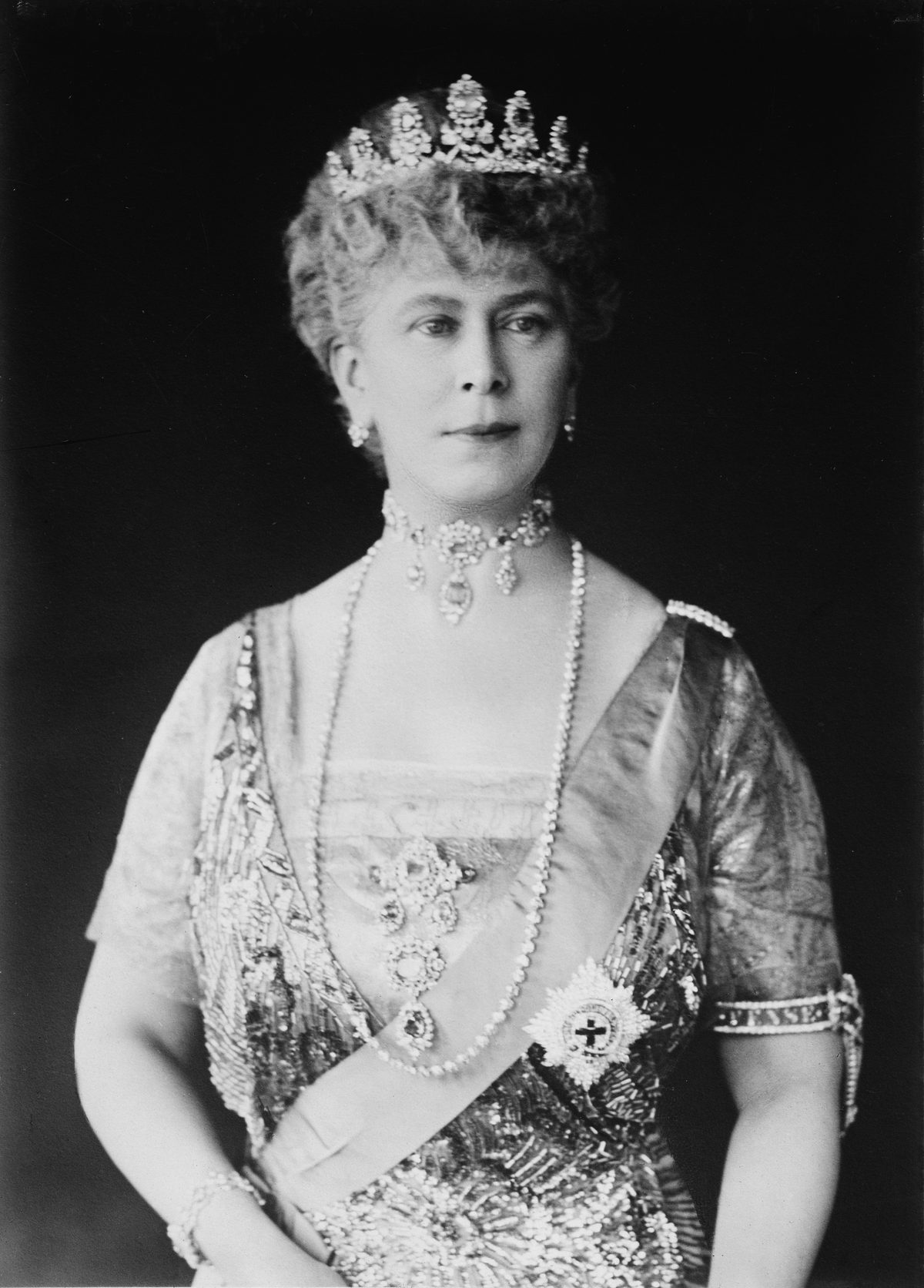
She wore the grandest tiaras in Europe and hosted heads of state without flinching. But behind the palace doors, Queen Mary kept a quiet daily ritual that had nothing to do with rank or ceremony. Every single morning, she picked up her needles. And every pair of socks she finished went straight to a stranger at the front.
A Royal Commitment Unseen
In the grand tapestry of British monarchical history, the nuances of daily life within the regal corridors are often overshadowed by the splendor of ceremonial duties and public appearances. Yet, it is often within the private quarters of royals where the heart of their humanity is most revealed. Such was the case during the years 1914 to 1918, when Queen Mary, consort to King George V, devoted herself to a poignant act of kindness amid the turmoil of the First World War. Each day, with a sense of duty and empathy that transcended her role, Queen Mary knitted socks for soldiers she would never meet, sending thousands of pairs to the front lines, unsigned and uncelebrated.
As the country faced an unprecedented conflict, the Queen’s act was a symbol of solidarity and support for the brave soldiers enduring the harsh realities of war. This quiet dedication was not born of obligation but from a deep-seated desire to contribute to the war effort in a personal and meaningful way. Despite the fineries that surrounded her, Queen Mary's heart beat in rhythm with the shared struggles of her nation.
Inside the Royal Court
The royal household during the early 20th century was a hub of political intrigue, international diplomacy, and an amalgamation of tradition and modernity. Queen Mary, born Princess Mary of Teck, was known for her meticulous attention to the duties and responsibilities accompanying her role. Her marriage to George V placed her into a life under the constant gaze of the public eye. Yet, she navigated these expectations with grace and fortitude, embodying the ideal of a steadfast, supportive consort.
Amidst the opulent state banquets and diplomatic receptions, Queen Mary found solace in her knitting. It was a respite from the rigors of court life and a way to express her personal agency and compassion in an era defined by rigid social structures and expectations. Though her hands were often occupied with yarn and needles, her contributions to the war effort were never far from her mind. The palace, a world of luxury and decorum, was unexpectedly home to this simple, humble activity.
The Human Story of a Noble Labor
The years of World War I saw a shift in societal roles and the expectations placed upon women. As millions of men fought on the front lines, women took on new responsibilities, stepping into roles traditionally reserved for their male counterparts. Queen Mary's knitting extended beyond mere craft; it was an emblem of the shifting roles of women, even within the monarchy.
Her mornings, spent knitting in solitude, became a metaphorical meeting point between royalty and the common people. Each stitch woven through the yarn was a silent testament to her understanding of the soldiers' plights. In the warmth of each pair of socks sent to the trenches lay a message of home, a touch of normalcy amidst chaos, crafted by a queen who felt deeply about her country’s sons fighting abroad.
The Power of Silent Acts
Queen Mary’s uncelebrated yet significant effort permeated beyond the wool she held in her hands; it was a defining aspect of her character. In the silence of her personal quarters, she demonstrated the quiet power of empathy and the effects of seemingly small acts of kindness. The socks, each one crafted with care, served as an emblematic link between the homefront’s warmth and the front lines' harshness.
By maintaining her knitting routine, Queen Mary offered a glimpse into the private humanity that exists within a public figure. It was this very humanity that endeared her to her subjects, who knew and respected that beneath the finely embroidered gowns and dazzling jewels lay a woman of deep conviction and humility. Her actions spoke volumes about her character, where the power of purpose-driven actions took precedence over the ceremonial pomp often associated with royals.
A Legacy of Compassion
Looking back, Queen Mary’s daily ritual of knitting during the years of World War I is a heartwarming reminder of the personal impact that royals can have beyond their public duties. Her dedication to such a humble act showcased the profound difference that compassion can make, even if it is as simple as creating something by hand. Today, her legacy of empathy serves as an enduring testament to the potential for human connection, irrespective of societal boundaries.
In the modern age, where royals continue to play roles that blend public duty with personal passion, Queen Mary’s quiet devotion resonates. Her legacy prompts a reflection on the timeless values of empathy, service, and the power of humble acts, echoing across the years. Each stitch she made not only warmed the feet of soldiers across battlefields but also wove a lasting thread of regal humanity into the intricate fabric of history.
Queen Mary's story, nestled between the pages of grand historical events and everyday endeavors, reminds us all that even the grandest of lives can be touched deeply by the simplest acts of kindness. Her commitment, though modest in its inception, continues to inspire a richer, warmer understanding of royal life, intertwining the threads of past compassion with today’s noble duties.
📷 Photo: Lafayette. Public domain via Wikimedia Commons.