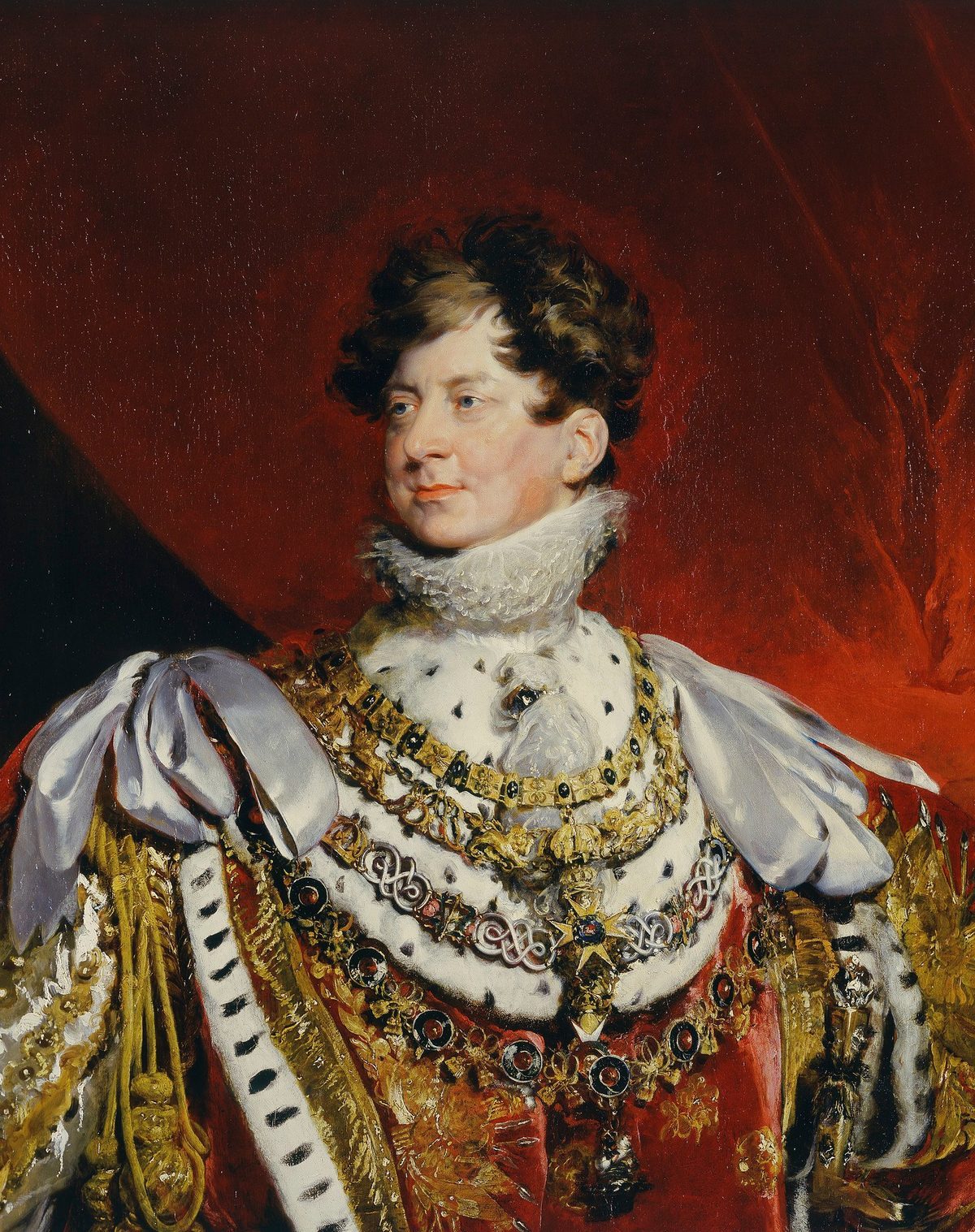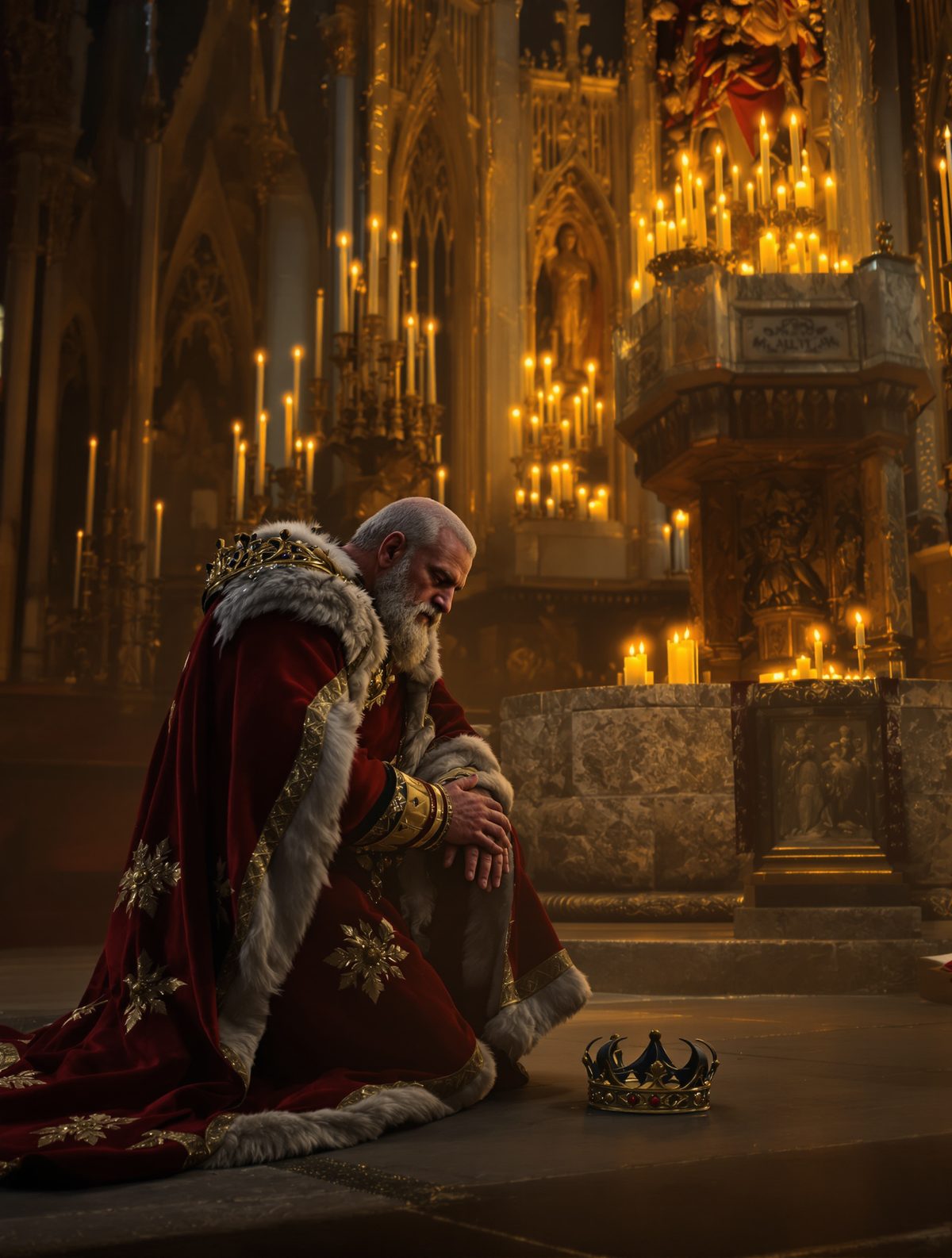
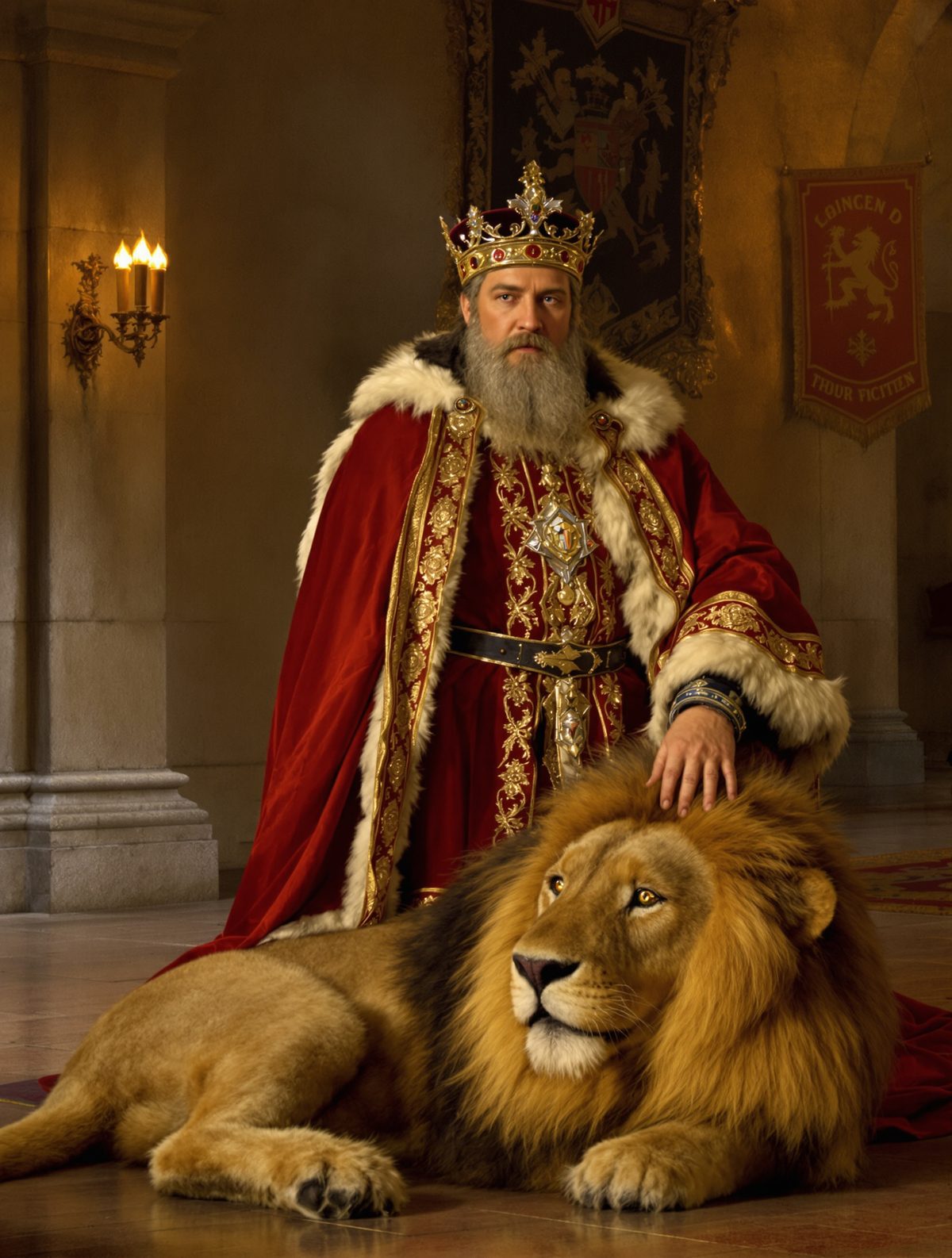
When Lion and King Wept Alike: All the pageantry and pomp of English heritage couldn’t mask the emotion coursing through the halls of Windsor Castle on that fateful morning. King Edward III, warrior-king and indomitable spirit of Medieval England, stood before his courtiers in a scene that juxtaposed his storied ferocity — he wept. The cause? The passing of a creature as fierce as he was: his beloved lion.
The Warrior King's Unexpected Grief
Edward III, revered for his military expertise and revered across Europe, was the last person the English court expected to see shedding tears, and certainly not for an animal. Known for his tactical genius, he was a pivotal figure in the Hundred Years’ War, most famously securing victory at the Battle of Crécy in 1346, where his strategical prowess was firmly etched into the annals of military history. Yet, beneath the shield-mailed exterior lay the heart of a ruler who knew the value of loyalty and kinship — a heart that found solace in unexpected companionship.
The lion, which Edward kept at Windsor, was more than a mere symbol of his royal power and magnificence. It was a steadfast presence that represented strength, courage, and an unspoken bond that transcended mere ownership. When the lion succumbed to the ailments of age, Edward's outward demeanor cracked, revealing a tenderness his enemies never foresaw.
An Animal Accorded Royal Honours
The spectacle that followed was unlike any seen before. The members of the royal court, accustomed to the distant stoicism of their sovereign, watched in awe as Edward decreed that the lion should be interred with ceremonies typically reserved for the fallen of noble birth. The animal's burial was attended with the kind of rituals that underscored the profound respect the king held for his furry companion.
Windsor Castle, with its towering walls and illustrious history, was no stranger to hosting animals of exotic origin. Kings before Edward had maintained menageries, their grounds paraded by creatures that dazzled and demeaned their adversaries by sheer exotic splendor. But Edward’s attachment to this lion was something else entirely, illustrating the multifaceted nature of his personality.
Life in the 14th-Century Court
Inside the sumptuous yet austere interiors of Windsor, the court buzzed with the news of the lion's demise and the king’s uniquely raw response. Those closest to Edward speculated on the depths of his bond with the creature. To the king, the lion might have been a reminder of the single-minded ferocity required both in battle and in the political labyrinth he navigated daily. Possessing a lion — an unprecedented beast of dominance and royalty — mirrored his aspiration not just to rule but to imbue his reign with the majesty and mystery that an animal so wondrously embodied.
The court’s machinations were often removed from such emotional rawness. Marie de St. Pol, Countess of Pembroke, once described a king’s life as one “always paraded, rarely felt.” Yet this was a monarch who felt deeply, as revealed through unforeseen moments of vulnerability.
The Tenderness Within a Legend
The day the lion died was a day King Edward allowed the façades to fade, if just for a poignant moment. Historians note this rare event as a window into the regent’s depth of character — a leader renowned for his martial might yet also capable of the tender admission of loss.
Another less spoken aspect of medieval kingship was its frequent solitude. The bonds that were easily forged with those who could neither covenant nor contrive, like his feline charge, may have filled a need for sincere connection amidst the chaos of courtly life and conquest. The sincerity of a lion could be trusted, could not be coerced or corrupted as human allegiance often was. Edward’s secret grief for his lion, thus, was more than a series of dignified gestures; it was a mutually reciprocated relationship based on mutual respect and an understanding that transcended the animal’s origins as a curiosity or symbol of power.
The Enduring Legacy of King Edward III
What remains so arresting about this episode in Edward III’s life is its testament to the complexity and humanity beneath the regal veneer. Today, the monarchy continues to captivate, in part, through the ancient traditions it upholds, but also in the human stories that seethe beneath crowns and crests. In the final farewell to his wild companion, King Edward III immortalized a narrative of compassion built into his legacy of courage.
His reign, lasting fifty years, was marked by a constellation of martial successes and administrative foresight — yet it is this singular moment of vulnerability that deepens the connection between the modern admirer and the mythical monarch. Edward’s story, told through the lens of his inexplicable grief for a lion, serves to remind us of the eternal and universal nature of affection, even for those who find it in unexpected corners of life.
The compassionate king who dared to publicly mourn his lion reminds us that genuine rulers, ancient and contemporary alike, are remembered not just for their victories, but for their ability to love and be loved, to protect and cherish, whether their companions be nobles or beasts, or something as fierce and as respected as a lion.