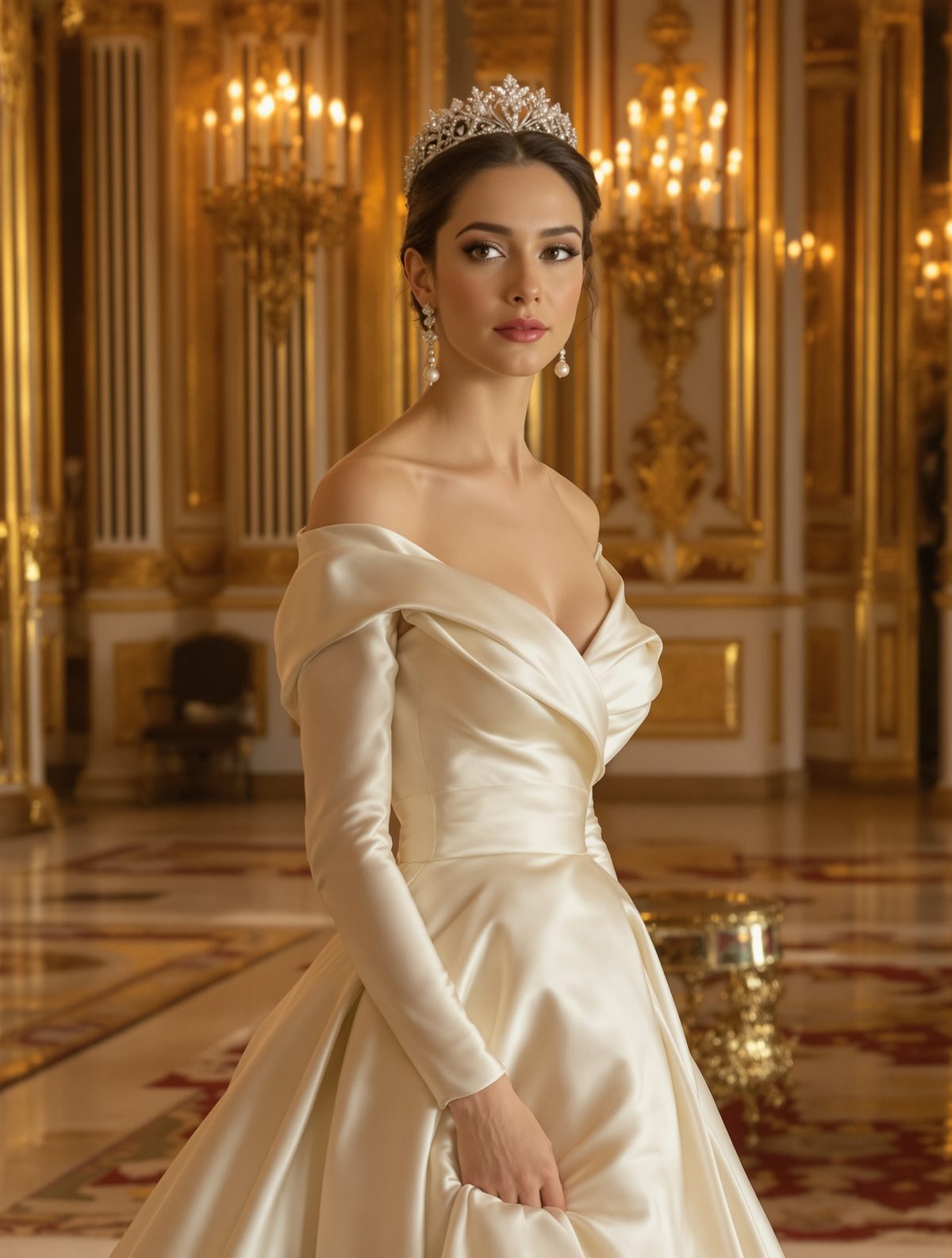
When Catherine, Princess of Wales, stepped into the opulent setting of a Buckingham Palace state banquet in 2012, the world watched with bated breath. The soft glinting of chandeliers, the refined clinking of crystal goblets, and the low murmur of highly decorated guests all provided a backdrop befitting the emergence of a modern royal icon. As she appeared, resplendent in an Alexander McQueen gown of ice-white silk with a bold, sculptural neckline, a hush fell over the grand ballroom. It was a gown chosen with such intentionality and finesse that it silenced the room, a quiet but powerful testament to her royal elegance and astute sartorial diplomacy.
The Making of an Icon
Catherine Middleton, who became the Duchess of Cambridge upon her marriage to Prince William in 2011, has always been admired for her refined fashion sense. Her style, elegantly timeless yet refreshingly modern, represents the perfect fusion of traditional royal expectations with the vibrancy of contemporary Britain. Yet, the Alexander McQueen gown she chose for this particular evening was more than just a stunning piece of couture; it was a statement woven from the threads of history, diplomacy, and personal narrative.
Created by Sarah Burton for Alexander McQueen, the gown drew inspiration from the classic silhouettes of yesteryear while incorporating avant-garde elements that commanded attention without need for a single word. The sculptural neckline, a defiant yet graceful statement, conjured images of photos from twentieth-century fashion archives, yet its execution was distinctly 21st century. As Catherine moved across the room, the gown’s ice-white sheen captured the light, creating a mesmerizing interplay between the garment and its wearer, as if symbolizing the monarchy’s enduring presence and its evolving facade.
Fashion as Language
Fashion has always been one of the most subtle languages spoken at the royal court, capable of conveying messages that transcend words. For Catherine, every detail of the gown was chosen not merely for its aesthetic appeal but for its narrative potential. The gown’s intricate embroidery mirrored traditional royal motifs, an acknowledgement of the illustrious lineage she had joined. By selecting a British designer, she echoed the monarchy’s commitment to supporting national craftspeople, while also highlighting the UK's fashion industry's place on the global stage.
The white color was not just an embodiment of a winter wonderland. It signified purity, peace, and new beginnings — sentiments resonant not only on a personal level as she embraced her royal duties but also in a global context. As an ambassador of the British monarchy, Catherine’s attire at such events is always of international interest, making it imperative that her choices support the image of a modern, poised, and influential royal family.
The Banquet Unfolds
The ambience at a Buckingham Palace state banquet is nothing short of regal. It is one of the few events on the royal calendar where ceremonial pomp meets relational diplomacy. State banquets bring together dignitaries, heads of state, diplomats, and occasionally noteworthy cultural icons under the grand ceilings of Buckingham Palace. Here, in the company of the world’s elite, every royal appearance is a dance of tradition and modernity, each move watched and scrutinized.
Walking through the majestic halls, Catherine’s presence resonated with the history that lined each wall and corner, the stories of monarchs past blending into her present path. Seated among key figures, she exemplified the soft power that the British monarchy wields so adeptly — a charming display of welcome to international guests, complemented by the grace with which she wore her role, just as gracefully as she wore that gown.
A Heritage Reimagined
“The gown she wore that night was as much about preserving heritage as it was about breathing new life into it.”
The gown worn by Catherine that evening represented a reimagining of royal heritage for a new age. Across centuries, royal fashion has served as a canvas — painting images of power, alliance, and sometimes rebellion against the backdrop of changing societal norms. No stranger to this, Catherine managed to weave her own story into this rich tapestry through the distinctive modern twist of her attire.
The Alexander McQueen gown was imbued with a spirit of innovation, much like Catherine’s presence in the royal family — respectful of the traditions but unafraid to bring them into the now. It echoed back to the iconic fits favored by figures like Queen Elizabeth and Princess Diana, yet captured a new, assertive femininity, one that commands respect and admiration in equal measure. In Catherine's journey from commoner to Duchess, her fashion choices have become iconic signals that she comfortably belongs in both spheres.
Resonances of the Past, Echoes of the Future
The 2012 state banquet, like much of British royal tradition, was an event rooted deeply in the past but reaching ambitiously toward the future. Catherine’s appearance in that gown symbolized both continuity and change, reflecting the monarchy’s unwavering dedication to its evolving role on the world stage. With silent poise, she rendered herself a beacon of confidence and sophistication, comfortably placing herself in the annals of royal fashion icons.
In a single outfit, Catherine distilled centuries of tradition into a contemporary context, creating an image that was both respectfully royal and unquestionably modern. Yet, the gown was not merely an evening's attire. It became a symbol of the British monarchy's ability to value and preserve its history while simultaneously stepping forward into a world that demands both adaptability and steadfastness.
As we reflect on this mesmerizing moment in 2012, we see the rich layers of significance echo the lives of the royals past, reminding us of the enduring power of storytelling through style and the silent eloquence with which it perpetuates dignity in the ever-unfolding royal saga.